

The Vitamin K Shot: What Every Parent Needs to Know Before Delivery Day
Hey there, amazing parents-to-be! Welcome to one of the most exciting and, let’s be honest, slightly overwhelming times of your life. As you prepare to meet your little one, your mind is probably swimming with a million questions and a to-do list a mile long. That’s completely normal! As a pediatric nurse and lactation consultant, I’ve spent decades helping families navigate these first precious days, and my goal is to replace your worries with confidence.
One of the first topics that comes up right after delivery is the Vitamin K shot. You may have heard about it from friends, seen it on your hospital’s consent forms, or stumbled across conflicting information online. It’s easy to feel confused. So, let’s take a deep breath together and chat about it, parent to parent, with a little medical expertise sprinkled in. This guide is your safe space to understand what the Vitamin K shot is, why virtually every pediatrician recommends it, and what to expect. Asking questions doesn’t make you anxious; it makes you a thoughtful and incredible parent. Let’s get started.
What’s the Big Deal About Vitamin K, Anyway?
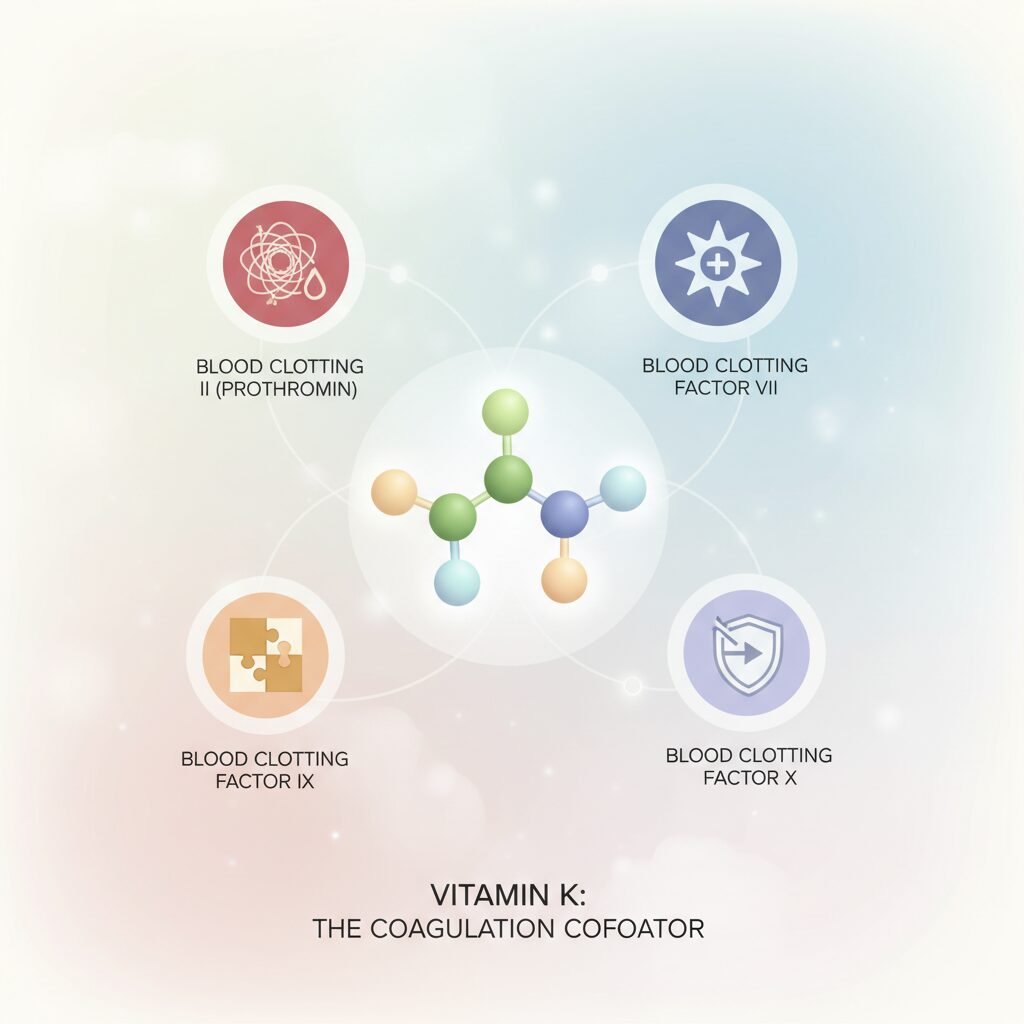
What’s the Big Deal About Vitamin K, Anyway?
First things first, let’s talk about what Vitamin K even is. Think of it as your body’s superstar for blood clotting. When you get a paper cut, Vitamin K is one of the key players that signals your blood to thicken and form a scab to stop the bleeding. It’s a fat-soluble vitamin that we get from foods like leafy greens and that our gut bacteria help produce. It’s essential for everyone, but especially for newborns.
Why Are Babies Born with Low Levels?
Here’s the thing: babies arrive in this world with a naturally very low supply of Vitamin K. This isn’t anyone’s fault; it’s just how biology works. There are two main reasons for this:
- It doesn’t cross the placenta well: Unlike some other nutrients, only a small amount of Vitamin K from mom makes its way to the baby during pregnancy.
- Their guts are brand new: A newborn’s intestines are sterile and haven’t yet developed the good bacteria needed to produce their own Vitamin K.
This temporary shortage puts them at risk for a rare but very serious condition called Vitamin K Deficiency Bleeding (VKDB).
Understanding Vitamin K Deficiency Bleeding (VKDB)
VKDB is exactly what it sounds like: unexpected and sometimes severe bleeding because the baby’s blood can’t clot properly. The scariest part about VKDB is that it can happen suddenly and without any warning signs, even in perfectly healthy-looking babies.
A Gentle Warning: While VKDB is not common, it can be life-threatening. The most dangerous form can cause bleeding into the brain, leading to permanent brain damage or even death. This is why prevention is so incredibly important.
There are three types of VKDB, categorized by when the bleeding occurs:
| Type of VKDB | When It Occurs | Common Bleeding Sites |
|---|---|---|
| Early-Onset | Within the first 24 hours of life | Often related to maternal medications that interfere with Vitamin K. Can be severe. |
| Classical-Onset | Between days 2 and 7 of life | Bleeding from the umbilical cord stump, nose, or gastrointestinal tract. Circumcision can also be a site of bleeding. |
| Late-Onset | Between 2 weeks and 6 months of age | This is the most dangerous form, with about half of cases involving bleeding in the brain. It’s more common in exclusively breastfed babies who did not receive the Vitamin K shot. |
The key takeaway here is that while your baby is strong and perfect, they are born with a temporary, natural vulnerability. The Vitamin K shot is simply a safety net to protect them during this critical period until their bodies can produce the vitamin on their own.
The Vitamin K Shot: A Tiny Pinch for Powerful Protection

The Vitamin K Shot: A Tiny Pinch for Powerful Protection
Okay, so we know why your baby needs Vitamin K. Now, let’s talk about the how. The process is incredibly simple, quick, and is considered a standard part of newborn care in most hospitals around the world.
What Exactly Happens?
The Vitamin K shot is a single injection of phytonadione (the medical name for Vitamin K) given to your baby shortly after birth, usually within the first six hours. Here’s a step-by-step of what you can expect:
- The Preparation: A nurse will draw up a very small, specific dose of Vitamin K into a tiny syringe. The dose is just 0.5 to 1 milligram—that’s a minuscule amount of liquid!
- The Location: The shot is given into the largest muscle on your baby’s tiny body: the vastus lateralis. That’s the fancy name for the chunky, outer part of their thigh. This spot is chosen because it’s well-developed and can absorb the medication effectively.
- The Injection: The nurse will clean the area with an alcohol swab and, in one quick and practiced motion, administer the shot. The entire thing takes just a few seconds.
Addressing the “Ouch” Factor
I know what you’re thinking. Your brand new, perfect baby is going to get a poke? It’s every parent’s instinct to protect their child from any discomfort. Yes, a shot does involve a brief moment of pain. Your baby will likely cry for a moment, and that can be tough to watch.
But please, let me reassure you. The discomfort is incredibly fleeting. And there are so many ways you can comfort your little one right away:
- Skin-to-Skin Contact: Holding your baby directly against your bare chest is a powerful pain reliever. Your warmth, your scent, and your heartbeat are incredibly soothing.
- Breastfeeding: If you’re planning to breastfeed, nursing during or immediately after the shot can work wonders. The sweetness of the milk and the act of suckling are natural analgesics.
- Swaddling: Wrapping your baby up snugly in a blanket can help them feel secure and calm down quickly.
- A Gentle Voice: Simply talking or singing softly to your baby can provide immense comfort.
The nurses and doctors are experts at making this process as smooth and fast as possible. That momentary pinch provides protection that lasts for months, shielding them from the devastating risk of VKDB.
Let’s Talk About Your Worries: Separating Fact from Fiction
Let’s Talk About Your Worries: Separating Fact from Fiction
The internet can be a wonderful resource, but it can also be a source of anxiety, especially when it comes to medical information. It’s completely understandable to have questions or concerns about anything being given to your baby. Let’s tackle some of the most common worries I hear from parents and look at what the science actually says.
Myth: The Vitamin K Shot is Linked to Childhood Cancer.
Fact: This is probably the biggest and most persistent myth out there, and it stems from a single, small study published back in 1992 that suggested a possible link. Since then, this theory has been thoroughly debunked. Numerous large-scale, robust studies involving millions of children have been conducted, and they have all concluded the same thing: there is no credible evidence linking the Vitamin K shot to childhood cancer or leukemia.
Please hear me on this: Major medical organizations, including the American Academy of Pediatrics (AAP) and the Centers for Disease Control and Prevention (CDC), have reviewed the data extensively and state unequivocally that the shot is safe and does not cause cancer.
Myth: The Shot is Full of Dangerous Toxins and Preservatives.
Fact: Let’s look at what’s actually in the injection. The main ingredient is phytonadione (Vitamin K). The other ingredients are there to keep the vitamin stable and allow it to be injected safely into the muscle. Some formulations contain a preservative like benzyl alcohol to prevent bacterial growth. The amount used is minuscule and is considered safe for newborns. Your baby’s own body produces more benzyl alcohol daily through its natural metabolic processes than what is in the shot. Here’s a simple breakdown:
| Ingredient | Purpose | Safety Note |
|---|---|---|
| Phytonadione | The active ingredient (Vitamin K1) | Prevents VKDB. |
| Polysorbate 80 | An emulsifier to help oil and water mix | Commonly used in foods like ice cream and in many medications. |
| Propylene Glycol | Helps dissolve the vitamin | Recognized as safe by the FDA; used in many foods and medicines. |
| Benzyl Alcohol | A preservative (not in all formulations) | Used in a tiny, safe amount to keep the vial sterile. Preservative-free versions are often available if you have concerns. |
Question: What About Oral Vitamin K Instead?
Fact: This is a great question! Oral Vitamin K is used in some other countries, but it’s not the standard of care in the United States for several important reasons. While it might seem like a gentler option, it’s actually less effective.
- Unreliable Absorption: You can’t be sure how much of the oral dose your baby actually absorbs, especially if they spit up or have any undiagnosed digestive or liver issues. The shot guarantees the full dose gets into their system.
- Multiple Doses Required: The oral version requires a strict schedule of multiple doses over several weeks. It’s easy for a dose to be missed in the beautiful chaos of life with a newborn, leaving the baby unprotected.
- Less Effective Against Late VKDB: Most importantly, studies have shown that the oral regimen is significantly less effective at preventing late-onset VKDB—the most dangerous form that causes brain bleeding.
The single injection is simply the safest, most reliable, and most effective method we have to protect every single baby from VKDB.
Your Voice, Your Choice: Making an Informed Decision for Your Baby

Your Voice, Your Choice: Making an Informed Decision for Your Baby
My goal as a nurse is never to tell you what to do, but to give you the best, evidence-based information so that you can make a confident and informed decision for your family. You are your baby’s best advocate. Feeling empowered in your choices is a huge part of a positive birth and postpartum experience.
Partnering with Your Healthcare Team
The best way to get personalized information is to talk directly with your OB-GYN or pediatrician before delivery day. They know your health history and can answer questions specific to your situation. Don’t ever feel shy about bringing up your concerns!
Here are some great questions to ask:
- Can you walk me through the newborn procedures that happen right after birth at this hospital/birthing center?
- What specific formulation of the Vitamin K injection do you use? Is a preservative-free option available?
- What are the hospital’s policies if a parent declines the Vitamin K shot?
- Can we prioritize immediate skin-to-skin and the ‘golden hour’ before any procedures, including the shot?
- What comfort measures do you use for the baby during the injection?
Including It in Your Birth Plan
A birth plan is a wonderful tool for communicating your preferences to the labor and delivery team. Once you’ve made a decision about the Vitamin K shot, you can include it in your plan. The wording can be simple:
- “We consent to all standard newborn procedures, including the Vitamin K injection and erythromycin eye ointment.”
- “We would like to be present for all newborn procedures and plan to use skin-to-skin contact for comfort during the Vitamin K shot.”
- “We have some questions about the Vitamin K shot and would like to speak with the on-call pediatrician before it is administered.”
A Final Thought on Refusal
Ultimately, you have the right to refuse any medical procedure for your child, including the Vitamin K shot. However, it is critical to understand that this choice comes with a significant risk. If you choose to decline, you are accepting the risk of your child developing VKDB. It is not a hypothetical risk; it is a real, albeit rare, danger. If you are leaning this way, please have a very honest and in-depth conversation with your pediatrician about what signs of bleeding to watch for and what to do in an emergency. Your doctor’s priority is the same as yours: a safe and healthy baby.
Conclusion
Whew, that was a lot of information! Thank you for taking the time to walk through it with me. Welcoming a new baby is a journey of a thousand tiny decisions, and you’re already doing an amazing job by seeking out knowledge and preparing yourself.
Let’s quickly recap the most important points. Your beautiful baby will be born with naturally low levels of Vitamin K, putting them at a small but serious risk for Vitamin K Deficiency Bleeding (VKDB). The Vitamin K shot is a safe, simple, and highly effective preventative measure that has been the standard of care for decades, protecting millions of babies from potentially devastating bleeding. The concerns and myths you may see online have been thoroughly investigated and disproven by the scientific community.
As a pediatric nurse who has held more newborns than I can count, I can tell you that this tiny shot provides an enormous amount of peace of mind. It’s one of the first and most powerful things we can do to protect our little ones. Whatever you decide, make your choice from a place of confidence, not fear. Talk to your doctor, trust your instincts, and get ready for the most incredible adventure of your life. You’ve got this!