Stop Buying Junk: The Only Minimalist Baby Registry Checklist You Need
Hey there, soon-to-be parent! Take a deep breath. If you’ve clicked on this, chances are you’ve seen the baby registry lists that are a mile long and filled with gadgets you can’t even pronounce. It’s enough to make anyone’s head spin. As a pediatric nurse and lactation consultant, I’ve seen countless new parents arrive home with a house full of stuff they never touch. The pressure to ‘be prepared’ often translates into buying things you simply don’t need.
So, let’s reframe this. Preparing for your baby isn’t about having everything; it’s about having the right things. A minimalist approach isn’t about deprivation; it’s about intention. It’s about choosing quality, safety, and simplicity so you can focus less on ‘stuff’ and more on snuggling that precious little one. This guide is your permission slip to skip the clutter and build a registry that is practical, affordable, and perfectly sufficient for you and your new baby.
The Minimalist Nursery: Sleep & Safety First
The Minimalist Nursery: Sleep & Safety First
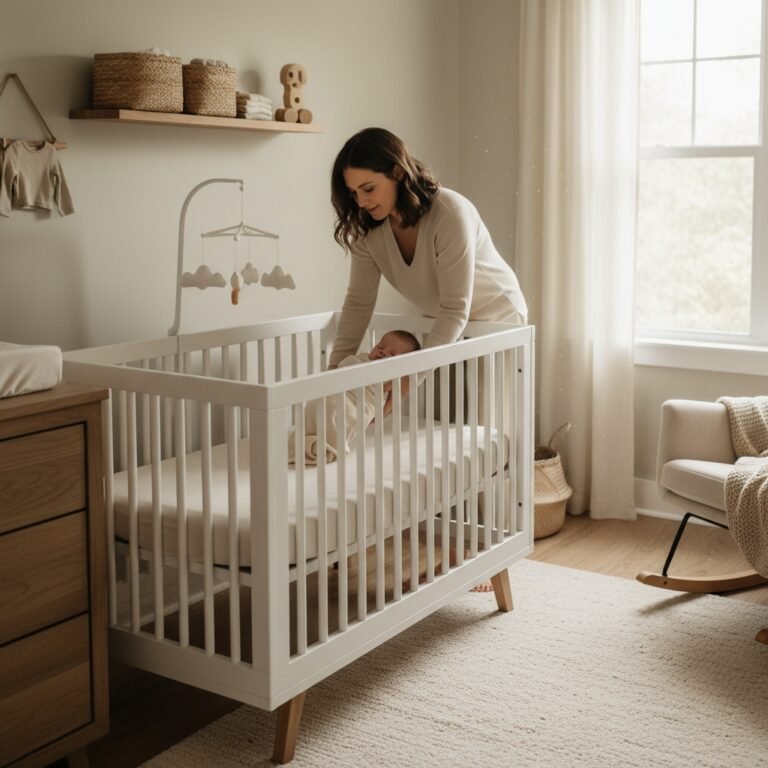
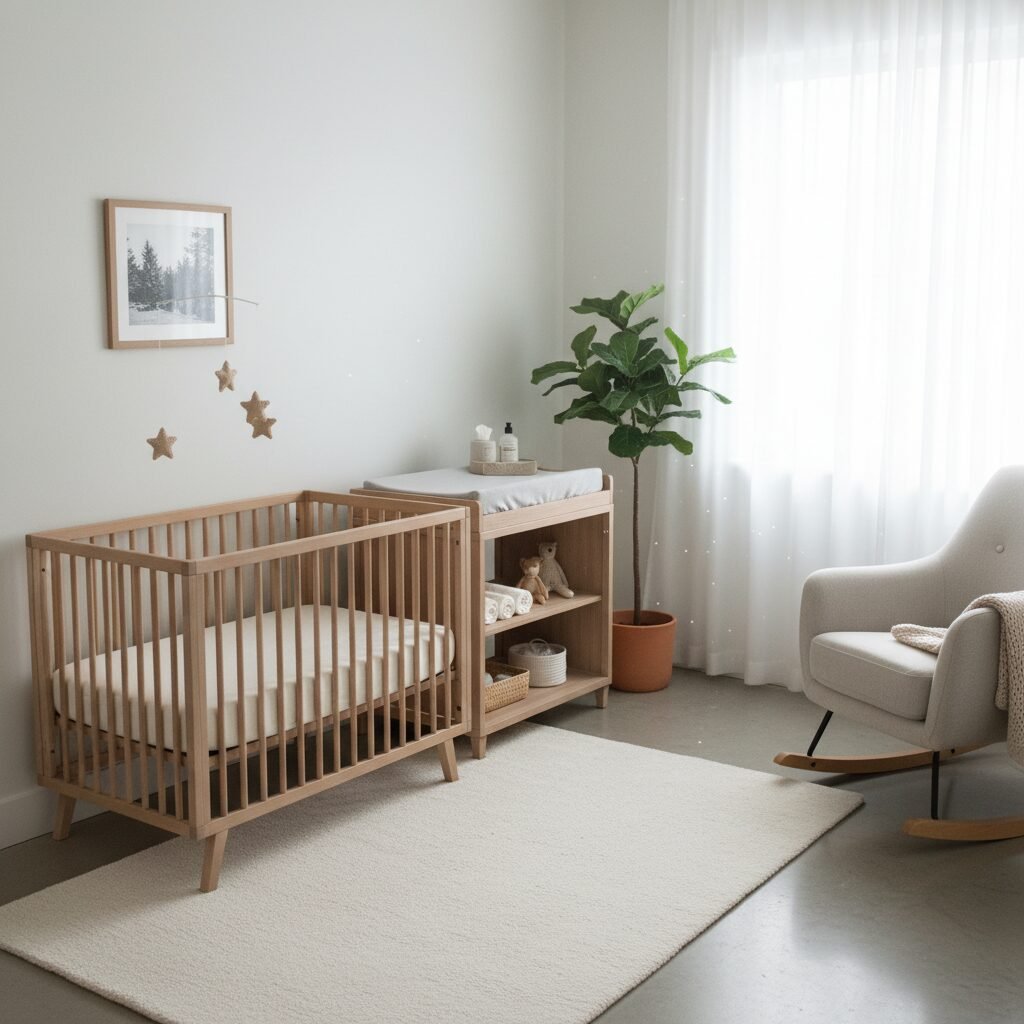
Your baby’s room doesn’t need to look like a page from a catalog. Its primary functions are simple: a safe place to sleep and a space to store their essentials. Everything else is just decoration. When it comes to sleep, the American Academy of Pediatrics (AAP) has clear, evidence-based guidelines for safety.
Must-Haves for Safe Sleep:
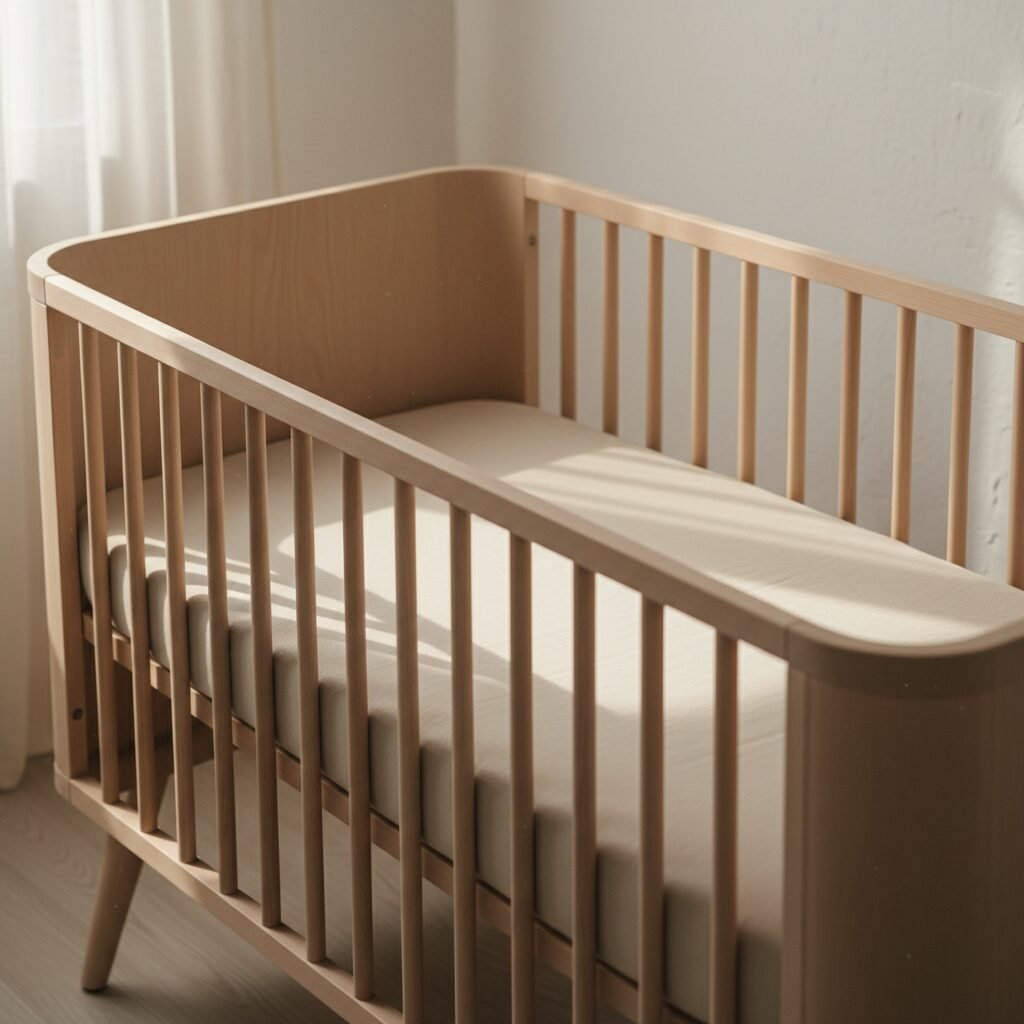
- A Safe Sleep Surface: This could be a standard crib, a bassinet, or a pack-n-play. The key is that it meets current CPSC safety standards. Look for a firm, flat mattress that fits snugly inside the frame with no gaps.
- Fitted Sheets: You’ll want 2-3 waterproof mattress covers and 3-4 fitted sheets. That’s it. Trust me, in the middle of the night, you’ll be glad you have backups.
- Wearable Blankets/Swaddles: Since loose blankets are a major safety hazard, sleep sacks or swaddles are the way to go. Get 2-3 in a newborn size. Swaddles are great for the first couple of months to help with the startle reflex, and sleep sacks are perfect for when they start to roll over.
Safety First! Remember the ABCs of safe sleep: Alone, on their Back, in a Crib (or other safe sleep surface). No bumpers, no pillows, no stuffed animals, and no loose blankets in the sleep area.
What You Can Skip:
Fancy crib bedding sets, crib bumpers (which are now banned for sale in the US due to safety risks), baby pillows, and elaborate mobiles that hang directly over the crib. A simple, bare sleep space is the safest space.
Diapering Done Simply: The Essentials
Diapering Done Simply: The Essentials
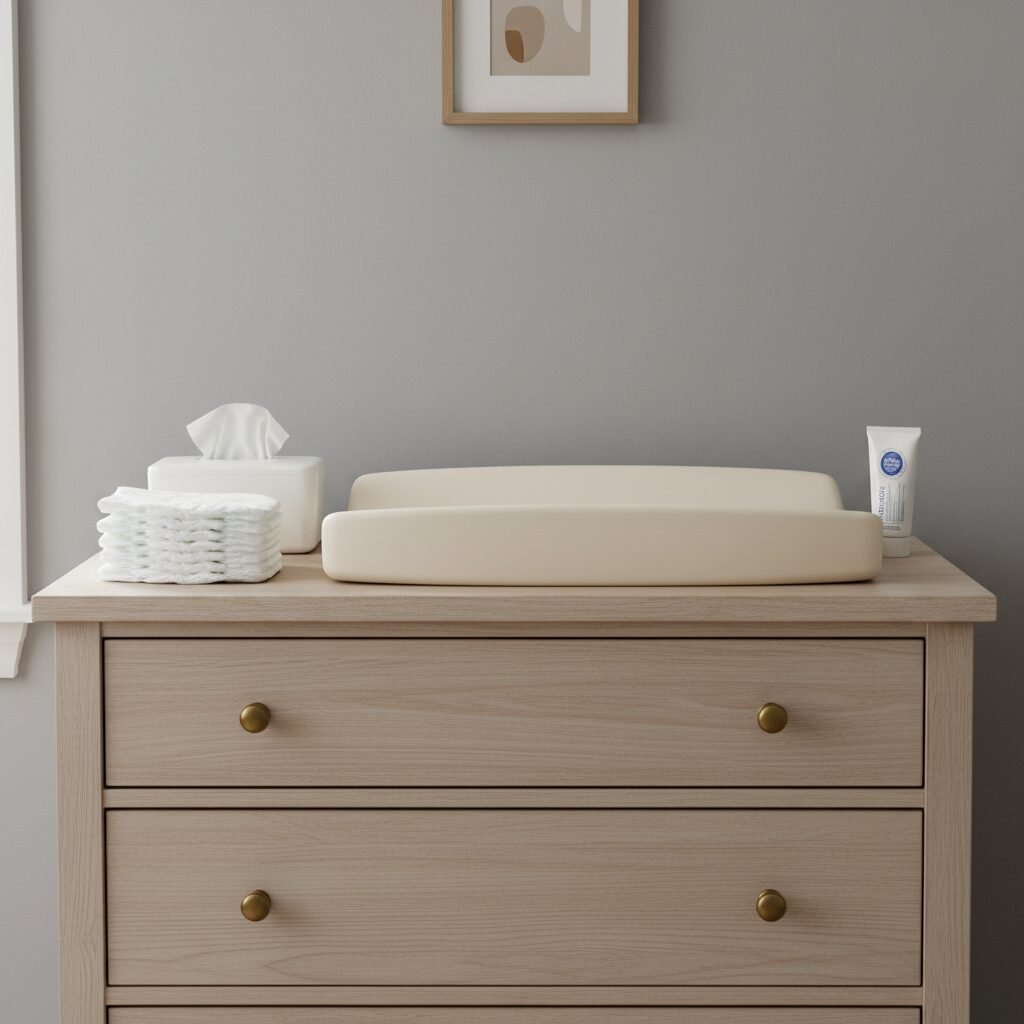
You are going to change a lot of diapers. But the process itself doesn’t require a whole command center of gadgets. Keep it simple, and you’ll have a system that works anywhere, from the nursery to the living room floor.
Core Diapering Items:
- Diapers: Whether you choose disposable or cloth is a personal decision. For disposables, don’t overbuy the newborn size! Many babies outgrow them quickly. Get one or two large boxes of Newborn and Size 1 to start.
- Wipes: A big box of unscented, sensitive wipes is your best friend.
- A Changing Pad: A simple, wipeable contour changing pad is perfect. You can place it on top of a dresser or on the floor. Get 2-3 washable covers for it.
- Diaper Cream: A tube of zinc oxide-based diaper rash cream is a must-have for preventing and treating irritation.
- A Diaper Bag: You need something to carry these essentials in when you’re out. It doesn’t have to be a ‘diaper bag’—any functional tote or backpack will do!
What You Can Skip:
A wipe warmer (room temperature wipes are perfectly fine, and babies get used to them instantly), a dedicated changing table (a low dresser with a pad on top works great and has a longer lifespan), and a Diaper Genie or other specialized diaper pail. A small lidded trash can that you empty daily works just as well and doesn’t require expensive, proprietary bags.
Feeding Essentials (For Every Journey)

Feeding Essentials (For Every Journey)
Feeding your baby is a unique journey, and whether you breastfeed, formula-feed, or do a combination of both, you don’t need a kitchen full of gear. Here are the true essentials for each path.
For Breastfeeding Parents:
- A Good Nursing Bra: Comfort is key. Get 2-3 comfortable, supportive nursing bras.
- Nursing Pads: Leaks happen! A box of disposable or a set of reusable, washable nursing pads will be very helpful.
- A Breast Pump: Thanks to the ACA, most insurance plans cover a personal-grade double electric breast pump. Call your insurance provider early to find out how to get yours!
- Milk Storage Bags or Bottles: If you plan to pump, you’ll need a way to store that liquid gold.
- Nipple Cream: A lanolin-based or other soothing nipple cream can be a lifesaver in the early weeks as you and baby get the hang of latching.
For Formula-Feeding Parents:
- Bottles: Start with a small set of 4-ounce bottles (maybe 4-6 of them). Don’t buy a huge set of one brand, as some babies are picky about nipples. Try a couple of different types first.
- Formula: Talk to your pediatrician about which type to start with. It’s wise to have a canister of ready-to-feed formula on hand for the first few days home, as it’s sterile and requires no mixing.
- A Bottle Brush & Soap: You’ll need a dedicated brush to get into all the nooks and crannies, and a gentle, unscented dish soap.
What You Can Skip:
Bottle sterilizers (washing with hot, soapy water is sufficient for healthy, full-term babies), dedicated formula mixing pitchers or machines, and bottle warmers (many babies are perfectly happy with room temperature or cool milk). You can always warm a bottle by placing it in a mug of warm water if needed.
On-the-Go Gear: Mobility & Simplicity
On-the-Go Gear: Mobility & Simplicity
Getting out of the house with a baby can feel like a major expedition, but your gear doesn’t have to be complicated. Focus on three key items that provide safety and freedom.
The Non-Negotiable Trio:
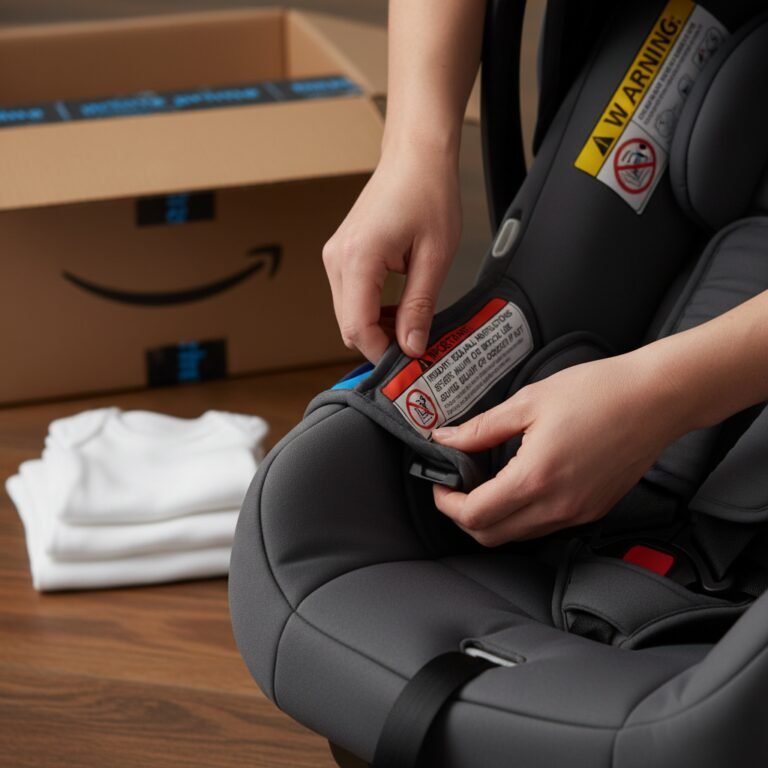
- Infant Car Seat: This is the one item you absolutely must have to bring your baby home from the hospital. Safety is paramount. Do your research on safety ratings, and make sure you have it installed correctly before your baby arrives. Many local fire departments have certified technicians who can check your installation for free.
- A Simple Stroller: You don’t need a massive, all-terrain travel system that costs a fortune. Look for something lightweight that’s easy to fold. A simple frame stroller that your infant car seat can click into is a fantastic, affordable option for the first 6-9 months. After that, a quality umbrella stroller can last for years.
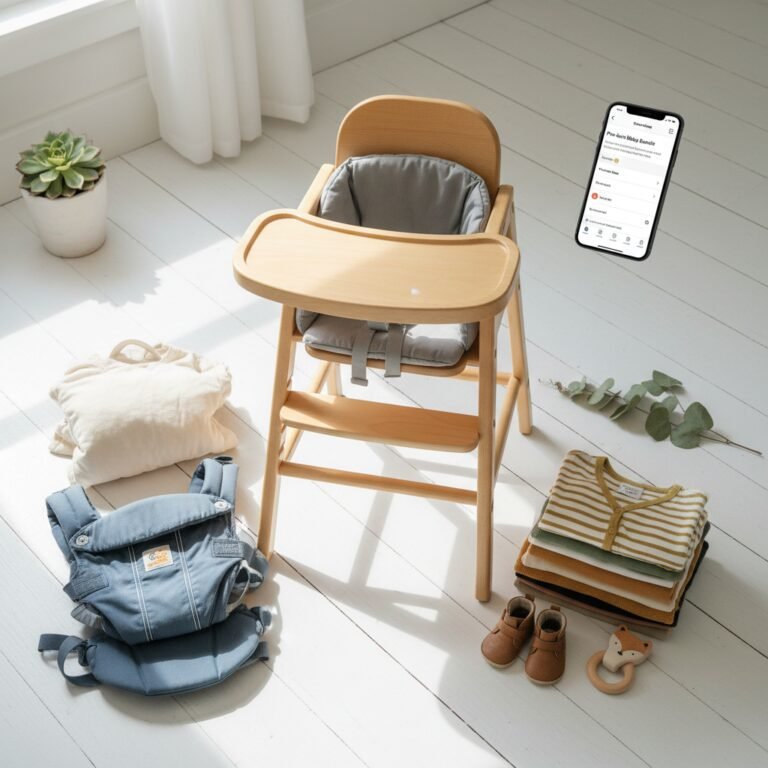
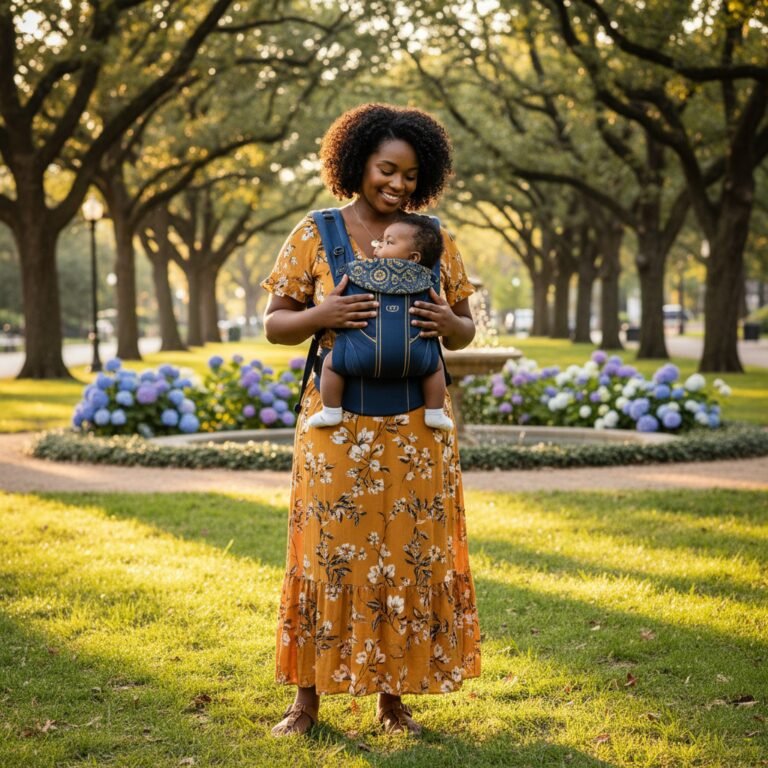
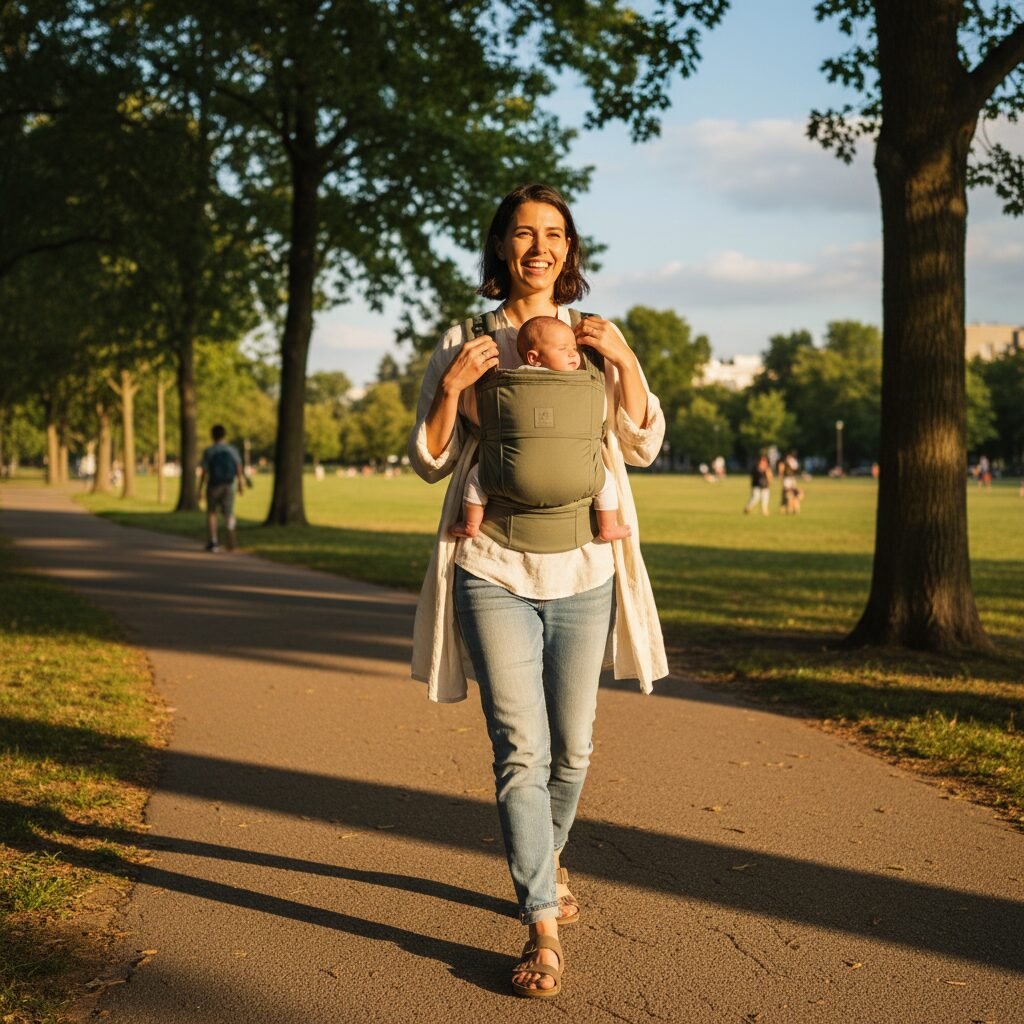
- A Baby Carrier or Wrap: This is a game-changer for so many parents. A soft-structured carrier or a stretchy wrap allows you to be hands-free while keeping your baby close and content. It’s perfect for navigating grocery stores, going for walks, or just getting things done around the house when the baby wants to be held.
Pro Tip: Practice using all of this gear before the baby comes! Learn how to buckle the car seat, fold the stroller, and put on the baby carrier. It will make your first few outings much less stressful.
Clothing & Bathtime: Keep It Cozy & Clean
Clothing & Bathtime: Keep It Cozy & Clean
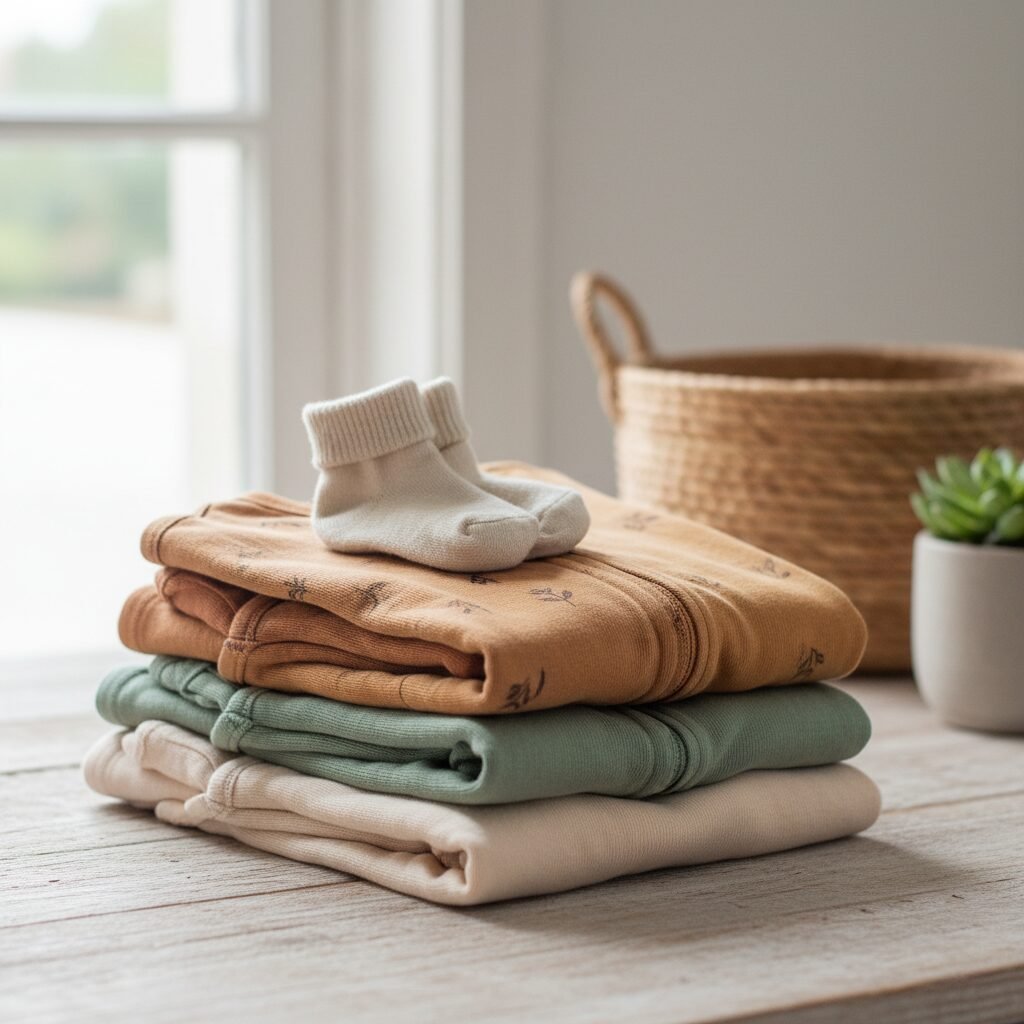
It’s so tempting to buy adorable, tiny outfits, but babies grow at an astonishing rate. For clothing and bathing, think practical, soft, and simple.
A Minimalist Baby Wardrobe:
Focus on easy-to-change items, especially those with zippers for nighttime changes!
- Bodysuits (Onesies): 6-8 in newborn and 0-3 month sizes. These are the workhorse of a baby’s wardrobe.
- Footed Sleepers: 6-8, preferably with zippers. These will be your go-to for sleeping and lounging.
- A Few Pairs of Pants/Leggings: 3-4 pairs to layer over bodysuits.
- Socks or Booties: 4-5 pairs. Babies’ feet get cold!
- A Couple of Hats: A soft cap for indoors if needed, and a season-appropriate hat for outdoors (sun hat or warm beanie).
- A Few Swaddles: As mentioned in the sleep section, these double as light blankets for the stroller or car seat.
Simple Bathtime Routine:
- An Infant Tub: A simple plastic tub or a sink insert works perfectly.
- Hooded Towels: 2-3 soft, hooded towels.
- Washcloths: A small stack of soft baby washcloths.
- Gentle Soap/Shampoo: One bottle of a tear-free, unscented baby wash and shampoo combo is all you need. Newborns only need a bath a few times a week.
That’s it! You can skip the fancy bath toys, towel warmers, and endless bottles of lotions and potions unless your pediatrician recommends them for a specific skin issue.
The ‘Nice-to-Haves’ vs. The ‘Don’t-Needs’
The ‘Nice-to-Haves’ vs. The ‘Don’t-Needs’
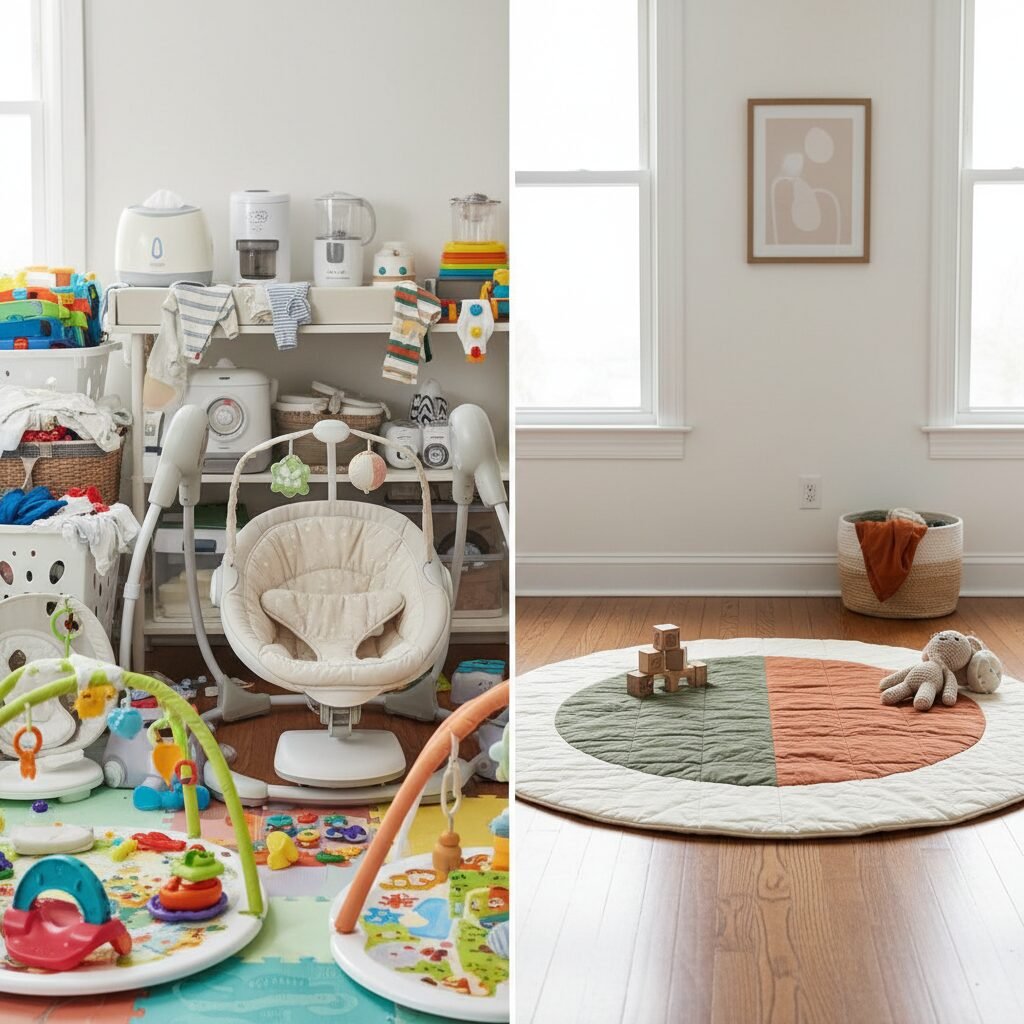
The baby industry is brilliant at marketing. They create ‘problems’ you didn’t know you had and sell you the ‘solution’. My advice is always to wait and see. You can buy almost anything online and have it delivered in a day or two. Don’t clutter your home with items for hypothetical problems. Here’s a quick-reference table to help you distinguish between what might be useful later and what you can likely skip altogether.
| Often Recommended Item | Minimalist Perspective & Alternative |
|---|---|
| Wipe Warmer | Skip it. Your baby will be fine with room-temperature wipes. It’s one more thing to plug in and clean. |
| Diaper Pail System (e.g., Diaper Genie) | Skip it. A small, lidded trash can emptied daily prevents odors without requiring expensive, plastic-heavy refills. |
| Bottle Sterilizer | Skip it. Washing with hot, soapy water or running through the dishwasher is sufficient for most healthy babies. |
| Baby Food Maker | Definitely wait. Your baby won’t eat solids for 4-6 months. A simple blender or fork will work just fine when the time comes. |
| Bumbo Seat | Skip it. These can position babies in a way that is not ideal for hip and spine development. Supervised floor time is best for strengthening muscles. |
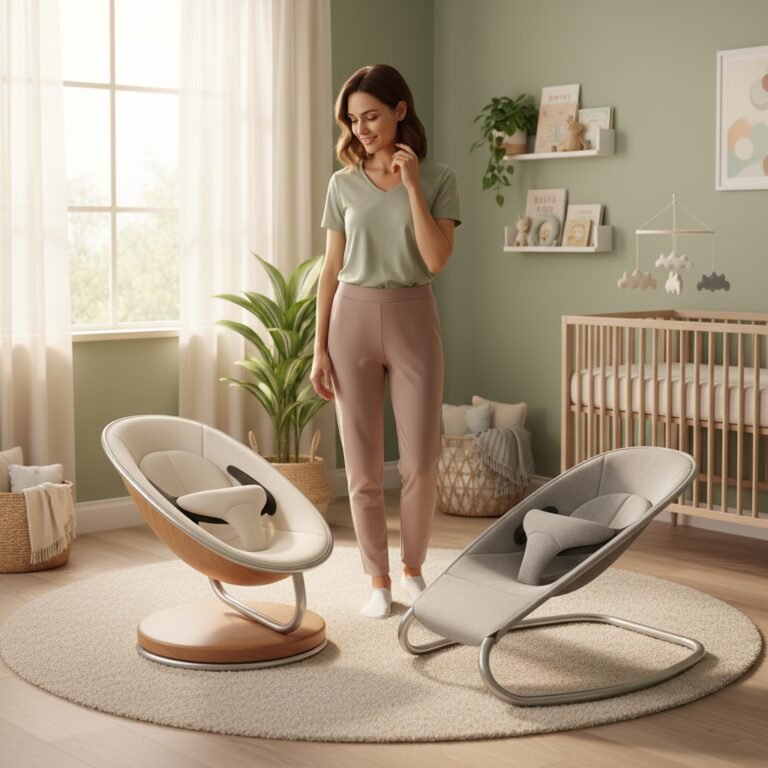
| Baby Swing or Bouncer | This is a ‘nice-to-have’. Some babies love them, some are indifferent. Borrow one from a friend first or buy secondhand if you find you need a safe place to put baby down for a few minutes. |
| White Noise Machine | This can be a ‘nice-to-have’. It can be very helpful for sleep, but a simple app on an old phone or a basic fan can serve the same purpose initially. |
| Baby Monitor | Depends on your living space. If you live in a small apartment, you may not need one. If you have a larger home, a simple audio monitor is often all that’s required. Video monitors are a personal preference. |
Conclusion
See? It’s not so overwhelming when you break it down to the true essentials. Building your baby registry should be a joyful, exciting experience, not a stressful shopping spree. By embracing a ‘less is more’ mindset, you’re not just saving money and space—you’re giving yourself the gift of simplicity. You’re creating a calm, uncluttered environment where you can focus on the incredible journey ahead: getting to know your new baby.
Remember, your baby’s biggest needs are simple: to be fed, to be kept clean and warm, and to be held and loved by you. You’ve got this. Welcome to parenthood—it’s the most amazing, minimalist adventure of all.