

5 Gentle Ways To Soothe Your Baby After Their First Round Of Shots
Taking your baby for their first round of shots is a major milestone. You’re doing something incredible to protect their health for years to come. But oh, that moment afterward. Seeing your sweet, tiny baby upset and uncomfortable can tug at any parent’s heartstrings. You might feel a mix of relief that it’s over and helplessness as they cry. Please hear me when I say: all of those feelings are valid.
As a pediatric nurse, I’ve held the hands of countless new parents through this exact experience. The good news is that the fussiness is temporary, and it’s actually a sign that your baby’s amazing immune system is getting to work. Better yet, there are so many gentle and effective things you can do to be their ultimate comfort zone. This isn’t about ‘fixing’ them, but about supporting them with love and care as their body does its important job. Let’s walk through five simple, soothing strategies to help you and your baby navigate the day or two after their vaccinations with confidence and calm.
First, Let’s Understand What’s Normal (And When to Call the Doctor)

Before we dive into the soothing techniques, it’s crucial to understand what to expect. It can be scary when your usually happy baby is suddenly fussy or warm, but most post-vaccination reactions are completely normal and mild. Think of it this way: their immune system is like a student seeing new material for the first time. It’s studying, learning, and building a powerful defense. This ‘work’ can cause some temporary side effects.
Common and Normal Reactions:
- Low-Grade Fever: A temperature up to 100.4°F (38°C) is common as their body builds immunity.
- Redness or Swelling: You might notice a small, red, slightly swollen, or hard spot at the injection site (usually the thigh). This should fade within a few days.
- Increased Fussiness: Your baby might be more irritable or cry more than usual. This is their main way of saying, ‘I feel a little off today.’
- Extra Sleepiness: Don’t be surprised if your little one takes longer or more frequent naps. Building immunity is tiring work!
- Slight Change in Appetite: They may not be as interested in feeding for a day or so. As long as they are still taking fluids and having wet diapers, this is generally okay.
Your parental intuition is your superpower. While these reactions are normal, you know your baby best. It’s important to know the signs that warrant a call to your pediatrician.
| Normal Reactions (Usually OK) | Call Your Pediatrician (Needs Attention) |
|---|---|
| Fussiness and crying for up to 48 hours | Inconsolable crying for more than 3 hours |
| Low-grade fever under 100.4°F (38°C) | Fever of 100.4°F (38°C) or higher for a baby under 3 months |
| Slight redness or a small lump at injection site | Redness or swelling at the injection site that increases after 24 hours |
| One or two fewer wet diapers than usual | Signs of dehydration (no tears when crying, sunken soft spot, very few wet diapers) |
| More sleepy than usual | Extreme sleepiness, difficulty waking, or seems unusually limp or floppy |
A Reassuring Word: Trust your gut. If you are ever worried about your baby, a call to your pediatrician’s office is never the wrong choice. They are there to support you.
Soothe with Skin-to-Skin and Comfort Holds

When your baby is feeling out of sorts, your touch is the most powerful tool you have. Never underestimate the magic of a good cuddle. Skin-to-skin contact, where the baby is placed directly on your bare chest, is a well-researched, powerful way to provide comfort.
Why Skin-to-Skin is So Effective:
- Regulates Body Temperature: Your chest can actually heat up or cool down to help regulate your baby’s temperature, which is especially helpful if they have a low-grade fever.
- Stabilizes Heart Rate & Breathing: Hearing your heartbeat and feeling your rhythmic breathing helps calm their own systems.
- Reduces Stress Hormones: Studies show that skin-to-skin contact lowers cortisol (the stress hormone) levels in both babies and parents. It’s calming for everyone!
- Promotes Bonding: It releases oxytocin, the ‘love hormone,’ strengthening your connection during a time when they need it most.
To practice skin-to-skin, find a comfortable, quiet place to sit back. Undress your baby down to their diaper and place them on your bare chest, covering you both with a warm, lightweight blanket. Dim the lights, put on some soft music, and just breathe together. You can do this for 20 minutes or for hours—whatever feels right for you both.
Beyond skin-to-skin, simple comfort holds can work wonders. Try swaddling them snugly to help them feel secure, or walk around while holding them in the ‘colic hold’ (draped over your forearm, tummy-down). The goal is closeness. You cannot spoil a baby by holding them, especially when they need reassurance. Right now, you are their safe place.
Offer Comfort Feeds (Breast or Bottle)

For a baby, feeding is about so much more than nutrition—it’s about comfort, connection, and security. The act of sucking is a natural self-soothing mechanism and a powerful pain reliever.
Whether you are breastfeeding or bottle-feeding, don’t be surprised if your baby wants to eat more frequently after their shots. These aren’t always full-on hunger feeds; often, they are ‘comfort feeds.’ They may just nurse or suck on the bottle for a few minutes to find that familiar, calming rhythm.
Tips for Comfort Feeding:
- Follow Their Cues: Forget the clock for a day. If your baby is fussy and showing rooting cues (turning their head, opening their mouth), offer the breast or bottle, even if it hasn’t been very long since their last feed.
- For Breastfeeding Parents: Your breast milk contains antibodies and has anti-inflammatory properties that can be beneficial. Furthermore, the act of breastfeeding has been shown in studies to reduce a baby’s perception of pain. It’s the perfect combination of medicine and love.
- For Bottle-Feeding Parents: The comfort comes from the warm formula, the rhythmic sucking, and being held securely in your loving arms. Hold them close, make eye contact, and let them pace the feed. It’s the act of nurturing that provides the most comfort.
Remember to keep an eye on their wet diapers to ensure they’re staying hydrated, especially if they have a slight fever. But for the most part, lean into the extra feeding sessions as a beautiful way to soothe and reconnect.
Care for That Sore Little Leg

The injection site is often the primary source of discomfort for your baby. Their little thigh muscle is sore! Giving this area some gentle attention can make a big difference in their overall comfort level.
Important Safety Note: Never apply ice or a very cold pack directly to a baby’s sensitive skin. Always use a barrier, and keep it brief.
How to Soothe Injection Site Soreness:
- Use a Cool Compress: Take a clean, soft washcloth, dip it in cool water, wring it out, and gently place it on the sore area for a few minutes at a time. This can help reduce swelling and discomfort. You can do this a few times throughout the day.
- Try a Warm Bath: A warm bath can be wonderfully soothing for sore muscles. The gentle warmth and buoyancy of the water can provide relief. Wait at least a few hours after the shots, and make it a calm, relaxing experience.
- Gentle Motion: If your baby tolerates it, gently moving their legs in a slow, circular ‘bicycle’ motion can help ease stiffness in the muscle. Pay close attention to their cues—if they seem to be in more pain when you do this, stop right away.
- Dress for Comfort: Opt for loose-fitting clothing and diapers. Avoid anything that is tight around their thighs that could put extra pressure on the tender spot. A simple sleep sack or a loose onesie is perfect.
A little tenderness is normal, but if you notice the redness or swelling significantly worsening after 24 hours, it’s a good idea to check in with your pediatrician.
When and How to Use Pain Relievers (After a Chat with Your Doctor)
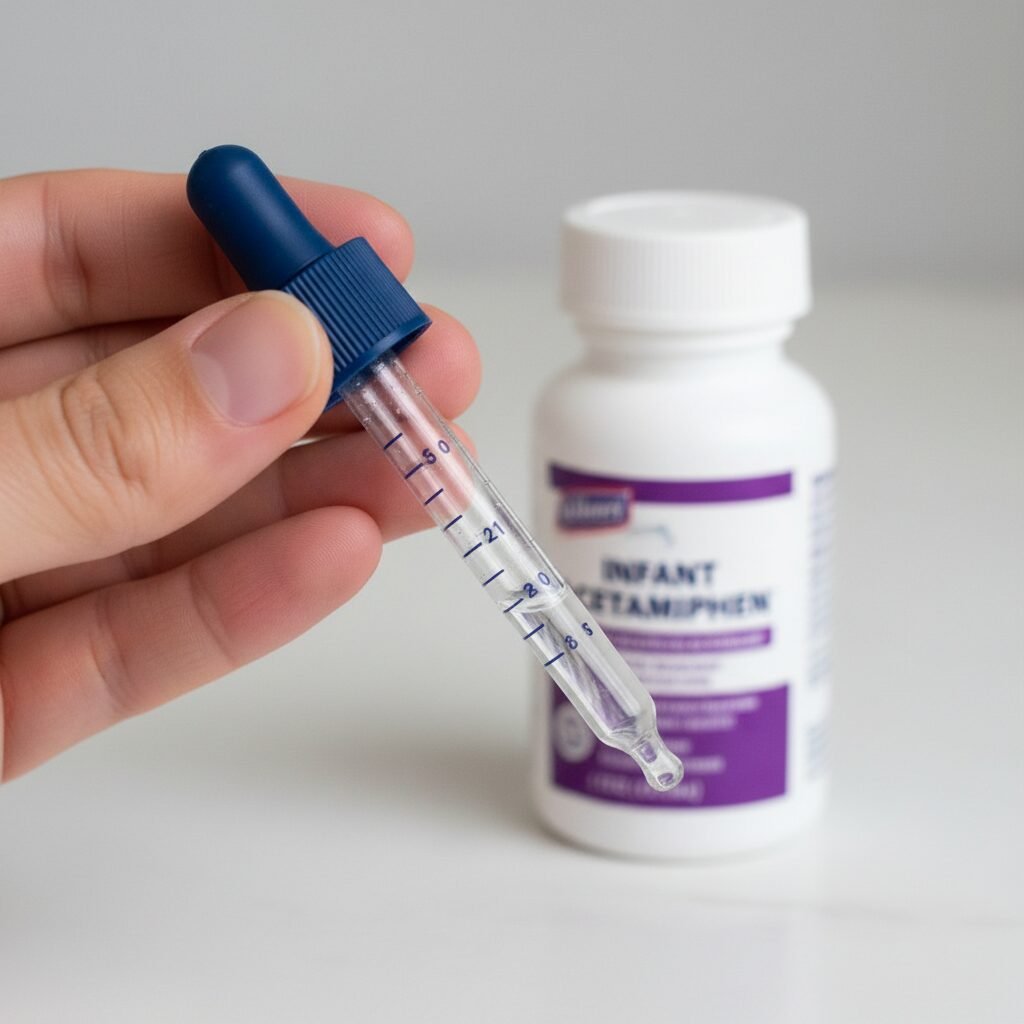
This is a topic that causes a lot of confusion for new parents, so let’s clear it up. While it’s tempting to give your baby something for the pain right away, it’s absolutely essential that you handle medication with care and professional guidance.
First and foremost: Always talk to your pediatrician before giving your baby any medication, including over-the-counter pain relievers.
Your doctor’s office will give you specific advice based on your baby’s age, weight, and health history. Some pediatricians may recommend a dose of infant acetaminophen before the appointment, while many others now recommend waiting to see if your baby develops a fever or seems significantly uncomfortable afterward. There is some research suggesting that giving pain relievers preventatively might slightly blunt the immune response, which is why many providers now advise a ‘wait-and-see’ approach.
If Your Doctor Recommends Medication:
- Know the Right Type: For babies under 6 months old, acetaminophen (like infant Tylenol) is typically the only recommended option. Ibuprofen (like infant Motrin or Advil) is generally not recommended for infants younger than 6 months.
- Dosing is Based on WEIGHT, Not Age: This is the most critical rule. The correct dose is calculated based on your baby’s current weight. Your pediatrician will provide you with the exact amount to give. Never guess or use the age guidelines on the package.
- Use the Correct Syringe: Always use the special dosing syringe or dropper that comes with the infant medication. Kitchen spoons are not accurate and can lead to dangerous dosing errors.
CRITICAL SAFETY WARNING: Never, ever give a baby or child aspirin. It is linked to a rare but serious condition called Reye’s syndrome.
Medication can be a helpful tool to get your baby through the peak of their discomfort, but it should always be used as a second line of defense after you’ve tried comfort measures, and only with the green light from your healthcare provider.
Conclusion
The 24 to 48 hours after vaccinations can feel long, but this period of fussiness will pass. Remember the gentle tools you have at your disposal: the unmatched power of your touch, the comfort of a warm feed, the soothing rhythm of your movement, and targeted care for their sore leg. By responding to their needs with patience and love, you are teaching them that you are their safe harbor in any storm.
You got through the appointment, and you will get through this, too. Be kind to yourself, take a deep breath, and soak in the extra cuddles. You are doing an incredible job protecting and nurturing your baby. This is just one of the first of many times you’ll be their ultimate comfort, and you are more than capable. You’ve got this.