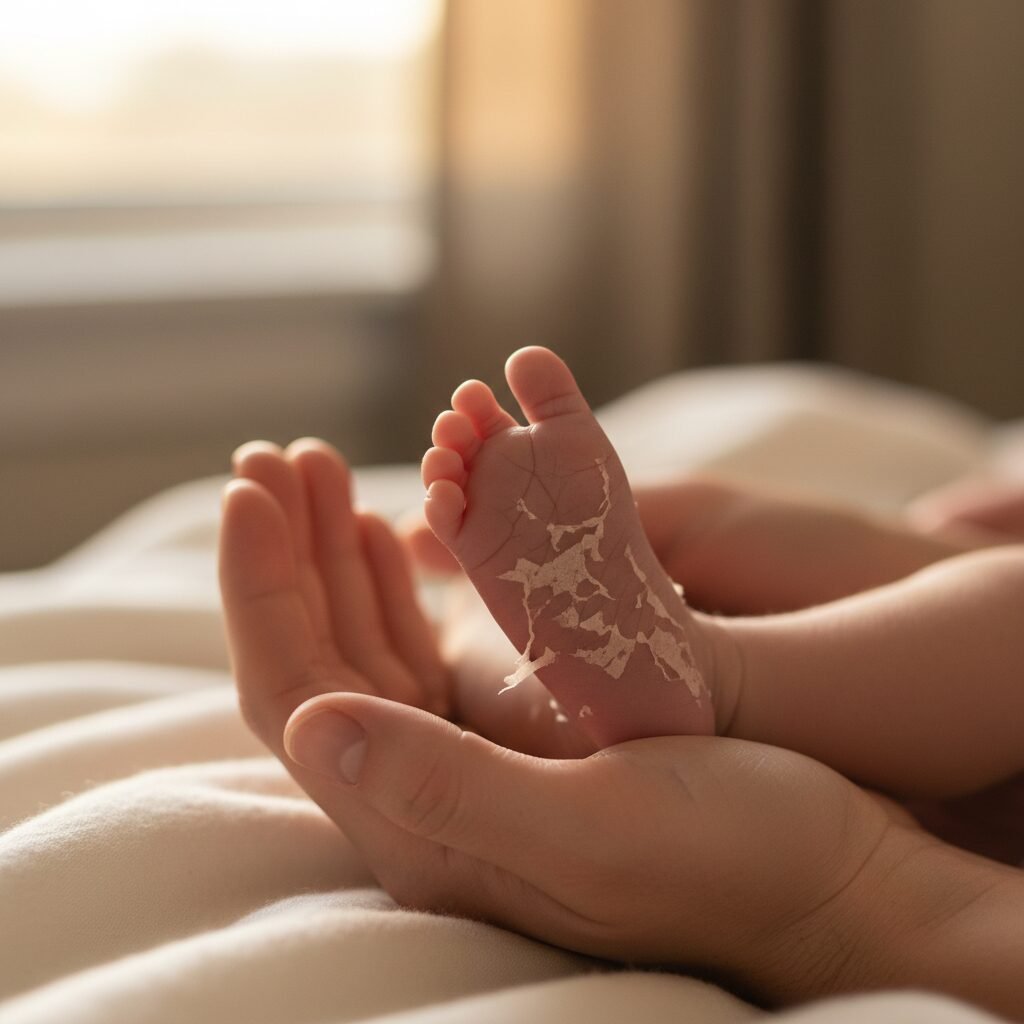
Why Is My Baby Peeling? 5 Skin Care Mistakes New Moms Make
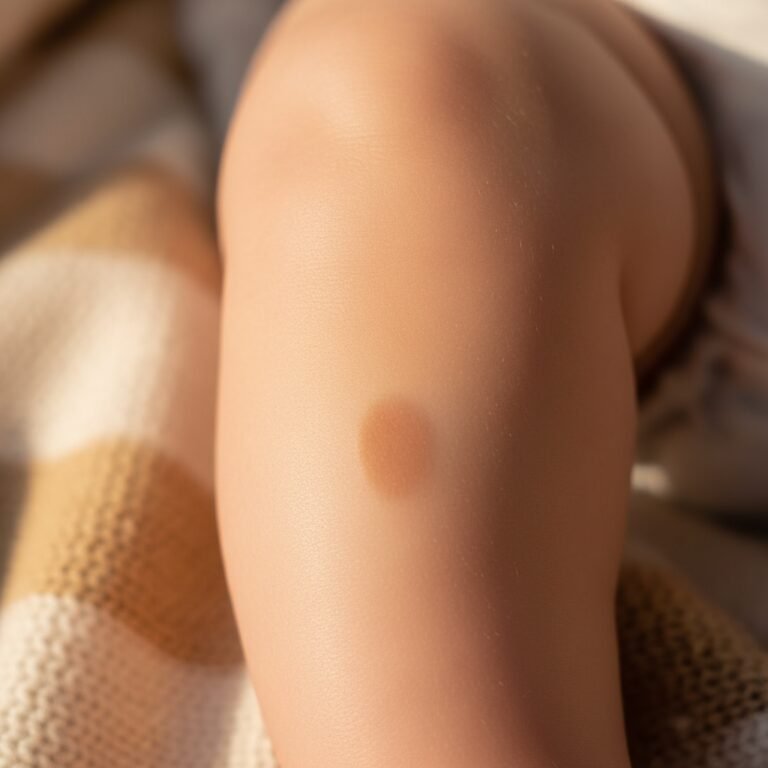
You’ve spent weeks, maybe months, dreaming of your perfect newborn. You picture their tiny fingers, their button nose, and that impossibly soft, smooth baby skin. Then, a few days after you bring them home, you notice it: flaking. Peeling. Your baby’s skin looks dry and is shedding like a tiny snake! It’s enough to send any new parent into a spiral of worry. Am I doing something wrong? Is their skin okay?
Take a deep, calming breath, mama or papa. I’m here to tell you, as a pediatric nurse who has seen thousands of newborns, that this is almost always 100% normal. It’s a natural part of their transition from their watery home in the womb to the dry air of the outside world.
While the peeling itself is nothing to worry about, how we care for their delicate skin during this phase matters. It’s easy to make well-intentioned mistakes that can cause irritation. So, let’s explore the beautiful biology behind that peeling skin and then dive into the five most common skincare slip-ups new parents make, so you can feel confident and keep your baby comfortable.
It’s Not You, It’s Biology: Why Newborns Shed Their Skin
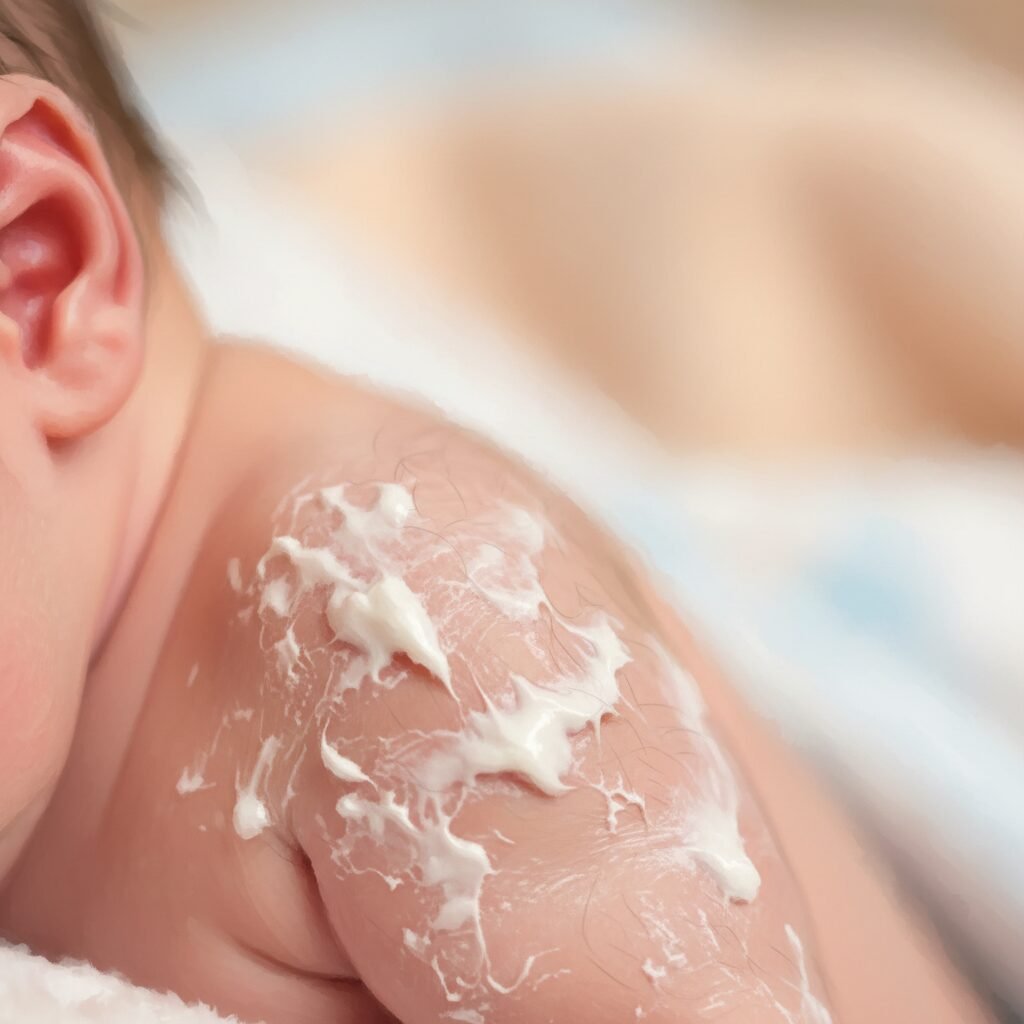
Before we talk about mistakes, let’s get one thing straight: you didn’t cause this! Your baby’s peeling skin is a sign of a healthy, natural process. For nine months, your little one was floating in amniotic fluid. To protect their skin from becoming waterlogged, they were covered in a thick, waxy, cheese-like coating called vernix caseosa. This amazing substance acted as a waterproof barrier and moisturizer in the womb.
Once your baby is born and exposed to the air, the vernix is washed away or absorbed. The top layer of their skin, which was perfectly adapted to a liquid environment, now begins to dry out and shed to make way for the new, mature skin underneath. Think of it as their first-ever exfoliation treatment!
A Few Factors to Note:
- Timing is Everything: Babies born a little past their due date often peel more than premature or full-term babies because they’ve had less vernix protecting them in the final days or weeks of pregnancy.
- Location, Location, Location: You’ll most commonly see this peeling on their hands and feet, but it can happen all over their body.
- It Doesn’t Hurt: This shedding process is completely superficial and doesn’t bother your baby at all. The skin underneath is healthy and soft.
So, the next time you see a little flake of skin, don’t panic. Instead, marvel at your baby’s incredible ability to adapt to their brand-new world.
Mistake #1: The Bathtub is Too Tempting (Over-Bathing)
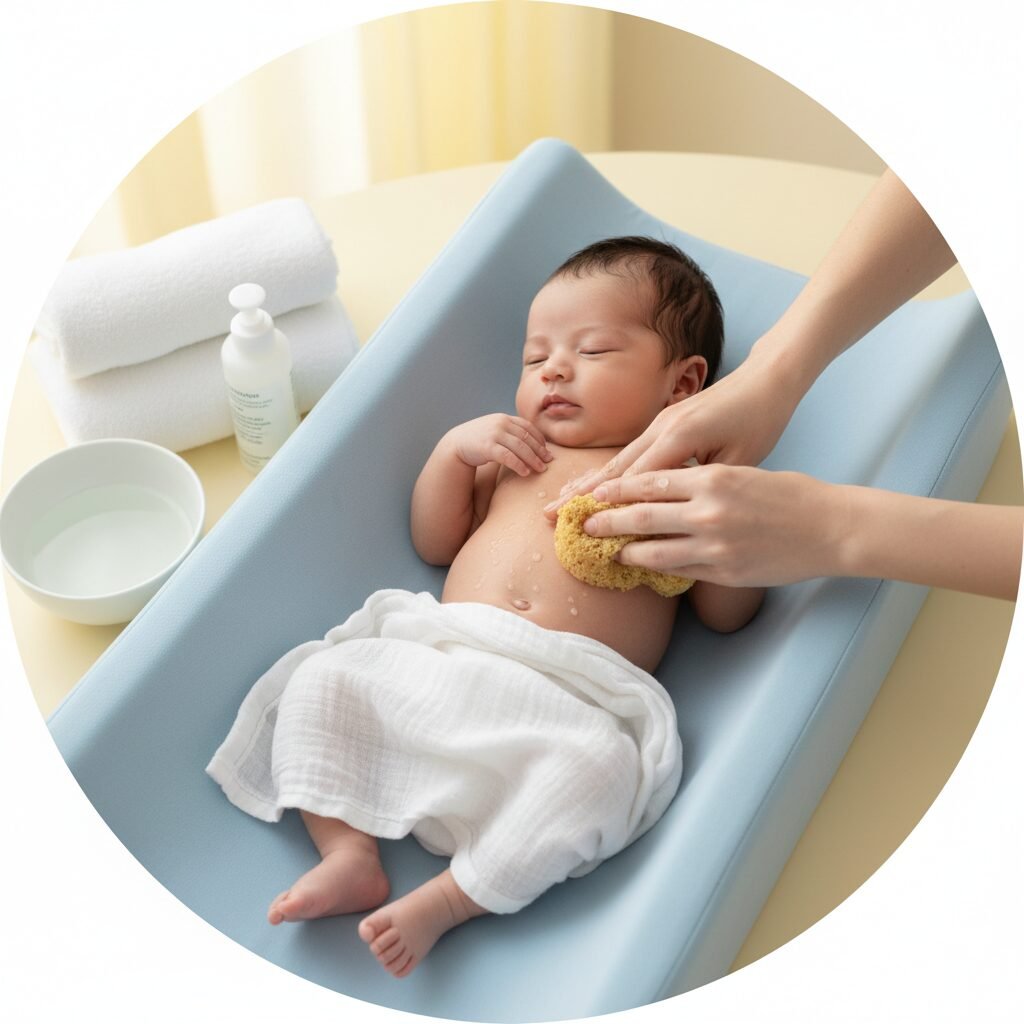
That image of a happy, splashing baby in a tub is iconic, and a warm bath can feel like a lovely bonding ritual. It’s so tempting to want to bathe your little one every day, especially after a particularly messy diaper change. However, when it comes to newborn skin, less is definitely more.
Water, especially warm or hot water, strips away the natural oils (called sebum) that protect the skin and keep it moisturized. Over-bathing a newborn can disrupt their delicate skin barrier, leading to dryness, irritation, and worsening the natural peeling process.
Your Gentle Bathing Guide:
- Frequency: Until the umbilical cord stump falls off, stick to gentle sponge baths. After that, two to three baths per week is plenty for a newborn. They aren’t getting dirty playing in the mud, after all!
- Duration: Keep bath time short and sweet—aim for just 5 to 10 minutes.
- Temperature: Use lukewarm water, not hot. A good way to test it is with your wrist or elbow; it should feel comfortably warm, not hot.
A Nurse’s Tip: Think of it this way: the goal of a newborn bath isn’t a deep scrub. It’s a quick, gentle clean of the important bits (like the diaper area, neck folds, and armpits) while keeping the rest of their skin’s protective barrier intact.
Mistake #2: Reaching for Harsh Soaps & Scented Lotions
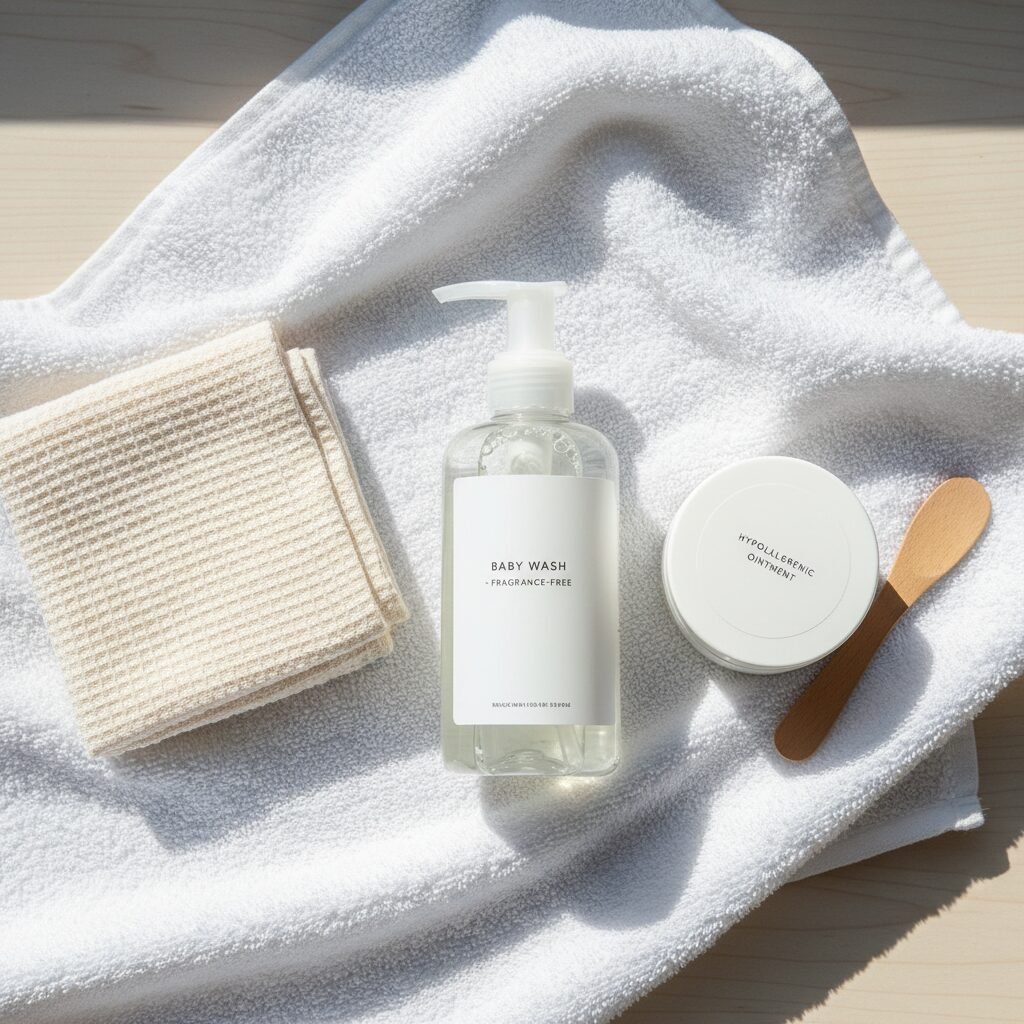
Walking down the baby aisle, you’re bombarded with products that smell like powder, lavender, and chamomile. They promise a calm, happy, sweet-smelling baby. But here’s a secret: your newborn’s skin doesn’t need any of that. In fact, those very fragrances and chemicals can be major irritants.
A newborn’s skin is significantly thinner and more permeable than an adult’s, making it incredibly sensitive. The dyes, fragrances, and harsh detergents found in many standard soaps (even some marketed for babies!) can cause dryness, allergic reactions, and rashes like eczema.
For the first month or two, plain water is all you need for bathing. If you must use a cleanser, choose one that is specifically designed for newborns and is free of potential irritants.
Product Ingredient Cheat Sheet:
| Look For These (The Good Stuff) | Avoid These (The Irritants) |
|---|---|
| Fragrance-Free / Unscented | Fragrance / Parfum |
| Hypoallergenic | Dyes (e.g., FD&C Blue No. 1) |
| pH Neutral / pH Balanced | Sulfates (SLS, SLES) |
| Simple Ointments (like petroleum jelly) | Alcohol (can be very drying) |
| Ceramides, Glycerin | Essential Oils (too strong for newborns) |
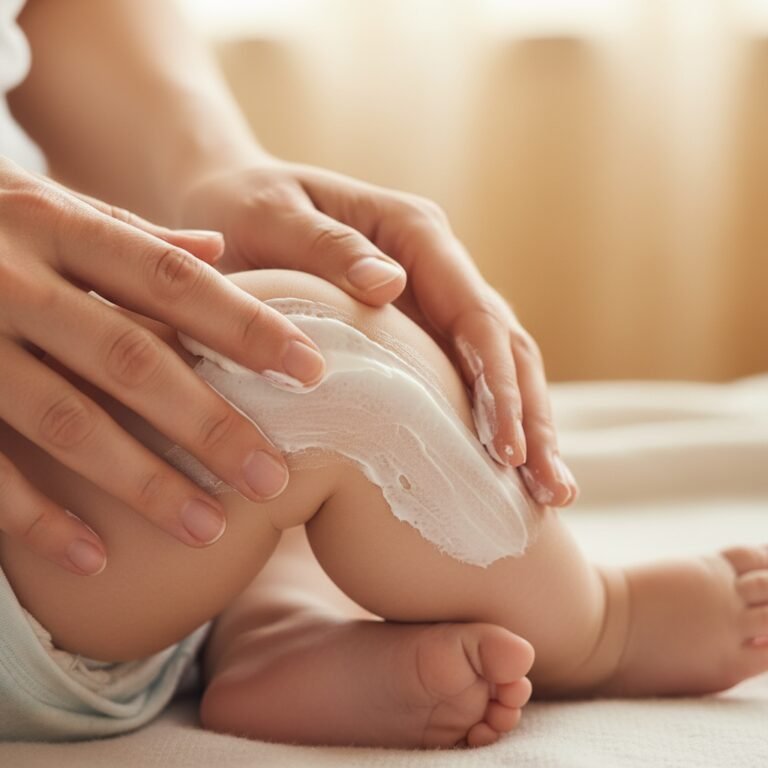
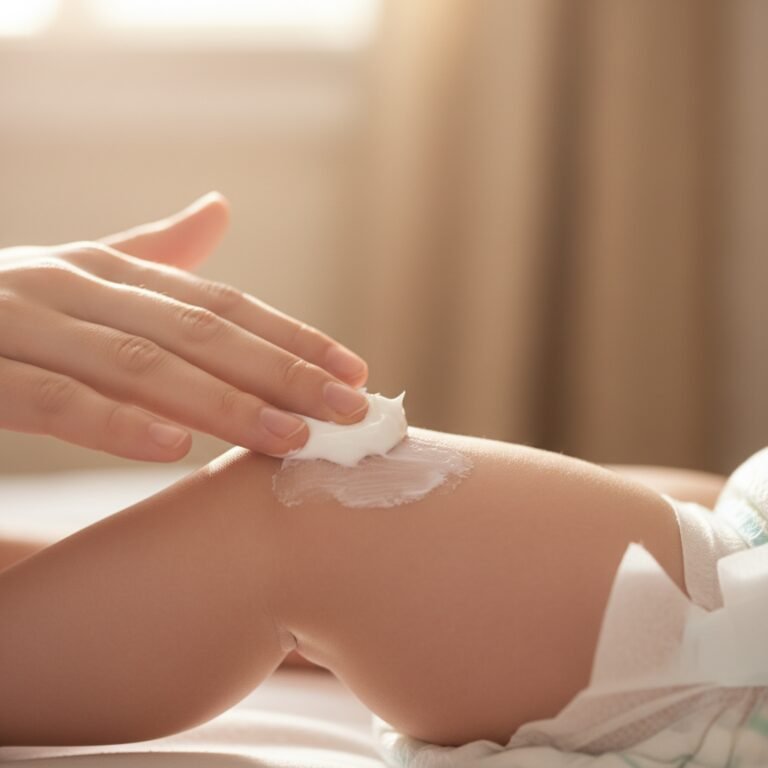
When it comes to moisturizing, if your baby’s skin seems particularly dry (beyond the normal peeling), skip the thin, watery, scented lotions. Opt for a thick, fragrance-free cream or ointment. Apply a thin layer right after patting them dry from a bath to lock in moisture.
Mistake #3: The Vigorous Towel Rub-Down
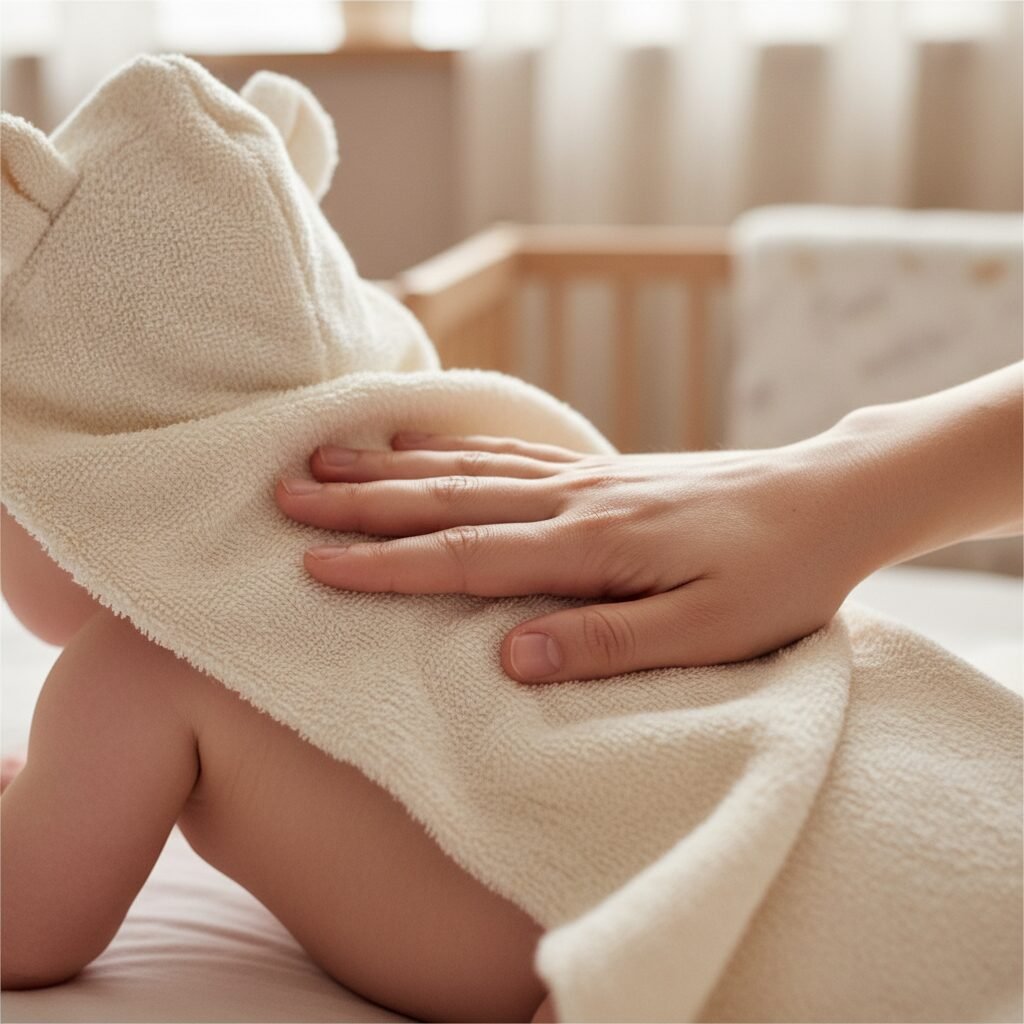
Once bath time is over, your instinct is to get your baby warm and dry as quickly as possible. You grab a fluffy towel and give them a good, brisk rub-down. While the intention is perfect, the execution can be tough on their skin. The friction from rubbing a towel back and forth is abrasive to that new, delicate top layer of skin. It can slough off skin that isn’t ready to come off yet, leading to redness and irritation.
The solution is simple: pat, don’t rub.
After lifting your baby from the bath, lay them on a soft, dry towel (a hooded one is great for keeping their head warm!). Then, gently pat their skin dry. Take your time and be methodical. Pay special attention to the little nooks and crannies where moisture can hide, as trapped dampness can lead to skin irritation. Gently pat dry between:
- Those adorable neck folds
- Under the arms
- In the diaper area
- Between their tiny fingers and toes
This simple switch from rubbing to patting makes a huge difference in protecting their skin’s integrity during this sensitive peeling phase.
Mistake #4: Bundling Up Like It’s a Blizzard
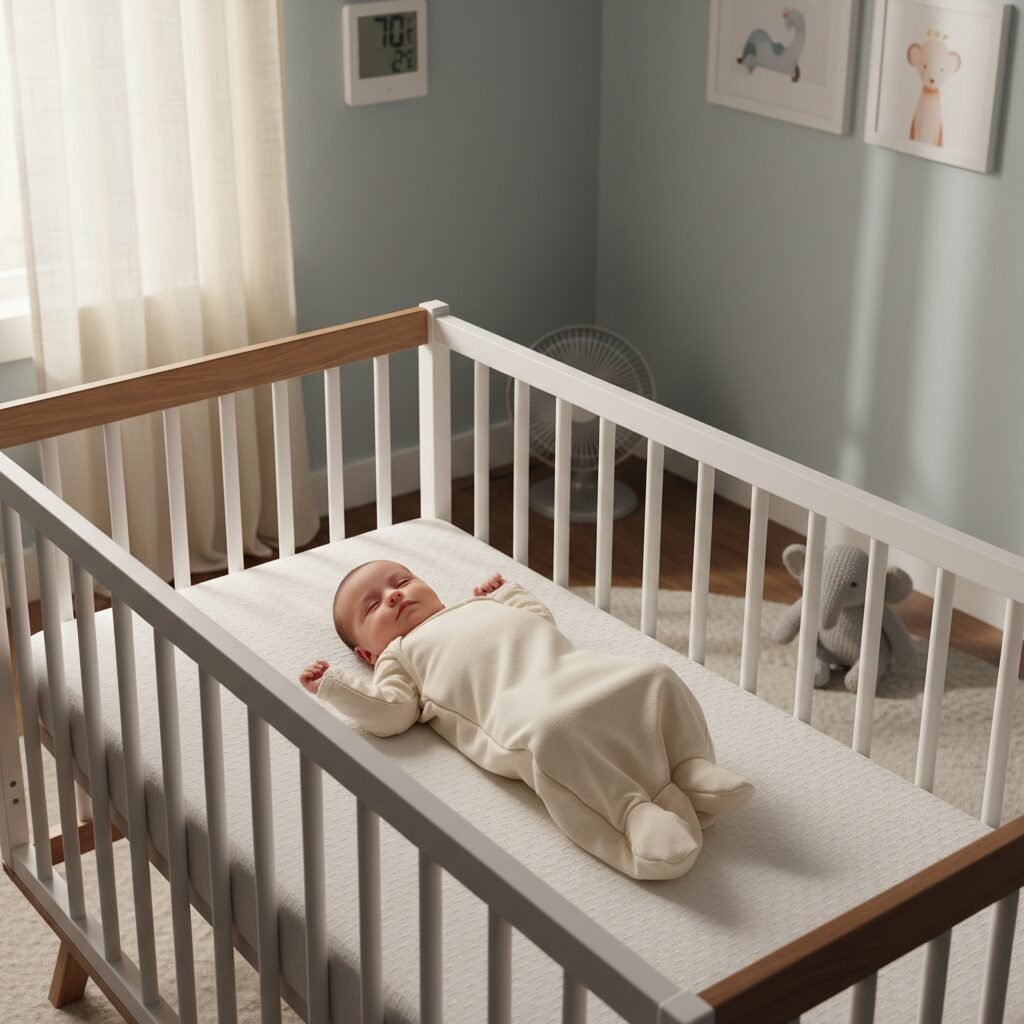
As new parents, we’re programmed to worry about our baby being cold. This often leads to over-bundling: too many layers, thick blankets, and warm hats indoors. While keeping a baby warm is important, overheating is a common problem that can directly affect their skin.
Overheating causes your baby to sweat. That sweat can get trapped against their skin, clogging pores and leading to irritation and heat rash (miliaria). These tiny red bumps can make dry, peeling skin even more uncomfortable and inflamed.
How to Dress for Skin Success:
- The One-Layer Rule: A great rule of thumb is to dress your baby in one more thin layer than what you are comfortably wearing indoors. For example, if you’re comfortable in a t-shirt, your baby might be comfortable in a cotton long-sleeved onesie and a light swaddle.
- Fabric Matters: Choose soft, breathable fabrics like cotton or bamboo. Avoid synthetic materials like polyester, which can trap heat and moisture.
- The Neck Check: Not sure if your baby is too hot? Don’t judge by their hands or feet, which often feel cool to the touch. Instead, feel the back of their neck or their chest. If it’s sweaty or hot, it’s time to remove a layer.
By dressing your baby appropriately, you help them regulate their body temperature, prevent irritating heat rashes, and allow their skin to breathe and heal naturally.
Mistake #5: Picking or ‘Helping’ the Flakes

This is perhaps the most tempting mistake of all. You see a large piece of skin peeling from your baby’s palm, and your fingers just itch to peel it off for them. It looks like it’s ready to go, and you just want to “help” tidy it up. Please, resist the urge!
That peeling skin is acting as a natural, protective barrier for the brand-new, sensitive skin underneath. Pulling it off before it’s ready can expose skin that isn’t mature enough for the open air, potentially causing soreness and irritation.
Important Safety Warning: Picking at peeling skin can create tiny breaks or openings in the skin’s surface. Your fingernails can introduce bacteria into these openings, which can lead to a skin infection. It is crucial to let the skin slough off on its own timeline.
Trust the process. Your baby’s body is incredibly smart. It knows exactly when that top layer has done its job and is ready to be shed. Your role is simply to keep the area clean and dry and let nature do its work. It’s a fantastic first lesson in parenthood: sometimes, the most helpful thing we can do is nothing at all.
When to Call the Pediatrician

While newborn peeling is almost always normal, it’s also important to trust your parental instincts. You know your baby best. If something seems off, it is never wrong to call your pediatrician for peace of mind. They are there to support you.
Reach out to your doctor if you notice any of the following signs along with the peeling:
- Cracks in the Skin: Especially if the cracks are deep, bleeding, or oozing fluid.
- Signs of Infection: Look for excessive redness, swelling, warmth to the touch, or pus-filled bumps.
- Extreme Irritability: If your baby seems unusually fussy, uncomfortable, or is crying inconsolably when the peeling areas are touched.
- A Persistent Rash: If the peeling is accompanied by blisters, pimples, or a widespread rash that doesn’t go away.
- Fever: A rectal temperature of 100.4°F (38°C) or higher in a newborn is always a reason to call the doctor immediately.
- Feeding Issues: If skin issues are accompanied by a lack of interest in feeding or lethargy.
Again, 99% of the time, peeling is just peeling. But for that other 1%, your pediatrician is your best resource for ensuring your baby is healthy and safe.
Conclusion
Navigating the newborn stage is a journey filled with love, wonder, and a whole lot of questions. Seeing your baby’s skin peel is just one of the many firsts that might take you by surprise. Remember, this shedding is a sign of their healthy adaptation to life outside the womb. It’s a temporary phase that will pass before you know it.
By avoiding these five common mistakes—over-bathing, using harsh products, rubbing instead of patting, overheating, and picking—you’re doing everything right. You’re protecting their delicate skin barrier and allowing their body to do its amazing work. Your approach to skincare in these early days should be simple: less is more. Be gentle, be patient, and soak in every perfect, flaky moment. You’ve got this!