Does It Smell? When to Worry About Your Baby’s Umbilical Cord Stump
Hey there, new parent. Welcome to the club of lovingly inspecting every single inch of your perfect new baby. It’s a place where a tiny sneeze can send you down a rabbit hole of internet searches, and an unfamiliar smell can cause a wave of panic. Let’s talk about one of the first things you’ll get to know intimately: that little umbilical cord stump. It’s a funny-looking thing, isn’t it? And sometimes, it can have a bit of an odor. Your first thought might be, ‘Is that normal? Does it smell bad? Is something wrong?’
Take a deep breath. You’re in the right place. As a pediatric nurse and lactation consultant, I’ve seen thousands of tiny belly buttons, and I’m here to walk you through everything you need to know. We’ll cover what’s totally normal during the healing process, how to care for the stump like a pro, and, most importantly, the clear, no-nonsense signs that mean it’s time to pick up the phone and call your pediatrician. You’ve got this, and we’re going to figure it out together.
What’s Normal? Understanding the Umbilical Cord Stump’s Healing Journey
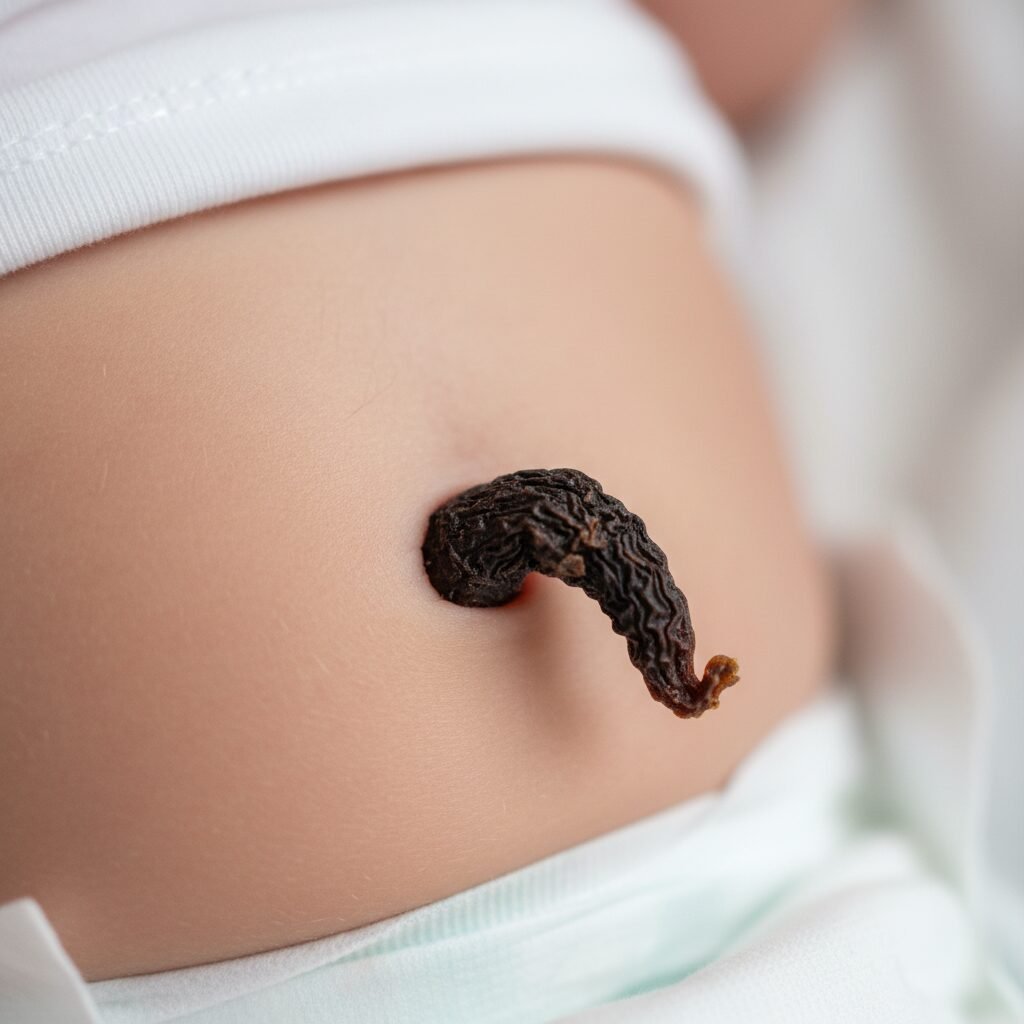
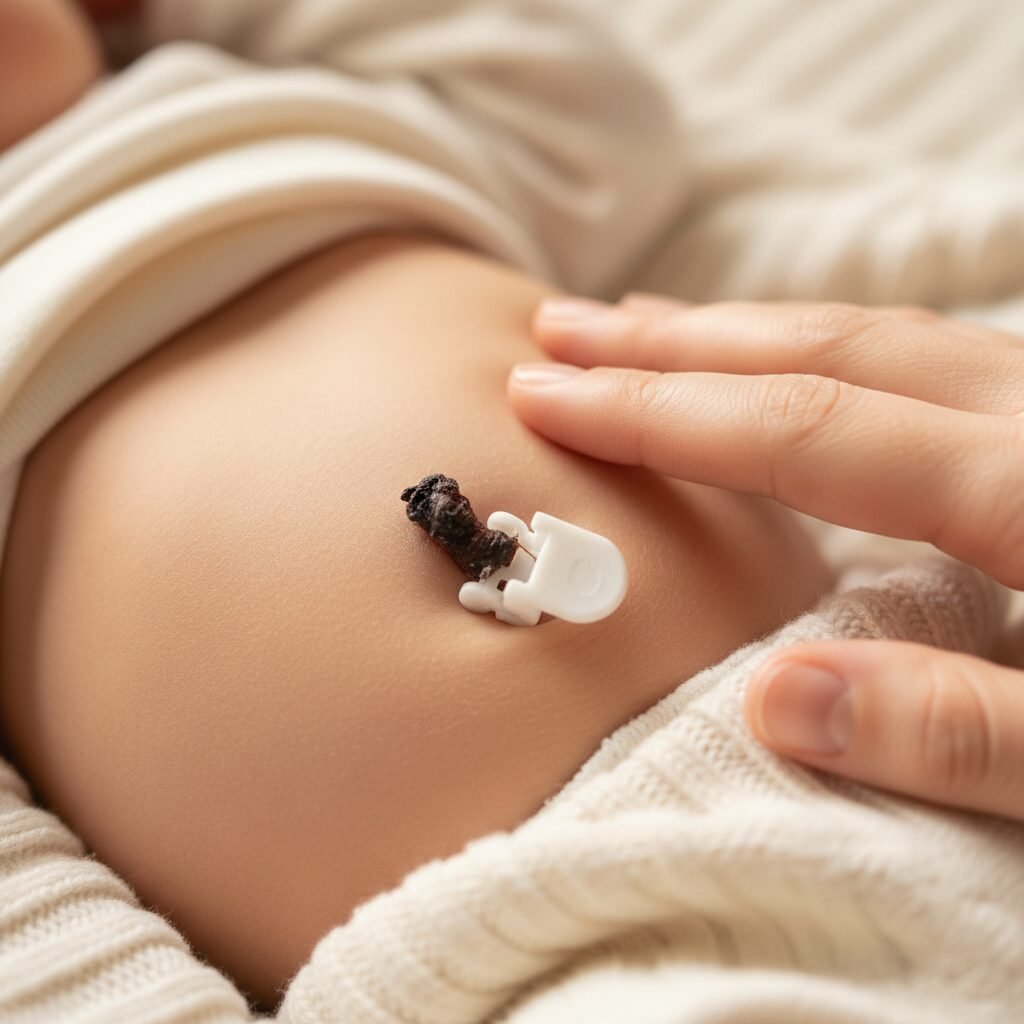
Before we talk about warning signs, let’s get comfortable with what the normal healing process looks like. The umbilical cord was your baby’s lifeline in the womb, and now that they’re here, this little stump is simply the leftover bit that needs to dry up and fall off to reveal their cute little belly button. This whole process usually takes about one to three weeks.
Here’s what you can expect to see on this journey:
- Color Changes: Right after birth, the stump will be soft and yellowish-white. As it starts to dry, it will shrink and harden, turning brownish and eventually black. This is just like a scab and is a great sign that it’s healing properly.
- A Little Crustiness: It’s common to see some crusty material at the base of the stump. You might also notice a tiny bit of dried blood, especially as it gets closer to falling off. This is usually from the stump wiggling and separating from the skin—totally normal.
- The Separation: One day, you’ll open your baby’s onesie and the stump will be gone, or maybe it will be hanging on by a thread in their diaper. Both are normal! Underneath, you’ll find a small, reddish spot that will heal over the next few days.
A Gentle Reminder: Please, resist the temptation to pull or wiggle the stump off, even if it seems like it’s barely attached. Let it fall off completely on its own to prevent bleeding or opening a wound that could get infected.
The Smell Test: Distinguishing Normal Odors from Worrisome Scents
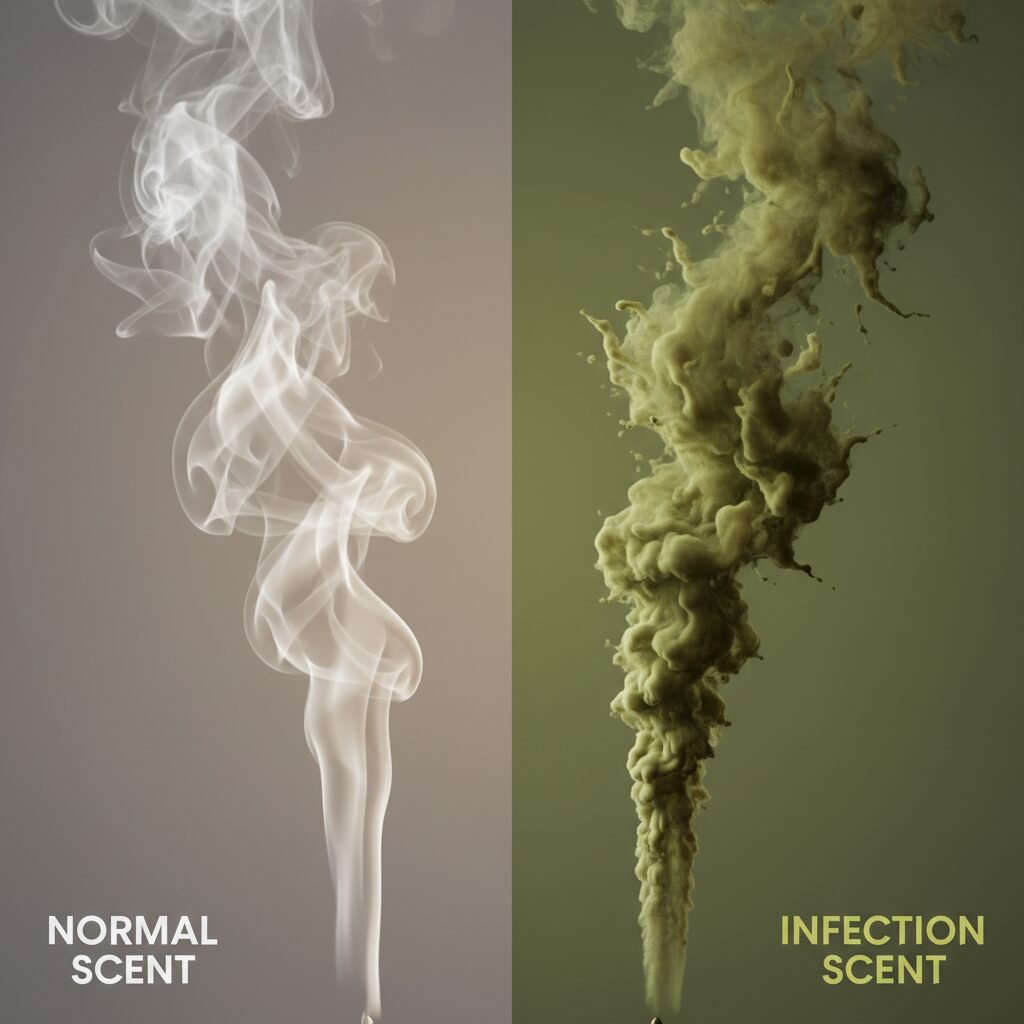
Okay, let’s get right to the heart of the matter—the smell. Yes, the umbilical cord stump can have a slight odor, and it doesn’t automatically mean something is wrong. Remember, it’s decaying tissue. A mild, ‘earthy,’ or slightly ‘funky’ smell is often just part of the natural process of it drying and separating. Think of it like a scab; it doesn’t smell like fresh flowers.
However, your parental nose is a powerful tool. The key is to distinguish between a mild, organic smell and a truly foul, pungent odor that indicates an infection. Here’s a simple breakdown to help you tell the difference:
| Type of Odor | What It Likely Means |
|---|---|
| Mild, slightly musky, or metallic | This is typically a normal part of the healing process. The tissue is drying out, and a bit of old blood might be present. As long as there are no other signs of infection, this is usually nothing to worry about. |
| Foul, pus-like, or rotten-smelling | This is a red flag. A strong, unpleasant odor that makes you recoil is your cue that bacteria might be at play. This kind of smell is almost always accompanied by other signs of infection. |
Trust your instincts. If the smell seems ‘off’ or is getting stronger, it’s worth paying closer attention and looking for the other signs we’re about to discuss.
Beyond the Smell: Red Flags That Signal an Infection (Omphalitis)
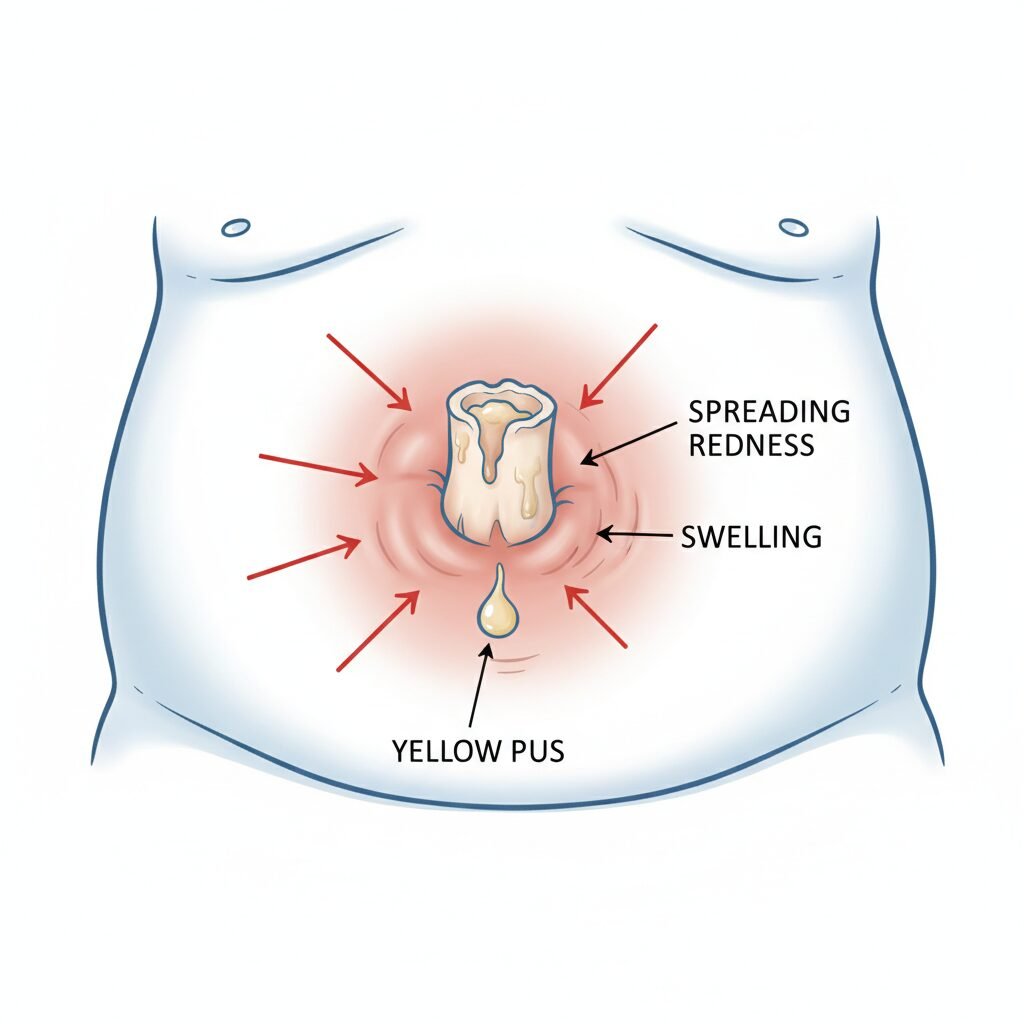
While a foul smell is a big clue, an infection of the umbilical cord stump, known as omphalitis, will almost always have other friends at the party. Omphalitis is rare, affecting less than 1% of newborns in developed countries, but it can be serious, so it’s critical to know what to look for. If you notice a bad smell plus any of the following symptoms, it’s time to call your pediatrician right away.
Key Signs of Infection:
- Spreading Redness: A little pinkness right at the base where the stump meets the skin can be normal irritation. However, redness that is spreading outwards onto the belly is a major warning sign.
- Swelling: The skin around the navel area looks puffy or swollen.
- Pus or Active Discharge: While a little crustiness is fine, a moist, yellowish or greenish discharge (pus) oozing from the base of the cord is not.
- Tenderness or Pain: If your baby cries or seems to be in pain when you gently touch the skin around the stump (not the stump itself), it could be infected.
- Fever: Any rectal temperature of 100.4°F (38°C) or higher in a newborn is considered a medical emergency.
- Systemic Signs: An infection can make your baby feel sick all over. Be on the lookout for lethargy (being extra sleepy and hard to wake), poor feeding, or extreme irritability.
Important Safety Warning: Omphalitis needs to be treated promptly with antibiotics. Do not wait to see if it gets better on its own. Call your doctor or head to the nearest emergency room if you see a combination of these symptoms, especially a fever or significant lethargy.
Your Umbilical Cord Care Toolkit: Simple Steps for a Healthy Tummy
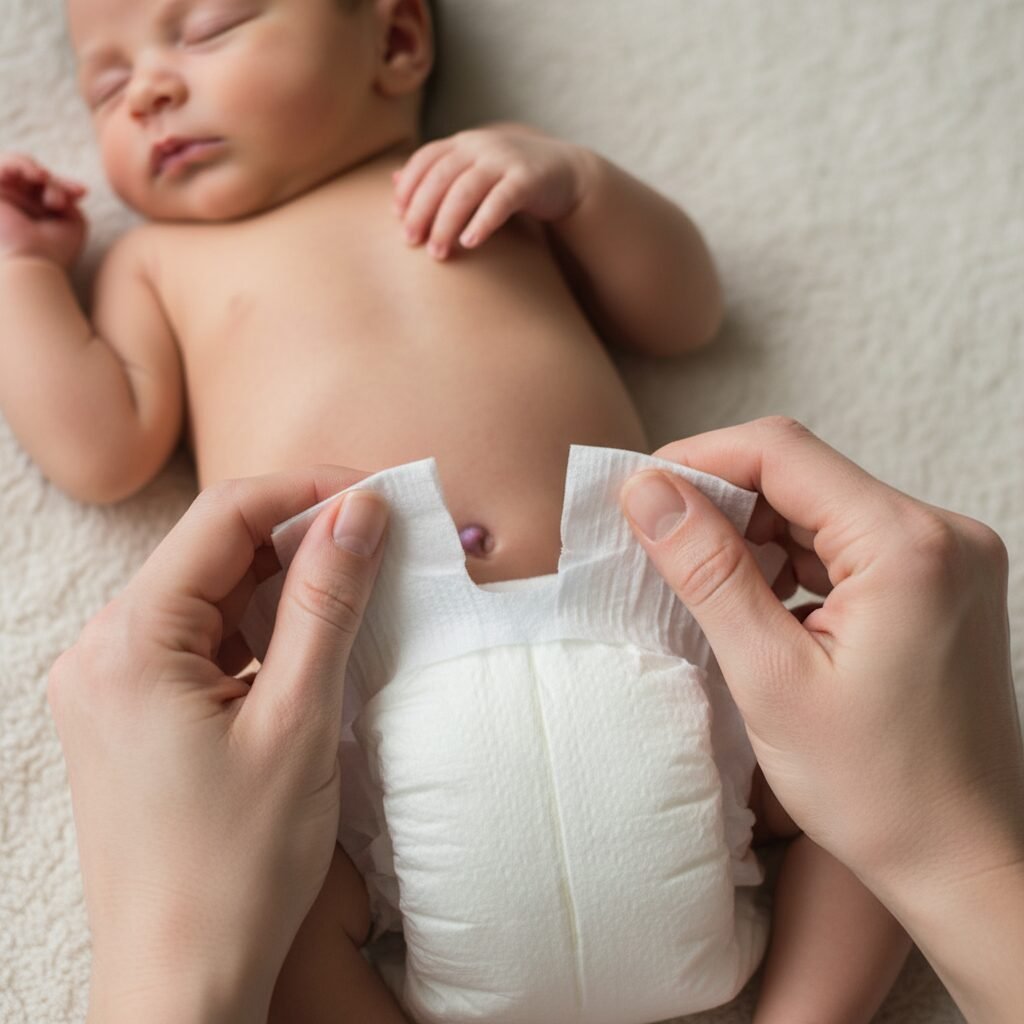
The best way to prevent infection is with simple, gentle care. The old advice of using rubbing alcohol is now outdated, as studies have shown that letting it dry naturally (‘dry care’) is just as effective and may even help it fall off faster. Here are the only steps you really need:
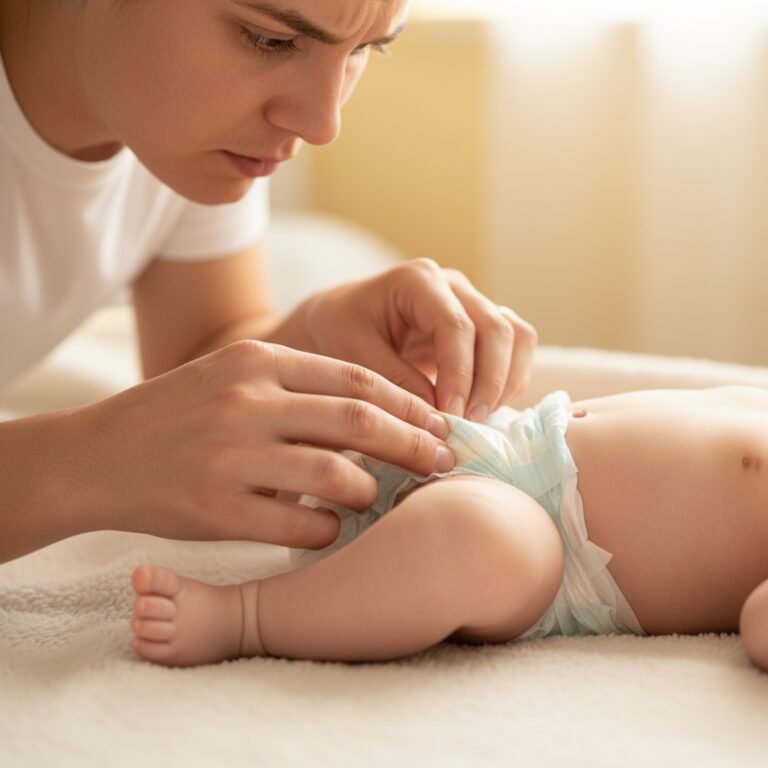
- Keep It Dry: The number one rule! Air exposure is your best friend. When possible, let your baby hang out in just a diaper and a t-shirt to let air circulate around the stump.
- Fold the Diaper Down: Make sure the top of your baby’s diaper is folded down, below the stump. This prevents it from being covered, which traps moisture, and also stops it from getting irritated or snagged by the diaper. Many newborn diapers even come with a little cutout for this reason!
- Stick to Sponge Baths: Until the stump has fallen off completely and the area is healed, avoid submerging your baby in a tub of water. Give them gentle sponge baths instead. This prevents the stump from getting soaked, which can delay healing and create a breeding ground for bacteria.
- Choose Loose Clothing: Dress your baby in loose-fitting onesies or shirts. Tight clothing can rub against the stump and cause irritation.
- Wash Your Hands: Always wash your hands with soap and water before and after handling the umbilical cord area or changing your baby’s diaper.
That’s it! No special creams, powders, or solutions are needed unless your pediatrician specifically instructs you to use something. Simple and dry is the way to go.
The Big Day! What to Expect After the Stump Falls Off

One day, you’ll look down, and that little black stump will be gone! It’s a mini-milestone. Underneath, you’ll see your baby’s brand-new belly button. Here’s what’s normal at this stage:
- A Little Rawness: The spot where the cord was attached might look a little red and raw, like a freshly healed scab. This is normal and will heal up in a few days.
- A Speck of Blood: Don’t be alarmed if you see a small spot of blood in the diaper or on the onesie around the time it falls off. This is just from the final separation. However, if the area is actively bleeding, you should call your doctor.
- Umbilical Granuloma: Sometimes, after the stump falls off, a small, pinkish, and moist ball of scar tissue called a granuloma can form in the navel. It might ooze a little yellowish fluid. It’s usually painless and not dangerous, but it won’t go away on its own. Mention it to your pediatrician at your next visit; they can easily treat it in the office, often with a little silver nitrate.
Once the stump is off and the area is fully dry and healed (no raw spots or oozing), you can finally give your baby their first real tub bath! It’s a sweet moment for both of you to enjoy.
Conclusion
Navigating the first few weeks with a newborn is a journey of love, learning, and a healthy dose of worry. Your baby’s umbilical cord stump is just one of the many new things you’ll become an expert on. Remember, a mild, slightly funky smell is often just part of the natural healing process. The real keys are to look for those clear red flags of infection: foul odor, spreading redness, pus, and fever.
You are your baby’s greatest advocate. Trust your gut. No question is too small or silly to ask your pediatrician. It is always, always better to call and be told everything is fine than to wait and worry. You’re doing a fantastic job, and soon enough, that little stump will be a distant memory, replaced by a perfect little belly button you’ll be tickling for years to come.