Stop Shrinking Baby Clothes! Laundry Hacks To Save Money
Hey there, new parent. Let’s talk about a tiny problem that feels surprisingly huge: the incredible shrinking baby clothes. You find the absolute perfect, softest little onesie. You imagine your sweet baby looking adorable in it. You wash it once, and suddenly it looks like it might fit their favorite teddy bear instead. The frustration is real! Not only is it disappointing, but it feels like you’re literally washing money down the drain.
As a pediatric nurse and lactation consultant, I’ve sat with countless new parents who are navigating everything from feeding schedules to sleep deprivation. And you know what comes up more often than you’d think? Laundry! It’s a constant, never-ending task, and when clothes shrink, it just adds another layer of stress you simply don’t need.
So, take a deep breath. I’m here to tell you that you can win the war against shrinkage. It doesn’t require expensive products or complicated routines. With a few simple tweaks to how you wash and dry those precious little garments, you can keep them fitting longer, save money, and check one more worry off your list. Let’s walk through it together.
The Great Shrinkage Mystery: Why Those Tiny Onesies Get Even Tinier
Before we dive into the hacks, it helps to understand why this is happening. It’s not a laundry monster secretly swapping out your baby’s clothes! The culprit is usually the fabric itself, combined with two things: heat and agitation.
Most baby clothes are made from natural fibers like cotton, bamboo, or wool. Think about how soft and cozy they are—that’s because these fibers are naturally fluffy and absorbent. When these fibers are spun into thread and woven into fabric, they are stretched and held under tension.
When you introduce them to the heat and tumbling of a washer and dryer, a few things happen:
- Heat and Water Relax the Fibers: The hot water and hot air from the dryer cause the tension in the fabric’s weave to release. The fibers relax and try to return to their original, shorter state. Voilà, shrinkage.
- Agitation Causes Felting: The tumbling motion of the washer and dryer physically rubs the fibers together. With natural fibers, especially wool, this can cause them to lock and mat together, a process called felting, which dramatically tightens the fabric.
Because baby clothes are so small to begin with, even a little bit of shrinkage is immediately noticeable. A half-inch of shrinkage on an adult t-shirt is barely perceptible, but on a newborn onesie, it can be the difference between a perfect fit and a belly-shirt. Understanding this science is your first step to outsmarting it!
Before You Wash: Simple Prep Steps That Save Clothes
A successful, shrink-free laundry day starts long before you press the ‘Start’ button. These prep steps are your first and best line of defense.
Decode the Care Tag
Those little symbols on the laundry tag aren’t just suggestions; they are the manufacturer’s instructions for keeping the garment in good shape. It can feel like learning another language, but you only need to know a few key symbols.
| Symbol | Meaning | What It Means For You |
|---|---|---|
| A tub with a temperature (e.g., 30°C or 40°C) | Maximum wash temperature | Stick to this or go colder. Cold water is almost always your safest bet. |
| A square with a circle inside | Tumble Dry | If it has an ‘X’ through it, do not put it in the dryer! If it has dots, one dot means low heat, two means medium. |
| A triangle | Bleach | An empty triangle means any bleach is okay. A triangle with diagonal lines means non-chlorine bleach only. An ‘X’ means no bleach at all. |
| A tub with a hand in it | Hand Wash | This item is very delicate. Use the hand-wash or delicate cycle on your machine with cold water. |
Sort, Sort, Sort!
You probably already sort lights from darks, which is great for preventing colors from bleeding. But for baby clothes, take it one step further and sort by fabric type. Keep heavy items like baby jeans or thick towels separate from delicate cotton onesies and sleepers. Washing delicate items with heavy ones increases the agitation and friction on the softer fabrics, leading to more wear and potential shrinkage.
Tackle Stains the Gentle Way
A Quick Tip on Stains: Treat them as soon as you can! Letting a stain from spit-up or a diaper blowout sit and dry will make it much harder to remove and might tempt you to use hot water, which is the enemy of size.
Use a baby-safe stain remover or create a simple paste of water and a bit of your baby-safe detergent. Gently dab it onto the stain (don’t scrub aggressively) and let it sit for about 15-30 minutes before washing. This pre-treatment allows you to use a gentle, cold-water cycle and still get a powerful clean.
Mastering the Machine: The Right Settings for a Gentle Clean
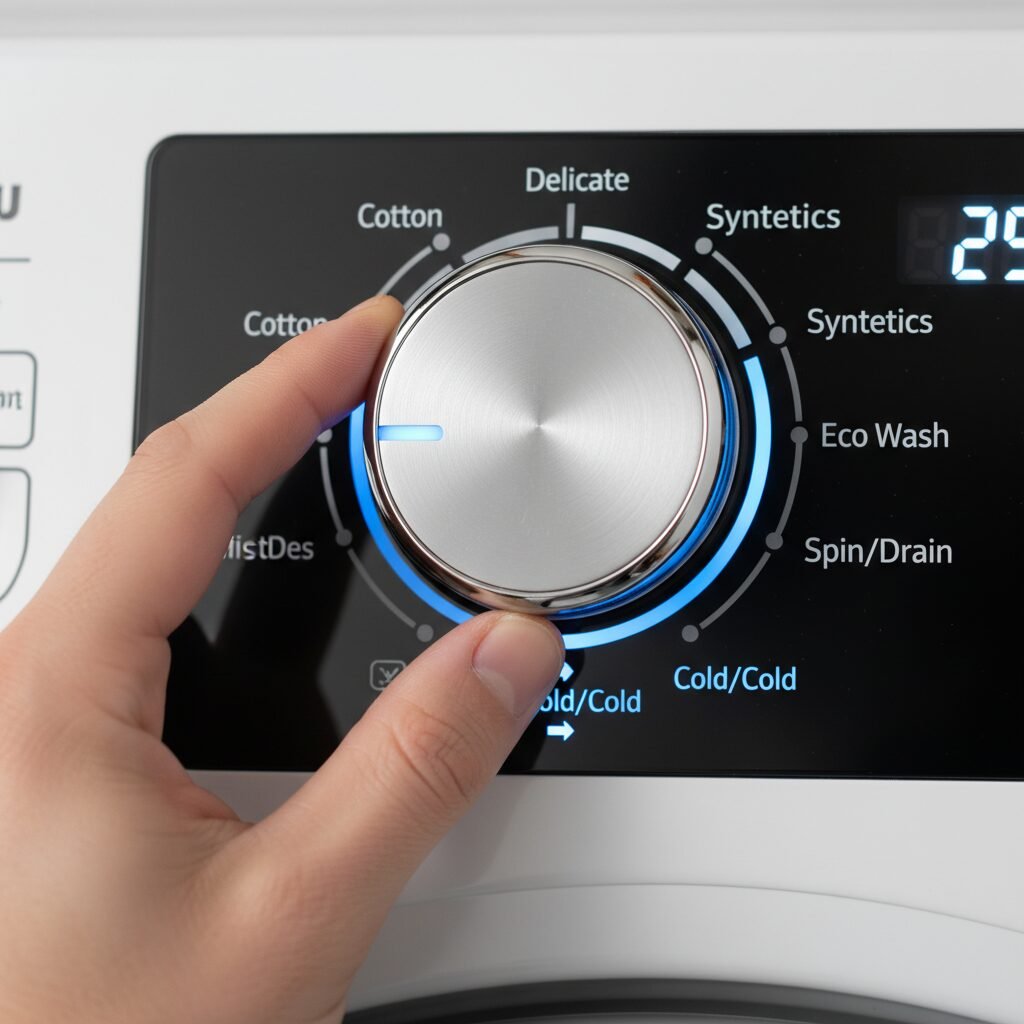
Okay, the clothes are prepped and sorted. Now it’s time for the main event. Your washing machine is a powerful tool, and choosing the right settings is everything.
Turn Down the Temperature: Cold is Gold
If you remember only one thing from this guide, let it be this: wash your baby’s clothes in cold water. This is the single most effective way to prevent shrinking. The heat from hot water is what relaxes those fabric fibers and causes them to shrink up. Modern laundry detergents are formulated to be incredibly effective in cold water, so you don’t have to worry about sacrificing cleanliness. It’s a win-win: you protect the clothes and save money on your energy bill since you’re not heating the water.
Choose a Gentle Cycle
Remember how agitation contributes to shrinkage? The ‘Heavy Duty’ or ‘Normal’ cycles on your machine are designed to tumble and spin clothes vigorously. This is great for muddy sports uniforms, but it’s too harsh for delicate baby clothes. Instead, opt for one of these cycles:
- Delicate
- Handwash
- Permanent Press
These cycles use slower spin speeds and less agitation, which is much kinder to the fabric. It cleans the clothes perfectly well while minimizing the stress that can lead to shrinking and premature wear.
Don’t Overdo the Detergent
It’s tempting to think that more soap means a better clean, especially when dealing with baby messes. However, using too much detergent can leave a residue on clothes that can irritate your baby’s sensitive skin and make fabrics feel stiff. It also doesn’t get them any cleaner. Always follow the instructions on your baby-safe, hypoallergenic detergent and measure carefully. For most baby-sized loads, you need much less than you think.
The Dryer Dilemma: How to Dry Without the Shrink
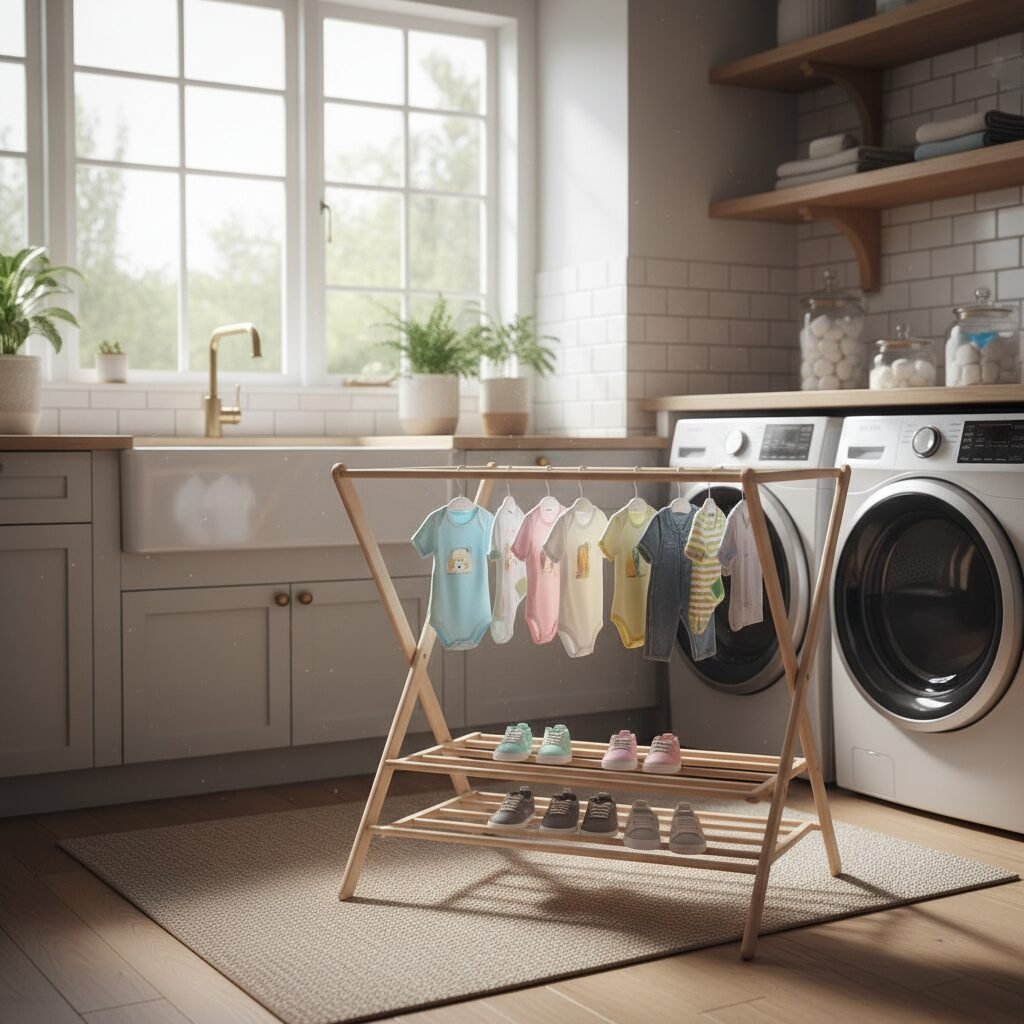
You’ve successfully washed the clothes on cold, but you’re only halfway there. The dryer is where the most dramatic, instantaneous shrinking happens. That blast of high heat is the ultimate enemy of tiny clothes.
Your New Best Friend: The Drying Rack
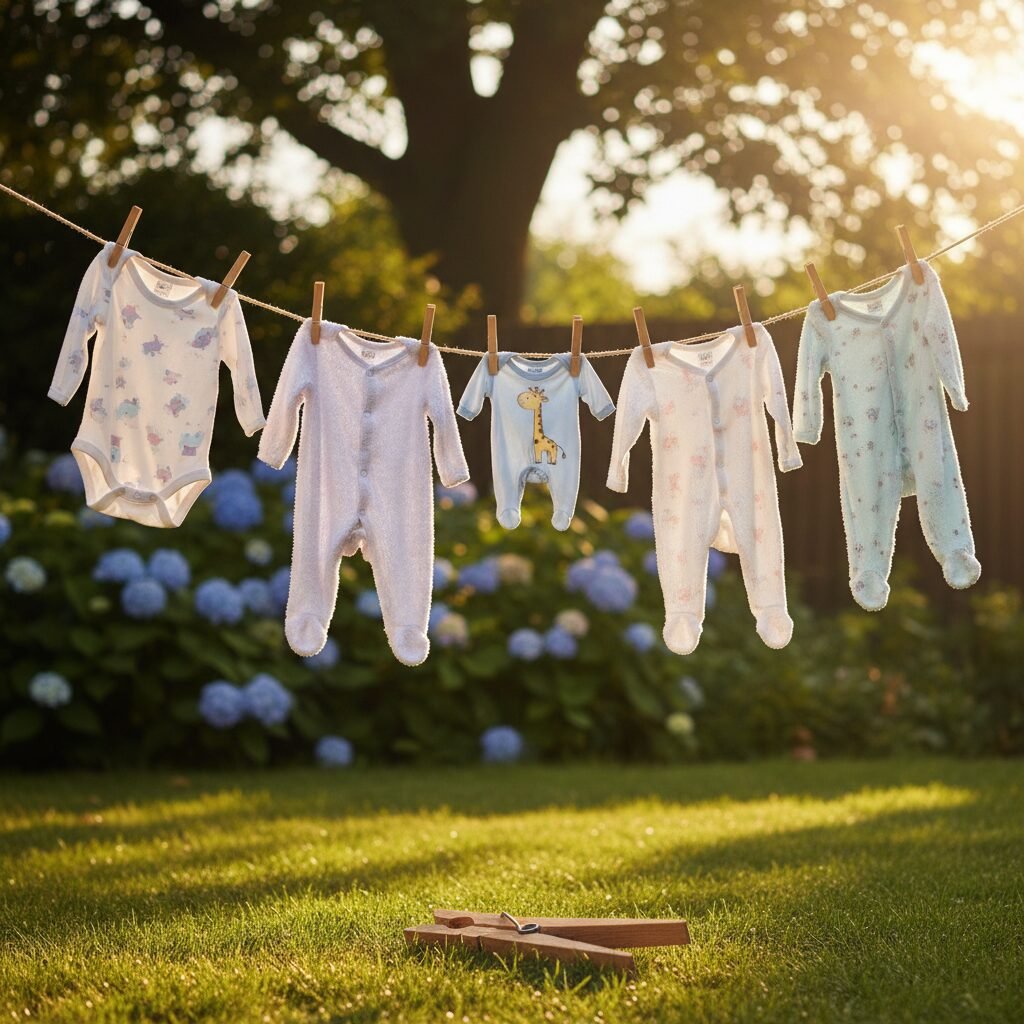
The absolute best, most foolproof way to prevent shrinking is to avoid the dryer altogether. Air-drying is gentle, effective, free, and extends the life of your clothes like nothing else. You can use a simple foldable drying rack, hang items on hangers in the laundry room, or even lay sweaters and delicate knits flat on a clean towel. Yes, it takes longer, but the payoff is huge. Your clothes will maintain their size and shape beautifully.
If You Must Use the Dryer…
Let’s be realistic. Sometimes you need that sleeper, and you need it now. If you have to use the machine, follow these rules to minimize the damage:
- Use the Lowest Heat Setting Possible: Do not use the ‘Normal’ or ‘High Heat’ settings. Choose ‘Tumble Dry Low,’ ‘Delicate,’ or the ‘Air Fluff’ (no heat) setting.
- Don’t Over-Dry: Check the clothes frequently. The goal is to get them just dry. Better yet, take them out when they are still ever-so-slightly damp and let them finish air-drying for 30 minutes. Bone-dry clothes are shrunken clothes.
- Use Wool Dryer Balls: Toss in a few wool dryer balls. They help separate the clothes, which increases air circulation and can reduce drying time. They also naturally soften fabrics without the need for chemical-laden dryer sheets.
| Drying Method | Pros | Cons |
|---|---|---|
| Air-Drying | ✅ Zero shrinkage ✅ Saves energy/money ✅ Gentle on fabric, extending its life |
❌ Takes longer ❌ Clothes can feel slightly stiff initially |
| Machine Drying (Low Heat) | ✅ Fast and convenient ✅ Softens clothes (especially with dryer balls) |
❌ High risk of shrinkage if not careful ❌ Uses energy ❌ Causes more wear and tear on fabric over time |
Safety Warning: Never use fabric softeners or dryer sheets on baby clothes, especially sleepwear. They can leave a chemical residue that not only may irritate a baby’s skin but can also reduce the flame-retardant properties of sleepwear fabrics.
Bonus Hacks: Stretching Your Budget (and Those Onesies!)
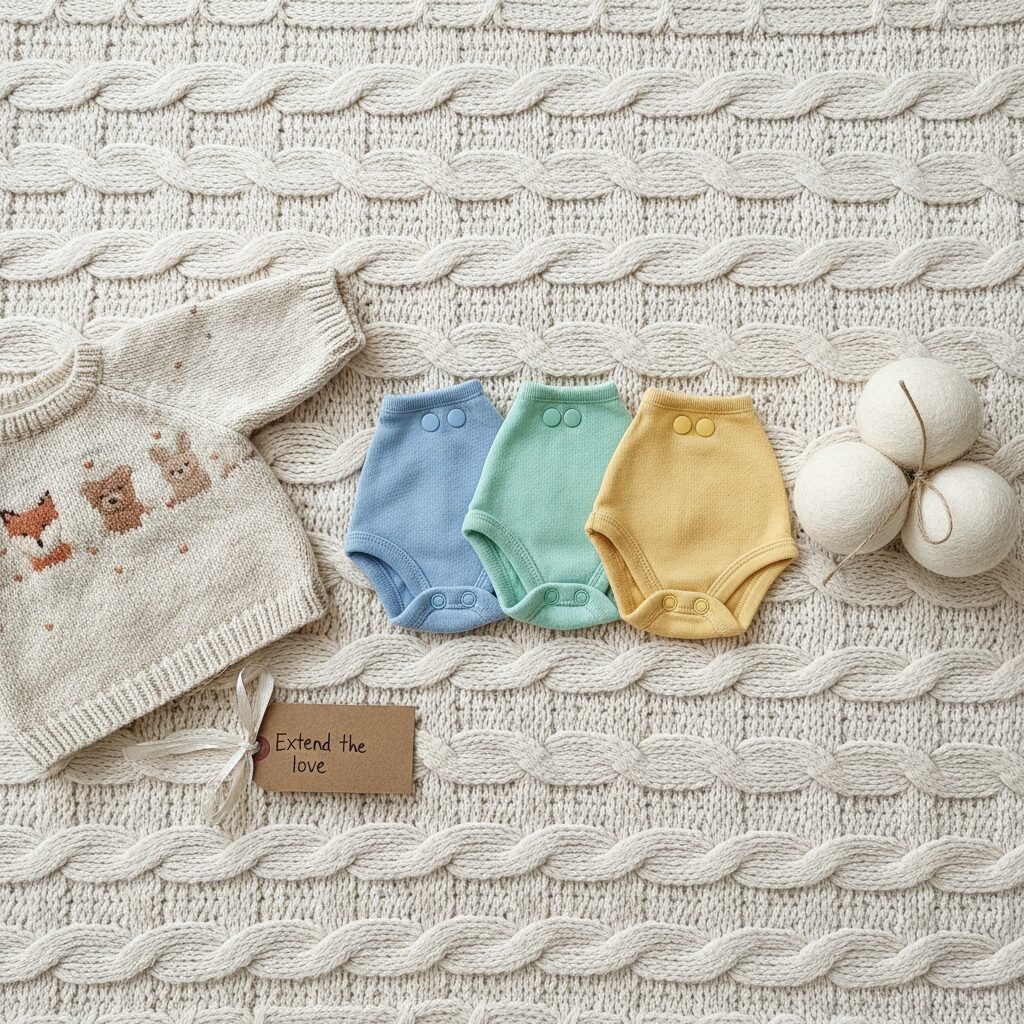
Beyond just preventing shrinkage, a few extra tricks can help you get the most out of every tiny outfit.
Buy a Size Up
When you’re shopping, especially for 100% cotton items, consider buying one size larger than your baby currently needs. This gives you a built-in buffer. A little bit of unavoidable shrinkage over time won’t matter as much, and your baby will get to wear the item for much longer.
Meet the Onesie Extender
These are one of the best-kept secrets of savvy parents! A onesie extender is a small strip of fabric with snaps on it that you attach to the bottom of a onesie. It instantly adds an extra inch or two to the length, allowing your baby to keep wearing their favorites even after a growth spurt or if the onesie has gotten a tad short in the wash. They are inexpensive and can add months of life to your baby’s wardrobe staples.
The Gentle Stretch
When you pull your baby’s clothes out of the washing machine while they’re still wet, take a moment to gently reshape and stretch them. Lay a onesie flat and gently pull on the length and width. Tug softly on little pant legs and sleeves. This helps counteract any tightening that happened during the wash cycle and encourages the item to dry in its original shape and size.
By combining these little tricks with a gentle laundry routine, you’ll be amazed at how much longer your baby’s clothes last. It’s less shopping for you and more money in your pocket for other things… like more diapers!
Conclusion
See? You’ve got this. Protecting your baby’s clothes from the dreaded shrink-ray of the laundry room doesn’t have to be another complicated chore on your endless to-do list. It all boils down to being a little gentler.
Remember the golden rules: prep your clothes, wash on cold with a delicate cycle, and air-dry whenever possible (or tumble dry on the lowest heat setting). By making these small adjustments, you’ll not only keep those cute outfits fitting for longer but also save yourself the money and frustration of having to constantly replace them.
Parenting is a journey filled with big moments and a whole lot of laundry. Give yourself grace, know that you’re doing an amazing job, and take pride in this one little area where you can totally feel like you have it all under control. Happy washing!