
The Miracle DIY Diaper Rash Cream That Heals Skin Overnight
There are few things that tug at a new parent’s heartstrings more than seeing their precious baby in discomfort. And when that discomfort comes from a bright red, angry-looking diaper rash, it can make you feel helpless and frustrated. You’re changing diapers constantly, using the gentlest wipes, and doing everything you think you’re supposed to do, yet the rash persists or worsens. I see you, and I understand. In my decades as a pediatric nurse and lactation consultant, I’ve held the hands of countless worried parents facing this very issue.
The store shelves are lined with dozens of creams and ointments, each promising relief. But many are filled with ingredients you can’t pronounce, and sometimes, they just don’t seem to cut it. What if I told you that one of the most effective, soothing, and fast-acting solutions could be whipped up in your own kitchen in just a few minutes? It sounds too good to be true, I know. But this simple, powerful DIY diaper rash cream has been my go-to recommendation for years, and the results speak for themselves. It’s a game-changer. In this guide, we’ll walk through not only the recipe but also why it works so well, how to use it for maximum effectiveness, and, most importantly, when it’s time to seek a doctor’s advice. Let’s get that sweet baby bottom happy and healthy again!
Understanding Diaper Rash: More Than Just a Red Bottom

Before we jump into the solution, it’s helpful to understand the problem. Diaper rash, or irritant diaper dermatitis, isn’t a reflection of your parenting skills—it’s an incredibly common issue that most babies will experience at some point. It’s simply an inflammatory reaction of the delicate skin in the diaper area. Think of your baby’s skin as a brand-new, perfect barrier. That barrier is thinner and more sensitive than ours, making it susceptible to breaking down.
The diaper area is a uniquely challenging environment. It’s warm, moist, and constantly exposed to irritants. The primary culprits behind that angry red rash usually fall into a few key categories:
- Moisture: The single biggest factor. Even the most absorbent diapers leave some moisture on the skin. When urine and stool mix, they create ammonia, which can be very irritating and alter the skin’s natural pH balance.
- Friction: The constant rubbing of a diaper, even a soft one, against your baby’s sensitive skin can cause chafing and irritation, breaking down that protective outer layer.
- Irritants: Sometimes the issue comes from external sources. The fragrances and chemicals in some disposable wipes, diapers, laundry detergents, or soaps can be harsh on newborn skin.
- New Foods: When your baby starts solids (or when a breastfeeding parent eats something new), the composition of their stool changes. This can increase the frequency of stools or their acidity, leading to irritation.
- Infection: A simple irritant rash can sometimes become a breeding ground for bacteria or yeast (like Candida). A yeast rash often looks different—it’s typically a beefy red color with small red dots or “satellite lesions” spreading outwards. This type requires a different approach, which we’ll discuss later.
Recognizing the cause can help you tailor your approach, but the goal is always the same: reduce moisture, minimize friction, and create a protective barrier to allow the skin to heal. And that’s exactly what our DIY cream is designed to do.
The ‘Miracle’ DIY Diaper Rash Cream Recipe

Okay, let’s get to the good part! This recipe is all about simplicity and effectiveness. We’re using a few key ingredients that are known for their skin-soothing and protective qualities. You can find most of these online or at a natural health food store. Always choose high-quality, organic ingredients when possible for your baby’s delicate skin.
The Ingredients
- 1/2 cup Organic, Cold-Pressed, Unrefined Coconut Oil: This is our base. It’s naturally antibacterial and antifungal, plus it’s an incredible moisturizer.
- 1/4 cup Shea Butter: Rich in vitamins A and E, shea butter is deeply nourishing and helps create a rich, protective barrier on the skin.
- 2 tablespoons Non-Nano Zinc Oxide Powder: This is the powerhouse active ingredient found in most commercial diaper creams. It provides a waterproof barrier, protecting the skin from moisture. Crucially, ensure it is ‘non-nano’, which means the particles are too large to be absorbed into the skin.
- 1 tablespoon Beeswax Pellets (optional): This helps to thicken the cream and adds an extra layer of water-repellent protection. If you prefer a softer cream, you can omit this.
Safety First! When working with zinc oxide powder, be careful not to inhale it. Work in a well-ventilated area and mix gently to avoid creating dust clouds. Once it’s mixed into the oils, it is perfectly safe.
Step-by-Step Instructions
- Create a Double Boiler: If you don’t have a double boiler, it’s easy to make one. Simply place a glass or metal bowl over a saucepan filled with an inch or two of water. Ensure the bottom of the bowl doesn’t touch the water.
- Melt the Oils and Wax: Place the coconut oil, shea butter, and optional beeswax pellets into the bowl of your double boiler. Heat on low, stirring occasionally, until everything is completely melted and combined.
- Cool Slightly: Remove the bowl from the heat and let it cool for a few minutes. You don’t want it to be piping hot, but it should still be fully liquid.
- Gently Whisk in Zinc Oxide: This is the most important step. Slowly sprinkle the non-nano zinc oxide powder into the melted oil mixture while whisking gently but continuously. Keep whisking until the powder is fully incorporated and there are no lumps. This ensures the protective ingredient is evenly distributed.
- Pour and Set: Carefully pour the mixture into a clean, dry glass jar with a tight-fitting lid. Let it sit at room temperature or in the refrigerator for a few hours to solidify. It will firm up into a thick, luxurious cream.
That’s it! You’ve just made a batch of high-quality, preservative-free diaper cream that will last for several months when stored in a cool, dark place.
Why This DIY Cream Works So Well: The Science of Soothing

It might seem like magic, but the effectiveness of this cream is rooted in the simple, powerful properties of its ingredients. Each one plays a specific and vital role in calming inflammation and promoting healing. Unlike commercial creams that can contain fragrances, preservatives, and petroleum-based ingredients, this recipe focuses only on what the skin needs.
Let’s break down the role of each component in our little jar of soothing goodness.
| Ingredient | Primary Role & Benefits |
|---|---|
| Organic Coconut Oil | Acts as an anti-inflammatory, antibacterial, and antifungal agent. The lauric acid in coconut oil is particularly effective against microbes. It also provides a light, moisturizing base that soothes irritated skin without being overly greasy. |
| Shea Butter | This is the ultimate skin barrier supporter. It’s packed with fatty acids and vitamins that reduce inflammation, boost collagen production, and provide a thick, breathable layer of protection against moisture. It essentially ‘seals’ the skin to allow it to heal from within. |
| Non-Nano Zinc Oxide | The star of the show for protection. Zinc oxide is a mineral that sits on top of the skin, forming a physical, waterproof barrier. It blocks moisture from urine and stool from ever touching the irritated skin, giving it the dry environment it desperately needs to heal. It’s also a mild astringent, which can help dry out weepy, irritated patches. |
| Beeswax (Optional) | Think of beeswax as the ‘raincoat’ for your baby’s bottom. It enhances the water-repelling properties of the cream, making the barrier created by the zinc oxide and shea butter even more durable and long-lasting through a long night’s sleep. |
Together, these ingredients don’t just cover up the rash—they create the perfect healing environment. The shea butter and zinc oxide build a fortress against wetness, while the coconut oil works underneath to calm the inflammation and fight off any potential secondary infections. It’s a comprehensive, multi-pronged approach in one simple cream.
Application and Best Practices for Fast Healing

Making the cream is half the battle; using it correctly is what will bring that ‘overnight’ relief you’re looking for. A great cream combined with a great diapering routine is your ticket to a happy, rash-free baby.
The Perfect Diaper Change Routine
- Clean Gently: Ditch the fragranced wipes for now. Use a soft cloth with plain warm water or water-based, hypoallergenic wipes. Pat the area gently; never, ever rub an irritated bottom.
- Air It Out: This is the most underrated but effective step. After cleaning, let your baby have some supervised, diaper-free time on a towel or waterproof mat. Even 5-10 minutes of air exposure helps dry out the skin and begin the healing process. The drier the skin is before you apply the cream, the better it will work.
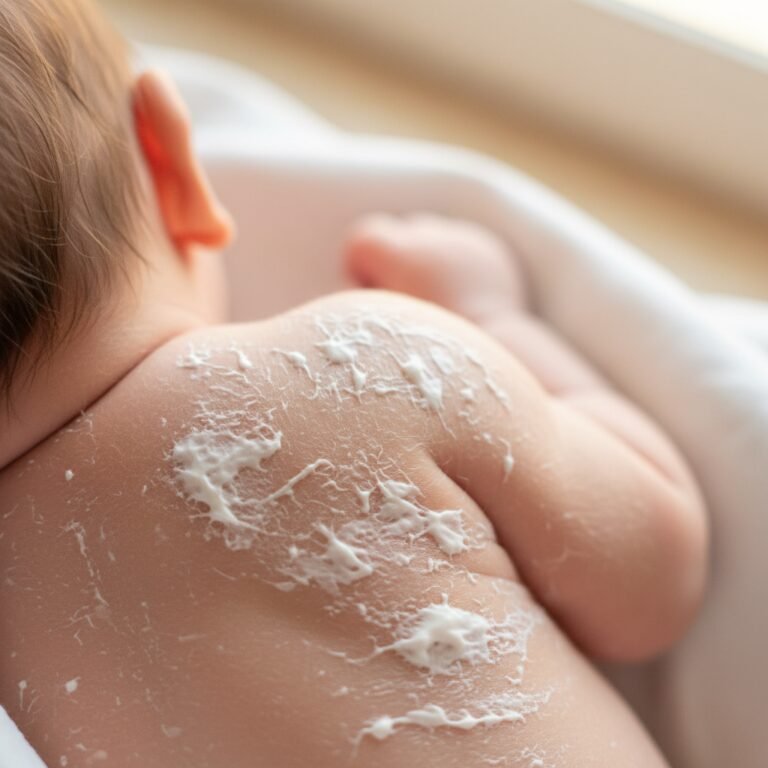
- Apply a Thick Layer: This is not the time to be sparing. You want to apply a thick, opaque, white layer of the DIY cream over the entire diaper area, especially in the red, irritated spots. Think of it like frosting a cake. This thick barrier is what will provide that critical protection.
- Diaper Up: Fasten a clean, appropriately sized diaper. A diaper that’s too tight can increase friction, while one that’s too loose won’t contain moisture effectively.
Pro Tips for Prevention and Healing
- Change Diapers Frequently: Aim to change your baby’s diaper as soon as you know it’s wet or soiled. For a newborn, this can be every 1-2 hours. Don’t let them sit in a dirty diaper.
- Size Up Diapers: If the diaper is leaving red marks on your baby’s skin, it might be too snug. Sizing up can reduce friction and improve air circulation.
- Rinse Cloth Diapers Well: If you use cloth diapers, ensure they are thoroughly rinsed. Detergent residue can be a major skin irritant.
- Create a Barrier at Every Change: Even when the skin looks clear, applying a thin layer of the cream can help prevent future rashes from developing.
By combining this powerful cream with a gentle and consistent routine, you give your baby’s skin the absolute best chance to heal quickly and stay healthy.
When to Skip the DIY and Call the Doctor

As wonderful as this homemade cream is, it’s a remedy for common irritant diaper rash. It is not a substitute for medical advice, and there are absolutely times when a call to your pediatrician or family doctor is necessary. Your intuition as a parent is powerful; if you feel something is wrong, please don’t hesitate to seek professional help. My goal is to empower you, not to replace your doctor.
Your pediatrician is your partner in your baby’s health. Never feel hesitant to reach out to them. A quick phone call can provide immense peace of mind or get your baby the care they need right away.
Please schedule an appointment with your doctor if you notice any of the following signs, as they may indicate a more serious issue or a secondary infection that requires prescription treatment:
- The rash is not improving or is getting worse after 2-3 days of diligent home care with the DIY cream.
- You see open sores, blisters, or pimple-like bumps (pustules) in the diaper area.
- The rash is a bright, ‘beefy’ red color and has sharp borders, often with smaller red dots (satellite lesions) spreading to the thighs or tummy. This is a classic sign of a yeast infection.
- Your baby has a fever in addition to the rash.
- The rash seems to be causing your baby significant pain. For example, if they scream during diaper changes or are unusually fussy and inconsolable.
- The rash spreads beyond the diaper area to other parts of the body.
These symptoms require a professional diagnosis. Your doctor can determine if an antifungal cream (for yeast), an antibiotic ointment (for a bacterial infection), or even a mild steroid cream is needed to clear up the issue. Using your DIY cream in conjunction with their prescribed treatment is often a great approach, but always follow your doctor’s specific instructions.
Conclusion
Navigating the challenges of new parenthood is a journey filled with love, learning, and a few bumps along the way—like the dreaded diaper rash. But you are not helpless. By creating this simple, natural, and incredibly effective DIY cream, you are taking a powerful, hands-on step to bring your baby comfort and relief. You’re combining the protective power of zinc oxide, the nourishing qualities of shea butter, and the soothing, antimicrobial benefits of coconut oil to create a truly wonderful remedy.
Remember to pair your miracle cream with a routine of gentle cleaning, frequent changes, and plenty of ‘air time’ to create the ultimate healing environment. And most importantly, trust your instincts. You know your baby best. While this cream can work wonders, never hesitate to lean on your pediatrician for support when you need it. You are doing an amazing job, and providing this kind of gentle, thoughtful care is just one more way you show your incredible love.