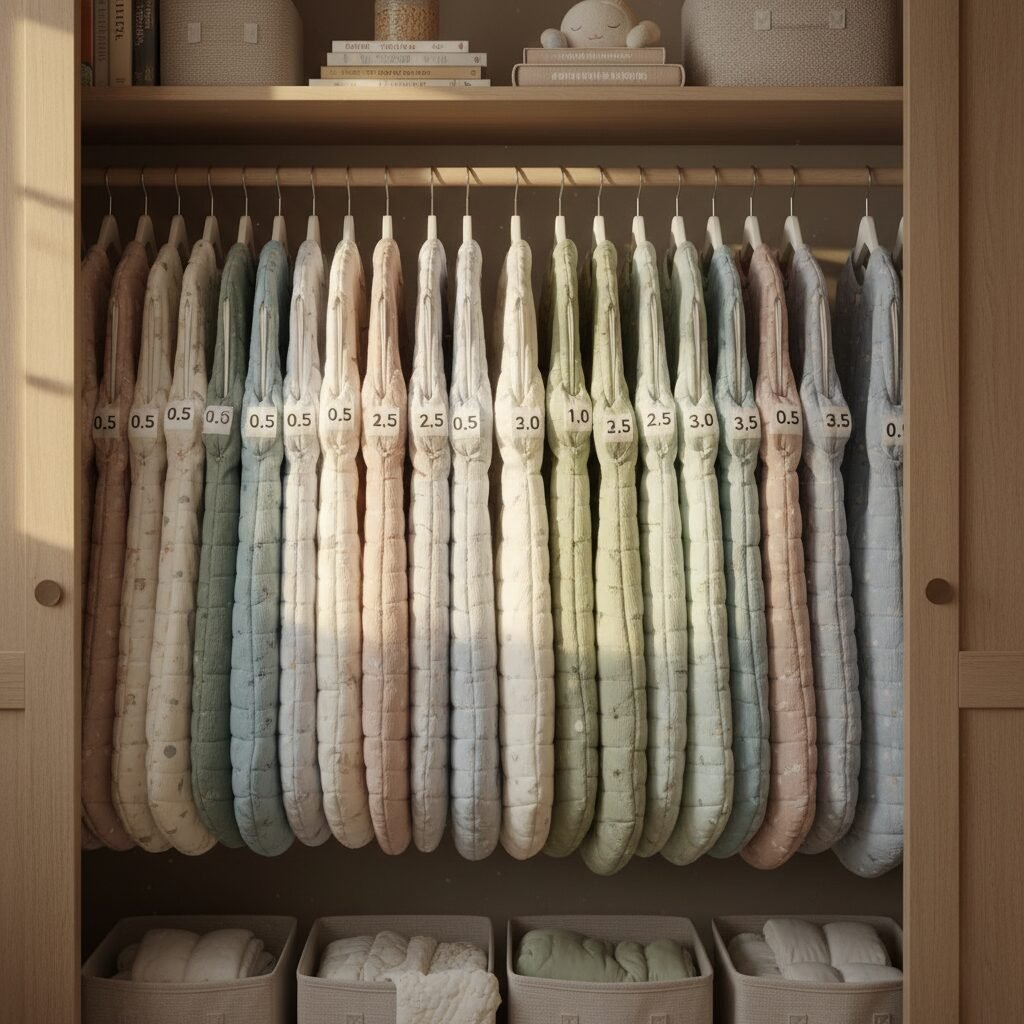
TOG Ratings Decoded: Exactly How To Dress Baby For Sleep
Hey there, new parent. Let’s talk about that 2 a.m. feeling. Your baby is finally asleep, but now your mind is racing. Is the room too cold? Is that sleep sack too warm? Are their little hands supposed to feel like tiny ice cubes? I see you, and I’ve been there with countless families. The worry is real, but I promise, there’s a simple tool that can bring you so much peace of mind: the TOG rating.
As a pediatric nurse and lactation consultant, one of the most common anxieties I hear from new parents revolves around sleep. And a huge part of that is temperature regulation. Babies aren’t great at it yet! That’s where understanding TOG ratings comes in. Think of it as your secret weapon against guesswork. In this guide, we’re going to break it all down, step-by-step, so you can feel confident that your little one is sleeping not just soundly, but safely, too. Let’s get you some well-deserved peace of mind.
What in the World is a TOG Rating?

What in the World is a TOG Rating?
Okay, let’s start with the basics. TOG stands for Thermal Overall Grade. It sounds super technical, but the concept is wonderfully simple. It’s a standardized measurement used in the textile industry to tell you how much thermal insulation a product provides. In simpler terms: it’s a rating of how warm a piece of fabric is.
You’ve probably seen TOG ratings on your own duvet. A lightweight summer duvet might be 1.5 TOG, while a thick, cozy winter one could be 13.5 TOG. It’s the exact same principle for baby sleepwear like swaddles, sleep sacks, and wearable blankets.
Why It’s a Game-Changer
Here’s the key thing to remember: a higher TOG rating means a warmer sleep sack; a lower TOG rating means a cooler one. This is incredibly helpful because the thickness or fluffiness of a garment can be deceiving. A thin-looking sleep sack made from a densely woven material might actually be much warmer than a puffy one made from a more breathable fabric. The TOG rating cuts through the confusion and gives you a straight, reliable answer.
- It’s standardized: A 2.5 TOG sleep sack from one brand should provide the same level of warmth as a 2.5 TOG from another brand.
- It eliminates guesswork: No more trying to judge warmth by touch alone.
- It promotes safe sleep: The biggest benefit is helping you prevent your baby from overheating, which is a risk factor for Sudden Infant Death Syndrome (SIDS).
A Nurse’s Tip: Don’t get hung up on the material’s thickness. Always trust the TOG number on the label. It’s the most accurate indicator of how warm the product will keep your baby.
The ‘Goldilocks Zone’: Creating a Safe Sleep Environment
The ‘Goldilocks Zone’: Creating a Safe Sleep Environment
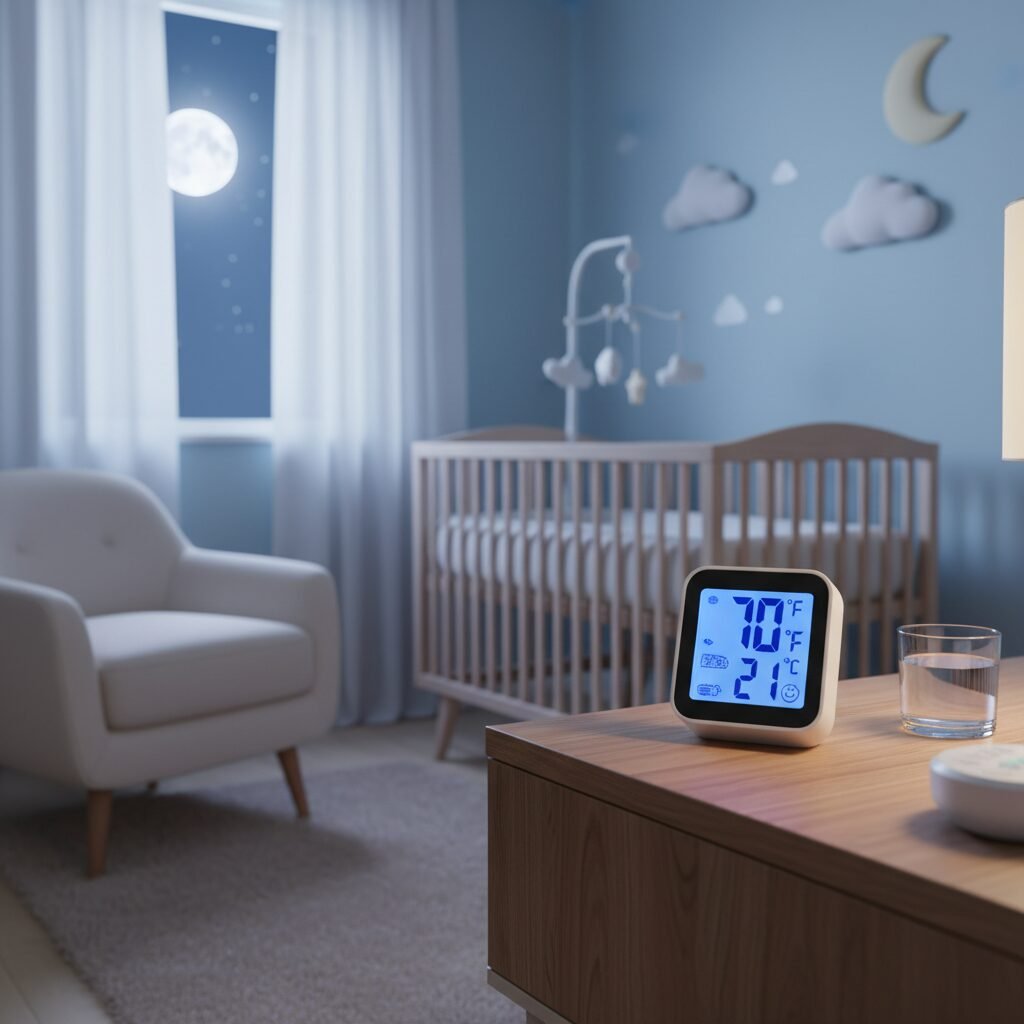
Before we even get to what your baby should wear, let’s talk about their room. Creating a safe sleep environment is priority number one. The American Academy of Pediatrics (AAP) recommends a room temperature that is comfortable for a lightly clothed adult.
So, what does that mean in real numbers? The general consensus for the ideal nursery temperature is between 68°F and 72°F (20°C to 22°C). This ‘Goldilocks zone’ is not too hot, not too cold, but just right for your little one.
Why Temperature Matters So Much
A baby’s body is still learning to regulate its own temperature. Overheating is a significant concern, as it can increase the risk of SIDS. This is why you’ll always hear pediatricians and nurses advise against loose blankets, pillows, and bumpers in the crib. These items can not only pose a suffocation risk but can also trap heat around your baby.
Important Safety Reminder: Always place your baby on their back to sleep in a bare crib or bassinet with a firm mattress and a fitted sheet. A wearable blanket or sleep sack is the only ‘blanket’ they need.
A simple indoor thermometer can be a new parent’s best friend. You can get a standalone one or use a feature on your baby monitor. Knowing the baseline temperature of the nursery is the first step in deciding which TOG-rated sleep sack to use.
The Ultimate TOG Chart: Your Cheat Sheet for Dressing Baby

The Ultimate TOG Chart: Your Cheat Sheet for Dressing Baby
Alright, this is the part you’ve been waiting for! Here is a simple, easy-to-follow guide that connects your nursery’s temperature to the right TOG rating and clothing layers. Remember, this is a guide—you know your baby best. Some babies run a little warmer or cooler, so you can always adjust as needed.
Bookmark this page, take a screenshot, or print it out and stick it inside the nursery closet. It’s about to become your go-to reference.
| Room Temperature (Fahrenheit) | Room Temperature (Celsius) | TOG Rating | What Baby Wears Underneath |
|---|---|---|---|
| 75°F+ | 24°C+ | 0.5 TOG | Short-sleeve bodysuit or just a diaper. |
| 72-75°F | 22-24°C | 1.0 TOG | Short-sleeve or long-sleeve bodysuit. |
| 68-72°F | 20-22°C | 1.0 – 2.5 TOG | With 1.0 TOG: Long-sleeve footed pajamas. With 2.5 TOG: A long-sleeve bodysuit. |
| 64-68°F | 18-20°C | 2.5 TOG | Long-sleeve bodysuit and pajamas (or just footed pajamas). |
| 61-64°F | 16-18°C | 2.5 – 3.5 TOG | With 2.5 TOG: Long-sleeve bodysuit + fleece pajamas. With 3.5 TOG: Long-sleeve footed pajamas. |
| Below 61°F | Below 16°C | 3.5 TOG | Long-sleeve bodysuit and fleece or thick cotton pajamas. Consider socks. |
A Note on Layering
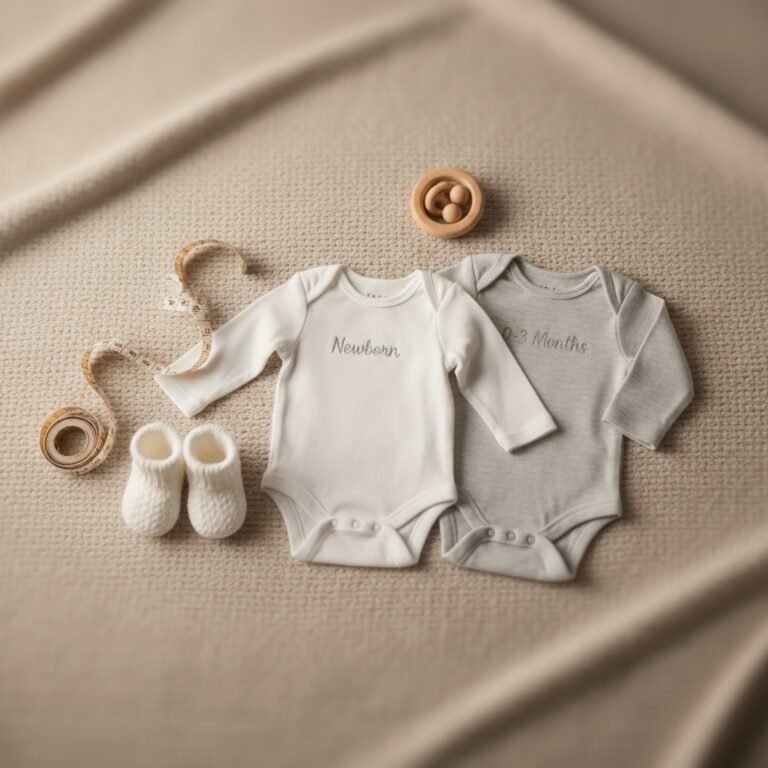
As you can see, the TOG rating works in tandem with the layers you put underneath. A bodysuit (like a onesie) counts as one layer. A set of pajamas or a sleep-and-play counts as another. The general rule is to dress your baby in one more layer than you would be comfortable in. A TOG-rated sleep sack counts as that ‘one more layer’.
The ‘Neck Check’: How to Know if Baby is Comfortable
The ‘Neck Check’: How to Know if Baby is Comfortable
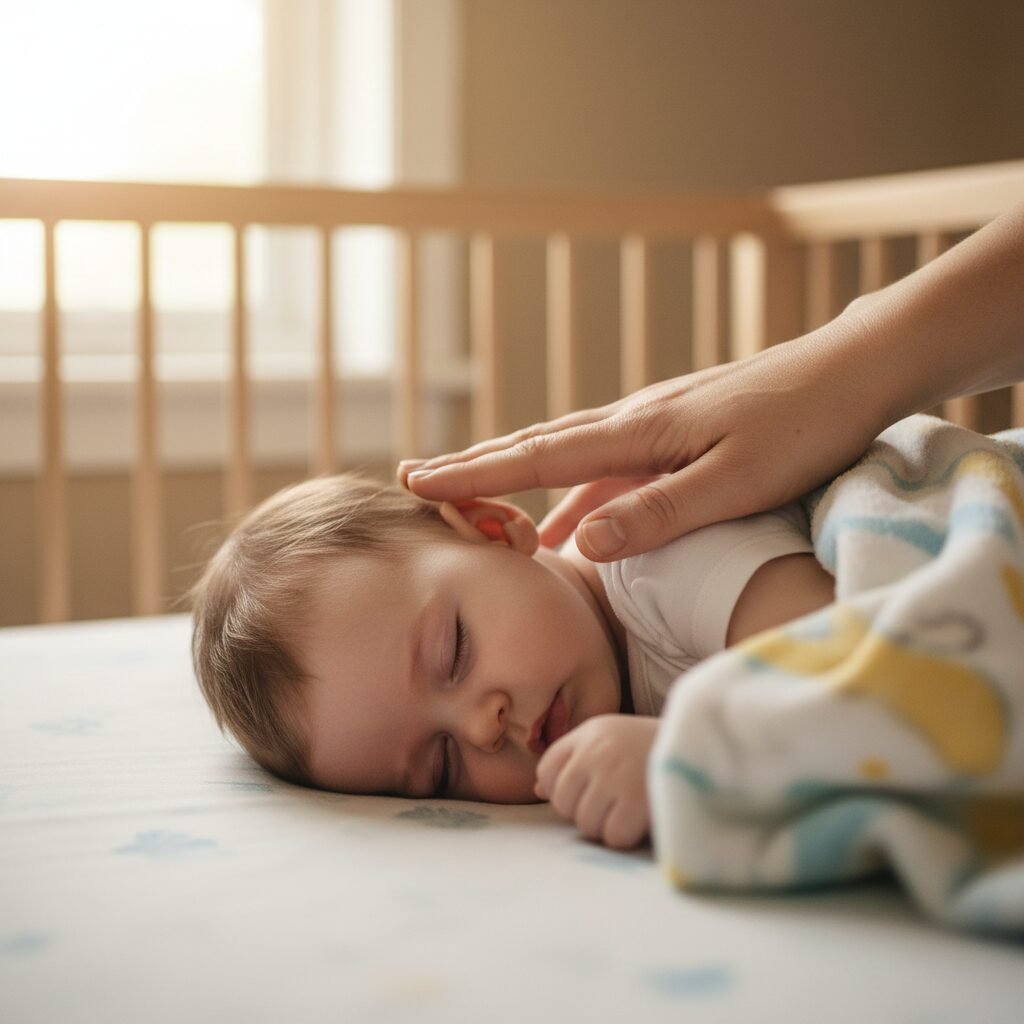
The chart is a fantastic guide, but your baby is the ultimate authority on their own comfort. So, how can you tell if you’ve gotten it right? Forget feeling their hands or feet! It’s completely normal for a baby’s extremities to feel cool to the touch because their circulatory system is still maturing.
The most reliable way to check your baby’s temperature is to feel the nape of their neck or their upper back/chest.
- Just Right: Their skin should feel warm and dry. Perfect!
- Too Hot: If their neck is sweaty, clammy, or hot to the touch, they are too warm. You should remove a layer of clothing immediately. Other signs of overheating can include flushed cheeks, rapid breathing, or a heat rash.
- Too Cold: If their neck or chest feels cool, you might consider adding a layer, like a bodysuit under their pajamas, or switching to a higher TOG sleep sack.
Perform this simple check before you put them down for the night and when you go in for a feeding. It takes two seconds and provides instant reassurance.
Friendly Advice: Trust your instincts. The neck check is your best friend. After a few days of using the TOG system and doing the neck check, you’ll become a pro at knowing exactly what your baby needs.
Beyond the TOG: Other Factors to Consider
Beyond the TOG: Other Factors to Consider
While the TOG rating and room temperature are your two biggest guides, life with a baby is never quite that simple! Here are a few other things to keep in mind as you become a sleep-dressing expert.
When Your Baby is Sick
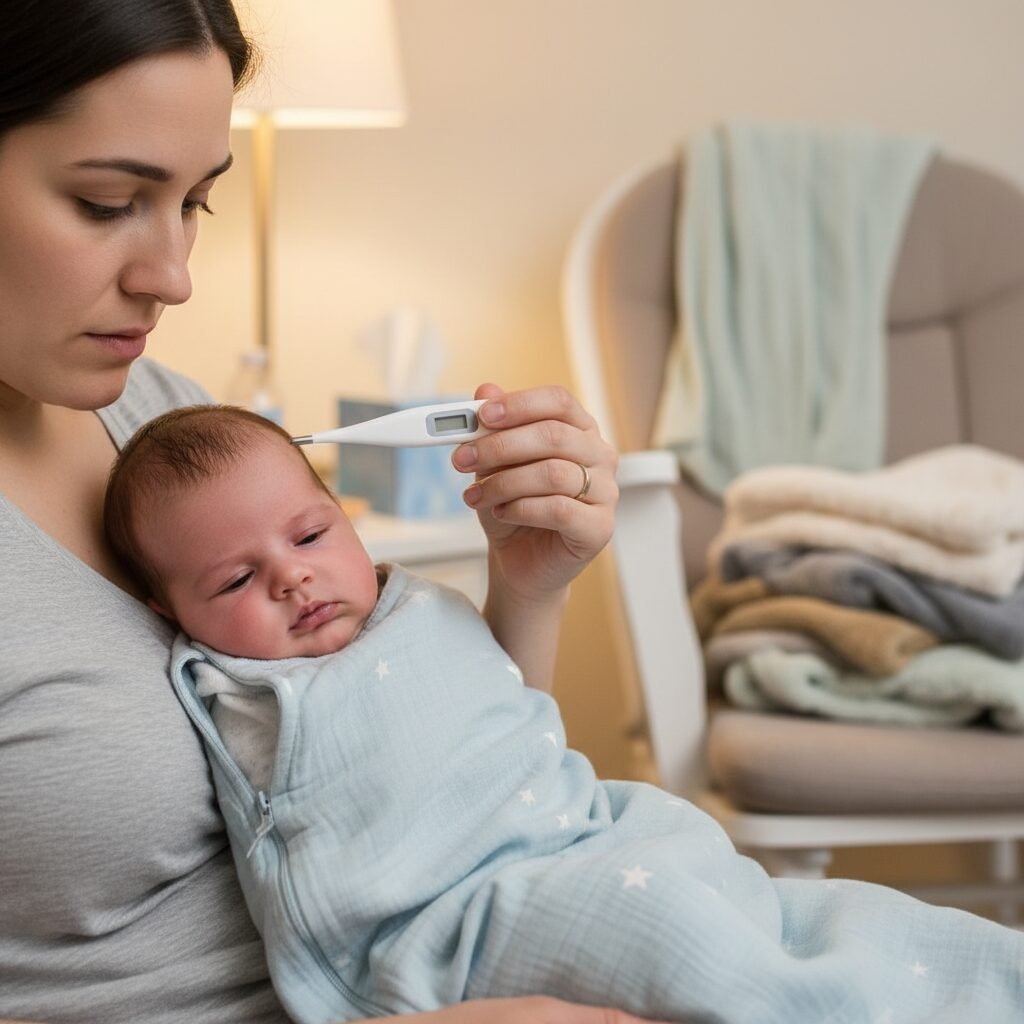
If your little one has a fever, they will naturally be warmer. In this case, you should dress them in fewer layers or use a lower TOG-rated sleep sack than you normally would for the current room temperature. A fever is the body’s way of fighting infection, and bundling them up can cause their temperature to rise even higher. A simple bodysuit and a 0.5 or 1.0 TOG sleep sack might be all they need, even in a cooler room.
The Type of Mattress
Some crib mattresses are more breathable than others. If you have a mattress that is specifically designed for airflow, that’s great! If you have a standard mattress with a less-breathable waterproof cover, it might retain a bit more heat. It’s not usually a huge factor, but it’s something to be aware of if your baby seems to run warm consistently.
Transitioning from the Swaddle
Many swaddles are also TOG-rated. When you transition your baby from a swaddle to a wearable blanket (usually when they show signs of rolling), you’ll want to use a sleep sack with a similar TOG rating to what they’re used to, assuming the room temperature is consistent. This helps make the transition smoother by keeping their sleep environment familiar and comfortable.
Conclusion
See? You’ve got this. The world of baby gear can feel like a whole new language, but TOG ratings are one part that’s actually designed to make your life easier, not harder. By understanding what TOG means, creating a safe and comfortable room environment, and learning the simple ‘neck check,’ you can take the anxiety out of dressing your baby for sleep.
Remember that the charts and guides are just that—guides. You are the expert on your baby. Pay attention to their cues, trust your parental instincts, and give yourself grace. You’re doing an amazing job. Now, go enjoy that quiet, peaceful moment while your perfectly comfortable baby sleeps soundly. You’ve earned it.