
Fertility While Nursing: The Real Timeline for Your First Period
Welcome to the beautiful, chaotic, and utterly sleep-deprived world of new parenthood! You’re likely juggling a million new tasks, learning your baby’s unique language of coos and cries, and marveling at this tiny human you’ve created. Amidst all this, a quiet question might start to bubble up: What’s going on with my own body? Specifically, you might be wondering, ‘When on earth is my period going to come back?’
It’s one of the most common questions new moms have, especially if they’re breastfeeding. You may have heard that nursing works as a natural form of birth control, but how reliable is it, really? Can you get pregnant before you even have your first postpartum period? The short answer is yes, and it’s a bit more complex than an old wives’ tale.
In this guide, we’re going to walk through it all together, friend. As a pediatric nurse and lactation consultant, I’ve had this conversation with thousands of new parents. We’ll gently unpack the science behind how breastfeeding presses ‘pause’ on your cycle, explore the real factors that determine its return, and discuss how to navigate family planning during this unique time. So grab a cup of (probably lukewarm) coffee, get comfy, and let’s talk about you.
The Science Behind It: How Breastfeeding Pauses Your Period
The Hormone Power-Couple: Prolactin and Ovulation
Before we can talk about when your period will return, we need to understand why it went away in the first place (besides the whole nine-month pregnancy thing, of course!). It all comes down to a fascinating hormonal dance orchestrated by your body to help you focus on your new baby.
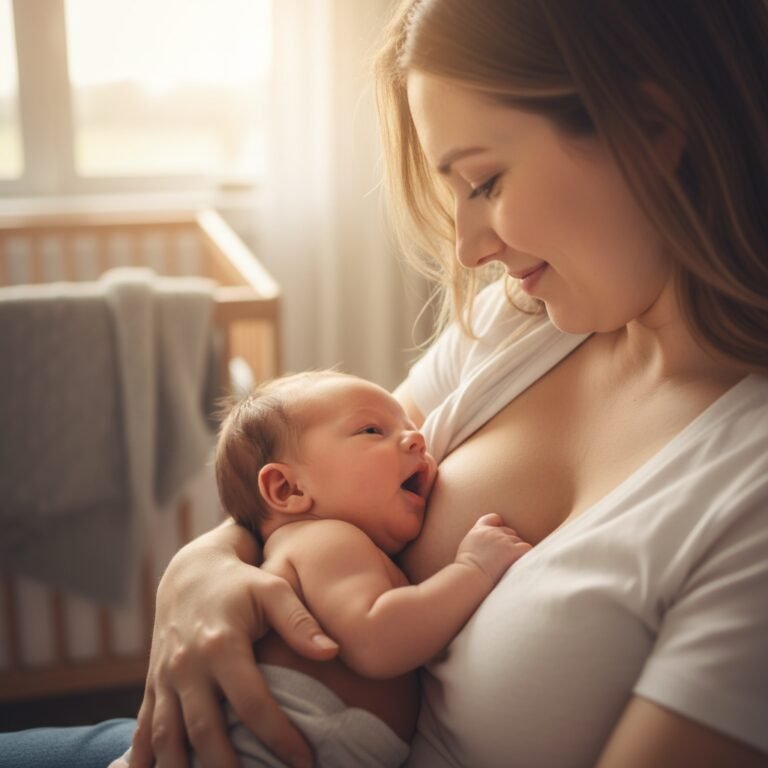
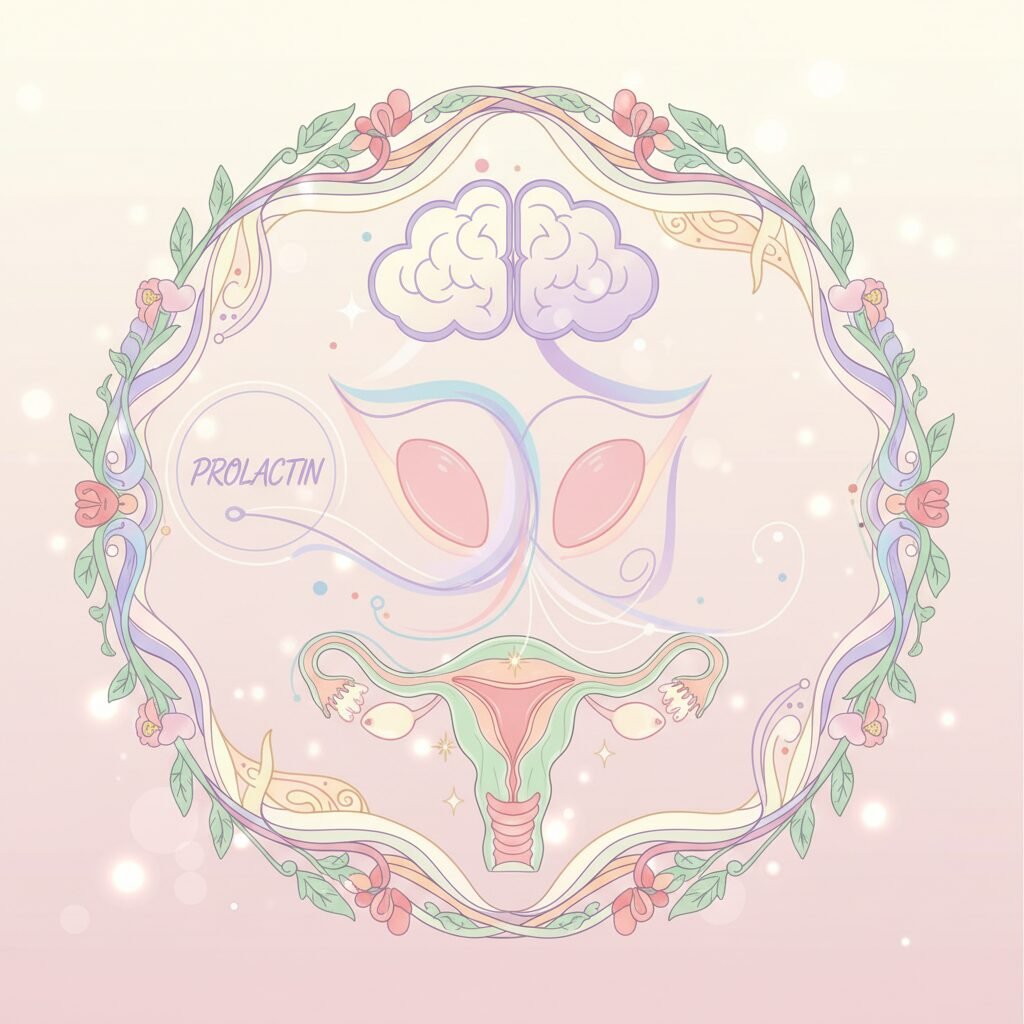
The star of this show is a hormone called prolactin. Its main job is to tell your breasts to produce milk. When your baby latches on and nurses, their suckling sends a signal to your brain to release more prolactin. It’s a beautiful supply-and-demand system. But prolactin has a powerful side gig: it acts as a bouncer for the hormones that trigger ovulation.
Here’s a simplified look at what happens:
- High Prolactin Levels: Frequent, on-demand breastfeeding keeps your prolactin levels consistently high.
- Suppression of Ovulation Hormones: High prolactin levels send a message to your brain to suppress two key hormones needed for your menstrual cycle: Gonadotropin-releasing hormone (GnRH) and Luteinizing Hormone (LH).
- Ovulation on Hold: Without enough GnRH and LH, your ovaries don’t get the signal to mature and release an egg. No ovulation means no period.
This natural, temporary period of infertility is called Lactational Amenorrhea (Lactational = related to breastfeeding, Amenorrhea = absence of menstruation). Think of it as Mother Nature’s clever way of spacing out pregnancies, ensuring that a new mother’s body can devote its energy and resources to nourishing the baby she already has. It’s a biological safeguard that has been around for millennia!
The ‘Big Three’ Factors That Influence Your Period’s Return

So, if prolactin is the key, what makes its levels drop enough for your cycle to return? There isn’t a magic date on the calendar. Your personal timeline depends almost entirely on how you and your baby breastfeed. It’s a spectrum, not a switch. Let’s look at the three biggest factors that influence this process.
1. Frequency and Exclusivity of Breastfeeding
This is the most significant factor. The more often your baby is at the breast, and the more they rely on your milk for all their nutrition, the higher your prolactin levels will stay.
- Exclusive Breastfeeding: If your baby is receiving only breast milk, with no formula, water, or solid food, your period is likely to stay away longer.
- Nursing On-Demand: Responding to your baby’s hunger cues (which can be every 1-3 hours in the early months!) rather than following a strict schedule keeps that prolactin signal strong and steady.
- Night Feeds Matter: Prolactin levels are naturally higher at night. Those middle-of-the-night nursing sessions are hormonal powerhouses that play a huge role in keeping ovulation at bay.
2. The Introduction of Solids or Supplements
When your baby starts exploring the delicious world of solid foods (usually around 6 months) or begins taking bottles of formula or pumped milk, the dynamic changes. Even if you’re still breastfeeding frequently, these additions mean your baby will naturally start nursing a little less. Each dropped feeding, no matter how small, is a signal to your body. Your brain perceives a decreased ‘demand’ for milk, leading to a gradual drop in prolactin levels. This can be the very thing that nudges your ovaries to wake up and get back to business.
3. Your Baby’s Sleep Patterns
Ah, sleep. That precious, elusive commodity. When your baby starts sleeping for longer stretches at night—a milestone most parents celebrate with glee—it can also be a trigger for your cycle’s return. A five or six-hour stretch of sleep means a five or six-hour gap between nursing sessions. As we learned, those night feeds are crucial for maintaining high prolactin. As the gaps between feeds lengthen, especially overnight, your prolactin levels can dip low enough for your reproductive system to kick back into gear. So, ironically, the first sign that you’re finally getting more sleep might just be the return of your period.
Spotting the Signs: Is Your Fertility Returning?

Heads Up: Ovulation Comes First!
This is the single most important thing to remember about postpartum fertility. You will ovulate before you get your first period. The period itself happens about two weeks after ovulation if the egg isn’t fertilized. This means you can be fertile and able to conceive without ever having seen a single drop of blood since before you were pregnant.
A Gentle Warning: Because ovulation precedes your period, you can absolutely get pregnant on that very first cycle. If you are not ready to have another baby right away, it’s essential to have a reliable birth control plan in place *before* you think your fertility might be returning.
So, how can you know if your body is gearing up to ovulate? While there’s no foolproof way to tell without tracking, you can watch for some familiar signs, just like you might have pre-pregnancy:
- Changes in Cervical Mucus: This is often one of the first and most reliable clues. As your body prepares for ovulation, you may notice your cervical mucus become more plentiful, clear, slippery, and stretchy—often described as having the consistency of raw egg whites. This fertile-quality mucus is designed to help sperm survive and travel.
- Increased Libido: A surge in estrogen as your body approaches ovulation can sometimes lead to a noticeable increase in your sex drive. It might be your body’s not-so-subtle hint that it’s getting ready to be fertile again.
- Light Spotting: Some women experience a little bit of spotting around the time of ovulation.
- Ovulation Pain: You might feel a slight twinge or cramping on one side of your lower abdomen, known as ‘mittelschmerz’. This is the sensation of the ovary releasing an egg.
Paying attention to these subtle shifts can give you a valuable heads-up that your cycle is on its way back.
Family Planning While Nursing: Your Options
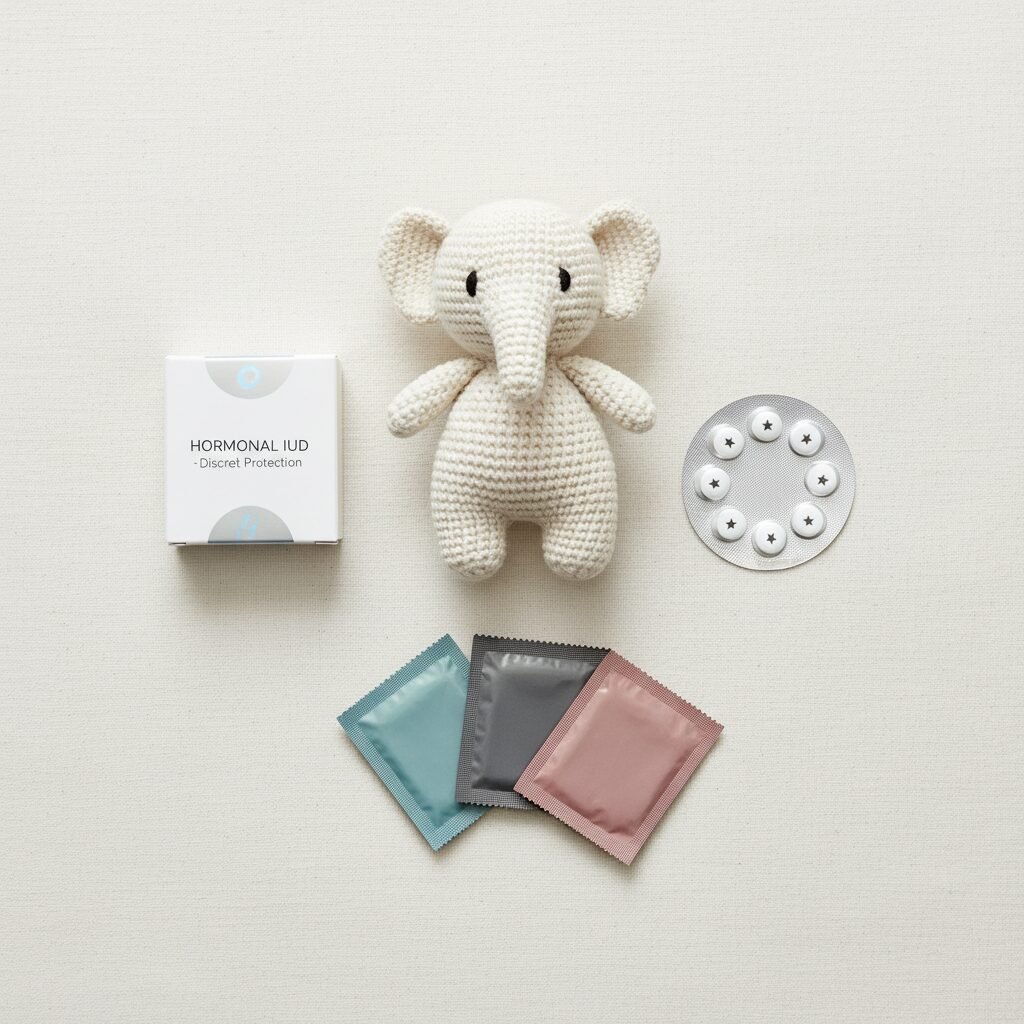
Whether you’re hoping to avoid another pregnancy for a while or thinking about family expansion, it’s wise to understand your options. The good news is that there are many safe and effective methods of contraception that are perfectly compatible with breastfeeding. It’s always best to have a detailed conversation with your OB/GYN or midwife to decide what’s right for you, usually at your 6-week postpartum checkup.
The Lactational Amenorrhea Method (LAM)
Let’s start with the ‘natural’ method we’ve been discussing. LAM can be highly effective—up to 98%—but only if you meet all three of these criteria, without exception:
- Your baby is less than 6 months old.
- Your period has not yet returned.
- You are exclusively breastfeeding on demand, day and night, with no formula, solids, or long gaps between feedings.
Once any one of these changes—your baby turns 6 months, you get a period, or you start supplementing—LAM is no longer a reliable method, and you need to use a backup form of birth control.
Comparing Breastfeeding-Friendly Contraception
Here’s a look at some of the most common options recommended for nursing mothers:
| Method | How It Works | Things to Consider |
|---|---|---|
| Barrier Methods (Condoms, Diaphragm) | Physically block sperm from reaching the egg. Non-hormonal. | Easy to use, no effect on milk supply. Must be used correctly every time. |
| Progestin-Only ‘Mini-Pill’ | A daily pill with only progestin (no estrogen). Thickens cervical mucus and can suppress ovulation. | Generally considered safe for milk supply. Must be taken at the same time every day to be effective. |
| Hormonal IUD (e.g., Mirena, Kyleena) | A small, T-shaped device placed in the uterus that releases a low dose of progestin. Lasts for 5-8 years. | Highly effective and low-maintenance. Some women experience irregular bleeding initially. |
| Copper IUD (Paragard) | A non-hormonal IUD that uses copper to create an environment toxic to sperm. Lasts for up to 10 years. | Completely hormone-free and very effective. Can sometimes make periods heavier or more crampy. |
| The Implant (e.g., Nexplanon) | A small rod inserted under the skin of your upper arm that releases progestin. Lasts for 3 years. | Very effective and convenient. Irregular bleeding is a common side effect. |
| The Shot (Depo-Provera) | An injection of progestin given every 3 months. | Convenient, but can have a delayed return to fertility after stopping. Some providers wait until 6 weeks postpartum to give the first shot. |
Notice a theme? Most hormonal methods recommended during breastfeeding are progestin-only. Combination methods containing estrogen (like most standard birth control pills, the patch, and the ring) are often avoided, at least in the early months, due to a potential risk of decreasing milk supply in some women.
Conclusion
Navigating your postpartum body is a journey of rediscovery. The return of your period and fertility is not just a biological event; it’s a sign that your body is moving into a new phase of motherhood. Remember, there is no ‘normal’ timeline. Some exclusively breastfeeding mothers will see their cycle return at 4 months postpartum, while others might celebrate their baby’s first birthday before it reappears. Both are completely normal.
Be patient and compassionate with yourself. Your body has done—and is continuing to do—something truly incredible. Listen to its cues, don’t hesitate to reach out to your healthcare provider with questions about your cycle or family planning, and trust the unique path your body is on. You’ve got this.