
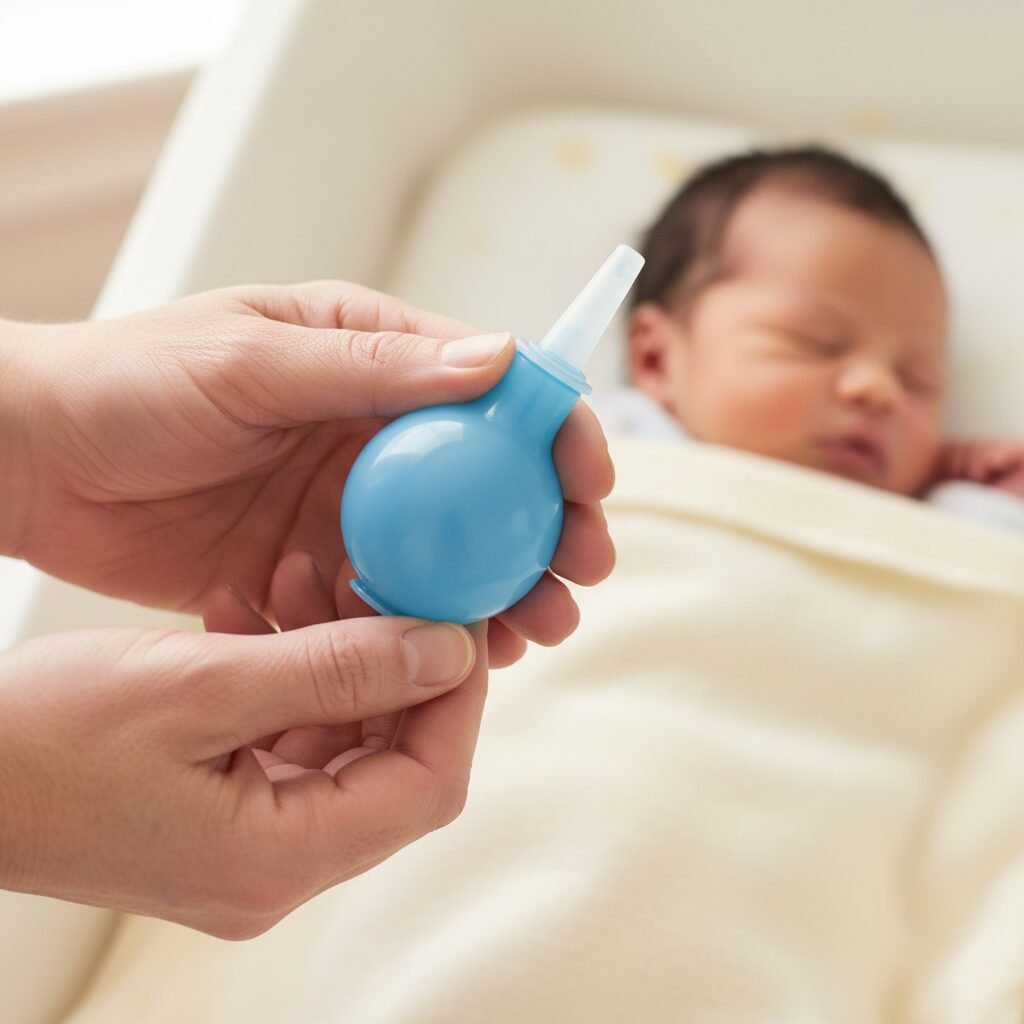
How To Use A Bulb Syringe Like A Nurse (Without Hurting Baby)
Hearing your tiny newborn struggle with a stuffy nose is enough to make any new parent’s heart ache. They can’t blow their own nose, and their discomfort is so palpable, especially during feeding and sleeping. You’ve probably seen the blue rubber bulb syringe they gave you at the hospital, but it can feel like a mysterious and slightly intimidating tool. How hard do you squeeze? How far does it go in? Am I going to hurt my baby?
Take a deep breath. As a pediatric nurse and lactation consultant, I’ve taught thousands of new parents this exact skill, and I’m here to walk you through it, step-by-step. We’re going to turn that little bulb from an object of anxiety into your trusted ally for conquering congestion. Let’s learn how to use it safely and effectively, just like a nurse, so you can help your little one breathe easy and get back to the sweet business of being a baby.
First Things First: When (and When Not) to Use a Bulb Syringe

Before you even reach for the syringe, it’s important to play detective. Is this a job for the bulb syringe, or is something else going on? Babies, especially newborns, are obligate nose breathers, which means they breathe primarily through their noses. Even a small amount of mucus can make feeding and sleeping a real challenge.
Signs Your Baby Might Need Help:
- Noisy Breathing: You might hear whistling, snorting, or rattling sounds as they breathe.
- Trouble Feeding: Because babies need to breathe through their nose while eating, congestion can make them pull off the breast or bottle frequently, gasping for air. They might get frustrated and tired quickly.
- Increased Fussiness: Discomfort from a stuffy nose can make your usually calm baby irritable and hard to soothe.
However, more is not always better. The inside of your baby’s nose is incredibly delicate. Overusing a bulb syringe can cause irritation, swelling, and even minor bleeding, which can make the congestion worse. Think of it as a tool for targeted relief, not a daily routine.
Nurse’s Tip: A bulb syringe is for clearing out specific, bothersome mucus that you can see or hear. If your baby just has some noisy breathing but is otherwise happy and feeding well, you might not need to intervene at all. A little saline spray can often do the trick on its own!
The golden rule is to use it only when necessary—typically before a feed or bedtime if congestion is causing a clear problem. We’re aiming for 2-4 times in a 24-hour period, maximum.
Setting the Stage: Your Pre-Suction Checklist

A calm baby and a prepared parent make for a much smoother experience. Rushing this process will only stress you both out. Take two minutes to get everything set up perfectly. Think of it as your own little nurse’s station.
1. Gather Your Supplies
Have everything within arm’s reach before you even pick up your baby. You’ll need:
- Your Bulb Syringe: Make sure it’s clean and completely dry on the inside.
- Saline Drops or Spray: This is non-negotiable! Saline is simply a sterile saltwater solution that helps to thin and loosen the mucus, making it a hundred times easier to remove. You can buy this over-the-counter; look for a product specifically for infants.
- A Soft Cloth or Tissues: For wiping away any drips and for expelling the mucus onto.
- A Swaddle Blanket: A securely swaddled baby can’t flail their arms and knock the syringe away, making the process safer and quicker.
2. Position Your Baby Securely
Safety and comfort are key. Lay your baby on their back on a flat, safe surface like a changing table or the floor. It’s helpful to slightly elevate their head. You can do this by placing a small, rolled-up towel under their head and shoulders (never just under the head, as this can crimp their airway). Cradling them in the crook of your arm also works well, as it keeps them feeling secure.
3. Prepare the Saline
With your baby positioned, it’s time for the secret weapon. Gently tilt your baby’s head back slightly and squeeze 1 to 2 drops of saline into one nostril. They might sneeze or cough—that’s totally normal! It means the saline is doing its job. Wait for about 30-60 seconds to let the saline work its magic and loosen things up before you introduce the syringe.
The Gentle Squeeze: A Step-by-Step Guide to the Nurse’s Technique

Okay, deep breath. You’ve done the prep work, and now it’s time for the main event. Remember, the goal is gentle, effective suction, not an aggressive deep clean. This is a finesse move!
- Squeeze the Air OUT First: This is the most important step people miss. With the syringe away from your baby, squeeze the bulb firmly to push all the air out. Keep it squeezed.
- Gentle Insertion: While still holding the bulb compressed, gently place the rubber tip just inside your baby’s nostril. We’re talking about 1/4 to 1/2 an inch—just enough to create a seal. Aim the tip toward the side of the nose, not straight up towards the brain. This is more comfortable and effective.
- Slow and Steady Release: Now, slowly and smoothly release your grip on the bulb. This creates the gentle suction that will draw the mucus out. If you release it too fast, you could startle your baby or create too much pressure. Think of it like slowly drawing liquid into a dropper.
- Remove and Expel: Remove the syringe from your baby’s nose. Now, aim the tip over your tissue and give it a sharp squeeze to expel the mucus. See what you got? Success!
- Wipe and Repeat: Wipe the tip of the syringe clean. If the other nostril is also congested, repeat the entire process, starting with the saline drops on the other side.
CRITICAL SAFETY WARNING: Never squeeze the bulb while the tip is inside your baby’s nose. This will shoot a puff of air up their nasal passage, which is uncomfortable and can push mucus further in. Always squeeze the air out *before* you insert the tip.
Troubleshooting and Common Worries, Answered

Even when you do everything right, you might have questions or run into little hiccups. Don’t worry, that’s completely normal. Here are some of the most common concerns I hear from parents.
“Help! Nothing is coming out!”
This is common! It could mean a few things. The mucus might be too thick or too far back. Try another drop or two of saline and wait a full minute. Sometimes, a warm, steamy environment can help. Try running a hot shower and sitting in the steamy bathroom (not in the shower!) with your baby for 10-15 minutes before you try again.
“My baby absolutely HATES it!”
Of course they do! No one enjoys having something stuck up their nose. It’s a strange and uncomfortable sensation. Acknowledge their protest with a calm voice. Try to be quick and efficient. Singing a little song or using a distracting toy can sometimes help. If they are really fighting it, it’s better to stop and try again later when they are calmer. A two-person approach can also be a game-changer—one person to hold and soothe, the other to suction.
“I saw a tiny speck of blood. Did I hurt them?”
Seeing a little streak of blood on the tissue can be alarming, but it’s usually not a cause for panic. The nasal passages are lined with tiny, fragile blood vessels. A bit of irritation from the syringe tip or even from dry air can cause a speck of bleeding. It’s a sign to be even more gentle next time and to make sure you aren’t over-suctioning. However, if you see more than a tiny streak or have repeated bleeding, it’s time to call your pediatrician.
The Final, Crucial Step: Cleaning and Storing Your Syringe

You wouldn’t reuse a dirty tissue, and you definitely shouldn’t reuse a dirty bulb syringe. A warm, moist, dark environment is a breeding ground for mold and bacteria. Proper cleaning is not optional—it’s essential for your baby’s health.
How to Clean Your Bulb Syringe After Each Use:
- Suck and Squirt Soapy Water: Prepare a bowl of warm, soapy water. Squeeze the bulb, place the tip in the soapy water, and release to suck it up. Shake it vigorously for a few seconds. Then, squeeze it all out. Repeat this several times until you’re confident the inside is clean.
- Rinse Thoroughly: Empty your bowl and refill it with clean, warm water. Repeat the suck-and-squirt process with the clean water to rinse out all the soap residue.
- Squeeze Out ALL Water: This is key to preventing mold. Squeeze the bulb as hard as you can multiple times to get every last drop of water out.
- Air Dry Completely: Place the syringe, tip-side down, in a cup or drying rack so any remaining moisture can drain out. Let it air dry completely before storing it.
Some modern bulb syringes can be pulled apart for easier cleaning. If you have one of these, that’s fantastic! Follow the manufacturer’s instructions for washing and drying. Plan to replace your bulb syringe every few months, or immediately if you ever see any black specks (mold) on the inside.
Conclusion
You did it! You’ve learned how to tackle your baby’s stuffy nose with the confidence and gentleness of a pro. It might not be your favorite parenting task, but knowing you can provide that immediate relief for your little one is incredibly empowering. Remember the key steps: saline first, squeeze the bulb before you go in, be gentle and shallow, and clean it thoroughly every single time.
Being a new parent is a journey of learning new skills you never thought you’d need. Each one you master, from the perfect swaddle to the gentle suction, builds your confidence. You are your baby’s expert and their ultimate source of comfort. You’ve got this.
When to Call the Doctor
While most stuffy noses are just that, it’s important to know the signs that warrant a call to your pediatrician. Contact them if your baby has congestion along with a fever (100.4°F or higher for a newborn), shows any signs of labored breathing (nostrils flaring, chest retracting), is too lethargic to eat, or shows signs of dehydration (fewer than 6 wet diapers in 24 hours).