Are Anti Reflux Pillows Safe For Newborn Sleep? What Experts Say
Oh, those long, challenging nights with a fussy, uncomfortable baby. When your little one is struggling with reflux, spitting up, and seems to be in constant discomfort, you’d do absolutely anything to help them feel better and get some precious sleep… for both of you! In your late-night searches, you’ve probably come across products marketed as ‘anti-reflux pillows,’ ‘nests,’ or ‘sleep positioners,’ all promising a magical, inclined solution. They look so cozy and convincing.
But as a pediatric nurse and lactation consultant who has spent decades helping new families, my first priority is always your baby’s safety. So, let’s take a deep breath together and have an honest, compassionate talk about these products. What does the science say? What do the real experts—the pediatricians and safety commissions—recommend? Let’s navigate this together and find solutions that are both effective and, most importantly, safe.
First, Let’s Understand Newborn Reflux: Spit-Up vs. A Bigger Problem
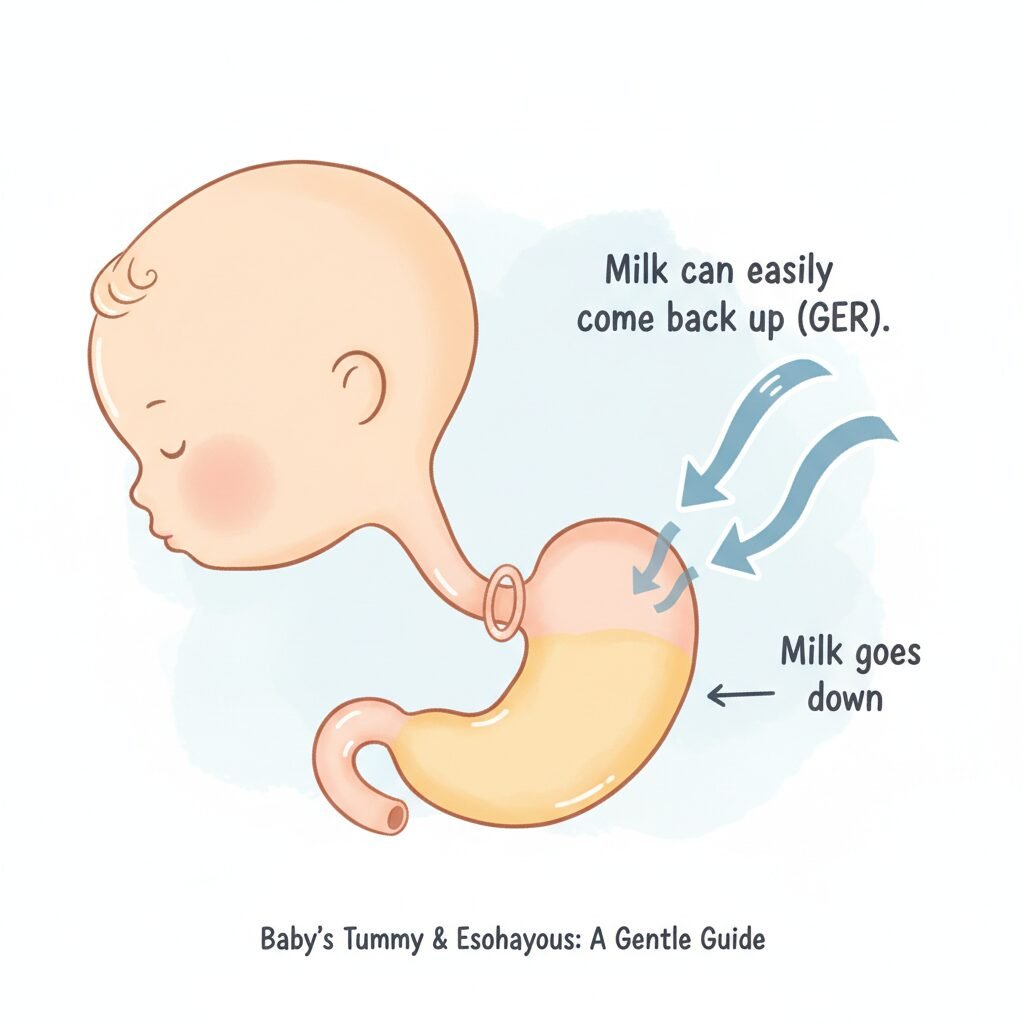
Before we can talk about solutions, it’s helpful to understand what’s actually happening in your baby’s tiny body. That frequent spit-up you’re seeing? It’s usually something called gastroesophageal reflux, or GER. It’s incredibly common—and almost always normal!
A newborn’s digestive system is still a work in progress. The muscular ring at the top of the stomach (the lower esophageal sphincter) that’s supposed to keep food down is still a bit weak. This means milk and stomach acid can easily flow back up, especially when they’re lying down. For most babies, this is just a laundry problem, not a medical one! They might be ‘happy spitters,’ perfectly content and gaining weight well.
However, in a small number of cases, reflux can be more severe. This is known as gastroesophageal reflux disease (GERD). This is when the reflux causes more serious symptoms and health issues. Knowing the difference can help you have a more productive conversation with your pediatrician.
Is it Normal Spit-Up (GER) or Something More (GERD)?
| Symptom | Likely Normal GER (“Happy Spitter”) | Potential Sign of GERD (Talk to Your Doctor) |
|---|---|---|
| Spitting Up | Effortless spit-up or small dribbles after feeding. | Forceful or projectile vomiting. Spit-up is yellow, green, or looks like coffee grounds. |
| Feeding Behavior | Feeds well and seems content. | Arching the back, crying, and showing signs of pain during or after feeds. Refusing to eat. |
| Weight Gain | Gaining weight steadily. | Poor weight gain or weight loss. |
| General Mood | Generally happy and comfortable when not spitting up. | Persistent irritability, crying, and poor sleep that seems linked to discomfort. |
| Breathing | Normal breathing. | Coughing, gagging, choking, or wheezing. |
Remember, this table is just a guide. If you have any concerns about your baby’s health, feeding, or comfort, your pediatrician is your best resource. They can provide a proper diagnosis and help you create a plan.
The Official Verdict: What the AAP and FDA Say About Anti-Reflux Pillows
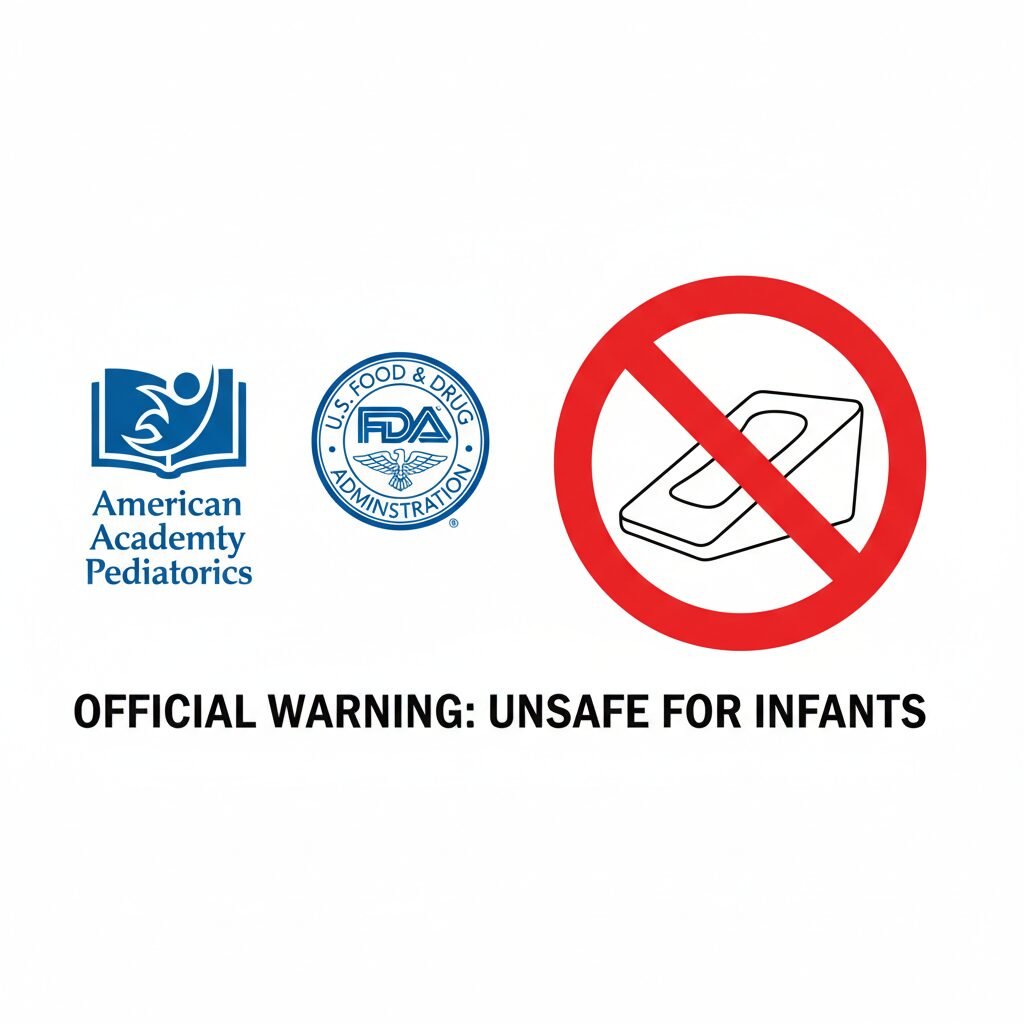
Now for the big question: are these anti-reflux pillows and sleep positioners the answer? The answer from every major pediatric health and safety organization in the United States is a clear, resounding, and unequivocal NO.
This isn’t just a matter of opinion; it’s a critical safety warning based on tragic evidence. Organizations like the American Academy of Pediatrics (AAP), the U.S. Food and Drug Administration (FDA), and the Consumer Product Safety Commission (CPSC) have all issued strong warnings urging parents and caregivers to never use these products for infant sleep.
Safety Warning: The FDA has stated, “These products—sometimes also called nests or anti-roll pillows—can cause suffocation (a struggle to breathe) that can lead to death.”
Why are they so dangerous? These products go directly against the foundational principles of safe sleep. The AAP’s safe sleep guidelines, which have dramatically reduced the rate of Sudden Infant Death Syndrome (SIDS), are built on the concept of a completely clear, flat sleep space. Any pillow, positioner, or incline introduces deadly hazards.
In 2019, the CPSC implemented a new federal safety standard that effectively banned the sale of inclined sleepers for infants, following numerous reported infant deaths associated with these types of products. Even if a product is marketed for ‘reflux’ or ‘colic,’ if it holds a baby on an incline for sleep, it is not considered safe.
The Science of Safety: Unpacking the Risks of Inclined Sleep
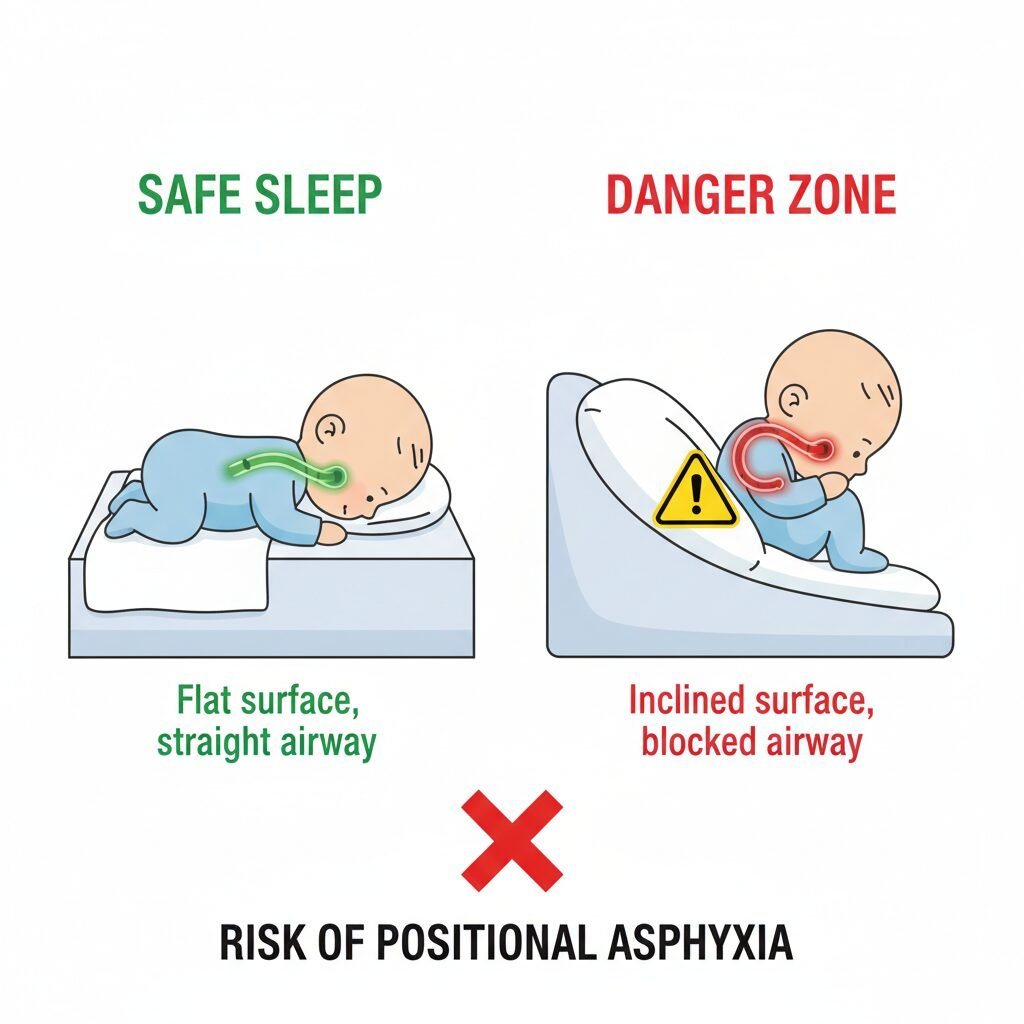
It can be hard to understand how something that looks so soft and supportive could be dangerous. Let’s break down the specific mechanical risks that these products create for your precious little one.
Positional Asphyxia: A Silent Danger
Newborns have heavy heads and weak neck muscles. When a baby is placed on an incline, their head can easily slump forward, causing their chin to press down onto their chest. This position can pinch and obstruct their tiny, flexible airway, making it difficult or impossible to breathe. This is called positional asphyxia, and it can happen silently, without a struggle.
Suffocation Risk
Anti-reflux pillows are, by definition, soft. If a baby turns or rolls their head, their face can press into the soft fabric of the pillow or its raised sides. Because they lack the strength and coordination to lift and reposition their head, their nose and mouth can become blocked, leading to suffocation.
Increased Risk of Rolling and Entrapment
While these products are often called ‘positioners,’ they can actually increase the risk of a baby rolling into an unsafe position. A baby could roll over within the positioner and get trapped against the side in a way that obstructs their breathing. They could also roll out of the device and become entrapped between the product and the side of the crib or bassinet.
All of these risks contribute to an increased danger of SIDS and other sleep-related infant deaths. The safest position is flat on the back, which keeps the airway open and clear.
Safe and Soothing Alternatives: How to *Actually* Help Your Refluxy Baby

Okay, so we know the pillows are out. That’s a crucial first step! But that doesn’t leave you without options. I promise! There are many safe, expert-approved ways to manage your baby’s reflux and improve their comfort. The focus should be on managing symptoms while your baby is awake and ensuring sleep is always safe.
- Hold Baby Upright After Feedings: This is your new best friend! Gravity helps keep the milk down. After every feeding (breast or bottle), hold your baby in an upright position for at least 20-30 minutes. This can be a wonderful time for cuddling, singing, or reading a book.
- Offer Smaller, More Frequent Feedings: A very full tummy is more likely to cause reflux. Instead of larger, less frequent feeds, try offering slightly less milk more often. This prevents the stomach from getting overfilled.
- Burp Like a Pro: Don’t wait until the end of a feeding to burp. If bottle-feeding, burp after every 1-2 ounces. If breastfeeding, burp when you switch sides. Getting those air bubbles out reduces pressure in the stomach.
- Check Your Latch or Nipple Flow: For breastfed babies, a poor latch can cause them to swallow a lot of air. A lactation consultant (like me!) can be a huge help. For bottle-fed babies, ensure the nipple flow isn’t too fast or too slow, as both can lead to swallowing extra air.
- Talk to Your Doctor About Formula: If you’re formula-feeding, your pediatrician might suggest trying a different type, such as a hypoallergenic or thickened formula. Never switch formulas or add anything (like rice cereal) to a bottle without explicit medical guidance.
- Consider Your Diet (If Breastfeeding): In some cases, a breastfeeding parent’s diet might be a factor. Common culprits like dairy or soy can sometimes cause digestive upset in sensitive babies. This isn’t always the case, so discuss this possibility with your doctor or a lactation consultant before making major dietary changes.
A Note on Elevating the Crib: You may have heard advice to place a wedge under the crib mattress to create a slight incline. This should only be done if your pediatrician specifically diagnoses your baby with a severe medical condition like GERD and explicitly recommends this specific action. Never place any pillows, wedges, or towels inside the crib on top of the mattress.
Your Ultimate Guide to a Safe Sleep Sanctuary: The ABCs Revisited

When you’re exhausted and overwhelmed, it’s easy to forget the basics. So let’s create a mental checklist for every single time you put your baby down to sleep, whether it’s for a nap or for the night. This is the gold standard for infant safety, recommended by all pediatric experts.
Just remember your ABCs of Safe Sleep:
-
A is for ALONE
Your baby should always sleep alone in their own separate sleep space. This means no pillows, no blankets, no bumpers, no stuffed animals, and no sleep positioners. The only things in the crib should be a firm mattress that fits snugly and a fitted sheet. Wearable blankets or sleep sacks are a great, safe way to keep your baby warm.
-
B is for BACK
Always place your baby on their back to sleep. The ‘Back to Sleep’ campaign (now called ‘Safe to Sleep’) is one of the most successful public health initiatives in history for a reason—it saves lives. Even if your baby has reflux, studies show they are safest on their back. They have reflexes that help them protect their airway if they spit up.
-
C is for CRIB
Your baby should sleep in a crib, bassinet, or portable play yard that meets the current safety standards of the CPSC. Avoid letting your baby sleep in products that aren’t designed for safe sleep, such as swings, car seats (outside of the car), or baby loungers.
Putting these ABCs into practice for every sleep creates the safest possible environment and significantly reduces the risk of all sleep-related infant deaths.
Conclusion
Navigating new parenthood is a journey filled with love, joy, and a healthy dose of worry. When your baby is uncomfortable with reflux, it’s completely natural to want to find a quick fix. The marketing for anti-reflux pillows and inclined sleepers can be incredibly persuasive to a sleep-deprived parent.
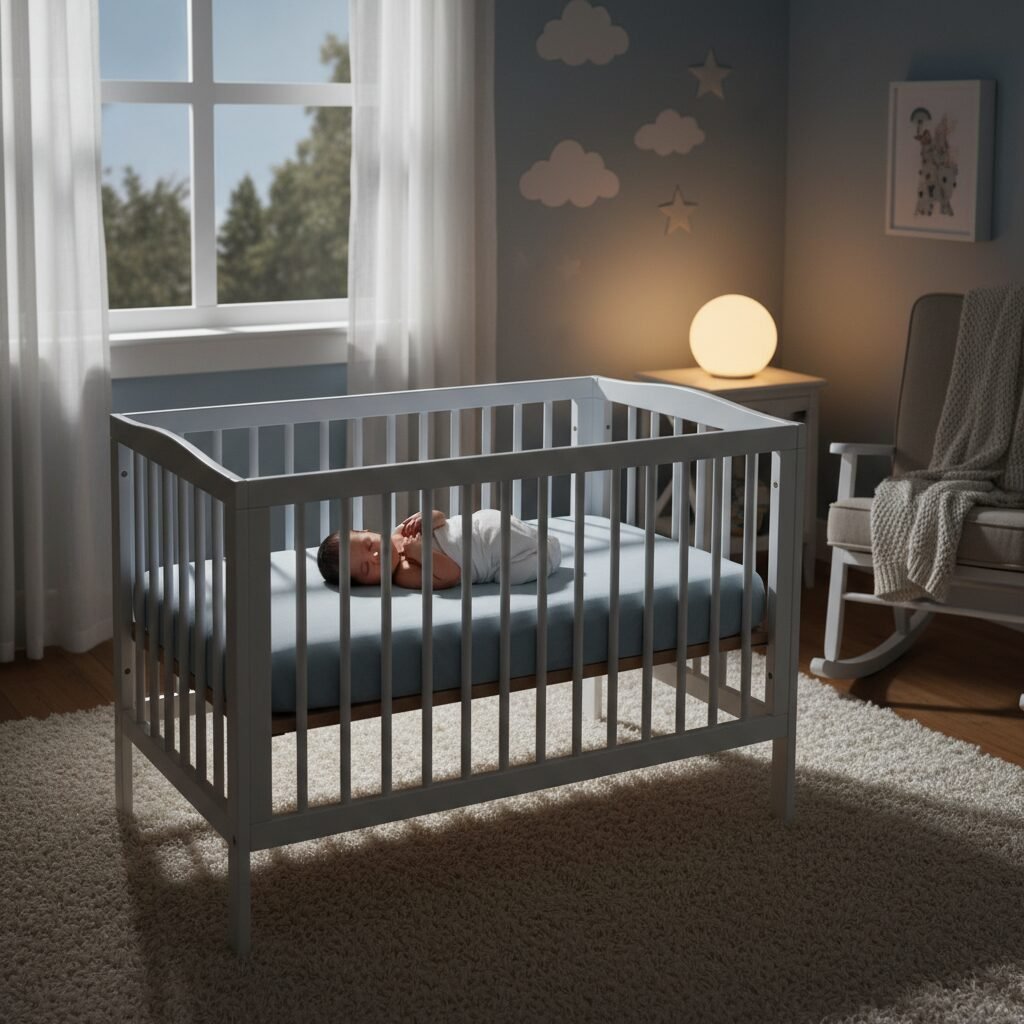
However, the expert consensus and safety data are crystal clear: these products are not safe for infant sleep and introduce unacceptable risks. Your baby’s safety is paramount, and a flat, empty crib is the only place for them to sleep soundly and securely.
Instead of reaching for a risky product, empower yourself with knowledge. Focus on the safe, gentle reflux management techniques we’ve discussed, and always keep the ABCs of Safe Sleep as your guiding principle. You are your baby’s greatest protector. Trust your instincts, lean on your pediatrician for support, and know that you are doing an amazing job. This reflux phase is temporary, but the safe habits you build now will last a lifetime. You’ve got this.