Humidifier or Air Purifier? Which Gadget Does Your Nursery Actually Need?
Welcome, new parents! As you meticulously plan every detail of your baby’s nursery, from the color of the walls to the softness of the crib sheets, you’ll inevitably encounter the great gadget debate: humidifier or air purifier? It’s a question I hear all the time. The internet is flooded with strong opinions, and it’s easy to feel like you need every single product to be a ‘good’ parent. Let me reassure you – you don’t.
As a pediatric nurse who has spent decades helping families create safe and comfortable spaces for their little ones, I’m here to be your friendly guide. We’re going to cut through the noise, demystify what these two popular devices actually do, and figure out what makes the most sense for your unique home and your precious baby. So take a deep breath (of hopefully clean, comfortable air!), and let’s dive in together.
The Humidifier: Your Ally Against Dry Air
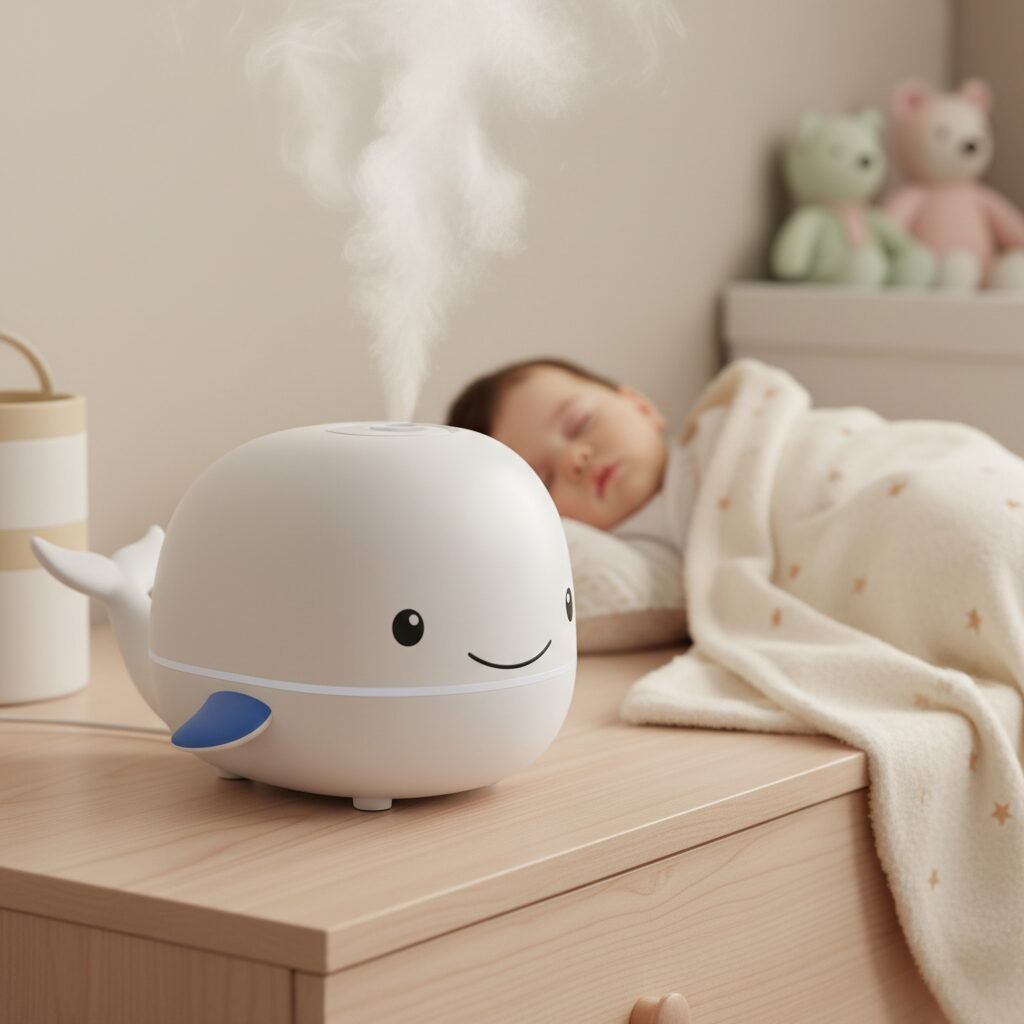
The Humidifier: Your Ally Against Dry Air
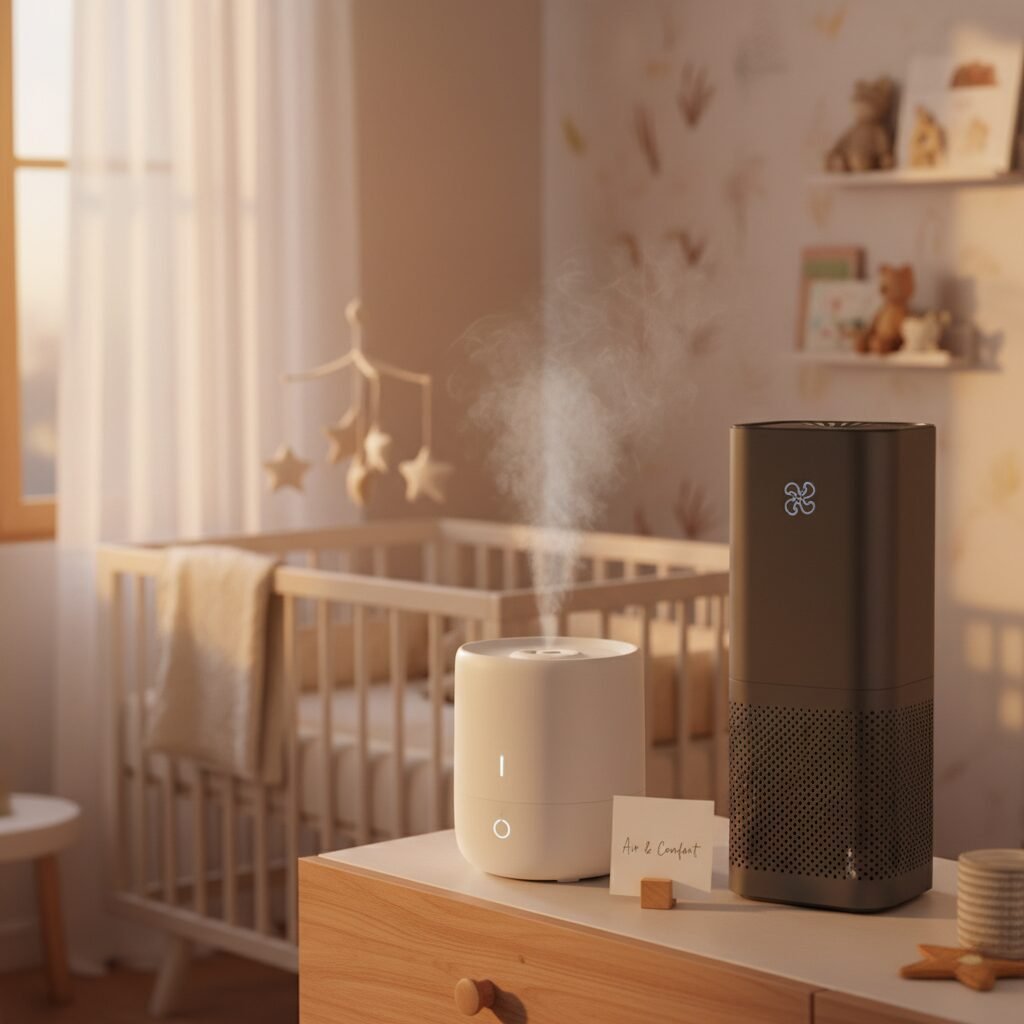
Let’s start with the humidifier. In the simplest terms, a humidifier’s job is to add moisture to the air. Think of it as giving the room a drink of water. Why would your baby’s room need this? Well, many things can zap the humidity from the air, especially central heating in the winter or living in an arid climate. When the air is too dry, it can be tough on a baby’s delicate respiratory system.
When a Humidifier Shines
A humidifier can be a real game-changer in a few specific situations:
- Easing Cold Symptoms: Babies are ‘obligate nose breathers,’ meaning they primarily breathe through their noses. When they get a cold, that tiny nasal passage gets stuffed up, making breathing, eating, and sleeping a challenge. Moist air helps to thin mucus, soothe inflamed nasal passages, and make it easier for your little one to breathe. It can also help calm a dry, hacking cough.
- Soothing Dry Skin: Just like our skin gets dry and itchy in the winter, so does a baby’s. If your little one is prone to dry skin or eczema, the added moisture in the air can provide significant relief and prevent flare-ups.
- Preventing Dry Throats: Ever wake up with a scratchy throat because the air is so dry? Babies experience that, too. A comfortable humidity level (ideally between 30% and 50%) can make for a much more comfortable night’s sleep.
Cool Mist vs. Warm Mist: The Only Safe Choice
You’ll see two main types of humidifiers on the market: cool mist and warm mist. While the idea of warm, steamy air might sound comforting, it poses a significant burn risk in a child’s room. If the unit is tipped over, the hot water can cause serious injury.
Safety Warning: The American Academy of Pediatrics (AAP) exclusively recommends using a cool-mist humidifier in children’s rooms to avoid any risk of burns. There is no need to ever use a warm-mist version in a nursery.
Cool-mist models are just as effective at adding humidity to the air and are the only safe option for your little one’s space.
The Air Purifier: Clearing the Air for Tiny Lungs
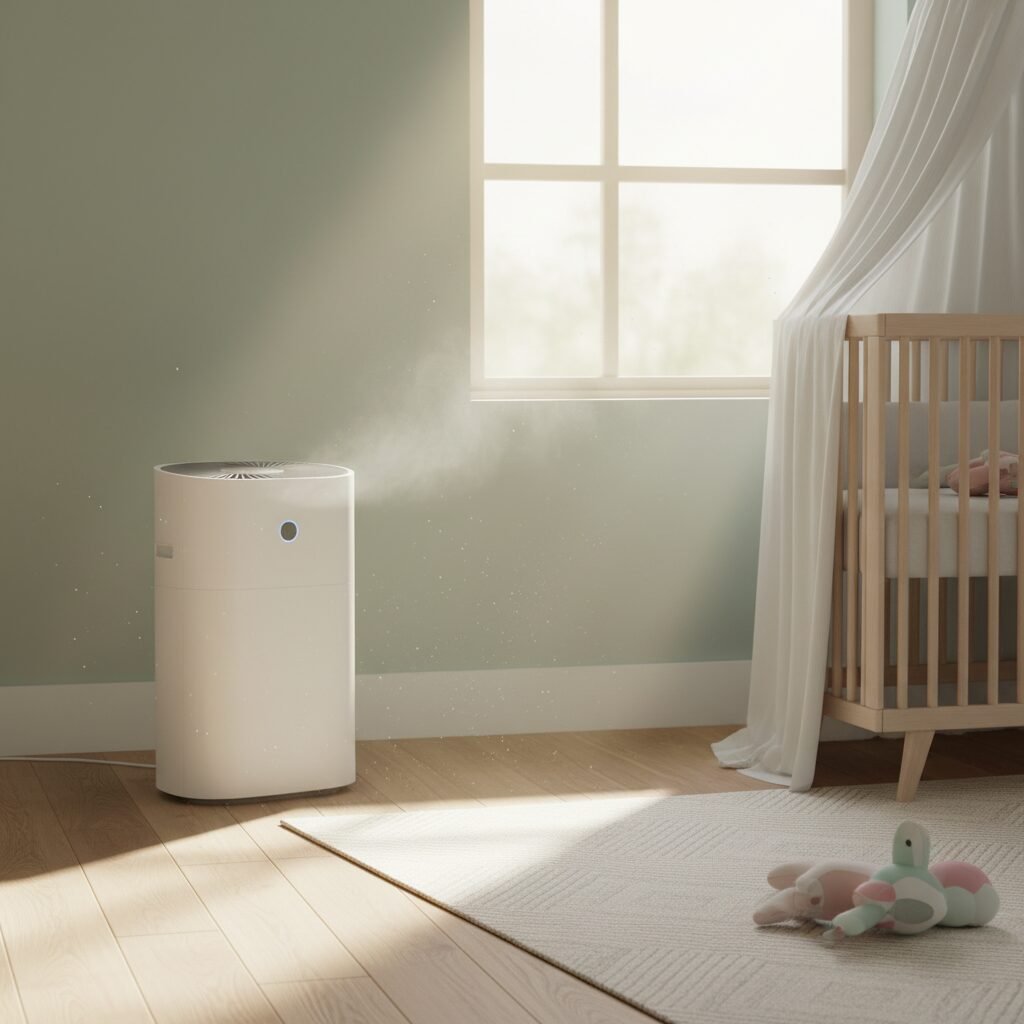
The Air Purifier: Clearing the Air for Tiny Lungs
Now, let’s switch gears to the air purifier. Unlike a humidifier that adds something to the air, an air purifier’s job is to take things out. It works by pulling in the air from the room, passing it through a series of filters, and releasing clean, purified air back out.
Who Really Needs an Air Purifier?
An air purifier isn’t a standard ‘must-have’ for every nursery, but it can be incredibly beneficial for certain families. The key is its filter, specifically a HEPA (High-Efficiency Particulate Air) filter. A true HEPA filter is certified to capture 99.97% of airborne particles as small as 0.3 microns.
You might consider an air purifier if your family falls into one of these categories:
- You Have Pets: We love our furry family members, but they produce dander (tiny flakes of skin) that can be a major allergen. An air purifier with a HEPA filter is excellent at trapping pet dander and keeping it out of your baby’s breathing space.
- Allergies or Asthma Run in the Family: If you or your partner suffer from allergies or asthma, your little one may be more susceptible. An air purifier can help capture common triggers like dust mites, pollen, and mold spores.
- You Live in an Urban Area or Near a Busy Road: City living can mean higher levels of pollution and airborne irritants from traffic. An air purifier can help create a cleaner indoor environment.
- Seasonal Concerns: During high-pollen seasons or periods of wildfire smoke, an air purifier can be a lifesaver for maintaining healthy indoor air quality.
Important Note: Steer clear of any air purifiers that use an ‘ionizer’ or produce ozone. Ozone is a lung irritant and is not safe for babies (or adults!). Stick to models that rely solely on physical filters like HEPA filters.
The Main Event: A Side-by-Side Comparison
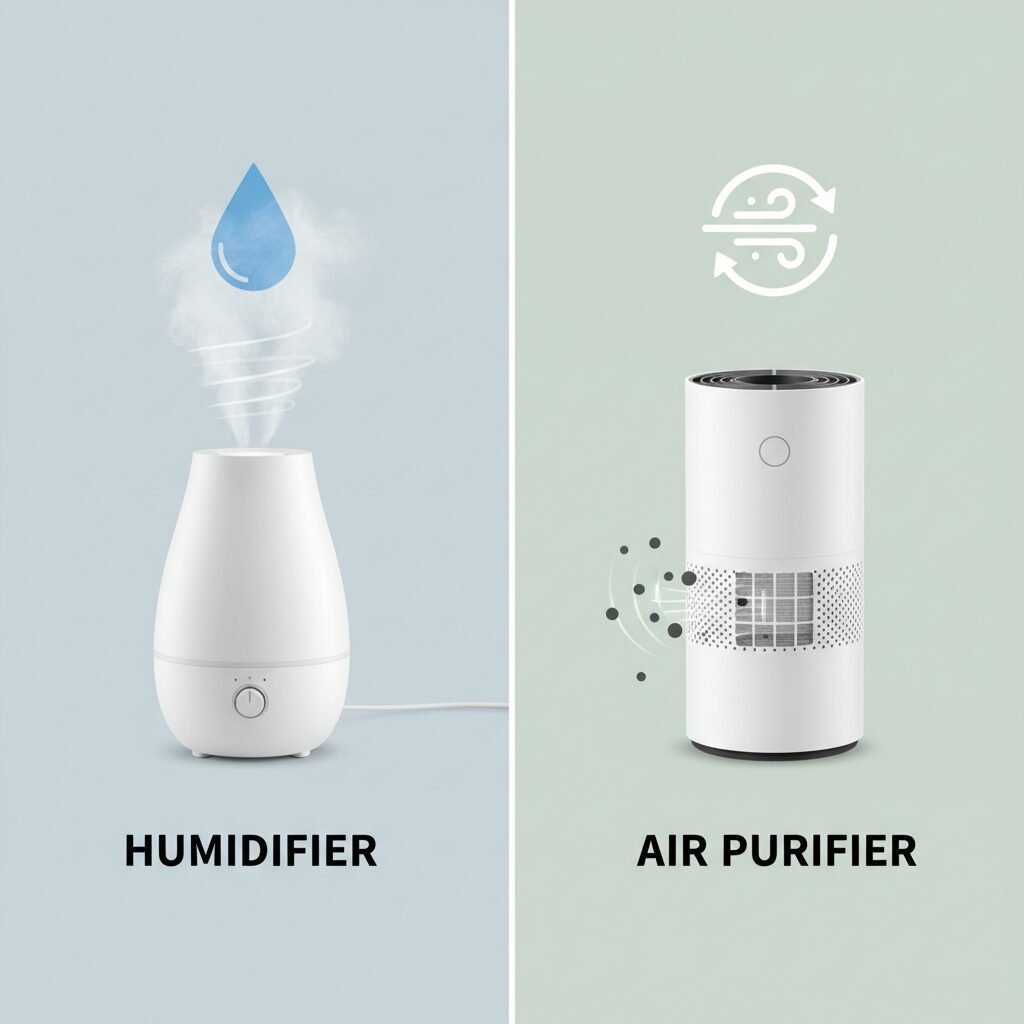
The Main Event: A Side-by-Side Comparison
Okay, you understand the basics of each. But how do they stack up when you look at them head-to-head? Sometimes seeing it all laid out makes the decision clearer. They are fundamentally different tools for different jobs.
| Feature | Cool-Mist Humidifier | HEPA Air Purifier |
|---|---|---|
| Primary Function | Adds moisture (water vapor) into the air. | Removes particles (dust, dander, pollen) from the air. |
| Best For… | Relieving congestion from colds, soothing dry skin and eczema, combating dry air from heating/AC. | Reducing airborne allergens, removing pet dander, filtering smoke and pollutants. |
| Core Technology | Uses ultrasonic vibrations or a wick filter to turn water into a fine mist. | Uses a fan to pull air through a physical HEPA filter. |
| Maintenance | High: Requires daily rinsing and weekly deep cleaning to prevent mold and bacteria growth. | Low: Requires filter replacement every 6-12 months, depending on the model and usage. |
| Potential Downside | If not cleaned properly, can disperse mold and bacteria into the air. Can also make a room feel damp if overused. | Does not help with congestion unless the congestion is caused by an allergen it can remove. Can be noisy on high settings. |
| Cost | Generally less expensive upfront, but requires distilled water for best performance. | Generally more expensive upfront, with recurring costs for filter replacements. |
As you can see, it’s not a matter of one being ‘better’ than the other. It’s like comparing a raincoat and a sweater—both are useful, but for entirely different weather conditions. A humidifier tackles the moisture level of the air, while an air purifier tackles the particulate level of the air.
Your Nursery Safety Checklist for Air Gadgets
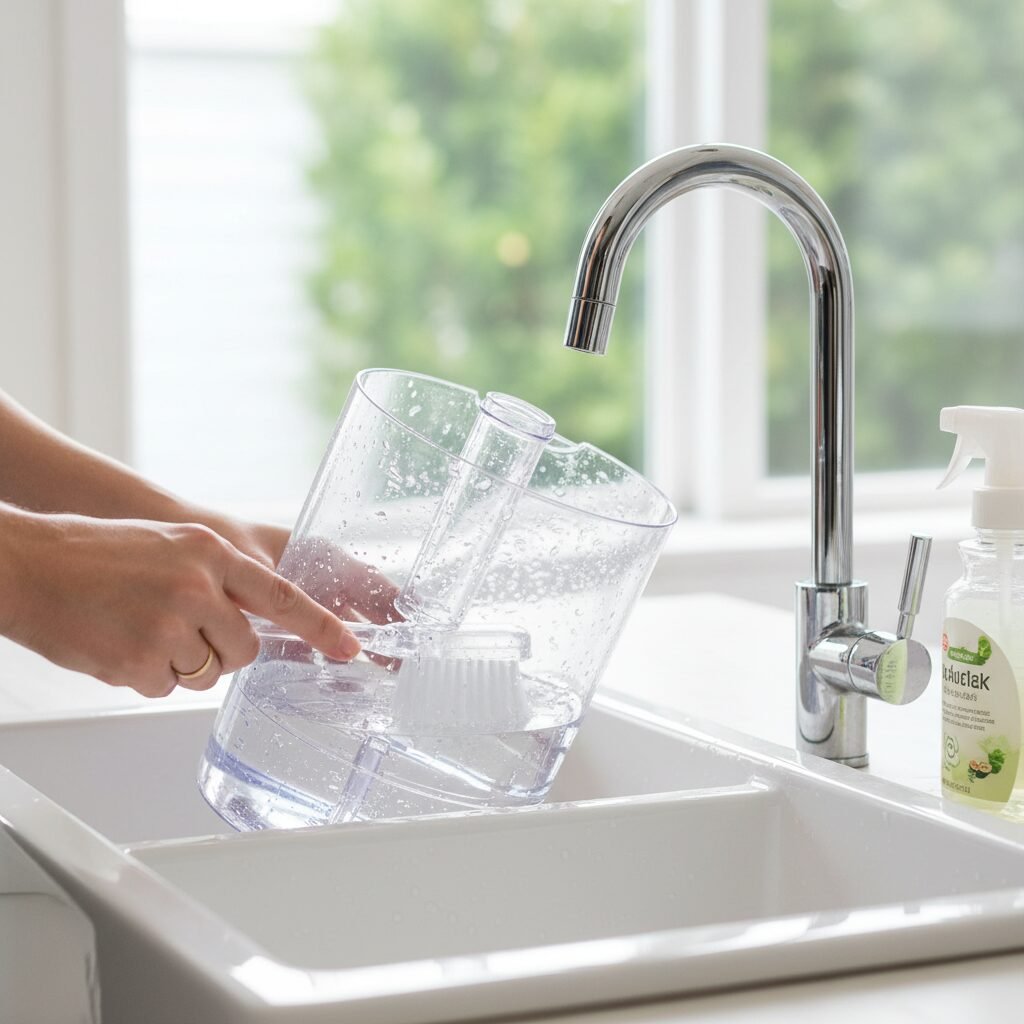
Your Nursery Safety Checklist for Air Gadgets
Bringing any electrical gadget into your baby’s room requires a little extra diligence. Your top priority is always safety, so let’s run through the essential dos and don’ts for both devices.
My Golden Rule: Whether it’s a humidifier or an air purifier, the most important thing is consistent and proper cleaning. A dirty device can do more harm than good.
For Your Humidifier:
- Clean, Clean, Clean: I can’t say this enough! A dirty humidifier is a breeding ground for mold and bacteria, which it will then spray into your baby’s room. Rinse the tank daily and do a thorough cleaning with vinegar or as per the manufacturer’s instructions at least once a week.
- Use Distilled Water: Tap water contains minerals that can create a fine white dust and encourage bacterial growth. Using distilled water is the safest bet for your baby’s lungs.
- Placement is Key: Place the humidifier on a flat, stable surface at least a few feet away from the crib and any wooden furniture (to prevent water damage). Most importantly, ensure it’s well out of your baby’s reach.
- Cord Safety: Keep the cord tucked away and secured so it doesn’t become a tripping or pulling hazard once your baby is mobile.
- Monitor Humidity: Don’t turn the nursery into a sauna! Too much humidity can encourage mold growth on walls and carpets. Aim for a level between 30-50%. A simple, inexpensive device called a hygrometer can help you monitor this.
For Your Air Purifier:
- Follow Filter Schedules: A clogged filter can’t do its job. Pay close attention to the manufacturer’s recommendations for changing the HEPA filter and any pre-filters. Set a reminder on your phone!
- Check for Ozone: Double-check that your model is a filter-based purifier and does not produce ozone. This is a non-negotiable safety point.
- Give It Space: Air purifiers need good circulation to work effectively. Don’t shove it into a tight corner or up against a wall. Give it at least a foot of clear space on all sides.
- Mind the Airflow: Don’t point the purifier’s air vent directly at the crib. While the air is clean, a constant draft isn’t comfortable for a sleeping baby.
Making the Right Choice for Your Family
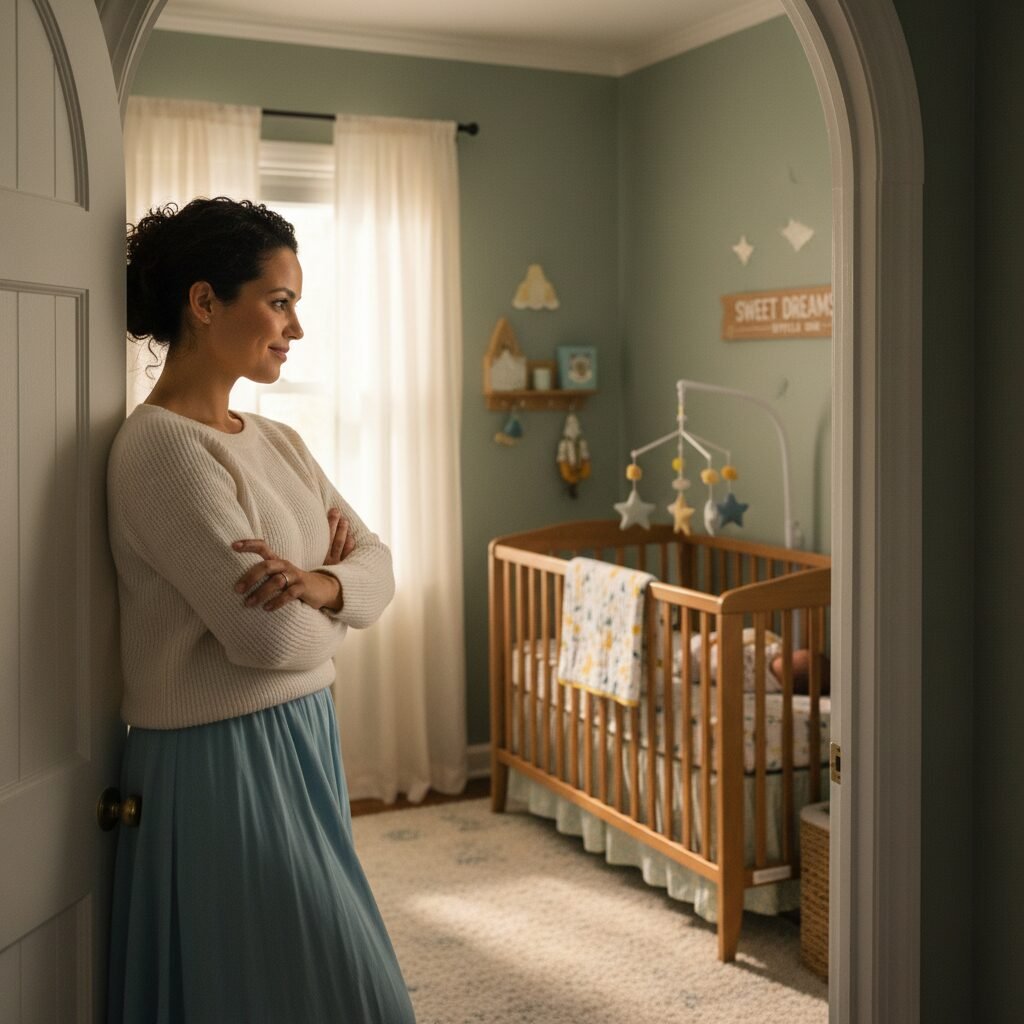
Making the Right Choice for Your Family
So, we’ve covered what they do, how they differ, and how to use them safely. Now for the final question: which one do you put on your baby registry? Let’s walk through some common scenarios to help you decide.
You might need a Humidifier if…
- You live in a dry, arid climate (like the Southwest US).
- You use forced-air heating or a wood stove in the winter, which dries out the air significantly.
- Your baby frequently has a stuffy nose from minor colds or congestion.
- Your baby has sensitive, dry skin or has been diagnosed with eczema.
You might need an Air Purifier if…
- You have cats or dogs that shed dander inside the home.
- You or other family members have asthma or significant environmental allergies.
- You live in an apartment building where cooking odors or smoke from other units can seep in.
- Your home is older and tends to be dusty.
- You live in an area with high levels of seasonal pollen or air pollution.
Could I need both?
Absolutely! Because they perform different functions, it’s not uncommon for a family to benefit from both. For example, you might run an air purifier 24/7 to manage pet dander but only turn on the humidifier at night during the dry winter months when your baby has a cold. They can work in tandem to create the ideal nursery environment.
What if I need neither?
This is also a perfectly valid outcome! If you live in a temperate climate with good natural humidity, have no pets or allergies, and enjoy good indoor air quality, you may not need either gadget. Don’t feel pressured to buy something just because it’s popular. The goal is to solve a problem, and if you don’t have one of these problems, you can happily save your money and counter space.
Conclusion
At the end of the day, both humidifiers and air purifiers are simply tools. The ‘best’ one is the one that addresses a specific need in your home. It’s not about having the most high-tech nursery; it’s about creating a safe, comfortable, and healthy space for your baby to grow and thrive. Trust your instincts. Observe your baby and your environment. Is the air dry and staticky? Is the dust piling up quickly? Your home will give you clues.
Remember to prioritize safety and cleanliness above all else. A well-maintained tool is a helpful tool; a neglected one can be a liability. You are already doing an amazing job by researching and thinking so carefully about your baby’s well-being. That care and attention are what truly make a perfect nursery, far more than any single gadget ever could.