

Rock Hard Boobs? The Cabbage Leaf Hack That Relieves Engorgement Pain Fast
Hey there, new mama. Let’s talk about something that can be, well, a bit of a shock: one minute your breasts are soft and manageable, and the next they feel like two hot, heavy, and incredibly painful rocks are strapped to your chest. Welcome to the world of breast engorgement! It’s an intense, uncomfortable, and often surprising part of the early postpartum journey for many breastfeeding parents. But before you panic, I want you to take a deep breath. I’m here to tell you that this is very common, it’s temporary, and there’s a wonderfully weird and surprisingly effective trick that grandmas and lactation consultants have sworn by for ages: cabbage leaves.
I know, it sounds like something out of a quirky cookbook, not a medical guide. But trust me, as a pediatric nurse and lactation consultant, I’ve seen this simple, green leaf bring immense relief to countless new parents. In this guide, we’re going to break down exactly what engorgement is, why it happens, and give you a step-by-step tutorial on how to use the cabbage leaf hack safely and effectively. We’ll also explore other powerful ways to soothe the soreness and, most importantly, know when it’s time to reach out for a little extra help. You’ve got this, and we’ve got you.
What in the World is Engorgement? (And Why Does It Hurt So Much?)
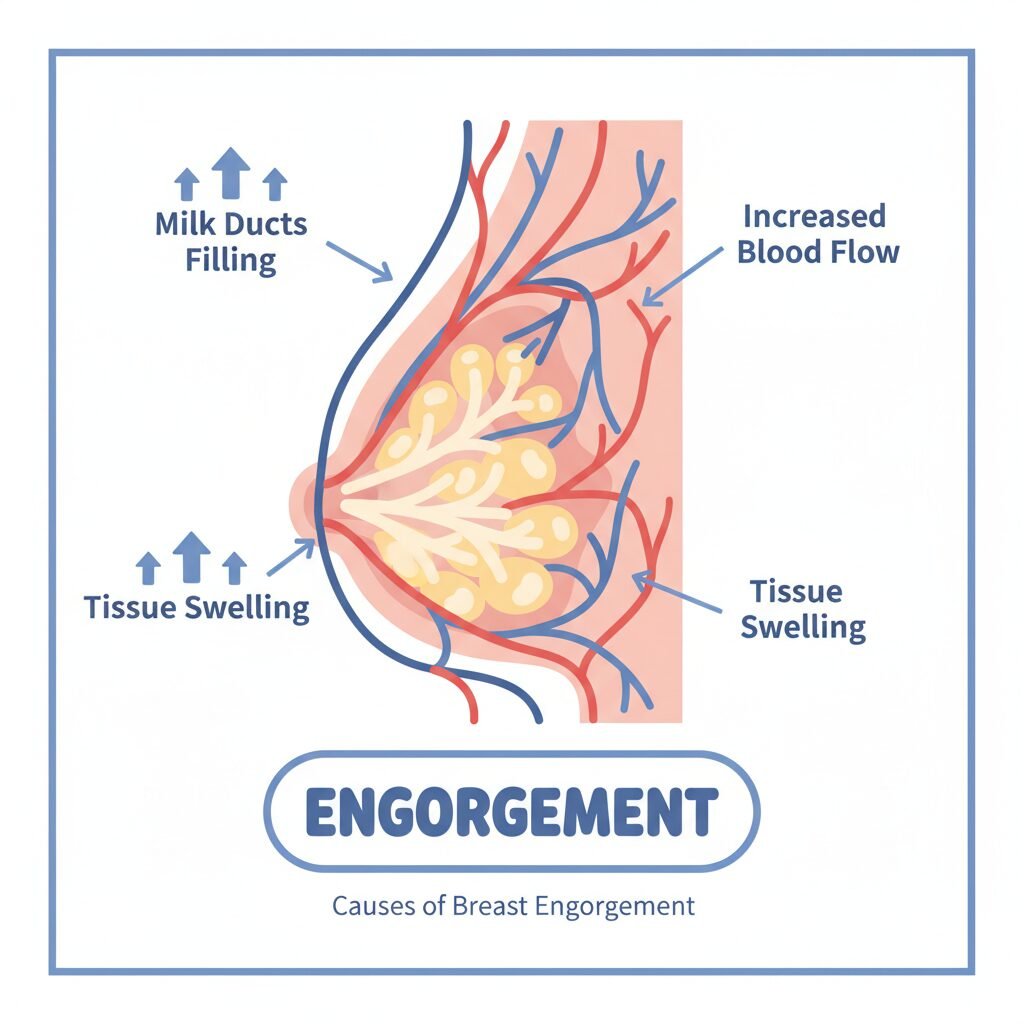
First things first, let’s demystify what’s actually happening in your body. Understanding the ‘why’ can make the ‘what’ feel a lot less scary. Engorgement typically peaks around 3 to 5 days after you give birth. This is when your mature milk “comes in,” transitioning from the early colostrum to a much higher volume of milk. It’s a traffic jam, essentially!
But it’s not just about the milk. Your body is also working overtime sending extra blood flow, lymph, and other fluids to your breasts to support this new milk-making factory. This combination of milk, blood, and fluid is what causes the intense swelling, hardness, and heat. Your breasts can feel tender, throb, and even look shiny and stretched. For some, the swelling can extend all the way up into the armpits.
Engorgement vs. a Clogged Duct vs. Mastitis
It’s easy to get these terms confused, so let’s clear them up. Think of it like this:
- Engorgement: This is generalized swelling and hardness affecting both breasts fairly evenly. The discomfort is widespread.
- Clogged Duct: This is a specific blockage in one of the milk ducts. It usually feels like a small, hard, tender lump in one specific area of one breast. It’s like a single lane closure in the traffic jam.
- Mastitis: This is an infection of the breast tissue. It often starts with an unresolved clogged duct but comes with systemic symptoms. You’ll typically see a red, hot, wedge-shaped area on one breast, and you’ll feel awful—like you have the flu, with fever, chills, and body aches.
A Quick Reassurance: Severe engorgement is a temporary phase! As your body and baby get into a rhythm, your milk supply will regulate to match your baby’s needs, and this intense pressure will subside. The goal right now is comfort and keeping the milk flowing.
The Cabbage Leaf Cure: Your Step-by-Step Guide

Alright, let’s get to the main event! Why do cabbage leaves work? While it might seem like an old wives’ tale, there’s some science to it. Cabbage contains compounds (specifically, sinigrin, magnesium, and mustard oil) that have anti-inflammatory properties. When placed on the skin, they can help reduce swelling and draw out excess fluid, providing that sweet, sweet relief.
Here’s exactly how to do it:
- Get the Right Cabbage: You’ll want plain green cabbage. While some people use red cabbage, it can potentially stain your bra and clothes, so green is usually the safest bet.
- Chill It: Place the entire head of cabbage in the refrigerator for at least an hour. The coolness itself is incredibly soothing on hot, inflamed breasts.
- Wash and Prepare the Leaves: Pull off a couple of the large outer leaves. Gently wash them with cool water and pat them completely dry with a paper towel.
- Soften the Leaves: This is the key step! You need to break down the veins in the leaf to release the anti-inflammatory compounds. You can do this by gently crushing the leaf with a rolling pin, a glass bottle, or even just your fist until it feels a bit wilted.
- Apply and Wear: Cup the softened leaf over your breast, fitting it directly against your skin inside your bra. Make sure to leave your nipple exposed, as you don’t want to apply the cabbage compounds there, especially if you have any cracks or soreness. A comfortable, stretchy nursing bra is perfect for holding them in place.
- Time It Right: Leave the cabbage leaves on for about 20 minutes, or until they start to feel warm and wilted. You can repeat this process 2-3 times a day.
Important Safety Note: Cabbage leaves can be very effective, so much so that overuse can potentially decrease your milk supply. Think of it as a tool for temporary, emergency relief. Use them just long enough to take the edge off the pain and swelling. Once you feel more comfortable, stop using them.
Beyond the Cabbage Patch: More Ways to Soothe Sore Breasts

Cabbage leaves are a fantastic tool, but they’re not the only one in your toolbox! Combining a few different strategies can give you the best and fastest relief from engorgement pain. The goal is always twofold: reduce the swelling and keep the milk moving out.
Pain Relief Strategies: A Comparison
| Method | When to Use It | How It Helps |
|---|---|---|
| Cool Compresses / Ice Packs | After nursing or pumping | Reduces swelling and inflammation. Provides numbing relief. |
| Warm Compresses / Shower | Just before nursing or pumping | Encourages let-down and helps milk flow more easily. |
| Gentle Breast Massage | Before and during nursing | Helps to soften the breast and move milk towards the nipple. |
| Hand Expression | Before nursing or for quick relief | Removes a small amount of milk to soften the areola, making it easier for baby to latch. |
| Frequent Milk Removal | Around the clock | The most important step! Nurse or pump often (every 2-3 hours) to prevent milk from backing up. |
More Tips for Managing Engorgement:
- Reverse Pressure Softening: If your breast is so full that your nipple is flattened, your baby may struggle to latch. Try this trick: place your fingertips around the base of your nipple and press gently but firmly back towards your chest wall for about 60 seconds. This moves some of the fluid away from the areola, helping it soften so your baby can get a deeper latch.
- Nurse on Demand: Watch your baby for early hunger cues (like rooting, smacking lips, bringing hands to mouth) and feed them frequently. Don’t try to stick to a rigid schedule during these early days. Letting your baby nurse whenever they’re hungry is the best way to regulate your supply.
- Check Your Latch: A poor latch can prevent your baby from effectively draining the breast, which can make engorgement worse. If you’re experiencing nipple pain or your baby seems frustrated, it’s a great idea to see a lactation consultant.
- Consider Anti-Inflammatories: Over-the-counter pain relievers like ibuprofen can be a lifesaver for reducing both pain and inflammation.
Always check with your healthcare provider before taking any new medication while breastfeeding to ensure it’s the right and safe choice for you.
When to Ditch the Cabbage and Call for Help

While engorgement is normal, it’s crucial to know the signs that something more serious might be developing. Your health is just as important as your baby’s, and you should never hesitate to reach out for professional support. Home remedies are wonderful, but they have their limits.
It’s time to call your doctor, midwife, or an International Board Certified Lactation Consultant (IBCLC) if you experience any of the following:
- A High Fever: If you develop a fever of 100.4°F (38°C) or higher, it’s a major red flag for infection.
- Flu-Like Symptoms: Don’t dismiss body aches, chills, or extreme fatigue as just ‘new mom tiredness.’ When combined with breast pain, these are classic signs of mastitis.
- Red Streaks or Patches: Look for any red, shiny, or hot patches on your breast, especially in a wedge-shaped pattern. This indicates inflammation that could be an infection.
- Pain That Gets Worse, Not Better: If the pain is severe and not improving after 24 hours of trying these comfort measures, you need to be evaluated.
- Baby is Struggling: If the engorgement is so severe that your baby is unable to latch on at all, leading to poor weight gain or signs of dehydration (like fewer wet diapers), it’s time for an expert to help.
Please, hear me on this: There is no prize for suffering in silence. Reaching out for help is a sign of strength. A good lactation consultant can be an invaluable resource for creating a personalized plan to resolve engorgement, fix latch issues, and help you meet your breastfeeding goals comfortably.
Conclusion
Navigating the early days of parenthood is a journey filled with intense learning curves and powerful emotions, and dealing with painful engorgement is a challenge you probably didn’t ask for. But look at you—you’re already seeking out solutions and learning how to care for your body through this transition. Remember that this phase of rock-hard, painful breasts is temporary. Your body is smart, and it will figure out this delicate dance of supply and demand with your baby.
The cabbage leaf hack is a simple, effective, and strangely satisfying tool to have in your back pocket for those moments of intense discomfort. Combine it with cool compresses, gentle massage, and most importantly, frequent and effective milk removal, and you will get through this. Be patient and incredibly gentle with yourself. You are growing, feeding, and nurturing a whole new person—that makes you nothing short of a superhero. And even superheroes need to ask for help sometimes. If the pain feels like too much or you’re worried something isn’t right, please, reach out to your support system of healthcare providers. You don’t have to do this alone.