The “Blowout” Emergency Kit Every Mom Needs In Her Car Trunk
Hey there, new parent. Let’s talk about something real, something that strikes fear into the hearts of even the most seasoned caregivers: the dreaded diaper blowout. It’s that moment you’re out, maybe enjoying a rare quiet coffee or navigating the grocery store, when you catch a whiff of… disaster. You look down to see that your beautifully dressed little one has become a tiny, adorable mess-monster. It’s a parenting rite of passage, but it doesn’t have to ruin your day.
As a pediatric nurse and lactation consultant, I’ve seen it all. I’ve also been that mom fumbling in a diaper bag, realizing I used my last wipe and the spare outfit is actually for a 3-month-old when my baby is now 9 months. That’s why I’m here to share one of the most powerful tools in your parenting arsenal: the car trunk blowout emergency kit. This isn’t just an extension of your diaper bag; it’s your fully-stocked home base on wheels, your secret weapon for staying calm, cool, and collected, no matter what your baby throws at you. Let’s build your ultimate sanity-saving kit together.
The Foundation: Diapering Essentials on Steroids
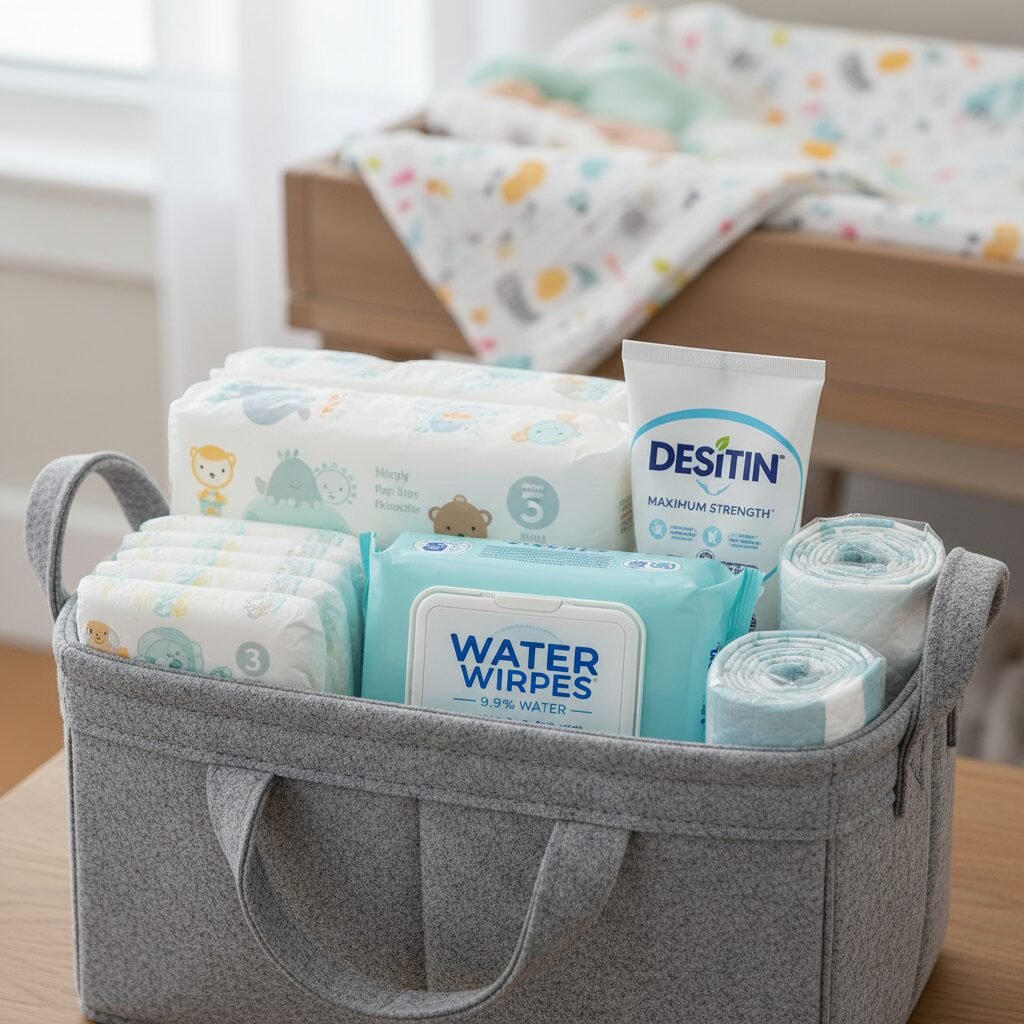
First things first, let’s build the core of your kit. This isn’t the place for the cute, slim pouch you carry into a cafe. This is your heavy-duty, never-run-out supply station. When a blowout happens, you often need more supplies than you’d think. The goal here is abundance, so you never have that sinking feeling of being caught unprepared.
What to Pack:
- Diapers (in two sizes!): This is a pro-tip! Babies grow shockingly fast. Pack a generous sleeve of your baby’s current size, but also tuck in a few of the next size up. You never know when a growth spurt will hit, and a slightly-too-big diaper is infinitely better than one that’s too small. Aim for at least 15-20 diapers total.
- A Full Pack of Wipes: Don’t just throw in a travel pack. Buy a full-sized, unopened pack of your favorite wipes specifically for the car kit. Blowouts require a significant clean-up effort, and you’ll be grateful for every last wipe. Consider a pack of water-based wipes for sensitive skin, as they’re also great for cleaning hands and faces (yours and baby’s).
- A Full-Sized Diaper Rash Cream: Keep a dedicated tube of your preferred barrier cream in the kit. Temperature fluctuations in the car can affect the consistency of creams, so it’s best to have one specifically for this purpose rather than moving it back and forth from the house.
- Disposable Changing Pads: These are non-negotiable. A public changing table can be a scary place, and your car’s backseat isn’t exactly designed for diaper changes. A disposable pad creates a clean, protective barrier that you can simply toss out after the mess is contained. Pack at least 5-10 of these. They are lightweight and take up very little space.
A Gentle Reminder: Check your car kit’s stock every month or so. Replenish what you’ve used and swap out the diaper sizes as your little one grows. A well-maintained kit is a useful kit!
The Complete Wardrobe Change (For Everyone!)
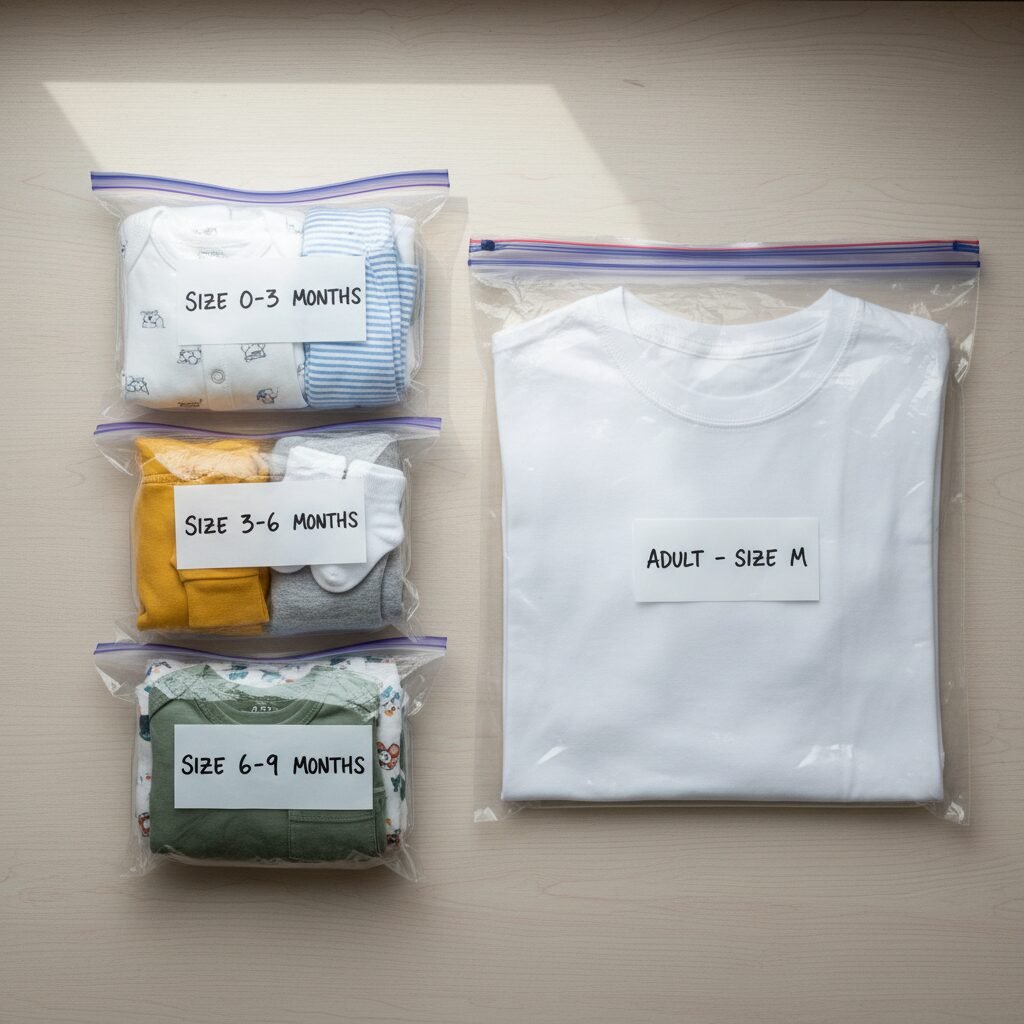
A true blowout respects no boundaries. It defies the laws of physics and containment, often ending up on clothes, skin, and—yes—even on you. That’s why your emergency kit needs a complete head-to-toe outfit for your baby, and a little something for the caregiver, too.
For Baby: The Head-to-Toe Reset
Pack at least two complete, season-appropriate outfits. Why two? Because sometimes the first change gets messy during the clean-up process, or you might have another incident before you get home. It’s all about having a backup for your backup.
- Easy-On, Easy-Off Outfits: Think zip-up sleepers or simple onesies and pull-on pants. In a stressful moment, you don’t want to be fumbling with a dozen tiny buttons. Comfort and convenience are your best friends.
- Layers are Key: Include a long-sleeve and short-sleeve onesie, pants, and a pair of socks. This gives you options depending on the weather or if you’re going into a chilly, air-conditioned store.
- Pack in Sets: Use large zip-top bags to pack each complete outfit (onesie, pants, socks). This way, you can grab one bag and have everything you need without digging through the entire bin. You can even label them by size.
For You: The Parent Refresh
You are part of the equation! There’s nothing worse than having to finish your errands with a giant stain on your shirt. Your needs are simple but crucial.
- A Neutral, Comfy Top: Pack a simple, dark-colored t-shirt or top that can go with anything. It doesn’t have to be fancy, just clean.
- Optional Extras: Some parents like to include a pair of leggings or comfortable pants. It’s up to you how much you want to store, but a clean shirt is the bare minimum for restoring your own sense of dignity post-blowout.
The Clean-Up Crew: Containing the Mess
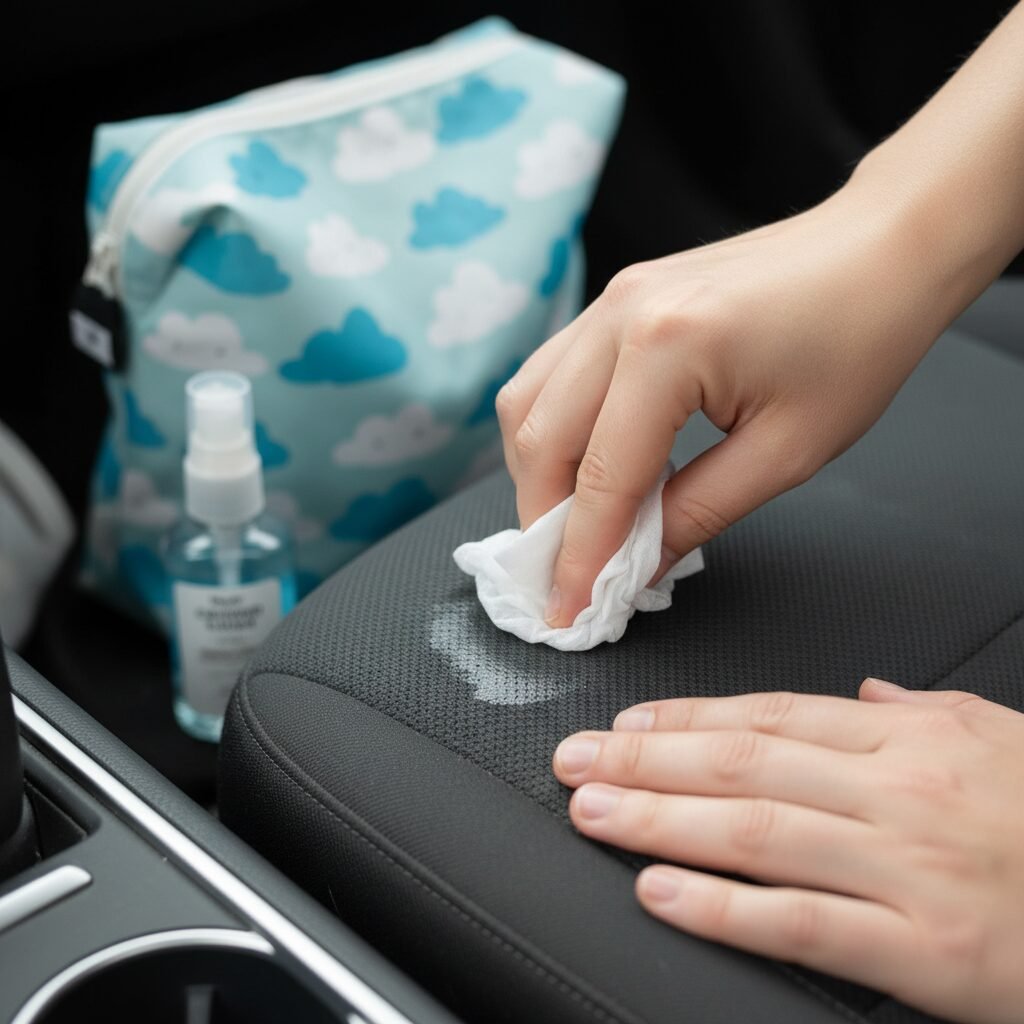
Okay, the diaper is changed, and everyone is in fresh clothes. But what about the aftermath? You need a system for managing the soiled items and cleaning up the surrounding area. This is where your kit truly shines, turning a potential catastrophe into a manageable task.
Containment and Disposal:
- Wet/Dry Bags: These are a game-changer. A good quality wet/dry bag has a waterproof lining that locks in messes and odors from soiled clothing. You can simply zip the dirty clothes inside and deal with them when you get home without stinking up your car. Have at least two on hand.
- Disposable Bags: While you should use designated trash cans whenever possible, you’ll need something to hold the dirty diaper and wipes in the meantime. A few plastic grocery bags, small trash bags, or dog waste bags work perfectly for this. They seal away the smell until you can find a proper receptacle.
Sanitizing and Wiping Down:
- Hand Sanitizer: A must-have for after the change, especially if you don’t have immediate access to soap and water.
- Baby-Safe Surface Wipes: Keep a small pack of gentle, non-toxic cleaning wipes. These are perfect for wiping down your changing pad, the car seat, or any other surface that might have gotten caught in the crossfire. Make sure they are safe for surfaces your baby will touch.
- A Small Towel or Burp Cloths: An old towel or a few extra burp cloths can be invaluable for bigger spills, for drying hands, or for laying down on a car seat before putting your baby back in.
Comfort, Care, and Distraction Tools
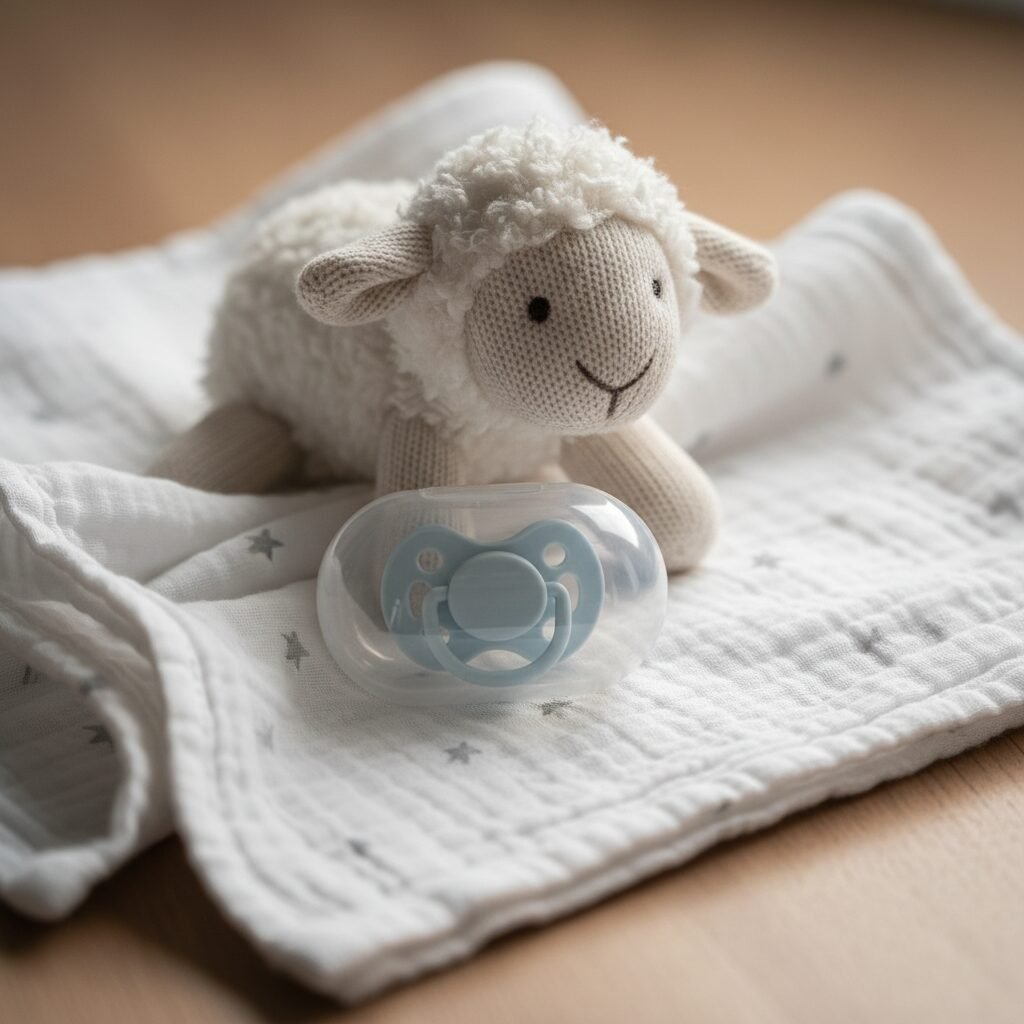
A blowout can be an uncomfortable and upsetting experience for your little one. The cold wipes, the change of clothes, the general disruption—it can all lead to tears. Once the clean-up is done, your next job is to restore calm and comfort. Having a few soothing items on hand can make all the difference.
Soothing and Reassurance:
- A Spare Pacifier: If your baby takes a pacifier, have a clean, sterilized one in a case ready to go. It’s one of the quickest ways to soothe an upset baby.
- A Small, Soft Blanket or Swaddle: A familiar, cozy blanket can provide immense comfort. It’s perfect for wrapping them up for a reassuring cuddle after the chilly ordeal of being undressed and wiped down. A muslin swaddle is a great lightweight option.
- A Favorite Small Toy: A small, soft rattle or a familiar teething toy can serve as a welcome distraction. It gives them something positive to focus on while you finish getting everything packed away.
Feeding and Hydration Backup:
Sometimes, a quick feed is the ultimate comfort tool. You don’t need a full meal’s worth of supplies, just an ‘in a pinch’ option.
- For Formula-Fed Babies: A pre-portioned, single-serving packet of formula and a clean, empty bottle with a sealed bottle of nursery water. This way, you can mix a fresh bottle anywhere.
- For Breastfeeding Moms: A spare nursing cover can provide privacy and comfort for a quick nursing session in the car. You might also pack a spare set of nursing pads.
- For All Babies: A spare burp cloth. You can never have too many!
Organizing Your Kit & The Ultimate Checklist
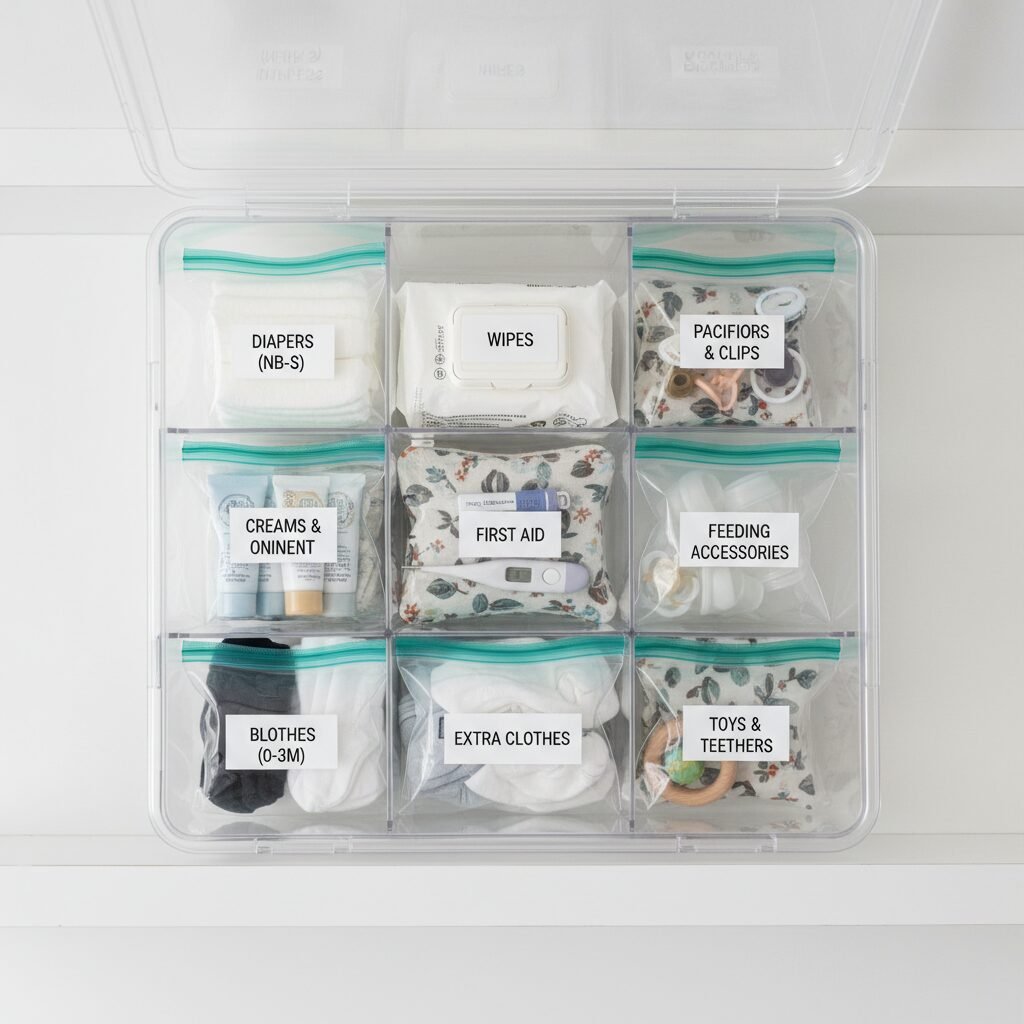
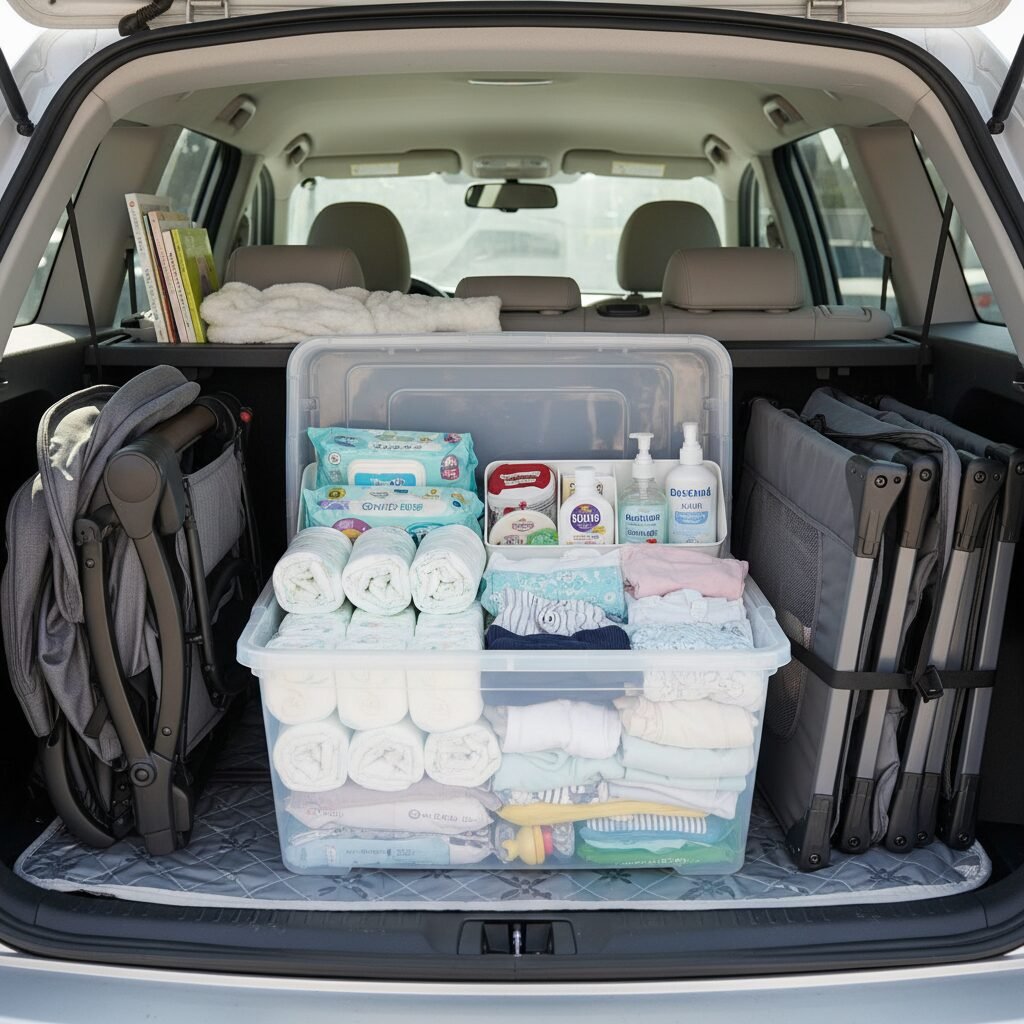
You’ve gathered all the items, but how do you organize them so they’re actually useful in a high-stress moment? The key is accessibility. You want to be able to open your trunk and grab exactly what you need without a frantic search. A well-organized system is the final piece of the puzzle.
Choosing Your Container:
A medium-sized clear plastic storage bin with a secure lid is often the best choice. It’s sturdy, you can see what’s inside, and it protects your supplies from getting crushed or dirty in your trunk. A simple duffel bag or a large, structured tote also works well.
Organization Strategy:
- Categorize with Pouches: Use large zip-top bags or small packing cubes to group like items. Have one for ‘Diapering’, one for ‘Cleaning Supplies’, and one for ‘Comfort Items’. As mentioned before, pack each spare outfit in its own individual bag.
- Strategic Placement: Keep the most frequently needed items on top. This usually means the disposable changing pads, wipes, and one bagged outfit should be the easiest to grab.
- Label Everything: While it might seem like overkill, a simple label on your pouches or bags can save you precious seconds. In the dark or in a hurry, reading ‘Size 6-9mo Outfit’ is much easier than guessing.
To make it even easier, here is a comprehensive checklist you can use to build and maintain your kit.
| Category | Item | Recommended Quantity |
|---|---|---|
| Diapering | Diapers (Current Size & Next Size Up) | 10-15 of each |
| Full-Pack of Wipes | 1 | |
| Diaper Rash Cream | 1 full tube | |
| Disposable Changing Pads | 5-10 pads | |
| Clothing | Complete Baby Outfits (in Ziploc bags) | 2 sets |
| Spare Parent T-Shirt | 1 | |
| Clean-Up | Wet/Dry Bag for Soiled Clothes | 1-2 |
| Disposable Bags for Trash | A small roll | |
| Hand Sanitizer | 1 bottle | |
| Baby-Safe Surface Wipes | 1 travel pack | |
| Comfort & Feeding | Spare Pacifier in Case | 1 |
| Small Toy or Teether | 1 | |
| Muslin Swaddle or Small Blanket | 1 | |
| Emergency Formula/Bottle/Water (if applicable) | 1 serving |
Conclusion
And there you have it! Your very own, fully-loaded blowout emergency kit. Creating this kit isn’t about expecting the worst; it’s about empowering yourself to handle the inevitable with grace and confidence. It’s about giving yourself the gift of peace of mind. The next time you’re out and disaster strikes, you won’t feel panic. You’ll feel prepared. You’ll know you have everything you need waiting in your trunk, ready to save the day. So take a deep breath, new parent. You’ve got this. We all go through it, and being prepared is one of the best forms of self-care in this wild, wonderful journey of parenthood.