The Best Sippy Cups For Breastfed Babies Who Refuse The Bottle
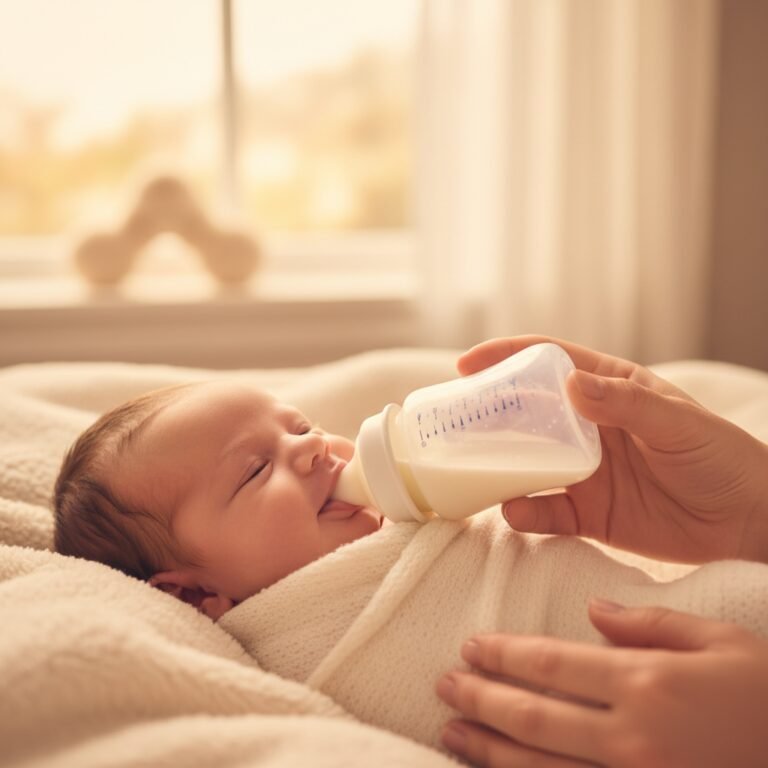
Hey there, amazing parent. Let’s talk about something that can feel surprisingly stressful: the dreaded bottle refusal. You’ve been nourishing your little one beautifully, and your breastfeeding journey is something to be proud of. But now, for whatever reason—returning to work, needing a break, or wanting your partner to share in the feedings—you introduce a bottle, and your baby acts like you’ve offered them a sour lemon. They might cry, turn their head, or clamp their mouth shut. It can be frustrating, isolating, and honestly, a little heartbreaking.
Take a deep breath. I see this all the time in my practice, and I want to tell you two things right away: you are not doing anything wrong, and your baby is perfectly normal. Many breastfed babies are simply not interested in artificial nipples. But what if I told you there’s a way to bypass this battle altogether? A secret weapon that many parents discover out of desperation, but that I recommend proactively? It’s time to skip the bottle and go straight to the sippy cup.
It might sound like jumping ahead, but for a baby who only knows and loves the breast, introducing a completely different way to drink can be far more successful than trying to imitate it with a bottle. In this guide, we’ll explore exactly why your little one is giving the bottle the cold shoulder, what to look for in the perfect first cup, and my top-recommended types of cups to make this transition a peaceful and successful one.
Why Your Little One Might Be Saying ‘No Thanks’ to the Bottle
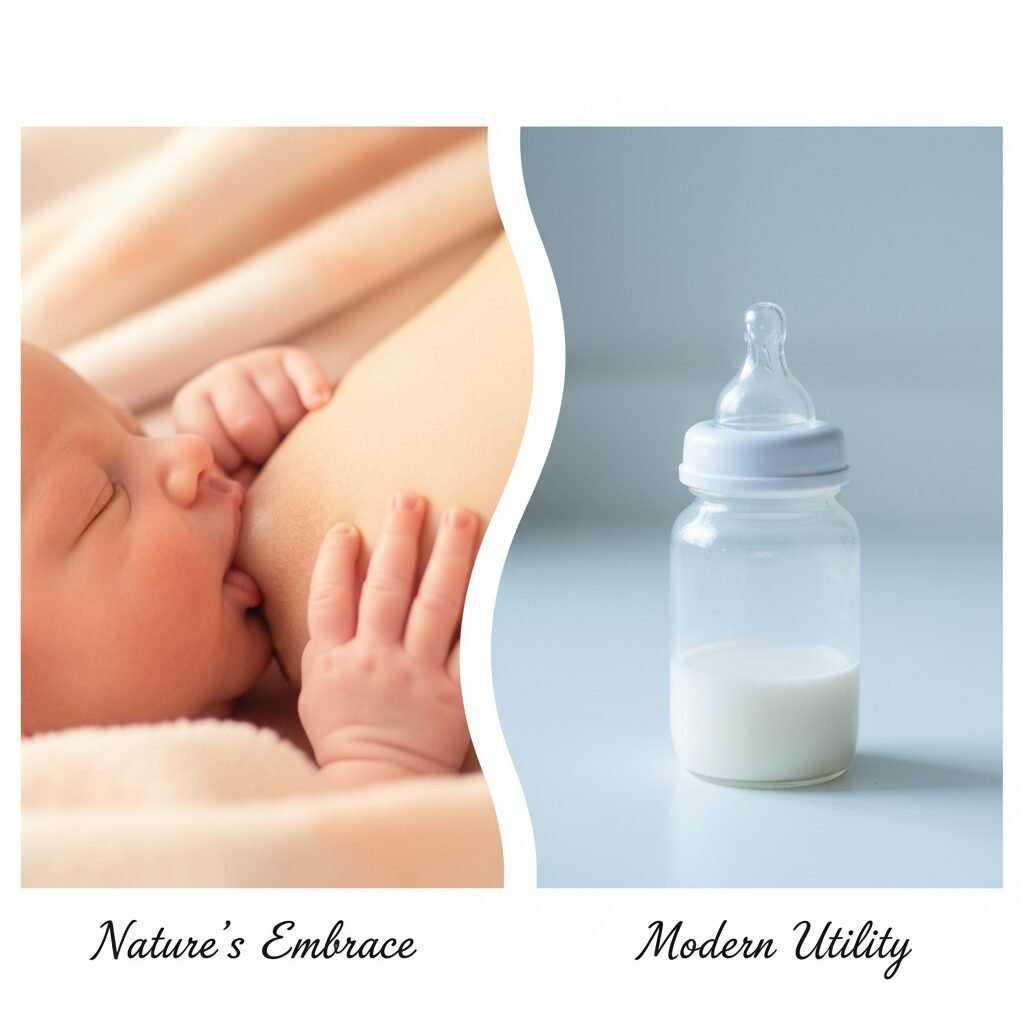
Before we dive into the solution, it’s helpful to understand the problem from your baby’s perspective. Refusing a bottle isn’t a sign of defiance; it’s a sign of preference and skill. Breastfeeding is a complex, active process for a baby, and it’s very different from bottle-feeding.
The Mechanics are Different
Think about the mechanics of breastfeeding. Your baby has to open their mouth wide, latch deeply onto the areola, and use their tongue and jaw in a coordinated wave-like motion to draw out milk. They are in complete control of the flow. When milk lets down, they can gulp quickly, and when it slows, they can take slow, fluttery sips. It’s a dynamic dance they’ve perfected.
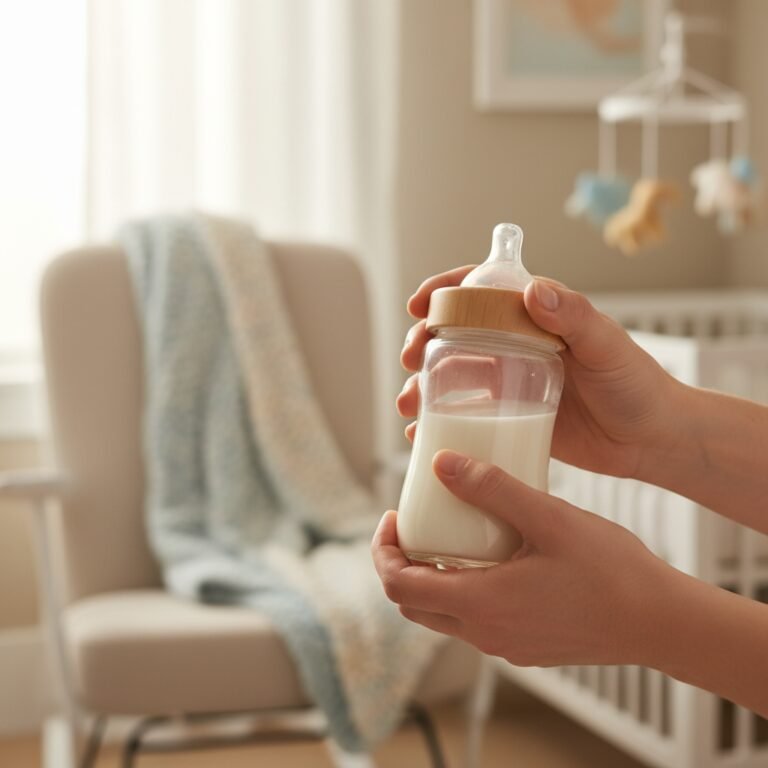
A bottle, on the other hand, is passive. The milk flows out with gravity and minimal effort. The nipple is often a different shape and texture. For a baby who is an expert at the breast, this can feel foreign and even overwhelming. This difference is often called ‘nipple confusion,’ but I prefer to think of it as ‘flow preference.’ Your baby knows how to work for their food and control the pace, and a bottle just doesn’t operate the same way.
Sensory Overload
Beyond the mechanics, there’s the sensory experience. The breast is warm, soft, and smells like mom. It’s comfort, food, and connection all in one. A silicone bottle nipple is none of those things. It can feel strange in their mouth, and the experience lacks that cozy, familiar comfort they associate with feeding. For many babies, if they’re going to accept an alternative, it needs to be so different that they don’t even compare it to the breast. And that’s where the sippy cup comes in.
The Genius Hack: Skipping the Bottle and Going Straight to a Cup
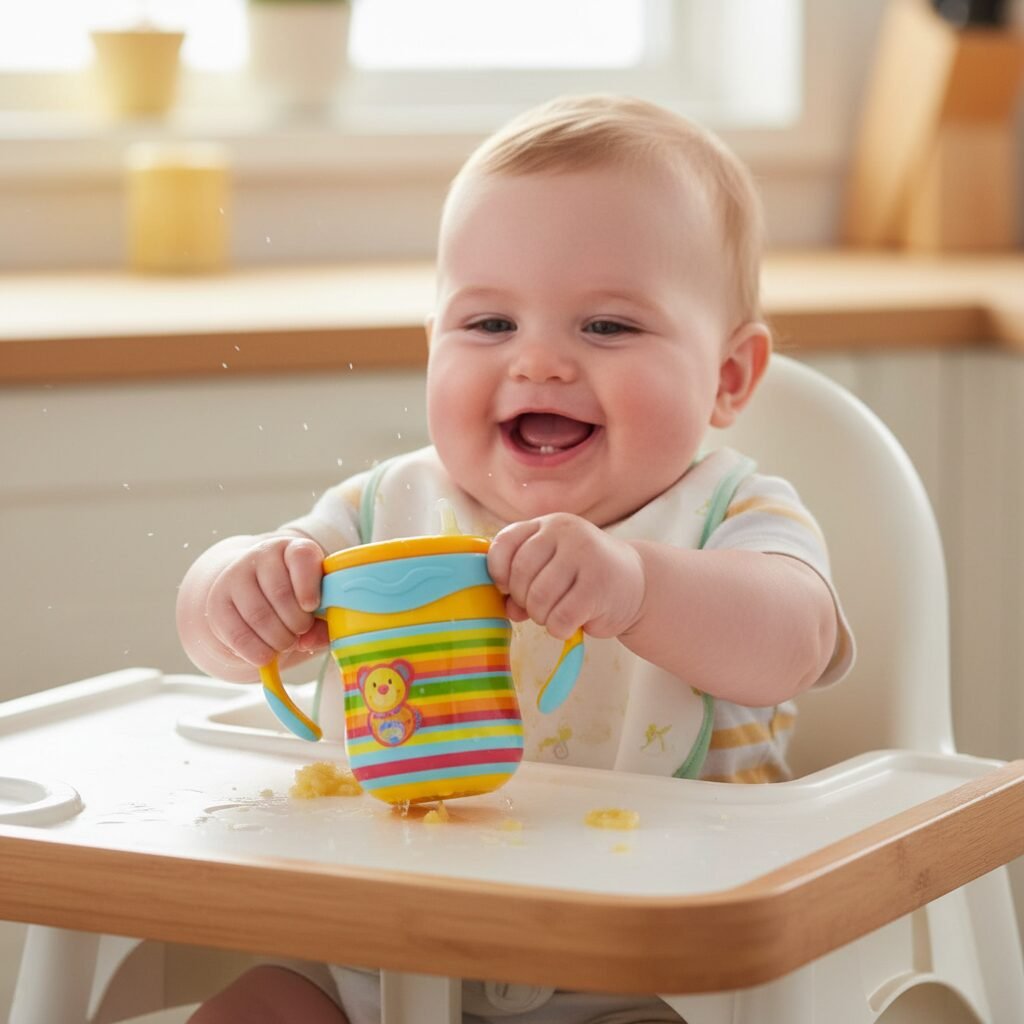
Introducing a cup isn’t just a last resort; it’s a fantastic developmental step! The American Academy of Pediatrics (AAP) actually recommends introducing a cup around 6 months of age to prepare for weaning from the bottle by 18 months. By offering a cup to your breastfed baby, you’re not just solving your immediate problem—you’re getting a head start on a future milestone.
Why It Works So Well
- It’s a Clean Slate: A cup is nothing like a breast. It’s also nothing like a bottle. Because it’s a totally new object and skill, your baby won’t directly compare it to their favorite way of feeding. This eliminates the frustration of them wanting the ‘real thing’ and rejecting the ‘imposter.’
- Promotes New Skills: Drinking from a cup (whether it’s a spouted cup, a straw cup, or an open cup) uses different oral motor muscles than breastfeeding or bottle-feeding. This is great for their development and can help strengthen the muscles they’ll need for speech later on.
- Fosters Independence: Many sippy cups come with handles that are perfect for little hands to grasp. This gives your baby a sense of control and independence over their own feeding, which can be very motivating for them.
Remember, the goal here isn’t to replace a breastfeeding session right away. The goal is to introduce a new skill in a low-pressure, positive way. Start with just an ounce of breast milk or water (if they are over 6 months) and think of it as practice time, not mealtime.
What to Look For: The ‘Breastfed Baby-Approved’ Sippy Cup Checklist
Navigating the baby aisle can be overwhelming. There are hundreds of cups, all claiming to be the best. But for a breastfed baby who is refusing a bottle, certain features are non-negotiable. Here’s your checklist for finding the perfect first cup.
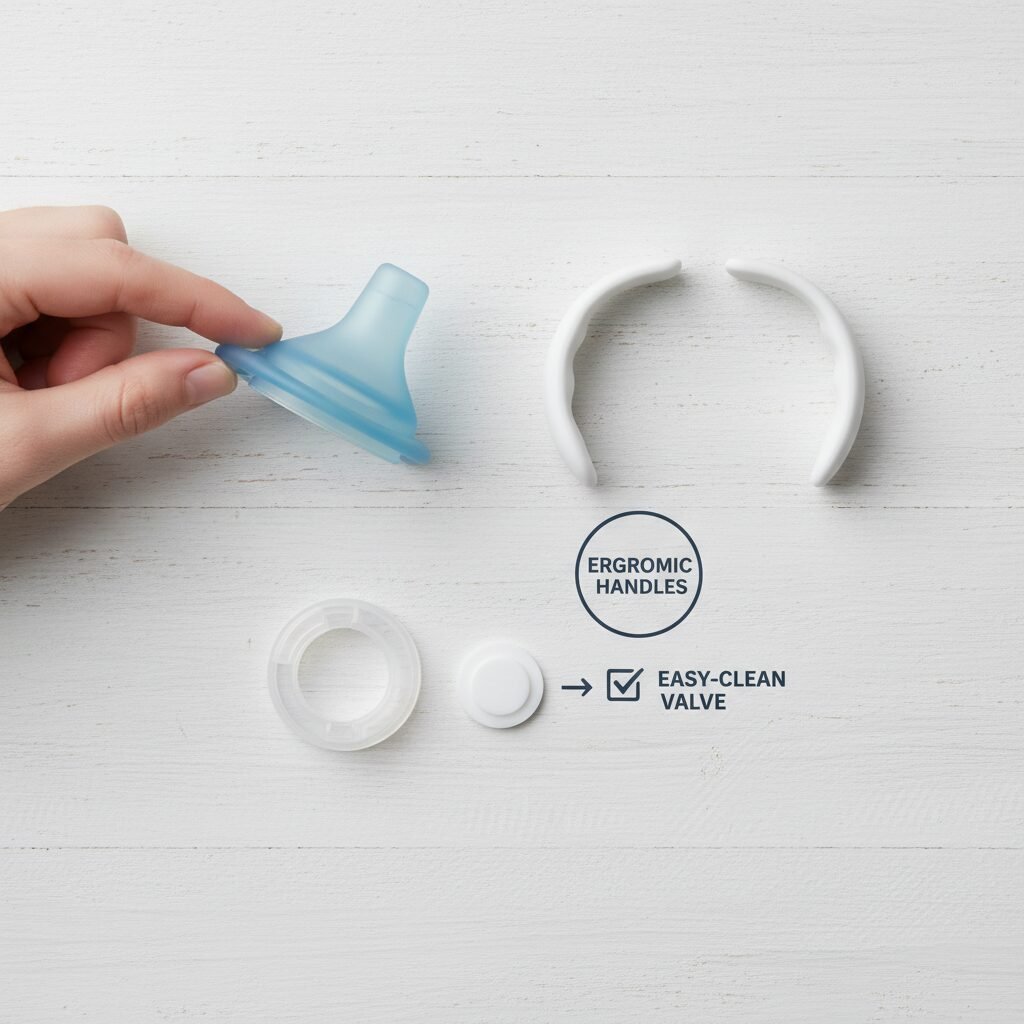
- A Super Soft Spout: Look for a spout made of 100% soft, pliable silicone. Hard plastic spouts can be tough on sensitive gums and feel completely alien. A soft, flexible spout is much more inviting and forgiving for a baby who is used to the softness of a breast.
- Slow and Steady Flow: Your baby controls the flow at the breast, and a gush of milk from a cup can be scary. Look for cups designed for a slow flow. Some cups have valves you can remove to make it even easier for them to sip from at first, even if it means a few more spills.
- Easy-to-Hold Handles: Little hands need something to grab onto. Removable or built-in handles encourage your baby to hold the cup themselves. This sense of autonomy can make them much more interested in what’s inside.
- Valve vs. No Valve: This is a big one. Most spill-proof cups have a valve that the baby has to suck on to open. This can be tricky for a beginner. A valveless cup, or one with a very sensitive valve, allows milk to flow with just a tip, which is an easier concept to grasp initially. You can always introduce a valve later once they get the hang of it.
- A Simple Design: The fewer parts, the better. A cup that is easy to disassemble and clean is a huge win for busy parents. Look for cups that are dishwasher-safe and don’t have tiny, hard-to-reach crevices where mold can hide.
Our Top Picks: Cup *Types* That Win Over Bottle-Refusers
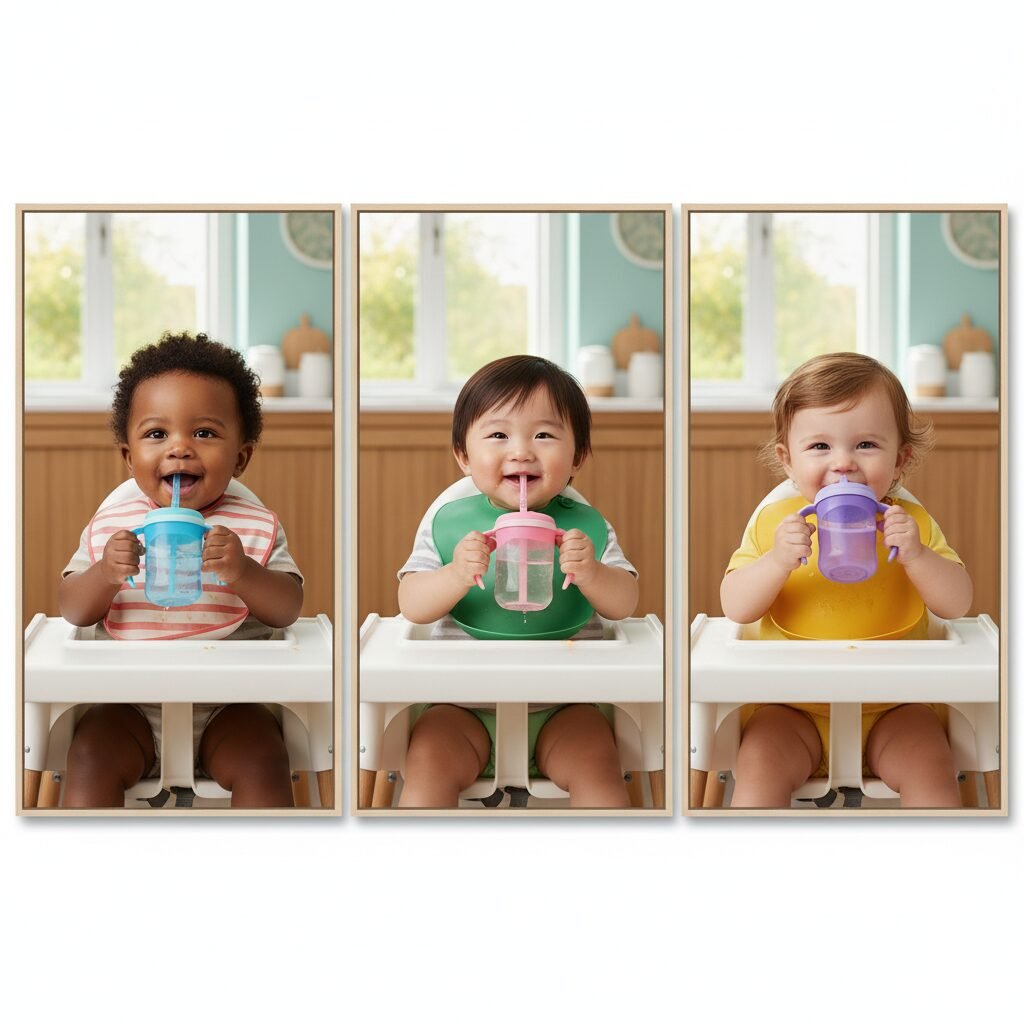
Instead of naming specific brands (which can be a matter of trial and error for each unique baby), let’s focus on the categories of cups that have the highest success rates with bottle-refusing, breastfed babies. Here’s a breakdown of the best types to try, and why they work.
I’ve put them into a handy table so you can easily compare their features and decide which might be the best starting point for your little one.
| Cup Type | Best For Ages | Key Feature | Why It Works for Breastfed Babies |
|---|---|---|---|
| Soft Spout Transition Cup | 4-7 Months | Soft, wide, pliable silicone spout. | The soft, breast-like feel of the spout is familiar and less jarring than a hard plastic nipple or spout. It’s the most direct and gentle transition from breast to cup. |
| Weighted Straw Cup | 6+ Months | A long, flexible straw with a weight on the end. | This is often the surprise winner! The sucking mechanic is completely different from breast or bottle, so there are no negative associations. The weighted end means they can get milk from any angle. |
| 360 Trainer Cup | 7+ Months | A valved, spoutless rim that releases liquid when the baby presses their lip on it. | This genius design mimics drinking from a real open cup without the huge mess. It promotes healthy oral motor development by teaching them to sip from a rim, which is the ultimate goal. |
A Little More on Each Type:
1. The Soft Spout Transition Cup
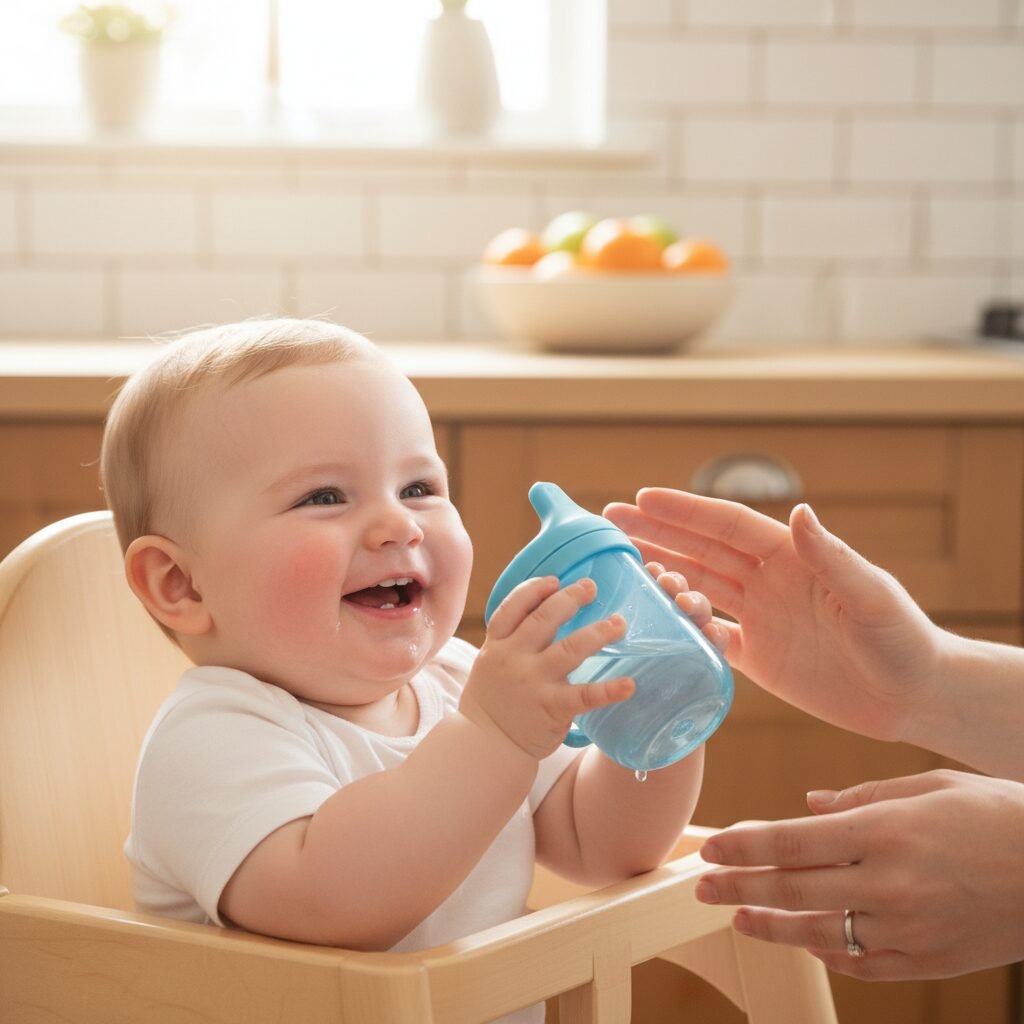
This is your go-to first choice. It’s the closest you’ll get to bridging the gap. The spout is designed to be gentle on gums, and the flow is typically very slow. Look for one with a wide base, similar to the breast, and offset handles that make it easy for the baby to tip it towards their mouth.
2. The Weighted Straw Cup
Don’t underestimate the power of the straw! Many parents are shocked when their baby who refused every bottle and spouted cup takes to a straw cup immediately. It’s a new puzzle for them to solve, and the sucking skill required is a natural reflex. The weighted straw is key because a beginner won’t understand they have to keep the cup upright. This feature allows them to drink while tipping it every which way, reducing frustration.
3. The 360 Trainer Cup
This is an excellent option for promoting long-term skills. It teaches your baby to sip from an edge, just like an adult. While it might have a slightly steeper learning curve, it’s fantastic for their oral development and eliminates the need to ever transition them off a spout or straw. It’s the ultimate ‘big kid’ cup.
Gentle Tips for a Successful Cup Introduction

How you introduce the cup is just as important as which cup you choose. The key is to be patient, playful, and persistent. This is a new skill, and it will take time. Here’s a gentle, step-by-step approach:
- Make it a Toy First: Before you even put liquid in it, let your baby play with the empty, clean cup for a few days. Let them hold it, chew on it, and become familiar with it. This removes any pressure and builds a positive association.
- Start with a Familiar Taste: The first time you offer liquid, use freshly expressed breast milk. The familiar taste and smell can be very reassuring. Just put a small amount—an ounce or less—so you don’t feel stressed about waste.
- Choose the Right Moment: Offer the cup when your baby is happy, rested, and not desperately hungry. A good time is about 30-60 minutes after a breastfeed, when they are content and in a playful mood. Trying to teach a new skill to a frantic, starving baby is a recipe for tears for everyone.
- Let Someone Else Be the Hero: Babies often associate mom with the breast and may be more resistant to taking a cup from you. If you have a partner, grandparent, or caregiver, let them be the one to offer the cup. Sometimes, taking mom (and the source of their favorite food!) out of the equation works wonders.
- Show Them How It’s Done: Take a sip from the cup yourself (or pretend to) with an exaggerated ‘Ahh!’ sound. Smile and show them how yummy it is. Babies are great mimics! You can also touch the spout to their lips to encourage them to open up and explore.
- Praise, Praise, Praise: If they so much as touch the cup to their mouth, celebrate! Clap, smile, and tell them what a great job they’re doing. Positive reinforcement goes a long way. Never force the spout into their mouth or try to make them drink.
A Gentle Reminder: Your worth as a parent is not measured by your baby’s ability to take a bottle or a cup. This is a temporary challenge, not a reflection of your parenting. Be patient with your baby, and most importantly, be patient and kind to yourself.
Conclusion
Navigating the world of feeding your baby is a journey filled with twists and turns, and bottle refusal is a very common bump in the road for breastfeeding families. But it doesn’t have to be a dead end. By understanding why your baby prefers the breast and by creatively bypassing the bottle battle, you can open up a new world of feeding independence for them and flexibility for you.
Remember the key takeaways: start with a cup that has a soft spout or a straw, introduce it playfully and without pressure, and celebrate every tiny step forward. There will be spills, there will be days they aren’t interested, and that’s all part of the learning process. You know your baby best. Trust your instincts, give yourself grace, and know that you are doing an incredible job providing for your little one. You’ve got this.