5 Toxic Ingredients To Avoid In Baby Formula (Read The Label)
Hey there, new parent. Take a deep breath. Choosing a baby formula can feel like one of the most high-stakes decisions you’ll make in these early days. The aisles are packed with canisters all promising to be the ‘best’ for your baby, and the ingredient lists look like they’re written in a different language. It’s completely normal to feel a little lost. I’ve been there with countless families, and I want you to know one thing: you’ve got this.
The goal here isn’t to create fear or shame. The absolute number one rule is that a fed baby is a happy, thriving baby. Period. This guide is about empowerment. It’s about pulling back the curtain on some of the marketing jargon and confusing ingredients so you can feel confident in your choice. We’ll walk through five common ingredients that have raised questions among pediatric experts and savvy parents. By the end, you’ll be able to glance at a label and know exactly what you’re looking at, allowing you to choose the formula that feels right for your family and your precious little one.
Why Reading the Formula Label is Your New Superpower
First things first, let’s be clear: in the United States, all infant formulas sold legally must meet the strict nutritional requirements set by the Food and Drug Administration (FDA). This is a good thing! It means any formula you pick up from the shelf will provide the fundamental nutrients your baby needs to grow. So, why are we even talking about this? Because ‘meeting minimum requirements’ and ‘being optimal’ can be two different things.
Think of it like adult food. You could technically live on fast food that meets your basic caloric needs, but we all know that a diet rich in whole, unprocessed foods is far better for our long-term health. It’s a similar idea with baby formula. Manufacturers have a lot of leeway in how they meet those FDA requirements. They can choose different sources for carbohydrates, proteins, and fats, and some of those sources are better for your baby’s developing system than others.
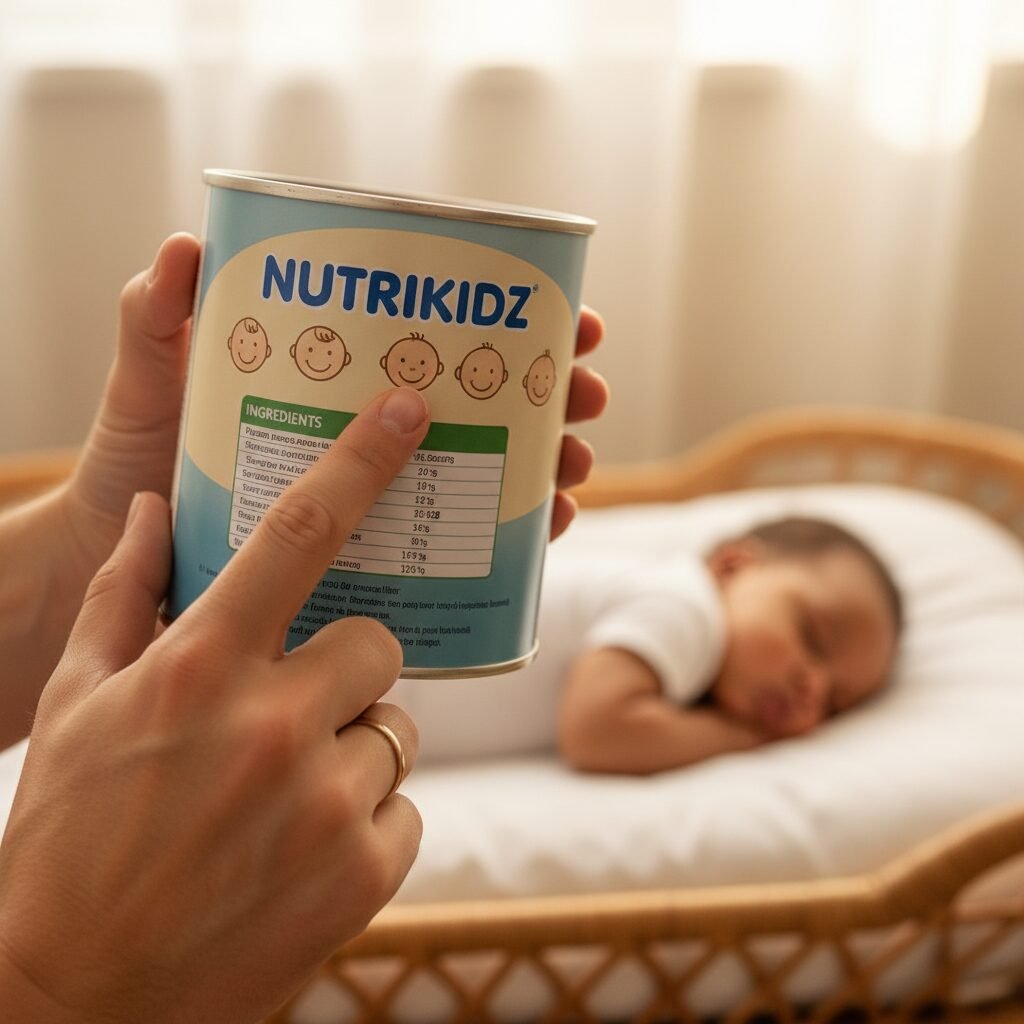
Words like ‘Organic,’ ‘Gentle,’ or ‘Inspired by Breastmilk’ are often marketing terms. While an organic certification does mean the ingredients were sourced without certain pesticides, it doesn’t automatically guarantee the types of ingredients are ideal. The only way to truly know what’s in that canister is to ignore the cute baby on the front and turn it around. That nutrition panel is your secret weapon, and learning to read it is a true superpower in your parenting toolkit.
The ‘Not-So-Sweet’ List: 5 Ingredients to Watch For

Alright, let’s get into the nitty-gritty. Here are five ingredients that I encourage parents to look for and, when possible, avoid. We’ll break down what they are, why they’re used, and why they might not be the best choice for your baby’s tiny tummy.
1. Corn Syrup Solids / Glucose Syrup Solids
When you think of corn syrup, you probably picture the sugary stuff you put in pecan pie. Corn syrup solids are essentially dehydrated corn syrup—a cheap, processed sugar. Manufacturers often use it as the main carbohydrate source because it’s much less expensive than lactose, the natural carbohydrate found in breast milk. While it provides calories for energy, it’s not the ideal source. It’s intensely sweet, which can shape your baby’s palate to prefer overly sweet foods later on. Furthermore, it has a high glycemic index, meaning it can spike blood sugar more rapidly than lactose. Lactose is the gold standard for a reason; it’s what nature designed for babies.
2. Sucrose (Table Sugar)
This one is often a shocker for parents. Yes, some baby formulas contain sucrose, which is chemically the same as the white sugar you have in your sugar bowl. It is not permitted in infant formulas in Europe, and for good reason. It offers no nutritional advantage over lactose and is incredibly sweet. The American Academy of Pediatrics (AAP) recommends avoiding added sugars for children under two, and starting them on a sucrose-based formula from day one seems counterintuitive to that goal. It can contribute to future dental problems and, like corn syrup, can cultivate a lifelong preference for intensely sweet flavors.
3. Palm Oil / Palm Olein
This is probably the most controversial ingredient on the list. Palm oil is used in an attempt to replicate the fatty acid profile of breast milk, specifically palmitic acid. It sounds good in theory, right? The problem is in the execution. The structure of palmitic acid in palm oil is different from its structure in breast milk. In a baby’s gut, the palmitic acid from palm oil can bind with calcium, forming what are essentially ‘calcium soaps.’ This process can lead to two issues: first, the baby absorbs less fat and less calcium; second, these ‘soaps’ can cause firmer, harder stools, leading to constipation and discomfort for your little one. Many ‘constipation’ or ‘spit-up’ issues I’ve seen in my practice have resolved simply by switching to a formula without palm oil.
4. Carrageenan
You might have seen this one in your own ‘healthy’ foods, like almond milk or yogurt. Carrageenan is an extract from red seaweed used as a thickener and emulsifier to keep the formula from separating in the bottle. While the ‘food-grade’ version used in formula is considered safe by the FDA, some research—primarily animal studies—has linked degraded carrageenan to significant gastrointestinal inflammation. While there’s no conclusive evidence that food-grade carrageenan is harmful to human infants, many parents and pediatric experts operate on a ‘better safe than sorry’ principle. With so many formulas available without it, it’s an easy one to skip to avoid any potential risk to your baby’s sensitive gut lining.
5. Soy Protein Isolate
Let’s be very clear: for a small number of babies with specific medical conditions like galactosemia or a severe cow’s milk protein allergy, soy formula can be a lifesaver. However, for the average healthy infant, it shouldn’t be the first choice. Soy contains high concentrations of phytoestrogens—plant-based compounds that mimic the hormone estrogen in the body. There are concerns about the potential long-term effects of exposing an infant to such high levels of these compounds during critical developmental periods. Additionally, soy is a common allergen. Unless recommended by your pediatrician for a specific medical reason, it’s best to start with a cow’s milk-based or hydrolyzed formula.
Decoding the Label: A Practical How-To Guide

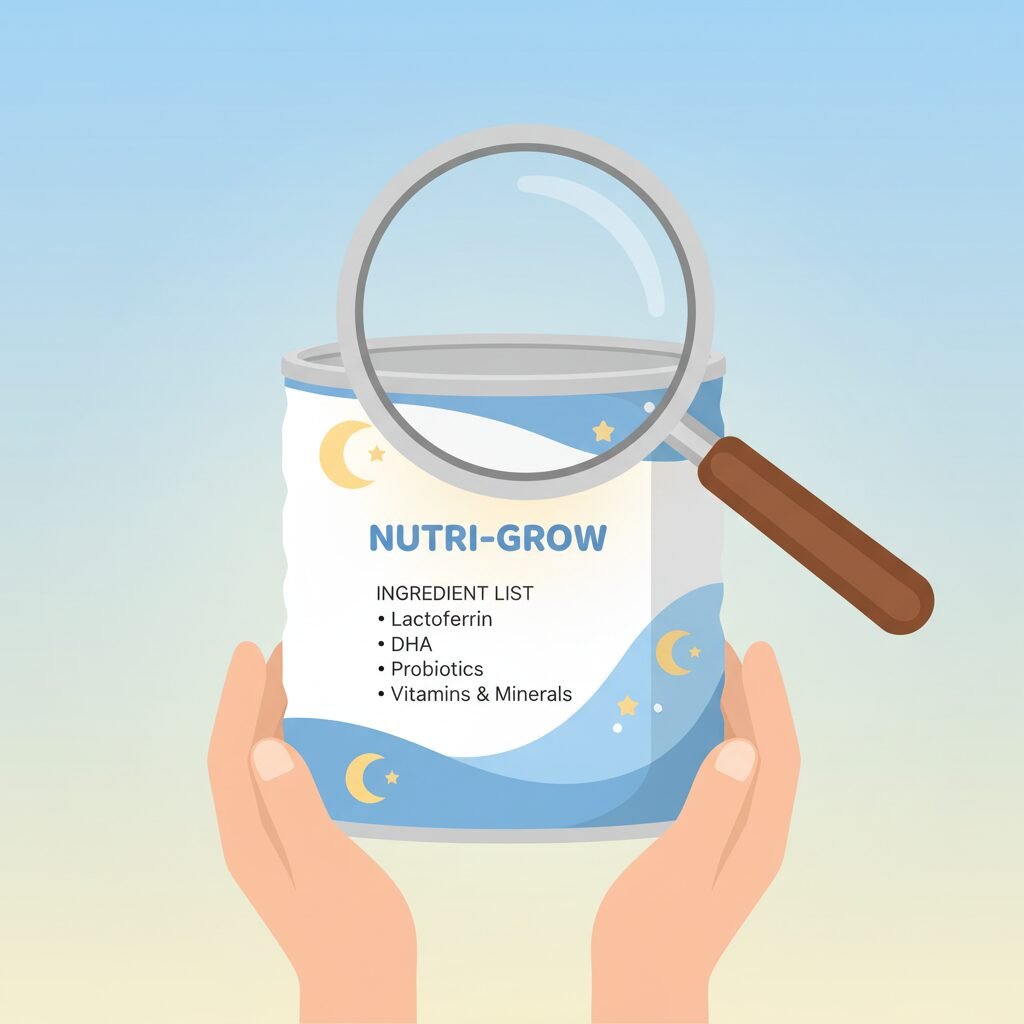
Okay, so you know what to avoid. But how do you spot these ingredients in a sea of text? Let’s make this simple. Grab any can of formula and follow along.
- Start at the Top: Ingredients are listed in order of quantity, from most to least. The first 3-5 ingredients make up the vast majority of the formula. This is your most important checkpoint.
- Check the Carbohydrate: Look at the first ingredient. Is it Lactose? Great! That’s the gold standard. If you see Corn Syrup Solids, Maltodextrin, Glucose Syrup, or Sucrose listed as the first or second ingredient, you know the primary carbohydrate source is a sugar you might want to avoid.
- Identify the Protein: You’ll likely see something like Nonfat Milk, Whey Protein Concentrate, or Casein. This indicates a standard cow’s milk base. If you see Hydrolyzed Whey Protein, it means the milk proteins are broken down for sensitive tummies. If you see Soy Protein Isolate, you’ve found a soy-based formula.
- Scan the Fat Blend: This will be listed as a collection of oils. Look for ‘Palm Oil’ or ‘Palm Olein’ in the list. Healthier blends often feature a mix of High Oleic Safflower or Sunflower Oil, Coconut Oil, and Soy Oil. (Note: Soy oil is different from soy protein and is generally well-tolerated as it contains very little of the protein).
Let’s see it in action. Here’s a comparison of two hypothetical ingredient lists:
| A Better-Choice Label | A Concerning Label |
|---|---|
| Lactose, Nonfat Milk, Whey Protein Concentrate, High Oleic Safflower Oil, Coconut Oil, Soy Oil… | Corn Syrup Solids, Vegetable Oil (Palm Olein, Coconut, Soy, and High Oleic Sunflower Oils), Soy Protein Isolate… |
| Analysis: The primary carb is lactose, the best choice. The protein is standard whey/casein from milk. The fat blend avoids palm oil. | Analysis: The primary carb is corn syrup. The protein is soy isolate. The fat blend contains palm olein. This label hits three of our red flags right at the top. |
Remember: Don’t panic if your current formula has some of these ingredients. This is not about judgment. It’s about information. Every baby is different, and some may do just fine on these formulas. This guide is for parents who are looking for alternatives or just starting their journey.
Healthier Alternatives: What to Look For Instead
Now for the fun part! Instead of just focusing on what to avoid, let’s talk about the wonderful, beneficial ingredients you can actively look for on a label. Seeing these on the list can give you a little boost of confidence that you’re picking a great option.
- Lactose as the #1 Ingredient: As we’ve discussed, this is the carbohydrate found in breast milk. It’s the ideal energy source for your baby and helps with the absorption of calcium.
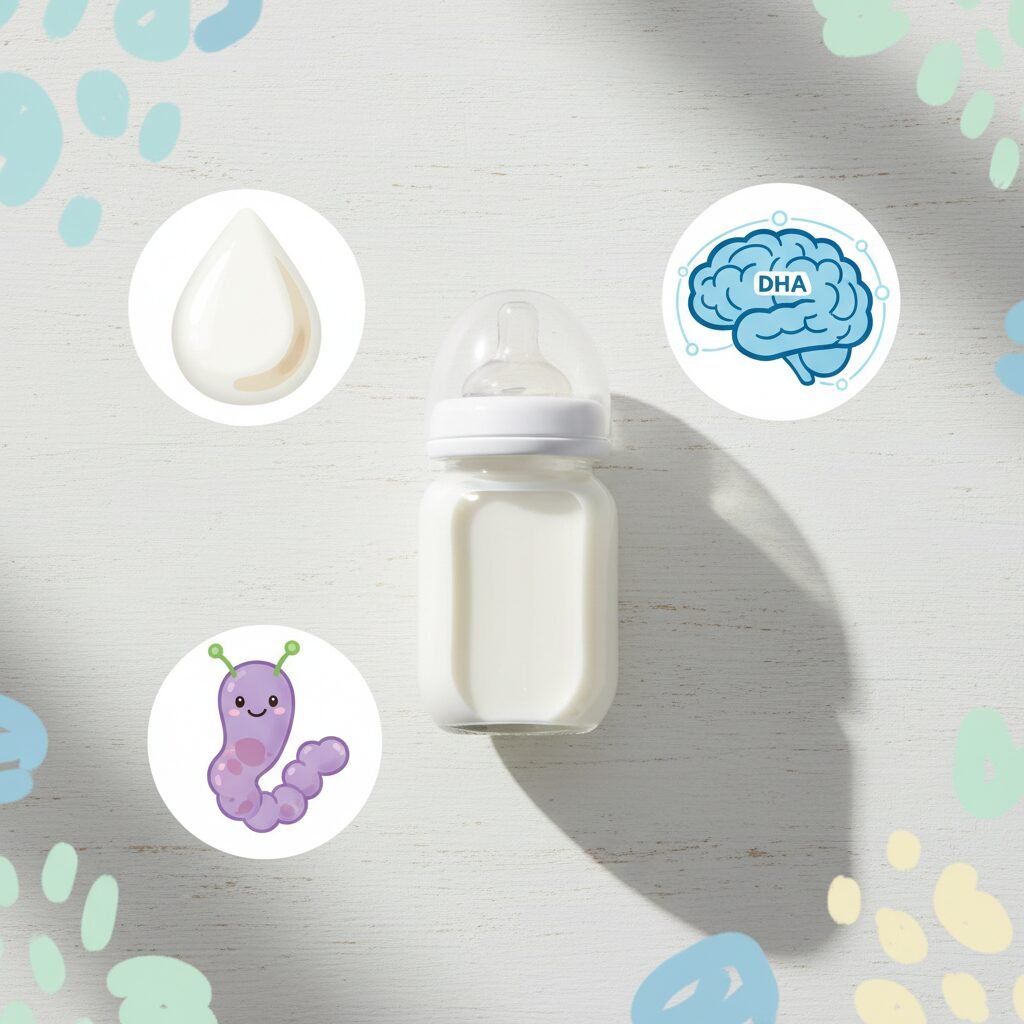
- Prebiotics (GOS & FOS): Prebiotics are food for the good bacteria in your baby’s gut. Galactooligosaccharides (GOS) and Fructooligosaccharides (FOS) help cultivate a healthy gut microbiome, which can lead to softer stools and a stronger immune system.
- Probiotics (B. lactis, L. reuteri): These are the actual ‘good bacteria’ themselves. Adding beneficial bacteria strains to formula can help support digestive health and may reduce fussiness and crying time in some babies.
- DHA & ARA: These are omega-3 and omega-6 fatty acids that are crucial for brain and eye development. While the FDA now requires them in all U.S. formulas, it’s still reassuring to see them clearly listed on the label.
- A Palm-Oil-Free Fat Blend: Look for formulas that use a blend of other oils like high-oleic sunflower/safflower, coconut, and soy oil. These blends are designed to provide essential fatty acids without the potential downsides of palm oil.
Choosing a formula that prioritizes these positive ingredients can be a fantastic step in supporting your baby’s overall development and digestive comfort. And remember, sometimes the ‘perfect’ formula on paper isn’t the perfect one for your unique baby. It can sometimes take a little trial and error to find the one they tolerate best.
Conclusion
You made it! That was a lot of information, but I hope you feel more like a detective and less like a worried parent. The key takeaway is simple: you are your baby’s greatest advocate, and knowledge is power. By understanding what’s behind the label, you can move past the marketing and make a choice that aligns with your values and your baby’s needs.
Remember the big five to watch out for: Corn Syrup Solids, Sucrose, Palm Oil, Carrageenan, and Soy Protein Isolate (unless medically necessary). And look for the good stuff, like lactose, prebiotics, and probiotics.
Most importantly, give yourself grace. The formula journey can have twists and turns. You are doing an amazing job navigating it all. Trust your intuition, and never hesitate to partner with your pediatrician to find the perfect nutritional fit for your beautiful baby.
Important Safety Note: Always, always, always discuss any changes to your baby’s formula with your pediatrician or a qualified healthcare provider. They can help you navigate the transition safely and ensure the new choice is appropriate for your baby’s specific health needs.