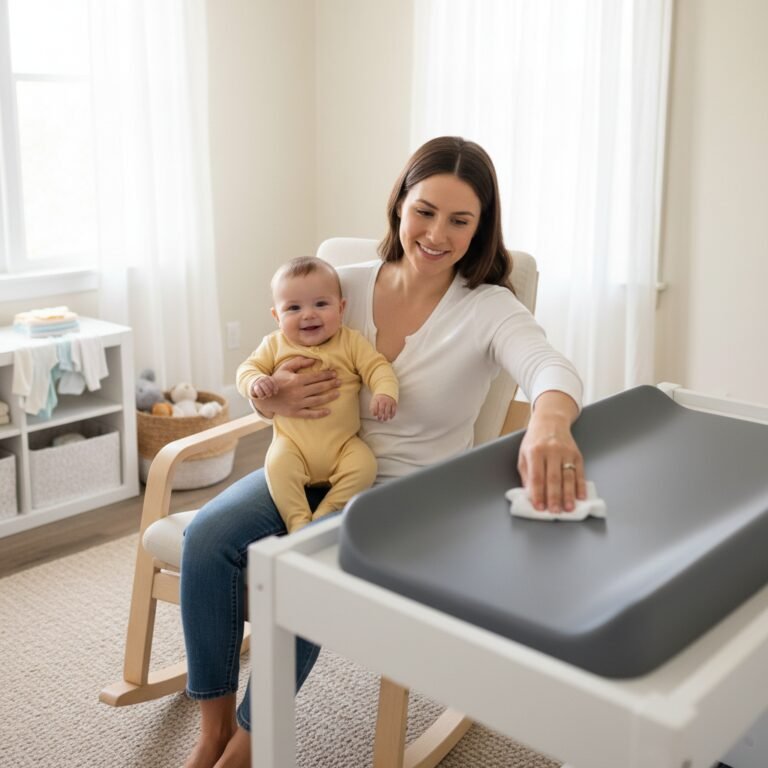

Why Your Newborn Screams During Diaper Changes (And How To Stop It)
That piercing, sudden scream the moment your newborn’s back hits the changing pad can be incredibly jarring. You’re just trying to keep them clean and comfortable, but it feels like you’re doing something terribly wrong. Take a deep breath, new parent. You’re not alone, and you’re not doing anything wrong. This is one of the most common challenges I hear about from exhausted, worried parents. In my decades as a pediatric nurse and lactation consultant, I’ve seen it all, and I can assure you that diaper-time drama is usually temporary and solvable.
Think of it from your baby’s perspective: one moment they’re warm and snuggled, and the next, they’re on their back, clothes off, feeling a rush of cold air and unfamiliar sensations. It’s a lot to process! The good news is that with a little detective work and a few gentle adjustments, you can transform this daily task from a source of stress into a moment of connection. Let’s explore the ‘why’ behind the wails and uncover the ‘how’ to make diaper changes a calm, and maybe even happy, experience for both of you.
The Usual Suspects: Decoding Your Baby’s Discomfort

Before we jump to more serious concerns, let’s cover the most common culprits behind those diaper-change protests. More often than not, the reason is a simple sensory issue that we can easily address. Your baby is communicating the only way they know how—by crying!
The Shock of Cold Air
This is probably the number one reason for diaper-time tears. Imagine being cozy and warm and then suddenly having cool air hit your most sensitive areas. It’s a startling and uncomfortable sensation for a tiny human who has spent nine months in a perfectly temperature-controlled environment. The wipe itself, especially if it’s straight from the package, can also be shockingly cold.
Feeling Exposed and Vulnerable
Newborns have a primitive reflex called the Moro reflex, or startle reflex. When they feel a sudden loss of support, like being laid flat on their back, they can feel like they’re falling. This can cause them to fling their arms out and cry. Being undressed and exposed on a changing table can trigger this feeling of vulnerability and insecurity.
Bad Timing: Hunger and Gas
Sometimes, the crying has less to do with the diaper change itself and more to do with what’s happening internally. Is your baby due for a feeding? A hungry baby is an unhappy baby, and they won’t have the patience for a diaper change. Similarly, the position of lying flat on their back can put pressure on a gassy tummy, causing discomfort and pain that they associate with being on the changing table.
Dislike of the Position
Some babies, particularly those with reflux, find lying flat on their backs very uncomfortable. It can cause stomach acid to travel back up, leading to a burning sensation. They aren’t crying to be difficult; they’re crying because the position is genuinely distressing for them.
From Fuss to Fix: Your Guide to Peaceful Diaper Changes
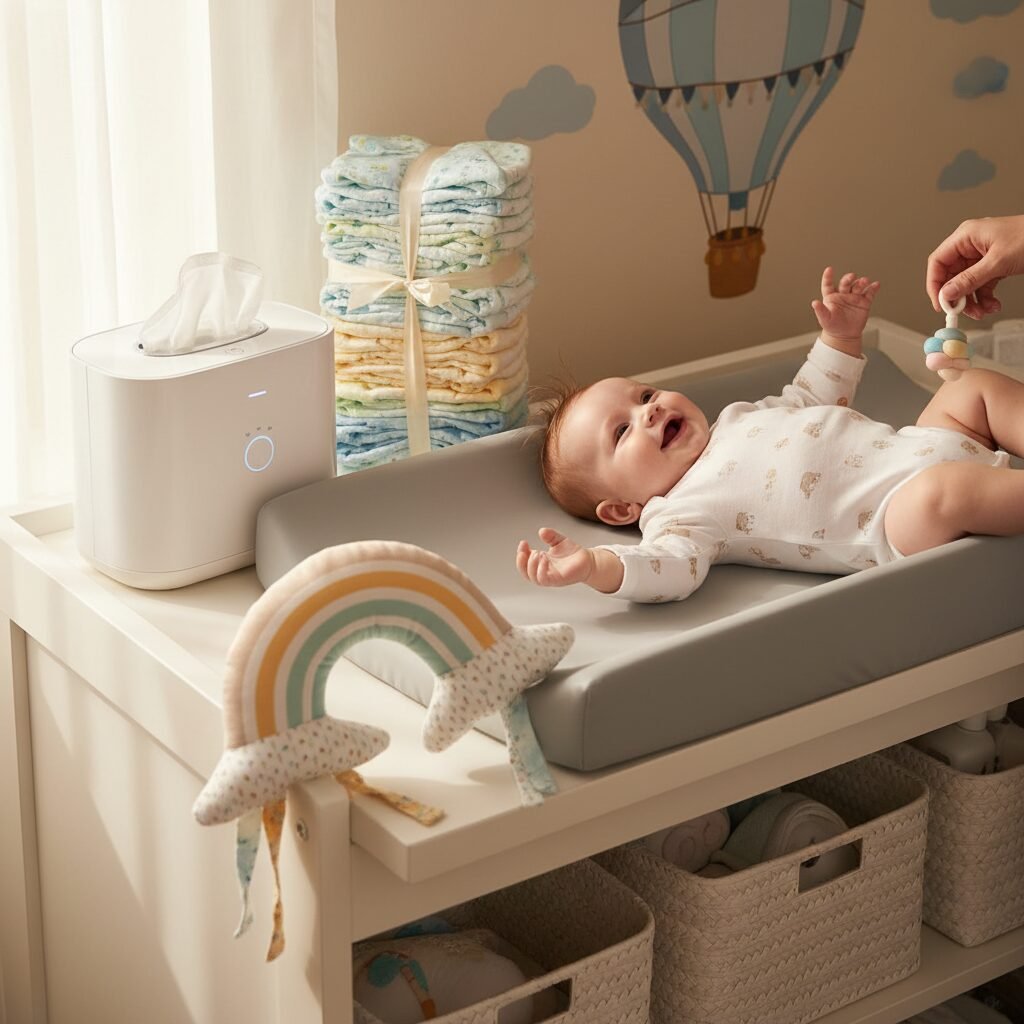
Now that we’ve played detective, let’s become problem-solvers. Creating a positive diaper-changing routine is all about preparation, comfort, and connection. A few small tweaks can make a world of difference.
Step 1: Prepare Your ‘Peaceful Place’
Don’t start the process until you have everything within arm’s reach. Fumbling for wipes or cream while your baby is exposed will only prolong their discomfort. Your setup should include:
- A clean diaper
- Wipes (consider a wipe warmer or running them under warm water for a moment)
- Diaper cream or ointment
- A clean outfit, just in case
- A small, engaging toy
Step 2: Master the Art of Distraction
A distracted baby is a happy baby. This is your chance to be silly and engaging! Your face is your baby’s favorite toy. Get down to their level, make eye contact, smile, and talk to them in a soothing voice. Narrate what you’re doing: ‘Okay, let’s get these little legs out. One leg… two legs! Now for that wet diaper.’ You can also:
- Sing a special diaper-change song.
- Hang a captivating mobile above the changing station.
- Give them a designated, easy-to-clean ‘diaper-time toy’ that they only get during changes.
Step 3: Keep Them Warm and Secure
Tackle the cold factor head-on. Change diapers in a warm room and consider placing a small space heater nearby (at a safe distance, of course). Instead of taking their entire outfit off, just unsnap the onesie and pull it up over their chest, leaving their top half covered and warm. You can also lay a soft, warm blanket over their chest and tummy to help them feel more secure and less exposed.
Step 4: Perfect Your Technique
Be swift, but gentle. Instead of lifting your baby’s legs straight up to the ceiling to wipe, which can put pressure on their tummy and spine, try the ‘log roll’ method. Gently roll your baby from side to side to clean them. It’s more comfortable and can prevent gas pains. Use a gentle, confident touch throughout the entire process.
Could It Be Something More? Physical Causes to Consider

While most diaper-time crying is behavioral or sensory-related, it’s important to be aware of potential physical issues. If the crying is intense, consistent, and seems to be rooted in pain, it’s time to investigate further.
The Sting of Diaper Rash
A raw, red bottom hurts! Even the gentlest wipe can feel like sandpaper on irritated skin. If your baby has a diaper rash, the cleaning process and the chemicals in some wipes can cause significant stinging and pain.
What to do:
- Change diapers more frequently to keep the area dry.
- Use a squirt bottle with warm water to gently cleanse the area instead of wiping.
- Pat the area dry with a soft cloth or allow for some air time.
- Apply a thick layer of a zinc-oxide-based barrier cream to protect the skin.
Urinary Tract Infections (UTIs)
UTIs are less common in newborns but can happen. If your baby cries specifically while urinating, or if their urine has a strong or foul odor, it could be a sign of infection. Wiping the area can be particularly painful for them.
Safety First: If you suspect a UTI, see blood in the diaper, or if your baby has a fever along with the crying, call your pediatrician immediately.
Other Physical Pains
Rarely, a baby might have hip discomfort (like hip dysplasia) or another physical issue that makes the leg movements involved in a diaper change painful. If your baby consistently cries when their legs are moved in a specific way, or if you notice a ‘clunking’ sound or feel in their hips, it’s essential to have them evaluated by your doctor.
When to Call Your Pediatrician

You know your baby best. While most diaper-change protests are normal, trust your parental instincts. It’s always better to be cautious and seek professional advice if something feels off. Schedule a visit with your pediatrician if you notice any of the following:
| Symptom | What It Could Mean |
|---|---|
| Crying that is inconsolable and seems to be in severe pain | Could indicate a more serious issue like a UTI, severe reflux, or other internal pain. |
| A rash that looks like blisters, open sores, or doesn’t improve after 2-3 days of home care | May be a yeast infection or a bacterial infection requiring a prescription cream. |
| Fever (a rectal temperature of 100.4°F or higher in a newborn) | This is always a reason for an immediate call to the doctor in a baby under 3 months. |
| Blood in the stool or urine | Needs to be evaluated to rule out infection, allergies, or other medical conditions. |
| Your baby consistently screams when their hips or legs are moved | Warrants an examination to check for hip dysplasia or other musculoskeletal issues. |
Remember, your pediatrician is your partner in this journey. There is no such thing as a silly question when it comes to your baby’s health and well-being.
Conclusion
My dear new parent, navigating the world of newborn cries can feel like learning a new language, but you’re doing an amazing job. The screams during diaper changes are almost always a temporary phase—a small bump on this incredible parenting road. By focusing on warmth, comfort, distraction, and connection, you can turn a dreaded chore into a sweet moment. Be patient with your little one, and just as importantly, be patient with yourself. You’ll find a rhythm that works for both of you. Before you know it, these tearful moments will be replaced by giggles and wiggly legs, and you’ll be a diaper-changing pro. You’ve got this.