
Bassinet to Crib: The Smooth Transition Plan for Zero Sleepless Nights
Hello, dear parents. Take a deep breath. I know the feeling well—that mix of pride and panic when you realize your tiny newborn is suddenly not so tiny anymore. The bassinet that seemed so perfectly snug just weeks ago is starting to look a little small, and the big, empty crib in the nursery is calling. If the thought of moving your baby from your bedside bassinet to their own crib fills you with a little (or a lot of) anxiety, please know you are in good company. As a pediatric nurse and lactation consultant, I’ve held the hands of countless parents through this exact transition.
This move is more than just a change of furniture; it’s a major milestone! It represents a step toward independence for your baby and, let’s be honest, a step toward getting your own space back. But it often comes with a flood of questions: When is the right time? Will they feel scared in such a big space? Will I ever sleep again?
I’m here to tell you that yes, you will sleep again! With a little preparation, a lot of patience, and a solid plan, transitioning your baby to their crib can be a smooth and positive experience for the whole family. In this guide, we’ll walk through everything you need to know—from spotting the signs your baby is ready, to setting up a safe and inviting sleep space, and navigating those inevitable nighttime bumps. Let’s do this together.
Knowing When It’s Time: The ‘Why’ and ‘When’ of the Big Move

One of the biggest questions I get is, “How do I know my baby is ready for the crib?” While it’s tempting to look for a magic number on the calendar, the answer has much more to do with your baby’s development and safety than their age. The American Academy of Pediatrics (AAP) is very clear that the single most important reason to make the switch is safety.
Developmental Signs Trump Age
Forget the 4-month or 6-month rule you might have heard. Instead, watch your baby for these key developmental cues:
- They’re a rolling stone: If your baby is starting to roll over, or even just attempting to, it’s time to move. Bassinets are shallower and have softer sides, which can pose a suffocation risk if a baby rolls and presses their face against the side.
- They’re pushing up: Is your little one doing mini push-ups during tummy time, getting up on their hands and knees? This is a sign of increasing strength and mobility, which means they’ve outgrown the confined space of a bassinet.
- They’re hitting the limits: Every bassinet has a weight and height limit (usually around 15-25 pounds). Check your specific model’s manual. Once your baby approaches that limit, the bassinet is no longer a safe option.
Safety First, Always: The moment your baby shows signs of being able to roll over, the swaddle must go (transition to a sleep sack!) and they must be moved to a flat, firm sleep surface like a crib, play yard, or pack-n-play. This is non-negotiable for safety.
Bassinet vs. Crib: A Quick Safety Check
Understanding the fundamental differences can help you feel more confident in your decision to move them to a space that’s designed for a more mobile baby.
| Feature | Bassinet | Crib |
|---|---|---|
| Purpose | Designed for newborns and young infants (approx. 0-4 months). | Designed for infants and toddlers (approx. 0-3 years). |
| Side Height | Shallow sides. | High slatted sides to prevent climbing out. |
| Weight Limit | Typically 15-25 lbs. | Typically 50 lbs or more. |
| Key Safety Milestone | Discontinue use when baby shows signs of rolling. | Safe for rolling; lower mattress as baby learns to sit and stand. |
Setting the Stage for Success: Prepping the Nursery and the Crib
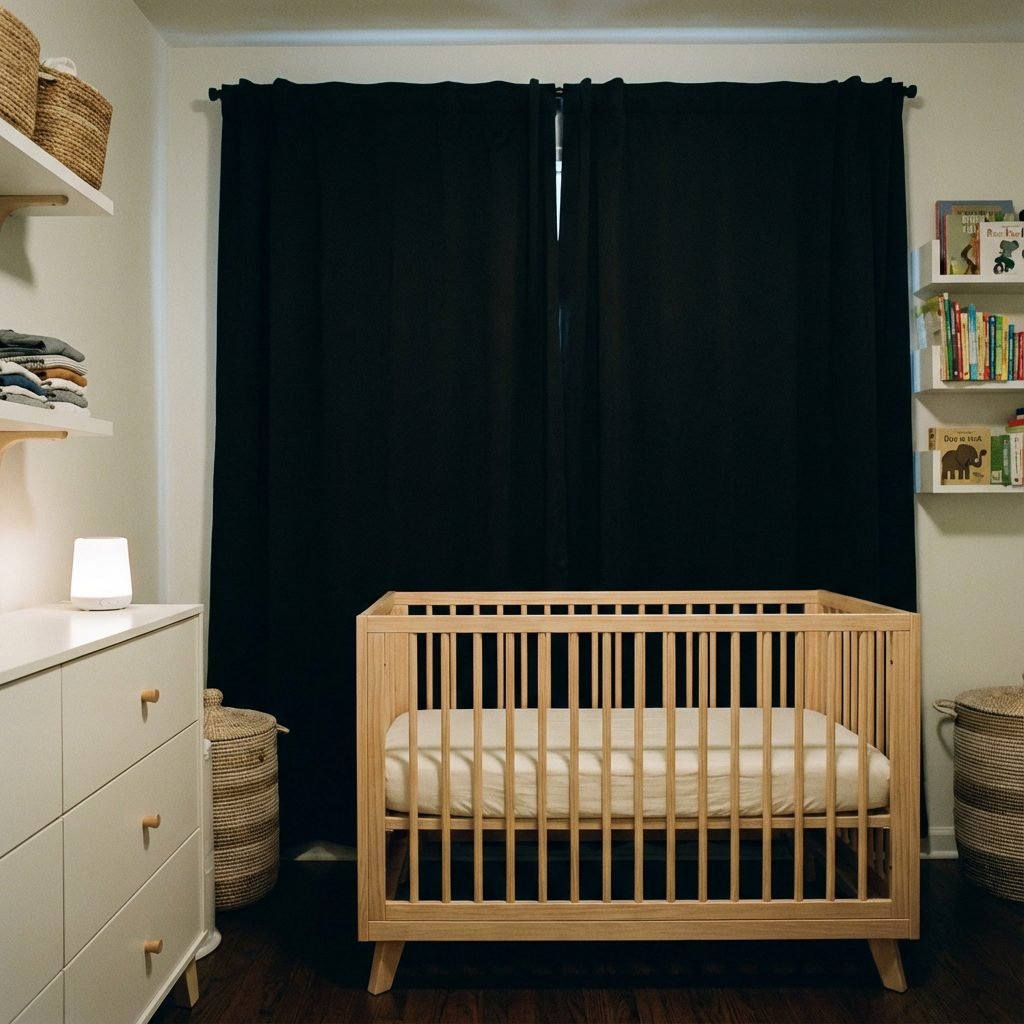
A successful transition is all about creating a sense of familiarity and safety. You want the crib to feel like a cozy, welcoming space—not a vast, scary unknown. This phase is all about preparation, and it can make a world of difference.
Making the Crib a Happy Place
The goal is to build positive associations with the crib long before you expect your baby to sleep in it. You wouldn’t want to sleep in a strange room you’d never seen before, and neither does your baby!
- Start with playtime: During your baby’s happy, awake periods, place them in the crib for a few minutes of playtime. Lie them on their back and let them gaze at a mobile (just remember to remove it once they can sit up) or give them a baby-safe toy to look at.
- Incorporate it into routines: Try doing a diaper change in the crib or folding laundry next to it while you chat and sing to your baby. Let them see and experience the crib as a normal, pleasant part of their environment.
Creating a Consistent Sleep Environment
Babies are creatures of habit. The more you can make the crib environment mirror the bassinet environment, the smoother the transition will be. Think of it as replicating their comfort zone.
- Location, Location, Location: If the bassinet was in your room, the crib will likely be in the nursery. Make sure the nursery itself is set up for sleep. This means using blackout curtains to make it truly dark and a white noise machine to block out household sounds.
- The Scent of Home: Try placing the fitted sheet from the bassinet onto the crib mattress for the first few nights (as long as it fits snugly and safely). The familiar scent can be incredibly comforting.
- Temperature Control: Keep the room at a comfortable temperature, typically between 68-72°F (20-22°C), to prevent overheating.
- Wearable Blankets: Use the same sleep sack or wearable blanket that your baby used in the bassinet. This provides a consistent feeling of security.
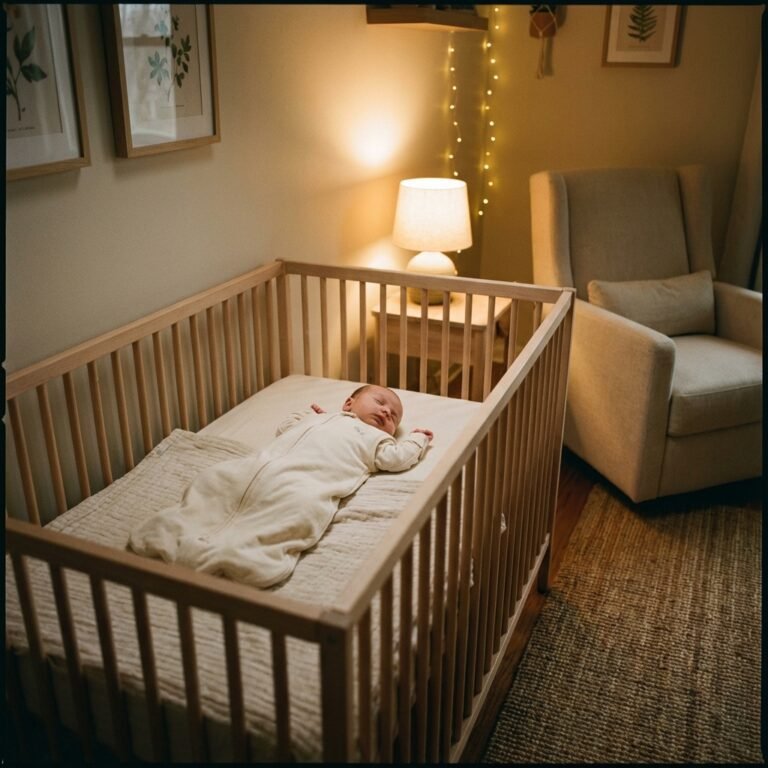
The ABCs of Safe Sleep: This is my mantra for every new parent. Your baby should sleep Alone, on their Back, in a Crib (or other safe sleep surface). This means a firm mattress with only a fitted sheet. No bumpers, no pillows, no blankets, no stuffed animals. A clear crib is a safe crib.
Your Step-by-Step Transition Plan: Choose Your Method

Okay, the room is prepped and the crib feels like a happy place. Now for the main event! There are two primary schools of thought on how to make the actual move. There is no right or wrong answer—only what works best for your baby’s temperament and your family’s comfort level.
Method 1: The Gradual Introduction
This method is perfect for more sensitive babies (and more anxious parents!). It eases everyone into the change slowly over several days or even a week.
- Start with Naps: For the first few days, have your baby take their first nap of the day in the crib. Naps often feel less intimidating than nighttime sleep. Keep the rest of their sleeps in the bassinet.
- Increase Crib Time: Once naps are going well, add more naps in the crib until all daytime sleep is happening there.
- Make the Nighttime Move: Now that the crib is a familiar sleep spot, it’s time to tackle the night. Go through your entire bedtime routine as usual, but when it’s time for bed, place your baby in the crib instead of the bassinet.
Method 2: The ‘One Fell Swoop’ Approach
Some babies (and parents!) do better with a quick, clean break. If your baby is generally easygoing and adaptable, this can be a very effective and fast method.
- Pick Your Start Date: Choose a night to begin, perhaps on a Friday when you have the weekend to adjust without work pressures.
- Commit to the Crib: Perform your entire bedtime routine—bath, PJs, feeding, story, song—and then place your baby into the crib for the night.
- Stay Consistent: From this night forward, all sleep—naps and nighttime—happens in the crib. Consistency is the absolute key to making this method work. Going back and forth will only confuse your baby.
Comparing the Methods
| Method | Pros | Cons |
|---|---|---|
| The Gradual Introduction |
|
|
| The ‘One Fell Swoop’ |
|
|
Navigating the Bumps: Troubleshooting Common Transition Hurdles

It would be lovely if every transition went off without a hitch, but we’re dealing with tiny humans, not robots! It’s completely normal to hit a few bumps in the road. The most important thing is to stay calm and consistent. Here are some of the most common challenges and how to handle them.
“My baby cries the second I put them in the crib!”
This is so tough on a parent’s heart. It’s often not about the crib itself, but the change. Your baby simply notices that things are different. Try to offer physical and verbal reassurance. Place a hand firmly on their chest, shush softly, or sing their favorite lullaby. You can try picking them up to calm them, but the goal is to put them back down in the crib while they are still awake (or at least drowsy). This teaches them that the crib is a safe place to fall asleep.
“They were sleeping through the night, and now they’re waking up again!”
Welcome to what is often a temporary sleep regression. A major change in environment can disrupt sleep patterns. Resist the urge to bring them back into the bassinet or your bed. Go to them, offer comfort in the crib, and reassure them. Stick to your plan. This phase usually passes within a week as the crib becomes their new normal.
“The crib seems so big and empty. They look lost in there!”
We’re used to seeing them in a snug space, so the crib can look huge to us. But remember, a clear, open space is the safest space. To help them feel more secure, make sure you’re using a sleep sack. A wearable blanket provides a cozy, contained feeling that can mimic the snugness of the bassinet without the safety risks of loose blankets.
“How long is this supposed to take?”
Every baby is different. Some will adapt in a night or two. For others, it might take a full two weeks. The average is usually about 3 to 7 days. The more consistent you are with your chosen method, the faster your baby will adjust. You’ve got this!
Conclusion
You did it! You guided your baby through a huge developmental milestone. This transition is about so much more than changing where your baby sleeps—it’s about adapting to their growing needs, fostering healthy sleep habits, and building confidence in both your baby and yourself. Remember to celebrate this success!
The keys to this journey are recognizing when your baby is ready, preparing a safe and comforting space, and remaining patient and consistent through the process. There will be good nights and not-so-good nights, and that is perfectly okay. Be gentle with yourself and your little one. You are learning and growing together.
This is just one of many transitions you’ll navigate on your parenting adventure. Trust your instincts, lean on your routines, and know that you are giving your baby the incredible gift of safe and independent sleep. Sweet dreams to you all.