Stop Leaks Forever: The Magic Of Wool Covers For Heavy Wetters
Hello, dear parents. Take a deep breath. If you’re reading this, chances are you’ve experienced the special kind of frustration that comes from a diaper leak. You know the one—you finally get your little one down for the night, only to find them (and their entire crib) soaked an hour later. It’s exhausting, it’s messy, and it can make you feel like you’re failing. As a pediatric nurse and lactation consultant, I’ve sat with countless tired parents who have tried every diaper brand under the sun, only to face the same damp disappointment. But what if I told you the solution isn’t a high-tech, space-age polymer, but something wonderfully ancient and natural? I’m talking about wool. Yes, wool. Stay with me here! It might sound old-fashioned or complicated, but I promise you, modern wool diaper covers are a game-changer, especially for our champion heavy wetters. Let’s unravel the ‘magic’ behind why this natural fiber might just be the key to dry nights and peaceful sleep for everyone.
Why Wool? The Science Behind Nature’s Perfect Diaper Cover
When parents first hear about putting a wool cover over a diaper, their first question is usually, ‘Wait, won’t that be hot and scratchy?’ It’s a fair question, but modern merino wool is incredibly soft and breathable. But the real magic lies in its unique properties, which make it function like a high-performance fabric, courtesy of Mother Nature.
The Lanolin Factor
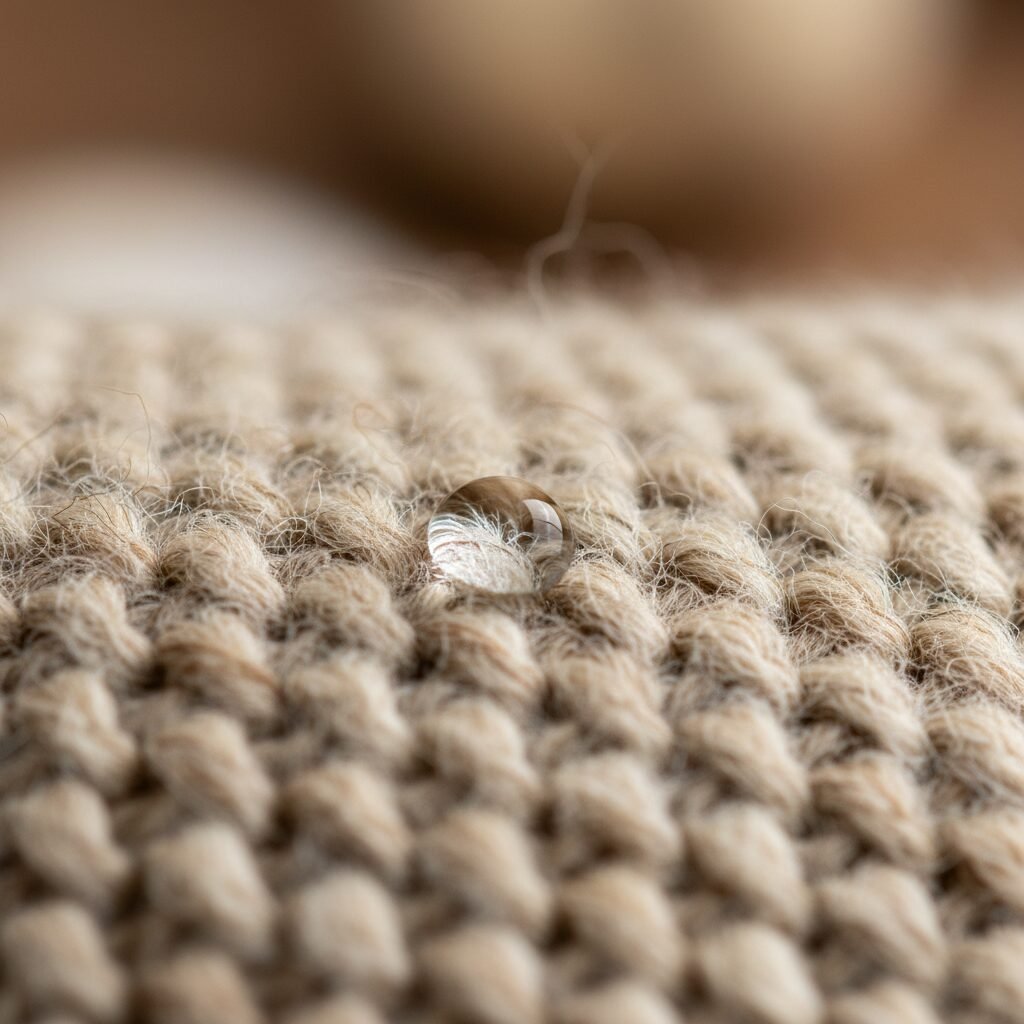
The superstar of the wool world is lanolin. This is a natural wax produced by sheep to protect their fleece from the elements. When you ‘lanolize’ a wool cover (more on that process later, it’s easy!), you’re essentially restoring this waxy coating. Here’s what it does: when your baby’s wet diaper comes into contact with the lanolized wool, the lanolin neutralizes the urine, breaking it down into salt and water, which then evaporates. It’s not a waterproof barrier in the way plastic is; it’s a breathable, moisture-managing system. A small amount of moisture is held within the wool’s fibers, but the outside of the cover feels dry. It’s incredible to witness!
Unbeatable Breathability
Unlike PUL (polyurethane laminate), the synthetic waterproof layer found in most modern cloth diapers and disposable diapers, wool is exceptionally breathable. This is crucial for your baby’s skin health. Air can circulate freely, which helps to regulate temperature—keeping your baby warm in the winter and cool in the summer. This breathability also significantly reduces the risk of diaper rash, as it creates a less humid environment where yeast and bacteria can thrive.
A Nurse’s Note: I often see stubborn diaper rashes clear up almost overnight when parents switch from synthetic covers to wool, especially for nighttime. Healthy airflow is one of the best things for delicate baby skin.
Absorbency and Self-Cleaning Powers
Wool can absorb up to 30% of its own weight in moisture before it even begins to feel damp. This is your backup plan. If the diaper inside is completely saturated, the wool cover steps in as an extra absorbent layer, pulling moisture away from your baby’s clothes and bedding. And because of lanolin’s antimicrobial and neutralizing properties, you don’t have to wash the cover after every single use. Unless it gets soiled with poop, you can simply air it out between uses. The wool literally cleans itself. Most parents find they only need to wash and re-lanolize their covers every 2-4 weeks! Less laundry? Yes, please.
Your First Wool Cover: A Buyer’s Guide
Okay, you’re intrigued. But stepping into the world of wool can feel a little overwhelming with all the different styles and terms. Let’s break it down so you can choose with confidence. The most important thing to remember is what goes under the wool: you’ll need an absorbent diaper, like a fitted, a prefold, or a flat, to soak up the pee. The wool cover’s job is to contain any excess moisture and prevent leaks.
Types of Wool Covers
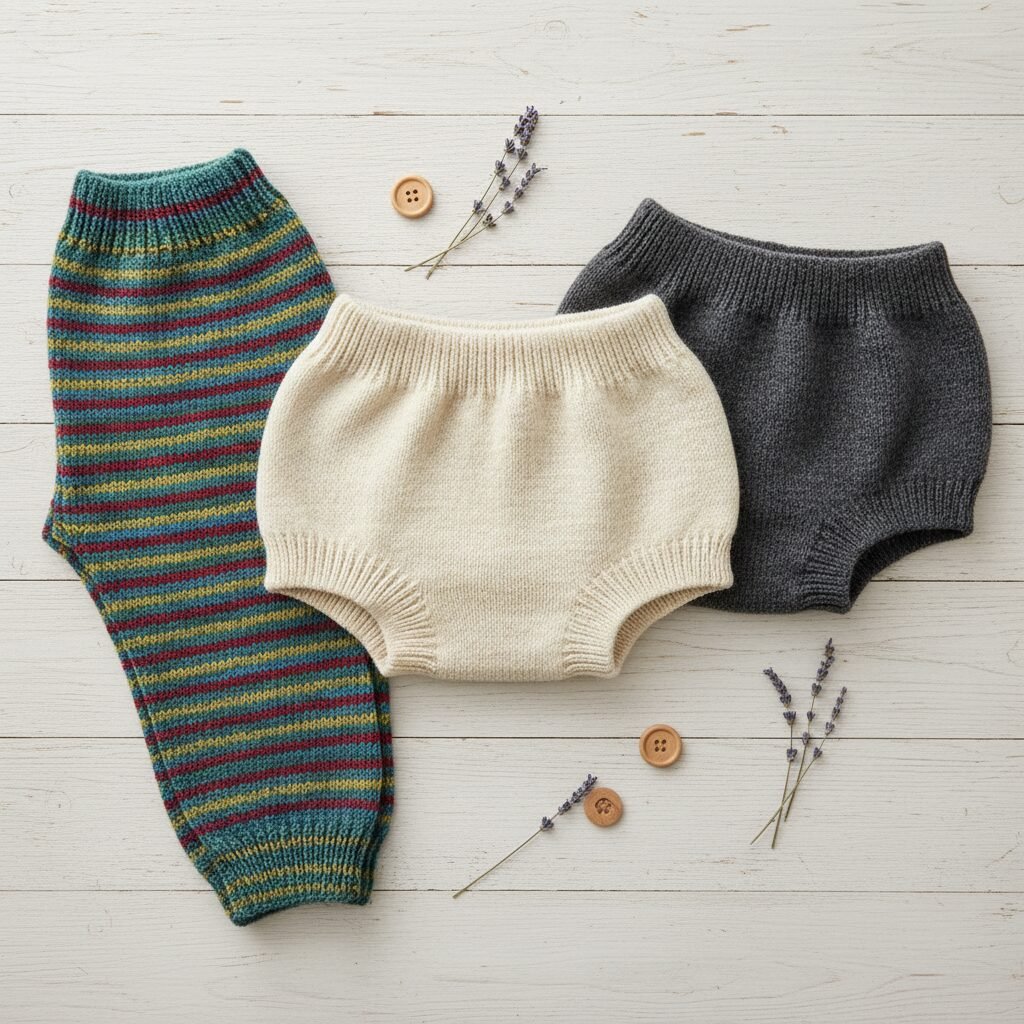
Wool covers come in a few common styles, each with its own benefits. Think about when you’ll use it most—daytime, nighttime, or as part of an outfit.
| Style | Description | Best For |
|---|---|---|
| Soaker / Shorties | These look like a pair of shorts or briefs. They cover the diaper area and are meant to be worn under clothing. | Daytime use, nighttime for babies who don’t need extra leg coverage. The most common and versatile style. |
| Longies | These are full-length pants with the soaker built right in. They are a diaper cover and pants all in one. | Cooler weather, pajamas for nighttime, and simplifying outfits. Great for crawlers to protect their knees! |
| Skirties / Dress Covers | A soaker with a skirt attached. Adorable and functional for little ones who wear dresses. | Wearing with dresses to provide a cute, functional, and leak-proof layer. |
Material Matters: New vs. Upcycled
You’ll find covers made from new merino wool yarn or ‘upcycled’ from felted wool sweaters. New wool, especially from small businesses that knit them by hand, is incredibly soft, stretchy, and comes in beautiful colors and patterns. They are often a bit pricier but are made specifically for diapering. Upcycled wool is made from 100% wool sweaters that have been washed in hot water to felt them, making the fabric thicker and more water-resistant. These are a fantastic, budget-friendly, and eco-conscious option. Both work wonderfully!
Getting the Right Size
Sizing is key to preventing leaks. You want a snug fit around the waist and thighs, but not so tight that it leaves red marks. The cover needs to be tall enough to completely cover the absorbent diaper underneath. Most sellers provide sizing charts based on weight and measurements (rise, waist, thighs). When in doubt, it’s always a good idea to measure your baby over their bulkiest diaper.
The Lanolizing Lowdown: Your Step-by-Step Guide
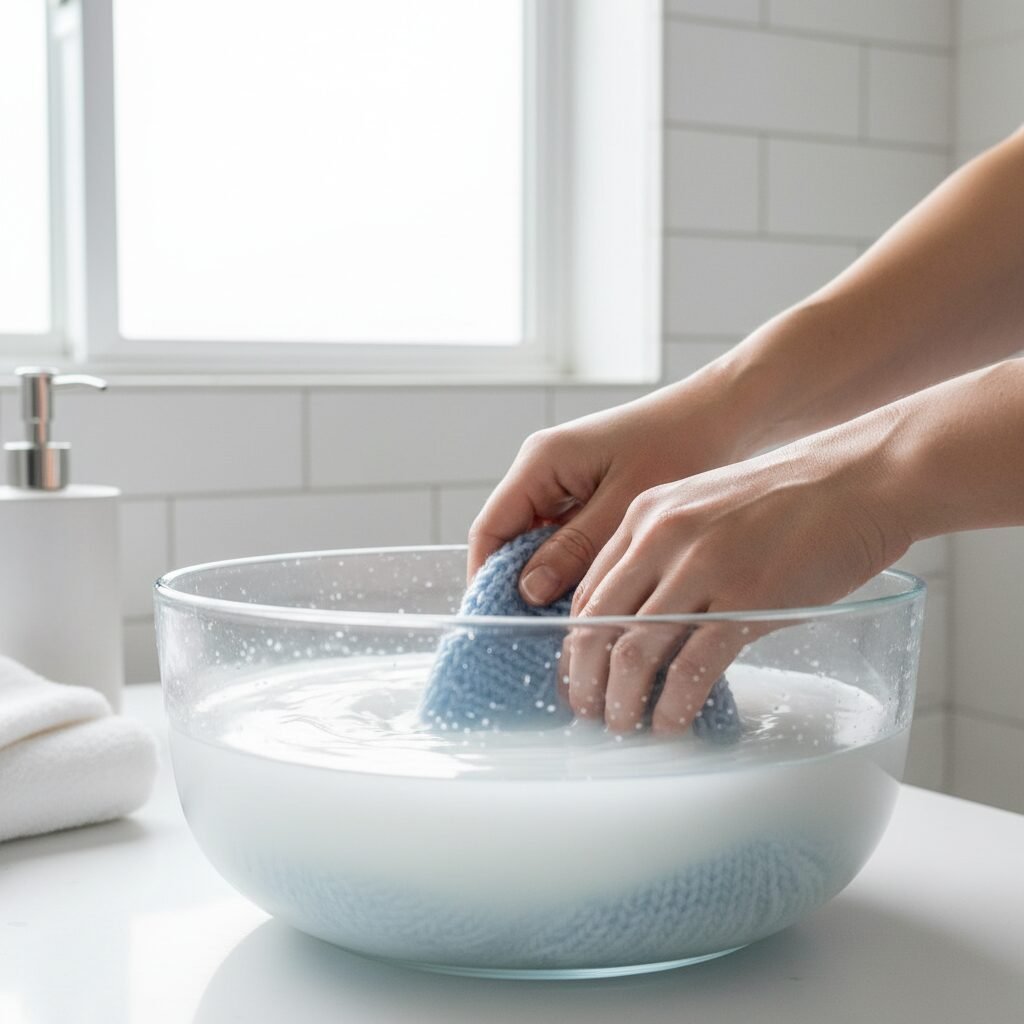
This is the part that seems to intimidate everyone, but I promise, it’s as easy as making a cup of tea. Lanolizing is just the process of adding that magical lanolin back into the wool fibers. You’ll do this when you first get your cover and then every few weeks, or whenever you notice it’s not repelling moisture as well. Here’s my no-fuss method:
- Start with a Clean Cover: First, you need to wash your wool. Use a gentle, wool-safe soap (like Eucalan or a bit of baby shampoo). Fill a small basin with lukewarm water—not hot, not cold. Add a tiny squirt of soap, swish it around, and then submerge your wool cover. Gently squeeze the soapy water through it. Don’t scrub or twist it! Let it soak for about 15-20 minutes.
- Rinse Gently: Drain the soapy water and refill the basin with clean, lukewarm water. Gently squeeze the cover to rinse out the soap. Repeat if needed until the water is clear.
- Prepare the Lanolin Bath: Now for the magic potion. Get a small jar or mug. Add a pea-sized to dime-sized amount of solid lanolin (you can buy this online or at pharmacies) and a tiny drop of your wool wash or baby shampoo (this helps the lanolin emulsify). Pour a little bit of very hot water into the jar and stir until the lanolin is completely dissolved and the water looks milky.
- Create the Soaking Solution: Fill your basin again with a few inches of lukewarm water. Pour your milky lanolin mixture into the basin and stir it around.
- Soak Your Wool: Turn your wool cover inside out and submerge it in the lanolin water. Let it soak for at least 4 hours, or even better, overnight. This gives the fibers plenty of time to drink up all that lanolin goodness.
- Dry and Wait: After soaking, gently squeeze out the excess water (again, no wringing!). The best way to do this is to roll the cover in a thick towel and press firmly. Then, lay it flat to dry on a drying rack or another towel. It can take a day or two to dry completely. And that’s it! Your wool cover is now a leak-fighting superhero.
Troubleshooting Common Wool Woes
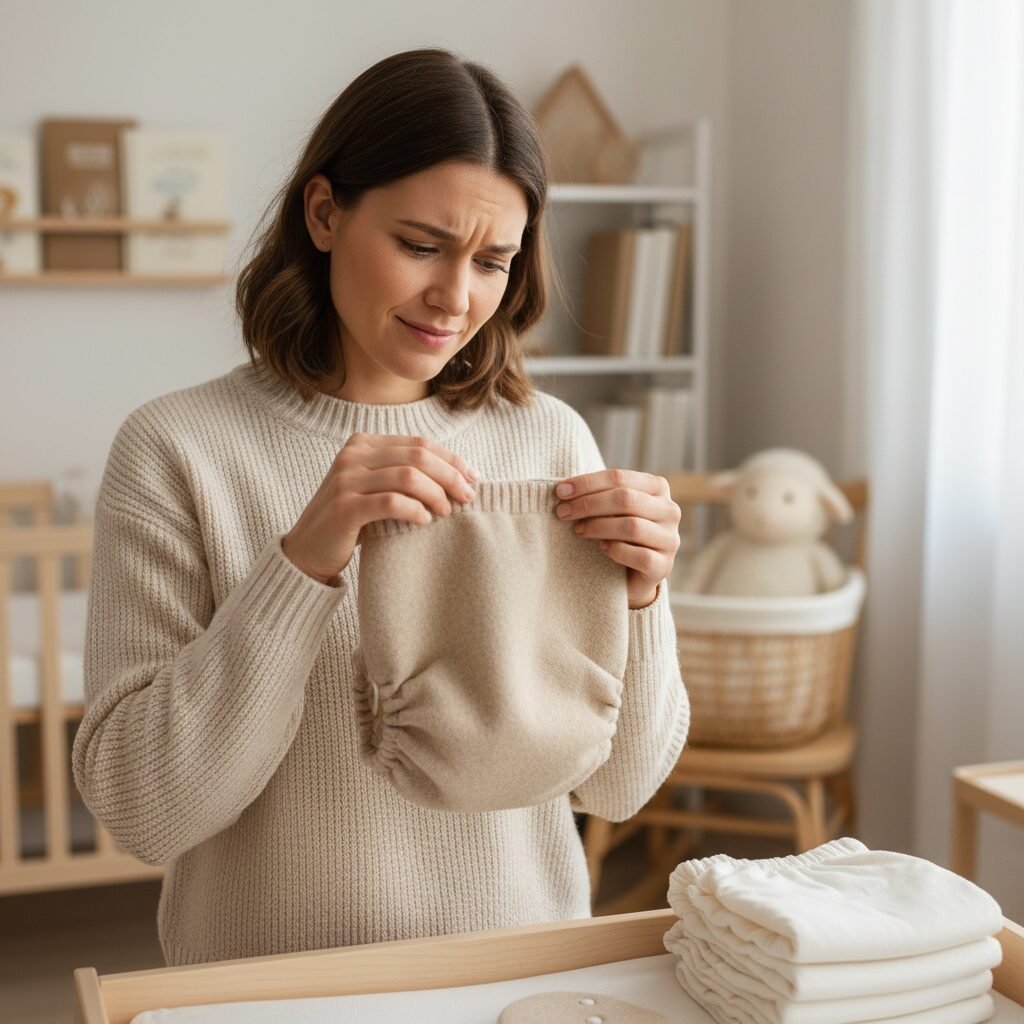
Even with something as wonderful as wool, you might have a few questions along the way. Don’t worry, these are almost always easy fixes! Here are some of the most common concerns I hear from parents.
‘Help! My wool cover is leaking!’
This is the most common issue and it usually comes down to one of three things. First, check your absorbency underneath the wool. If your fitted or prefold is completely saturated, it means you just need more absorbency. Try adding a booster or ‘doubler’. Second, check the fit. Are there any gaps around the legs or waist where the diaper is peeking out? If so, the cover might be too big. Third, it might be time to re-lanolize! A good, thick layer of lanolin is your best defense against leaks.
‘It feels a bit damp in the morning. Is that normal?’
Yes, this can be totally normal, especially with a very heavy wetter overnight. Wool works by absorbing and then evaporating moisture. A slight feeling of dampness on the outside, especially in the ‘wet zone’, just means it’s doing its job. As long as the moisture isn’t soaking through to the pajamas or sheets, your cover is working perfectly.
‘My cover smells a little… sheepy?’
A faint, earthy, or sweet smell when wet is the natural scent of wool and lanolin. It’s not a bad smell! However, if it smells like a barn, it might be a sign that you used a bit too much lanolin. If it smells like urine, it definitely needs a good wash and a fresh lanolin treatment.
‘Oh no, it’s getting fuzzy and pilling!’
Pilling is a normal process for wool, especially in high-friction areas like between the thighs. It doesn’t affect the function of the cover at all. You can safely ignore it or use a sweater shaver to remove the pills if they bother you.
Safety First: While wool is naturally flame-resistant, always keep it away from open flames or high-heat sources. And remember, a wool cover is outerwear for a diaper; it is not a toy.
Wool vs. The World: How It Stacks Up Against PUL Covers
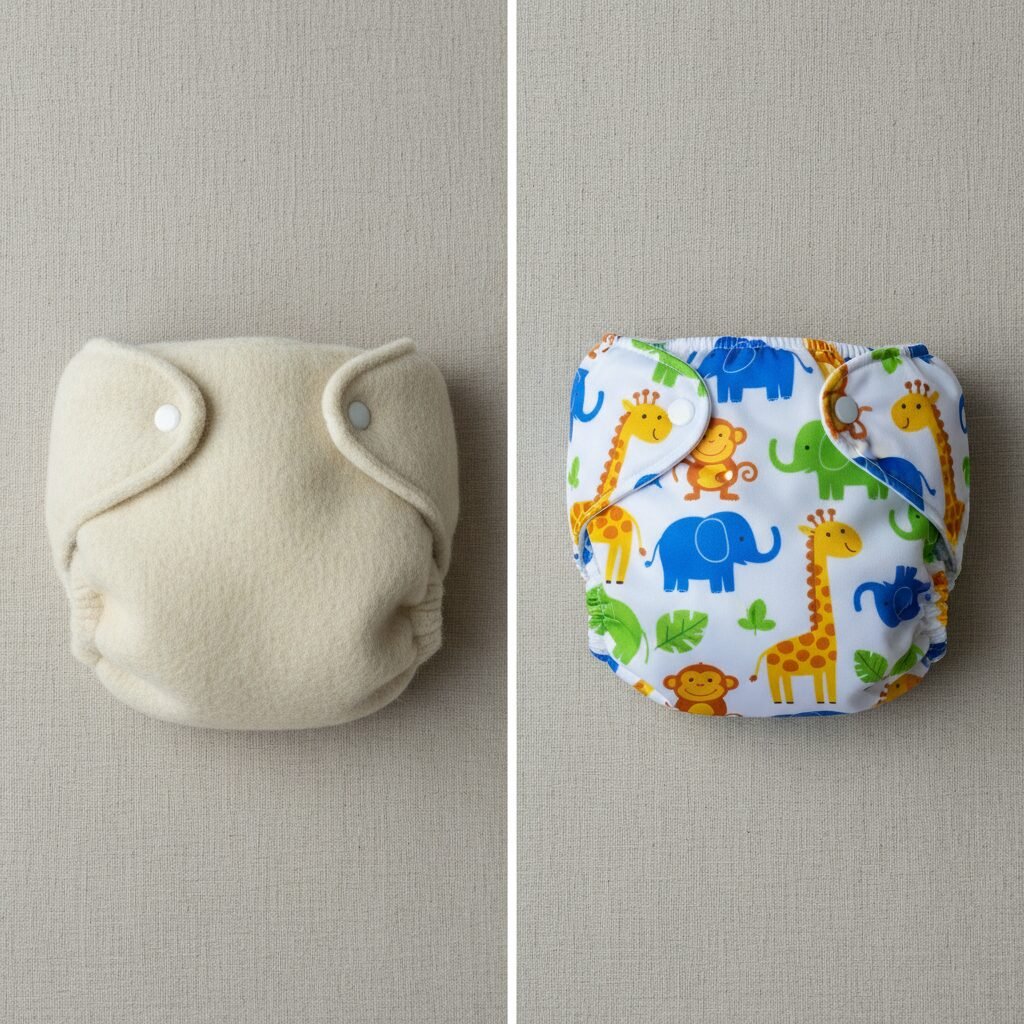
So, how does this ancient fiber really compare to the modern standard, PUL? Both have their place in the cloth diapering world, but they shine in different areas. For parents of heavy wetters struggling with persistent leaks, wool often comes out on top. Here’s a quick comparison to help you decide what’s right for your family.
| Feature | Wool Covers | PUL (Polyurethane Laminate) Covers |
|---|---|---|
| Breathability | Extremely high. Allows for excellent air circulation, reducing rashes. | Low. It’s a non-breathable waterproof barrier, which can trap heat and moisture. |
| Maintenance | Wash and lanolize every 2-4 weeks. Air dry between uses. Requires a separate, gentle washing routine. | Machine wash and dry with regular diaper laundry after each use. Very easy care. |
| Effectiveness | Excellent for heavy wetters and nighttime. Lanolin provides a gentle, breathable moisture barrier. Very leak-resistant. | Very effective for daytime use. Can sometimes lead to compression leaks if the insert is fully saturated. |
| Cost | Higher initial cost per cover, but you need fewer of them (3-4 for a full-time rotation is often enough). | Lower initial cost per cover, but you’ll need more of them (8-12+) since they must be washed after each use. |
| Material | 100% natural, renewable, and biodegradable fiber. | A synthetic, plastic-based material bonded to polyester fabric. |
Ultimately, many families find that having a mix of both is perfect. They might use easy-to-care-for PUL covers during the day and rely on a trusty, bulletproof wool cover for that long, 12-hour stretch at night. It’s all about finding the system that brings you and your baby the most comfort and peace.
Conclusion
Navigating the world of baby gear can feel like a full-time job, but solving diaper leaks doesn’t have to be complicated. Wool covers are a testament to the fact that sometimes, the simplest, most natural solution is also the most effective. They are breathable, sustainable, incredibly gentle on your baby’s skin, and unbelievably effective at keeping everything dry. Don’t be intimidated by the idea of lanolizing—after you’ve done it once, you’ll see how simple it truly is. So give yourself a break from the endless cycle of wet sheets and extra laundry. Embrace the cozy, gentle, and magical power of wool. You and your little heavy wetter deserve a peaceful, dry night’s sleep.