Do Baby Bottles Expire? The Safety Warning Most Moms Miss
As a new parent, you’re juggling a million things, and your baby’s safety is at the top of that list. You’ve baby-proofed the outlets, learned to swaddle like a pro, and have the pediatrician on speed dial. But there’s one common household item that often flies under the radar: the baby bottle. Maybe you’ve received a box of hand-me-downs from a friend or unearthed the set from your older child. The first thought is usually, ‘Great, one less thing to buy!’ followed by a flicker of uncertainty. Can a plastic or glass bottle actually… go bad?
I’m here to tell you, as a pediatric nurse who has seen it all, the answer is a resounding yes. Baby bottles absolutely expire, but not in the way you might think. There’s no stamped date on the bottom like on a carton of milk. Instead, they expire through wear and tear, and using a degraded bottle can pose risks to your little one’s health. Don’t worry, this isn’t another thing to add to your mountain of parental anxiety. Think of this as your friendly guide to becoming a bottle-safety expert. Together, we’ll walk through exactly why bottles break down, what to look for, and how to know when it’s time to say goodbye, ensuring every feeding is as safe and healthy as it is loving.
Why Materials Matter: The Science Behind Bottle Breakdown
When we talk about a bottle ‘expiring,’ we’re really talking about the integrity of its materials. Every time you wash, sterilize, heat, and cool a bottle, you’re putting its materials through a mini stress test. Over time, this cycle causes them to break down. Let’s look at the common types of bottles and what happens to them.
Plastic Bottles (Polypropylene)
These are the most common choice for parents—they’re lightweight, affordable, and shatterproof. While modern bottles are proudly labeled ‘BPA-free,’ the plastic itself isn’t invincible. The biggest culprits in their breakdown are heat and friction.
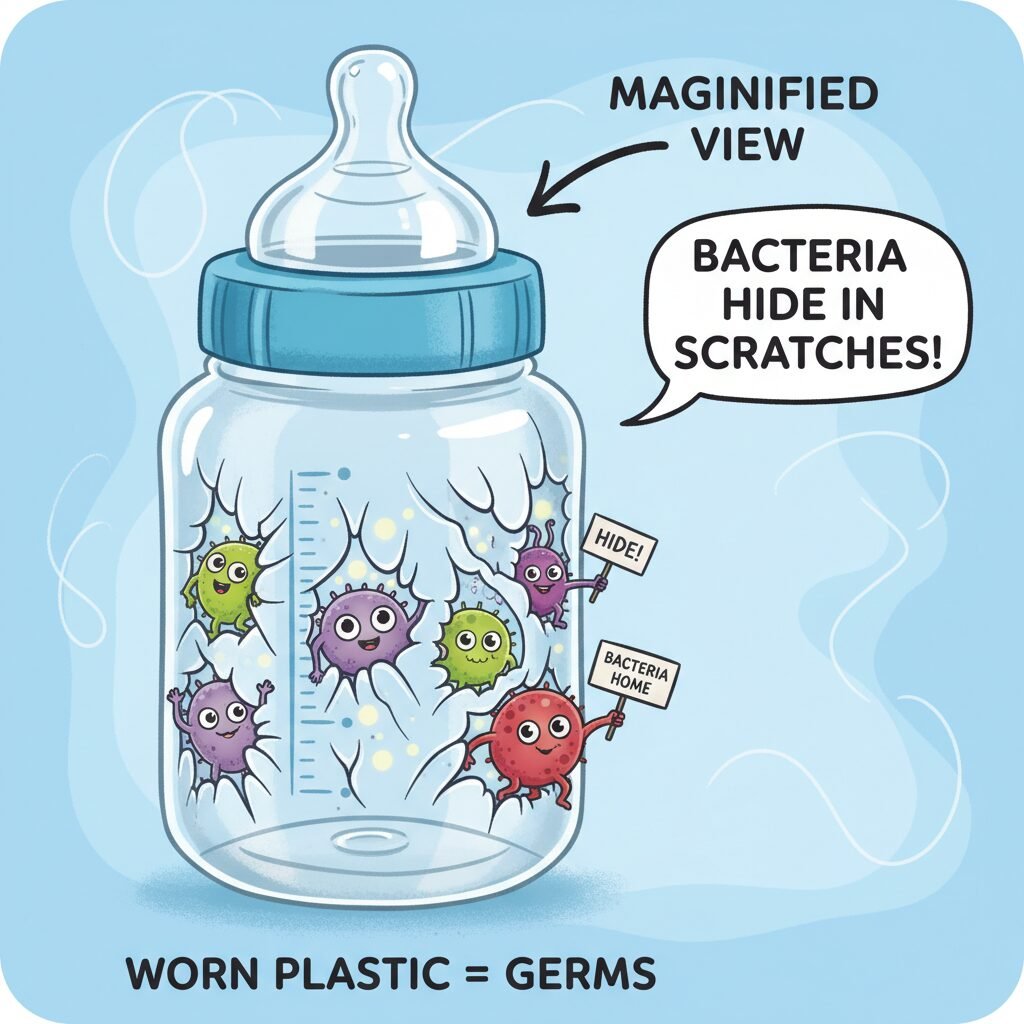
- Micro-Scratches: Every time you scrub a bottle with a brush, you create microscopic scratches on the inside surface. You can’t see them, but they’re the perfect hiding place for bacteria and mold to grow, even with thorough cleaning.
- Heat Degradation: High heat from sterilizers or dishwashers accelerates the breakdown of the plastic’s chemical bonds. This can cause the bottle to become cloudy, warped, or brittle. More importantly, as the plastic degrades, it has the potential to leach chemicals into your baby’s milk. While BPA is gone, other chemicals used in plastic manufacturing can still be a concern when the material is compromised.
Silicone Bottles
Silicone is a fantastic, flexible material that’s generally more durable than plastic. However, it’s not forever-proof. Over time, silicone can absorb odors and colors from milk or juice. You might notice it becoming cloudy, feeling sticky to the touch, or even swelling slightly. This change in texture is a sign that the material is breaking down and should be replaced.
Glass Bottles
Glass is the champion of durability and purity. It doesn’t degrade from heat, won’t absorb odors, and doesn’t leach chemicals. So, the glass part doesn’t really ‘expire.’ The risk with glass comes from two areas: physical damage and the other parts of the bottle.
- Chips and Cracks: Always inspect glass bottles for any chips or cracks, especially around the rim where the nipple collar screws on. A tiny crack can harbor bacteria or break under pressure or temperature change.
- The Accessories: The nipple, collar, and cap are almost always made of silicone or plastic, and these parts will degrade and need replacing just like they would on a plastic bottle.
A Gentle Warning: Always remember that even ‘safe’ plastics are only safe when used as intended. When plastic shows signs of wear and tear, its safety is no longer guaranteed. It’s a simple precaution that offers huge peace of mind.
Your Wear-and-Tear Checklist: How to Spot an Expired Bottle
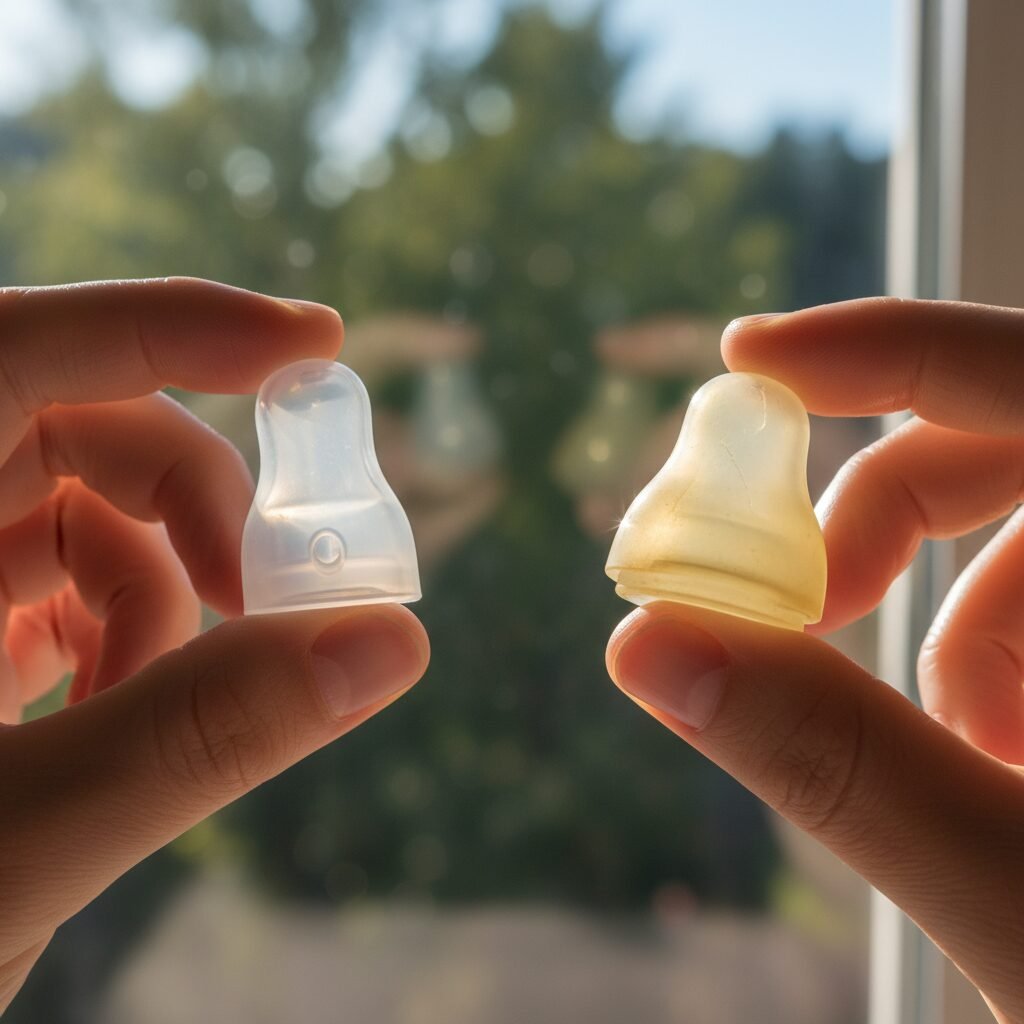
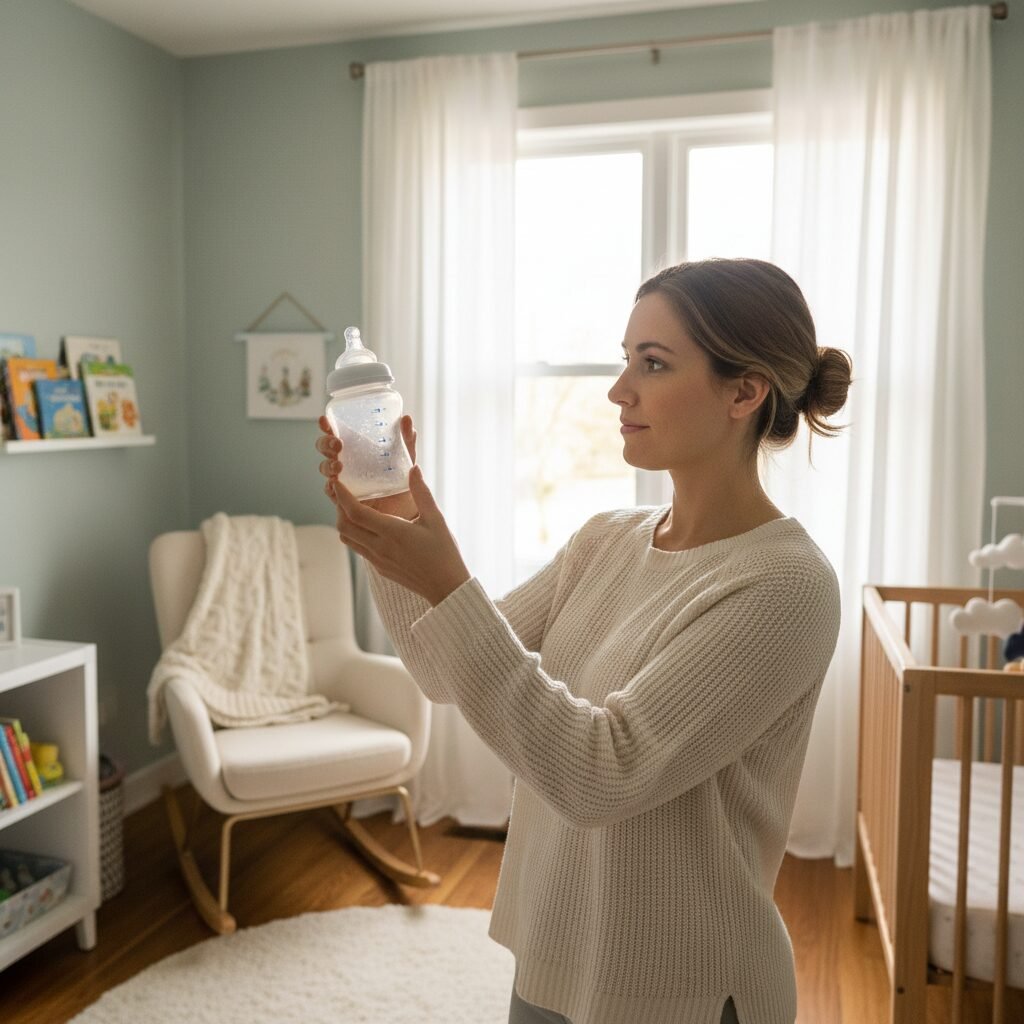
Since there’s no date to check, you have to become a detective. Learning to spot the subtle signs of wear and tear is your most powerful tool. I recommend doing a quick inspection every week or so as you’re washing bottles. Grab a bottle now and let’s go through the checklist together!
The Bottle Body Inspection
Hold the bottle up to a bright light. What do you see? Look for:
- Cracks, Chips, or Splits: This is an automatic ‘toss.’ No exceptions.
- Deep Scratches: If you can feel a scratch on the inside with your fingernail, it’s deep enough for bacteria to call home.
- Cloudiness or Discoloration: If the bottle remains cloudy or yellowed even after a deep clean, the plastic is breaking down.
- Persistent Odor: A bottle that holds onto a sour milk smell is likely porous and degraded.
- Warping: If the bottle doesn’t stand flat or the collar doesn’t screw on easily, it’s a sign of heat damage.
The Nipple Inspection: The Most Critical Check
The nipple is the part that goes into your baby’s mouth, so it requires the most scrutiny. They are made of soft material and break down much faster than the bottle itself.
- Stickiness or Tackiness: If the nipple feels sticky even when clean, the silicone is degrading.
- Tears or Thinning: Check around the feeding hole and the base. Any sign of a tear is a serious choking hazard.
- Discoloration: A yellowed or browned nipple is a sign of age and breakdown.
- Swelling: If the nipple looks bloated or larger than a new one, it’s time for it to go.
- Flow Test: Turn the bottle upside down. If milk pours out in a stream instead of a steady drip, the hole has been stretched, which can cause your baby to gag or overeat.
To make it easier, here’s a quick-reference table to guide your inspections:
| Bottle Part | What to Look For | Action to Take |
|---|---|---|
| Bottle Body (Plastic/Silicone) | Cracks, deep scratches, cloudiness, warping, odor | Discard immediately |
| Bottle Body (Glass) | Chips, cracks (especially on the rim) | Discard immediately |
| Nipple (Silicone/Latex) | Stickiness, tears, thinning, swelling, discoloration, fast flow | Discard immediately |
| Collar/Cap | Cracks, stripped threads, warping (poor seal) | Discard immediately |
The Ultimate Replacement Schedule: When to Toss and When to Keep
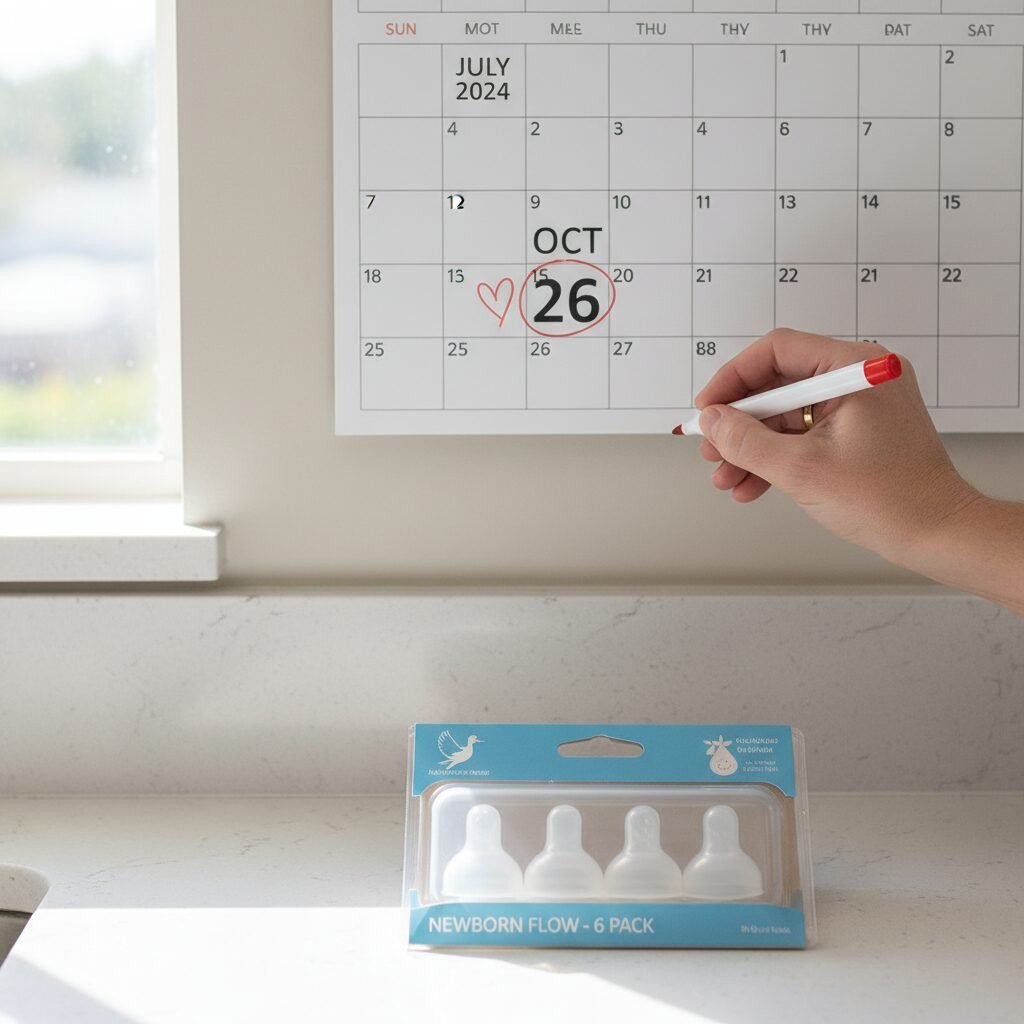
Okay, so visual checks are great, but as a tired new parent, you probably want a more concrete schedule to follow. While every bottle and baby is different, there are some generally accepted guidelines in the pediatric world that can help take the guesswork out of it. Think of these as your ‘best practice’ timelines for ensuring optimal safety.
For Baby Bottle Nipples
This is the component you will replace most often. Because they are subject to intense sucking pressure and direct contact with your baby’s mouth, they wear out fast.
General Rule: Replace nipples every 2 to 3 months.
Replace Immediately If: You see any of the signs of wear from our checklist above, or if your baby is moving up to a faster flow rate. Don’t wait for the 2-month mark if you see a tear!
For Baby Bottles
The bottle itself lasts longer, but not forever, especially if it’s your go-to bottle used multiple times a day.
General Rule for Plastic Bottles: Replace every 4 to 6 months.
General Rule for Silicone Bottles: Replace every 6 months or if they become sticky or discolored.
General Rule for Glass/Stainless Steel Bottles: These can last for a year or more, but you must still perform regular visual inspections for damage. Remember, you will still be replacing their plastic and silicone parts (nipples, collars) on the regular schedule.
My Favorite Nurse’s Tip: When you buy a new set of bottles or nipples, take a permanent marker and write the date you started using them on the bottom. It seems so simple, but in the fog of new parenthood, it’s a lifesaver. You’ll never have to guess how old a bottle is again!
Here is a simple schedule to help you keep track:
| Item | Recommended Replacement Frequency | Key Reasons for Replacement |
|---|---|---|
| Bottle Nipples | Every 2-3 Months | Choking hazard from tears, bacterial growth, flow rate changes |
| Plastic Bottles | Every 4-6 Months | Micro-scratches harboring bacteria, potential chemical leaching |
| Silicone Bottles | Every 6 Months | Material becoming sticky, cloudy, or absorbing odors |
| Glass/Steel Bottles | 12+ Months (with inspection) | Bottle is durable, but check for chips/dents. Parts need regular replacement. |
The Hidden Dangers: What Are the Real Risks of an Old Bottle?
Understanding the ‘why’ behind these rules can make them easier to follow. The risks of using a degraded bottle aren’t just theoretical; they can have real-world consequences for your baby’s health and safety. Let’s break down exactly what we’re trying to prevent.
1. Bacterial Contamination
This is the most common and immediate risk. Those invisible micro-scratches inside an old plastic bottle are like cozy little apartments for bacteria. Germs like Cronobacter, which can be very serious for newborns, can get trapped in these scratches and survive even a good washing. This can lead to everything from a mild upset tummy and diarrhea to more serious gastrointestinal infections.
2. Choking Hazards
This is the scariest risk. A worn-out nipple can easily tear while your baby is feeding. If a small piece of the silicone or latex breaks off, it can become a serious choking hazard. This is why the nipple inspection is the single most important check you can do.
3. Feeding and Nipple Confusion Issues
The flow rate of a nipple is carefully designed for your baby’s age. As a nipple gets old, the hole can stretch out, causing the milk to flow too quickly. This can make your baby gag, sputter, and swallow a lot of air, leading to gas and discomfort. For breastfed babies, a flow that is too fast can sometimes lead to ‘flow preference,’ where they get frustrated with the slower, more natural pace of nursing.
4. Chemical Leaching
While we’ve moved past the era of BPA, it’s important to be mindful of plastics in general. All plastics are made of chemicals. When the plastic is stable and new, it’s perfectly safe. But when it’s subjected to repeated high heat and scrubbing, it begins to break down. There is ongoing research into whether other compounds, known as microplastics or plasticizers, can leach from degraded plastics. While we don’t need to be alarmist, choosing to replace bottles showing signs of wear is a simple, proactive way to minimize any potential exposure for your baby.
Reassurance from a Nurse: Reading about these risks can feel overwhelming. Please hear me when I say this: the goal is not perfection, it’s awareness. By simply inspecting your bottles and replacing them when needed, you are doing an amazing job of eliminating these risks and protecting your child.
Conclusion
Navigating the world of baby gear can feel like a full-time job, but ensuring your baby’s bottles are safe doesn’t have to be complicated. Now you’re equipped with the knowledge to be your family’s bottle safety expert. You know that ‘expiration’ is all about wear and tear, not a date on a calendar. You have a mental checklist to run through every time you’re at the sink, and a clear schedule for when to buy replacements.
Remember the three golden rules:
- Inspect Regularly: Make it a habit to check for scratches, cloudiness, and stickiness.
- Replace Nipples Often: These are the first line of defense and wear out the fastest. Every 2-3 months is a great rule of thumb.
- When in Doubt, Throw It Out: Your peace of mind and your baby’s health are always worth the cost of a new bottle.
You are doing an incredible job, and your attention to these small details is a huge part of what makes you such a wonderful parent. By keeping your baby’s bottles fresh and safe, you’re ensuring that every feeding is a moment of pure, healthy, and worry-free connection. Keep trusting your instincts—you’ve got this.