Why You Need A Wipeable Changing Pad (Say Goodbye To Laundry)
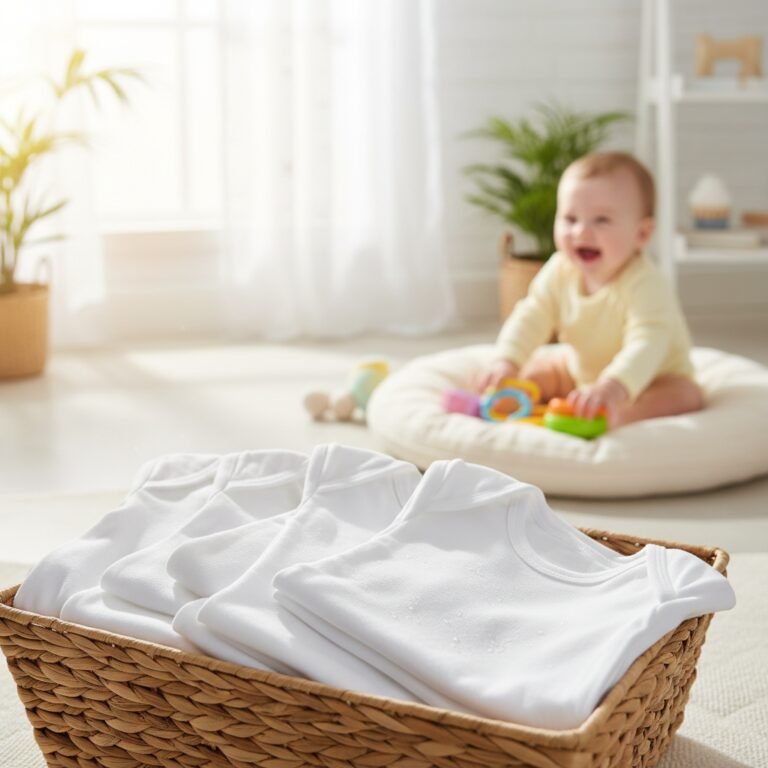
Welcome to parenthood! It’s a world filled with unbelievable joy, tiny socks that defy all laws of physics by getting lost, and a mountain of laundry so high it could be mistaken for a new geographical feature in your home. Seriously, how can someone so small create so much washing? Between the spit-up, the onesie blowouts, and everything in between, your washing machine is likely getting more of a workout than you are.
Now, let’s talk about one of the biggest, most consistent contributors to that laundry pile: the changing pad cover. You know the one. That soft, cute, fabric cover that looks so perfect in your beautifully curated nursery. The one that inevitably gets hit by a pee-fountain or a smear of poop during a 3 a.m. diaper change. Suddenly, you’re fumbling in the dark to rip it off, find a clean one, and toss the soiled one into the overflowing hamper, only to repeat the process a day (or, let’s be real, a few hours) later.
What if I told you there’s a way to eliminate this specific, frustrating task from your life forever? As a pediatric nurse and lactation consultant who has seen it all, I’m here to let you in on one of the best-kept secrets for new parents. It’s time to meet your new best friend: the wipeable changing pad. Let’s dive into why this simple swap is one of the smartest decisions you can make for your sanity and your nursery.
The Never-Ending Laundry Cycle: The Reality of Fabric Changing Pads
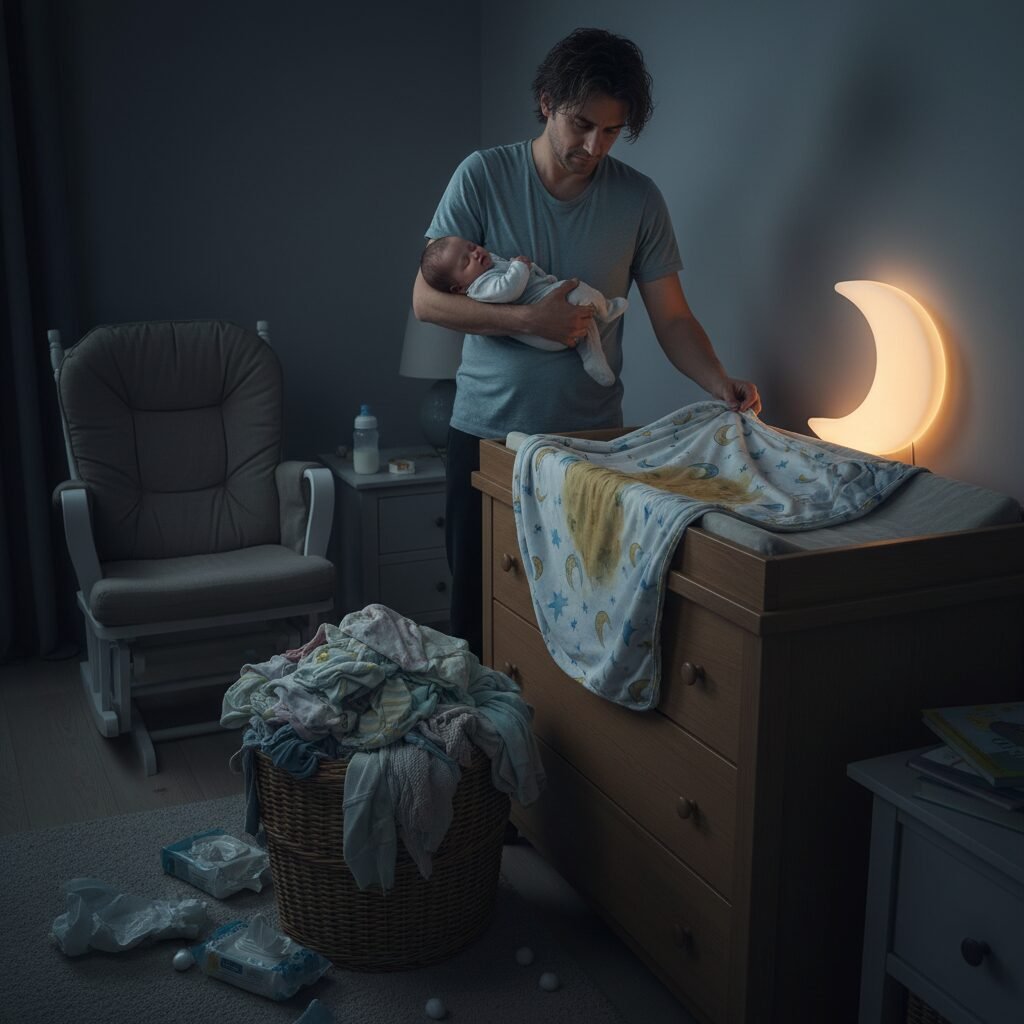
Let’s paint a picture that might feel all too familiar. It’s the middle of the night. Your baby is fussy, you’re half-asleep, and it’s time for a diaper change. You lay them down on the cozy, fabric-covered changing pad. You’re almost done—just taping up the new diaper—when it happens. The dreaded blowout that escapes the confines of the diaper, or the surprise pee stream that arcs gracefully through the air. Mission failed.
Now, a simple diaper change has become a multi-step operation. You have to:
- Calm your (now probably cold and wet) baby.
- Carefully lift them off the soiled cover without spreading the mess further.
- Find a safe place to put your baby down while you deal with the changing pad.
- Strip off the dirty, wet cover.
- Scour the closet for a clean backup cover (and pray you actually have one that’s not already in the laundry basket).
- Wrestle the new cover onto the pad, making sure it’s smooth and secure.
- Finally, finish the diaper change.
This isn’t just a hassle; it’s a drain on your already limited time and energy. Parents who use traditional fabric covers often find themselves needing to own at least three or four of them just to keep up. That means more cost upfront and, more importantly, a constant, rotating supply of laundry that specifically needs to be washed, dried, and folded. The stains can be stubborn, and even with the best detergents, faint odors can linger. It’s a frustrating, repetitive cycle that adds unnecessary stress to your day.
Enter the Wipeable Wonder: Your New Best Friend in the Nursery
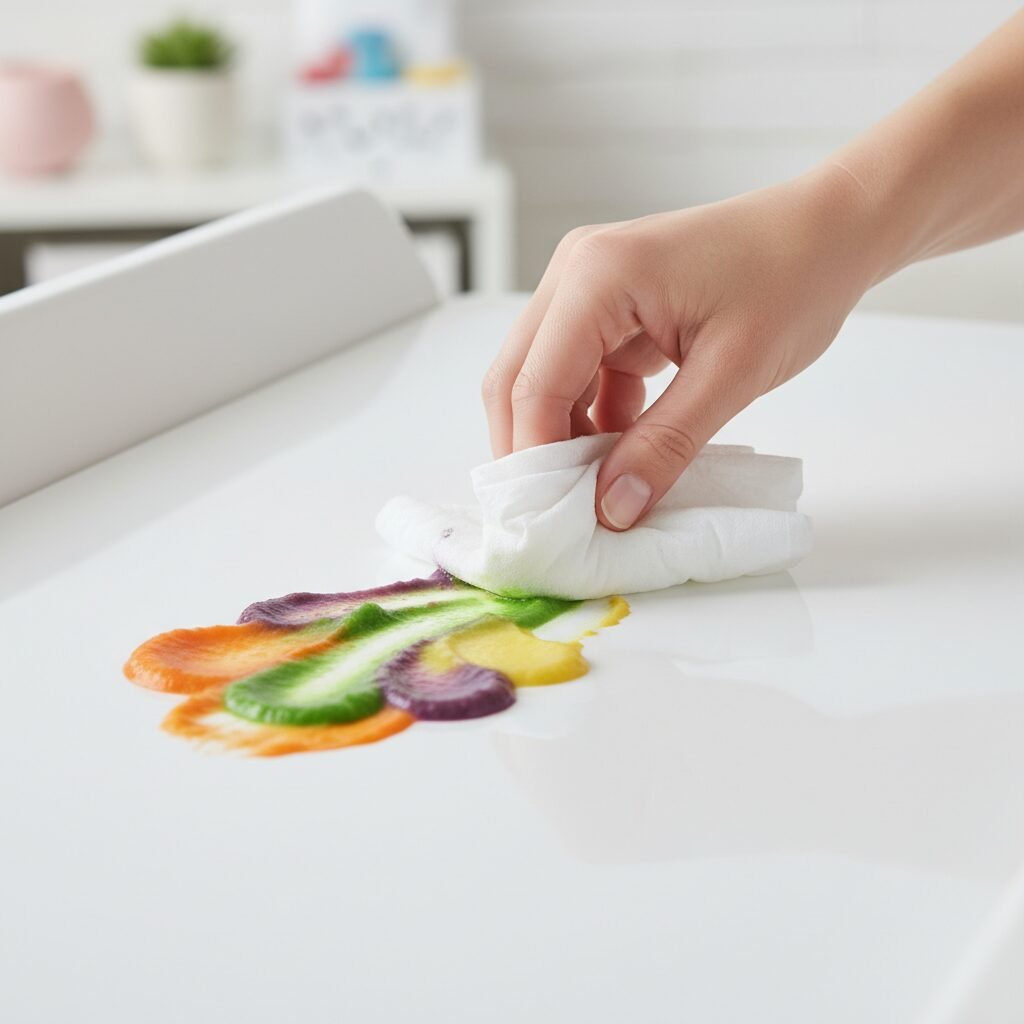
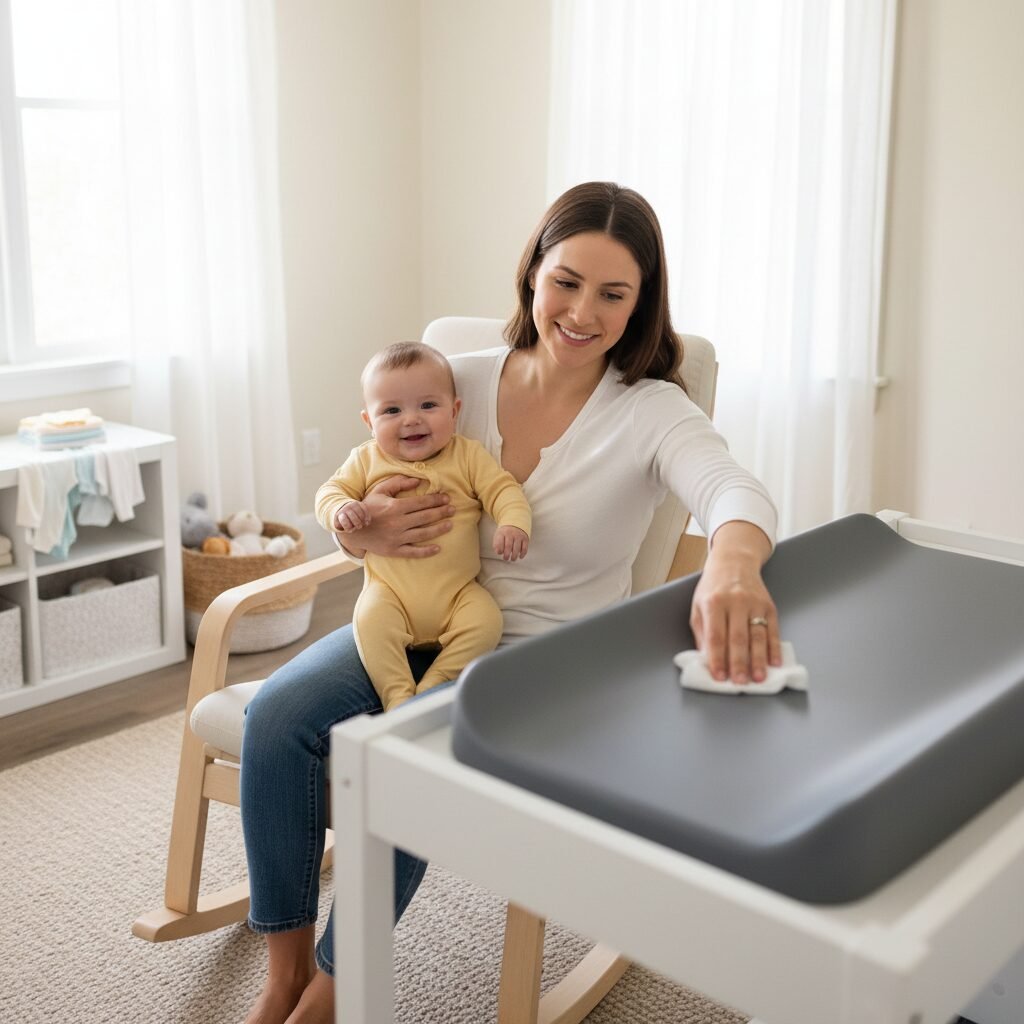
Now, imagine that same 3 a.m. scenario with a wipeable changing pad. The blowout happens. But this time, you don’t even flinch. You simply finish the diaper change, move your baby to their safe crib, and then take 30 seconds to grab a baby-safe wipe or a cloth with a gentle cleaning spray, and wipe the surface clean. That’s it. You’re done. No drama, no extra laundry, no middle-of-the-night search for a clean cover.
This incredible convenience is the number one reason parents fall in love with wipeable pads, but the benefits don’t stop there:
- Unbeatable Hygiene: Fabric covers are porous. They absorb urine and feces, allowing bacteria to seep in and potentially linger even after washing. A wipeable pad is made from a non-porous, waterproof material. Messes sit on the surface, making it easy to wipe away and properly sanitize, ensuring a truly clean space for every diaper change.
- Cost-Effective in the Long Run: While a high-quality wipeable pad might have a higher initial price tag than a single fabric cover, it’s a one-and-done purchase. A standard pad plus 3-4 covers can easily cost the same, if not more. With a wipeable pad, you save money on buying backups and on the water, electricity, and detergent needed for constant washing.
- Durability and Longevity: These pads are built to withstand years of daily use. The sturdy materials resist cracking and peeling, and since you’re not running them through a washing machine and dryer every other day, they don’t suffer from the wear and tear of fabric covers. One pad can easily last you through multiple children.
- Less Clutter: Say goodbye to drawers stuffed with changing pad covers! A single, sleek pad simplifies your nursery setup and frees up valuable storage space for other essentials.
Switching to a wipeable pad isn’t just about avoiding laundry; it’s about reclaiming your time, reducing your stress, and creating a more hygienic environment for your baby. It’s a simple change that delivers a massive quality-of-life improvement.
Safety First! Choosing a Secure and Non-Toxic Wipeable Pad
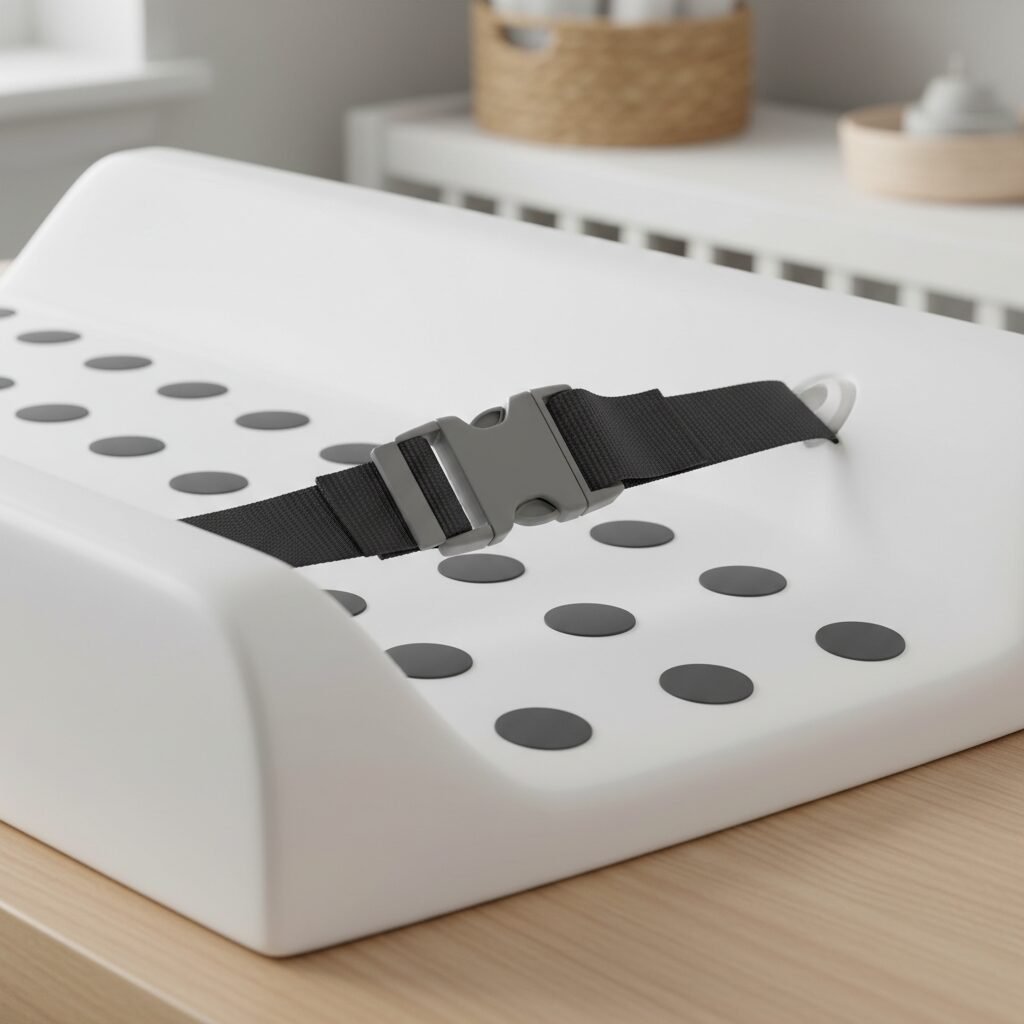
As a pediatric nurse, my top priority is always your baby’s safety. While the convenience of a wipeable pad is fantastic, it means nothing if the product isn’t safe. Thankfully, the best brands have put a tremendous amount of thought into safety and design. Here’s what you absolutely must look for when choosing a wipeable changing pad:
High, Contoured Sides
Look for a pad with high, curved sides. This cocoon-like design provides a gentle barrier that helps keep your baby centered on the pad and discourages rolling, especially as they get bigger and wiggler. It’s a simple but effective feature that adds a crucial layer of security.
Safety Straps and Anchors
A good changing pad should come with two sets of safety straps. The first is a gentle, adjustable belt that goes over your baby’s tummy to keep them secure. The second, and arguably more important, is a set of straps or screws on the bottom of the pad that allows you to anchor it directly to the changing table or dresser. This prevents the entire pad from shifting or sliding during a diaper change.
A Critical Safety Reminder: No matter how secure your changing pad is, you must never leave your baby unattended on a changing table, not even for a split second. Always keep one hand on your baby if you need to turn away to grab something.
A Non-Slip Base
In addition to anchoring straps, check for a non-slip material on the bottom of the pad. This adds another layer of friction to keep it firmly in place on your furniture, minimizing any potential for movement.
Certified Non-Toxic Materials
Your baby’s delicate skin will be in direct contact with this surface multiple times a day, so the material it’s made from is incredibly important. Look for pads that are explicitly labeled as:
- BPA-free
- PVC-free
- Phthalate-free
- Lead-free
- Formaldehyde-free
Even better, look for products with a GREENGUARD Gold Certification. This is a rigorous third-party certification that tests for over 10,000 chemical emissions, ensuring the product contributes to cleaner, healthier indoor air for your baby.
Wipeable vs. Fabric: A Clear-Cut Comparison
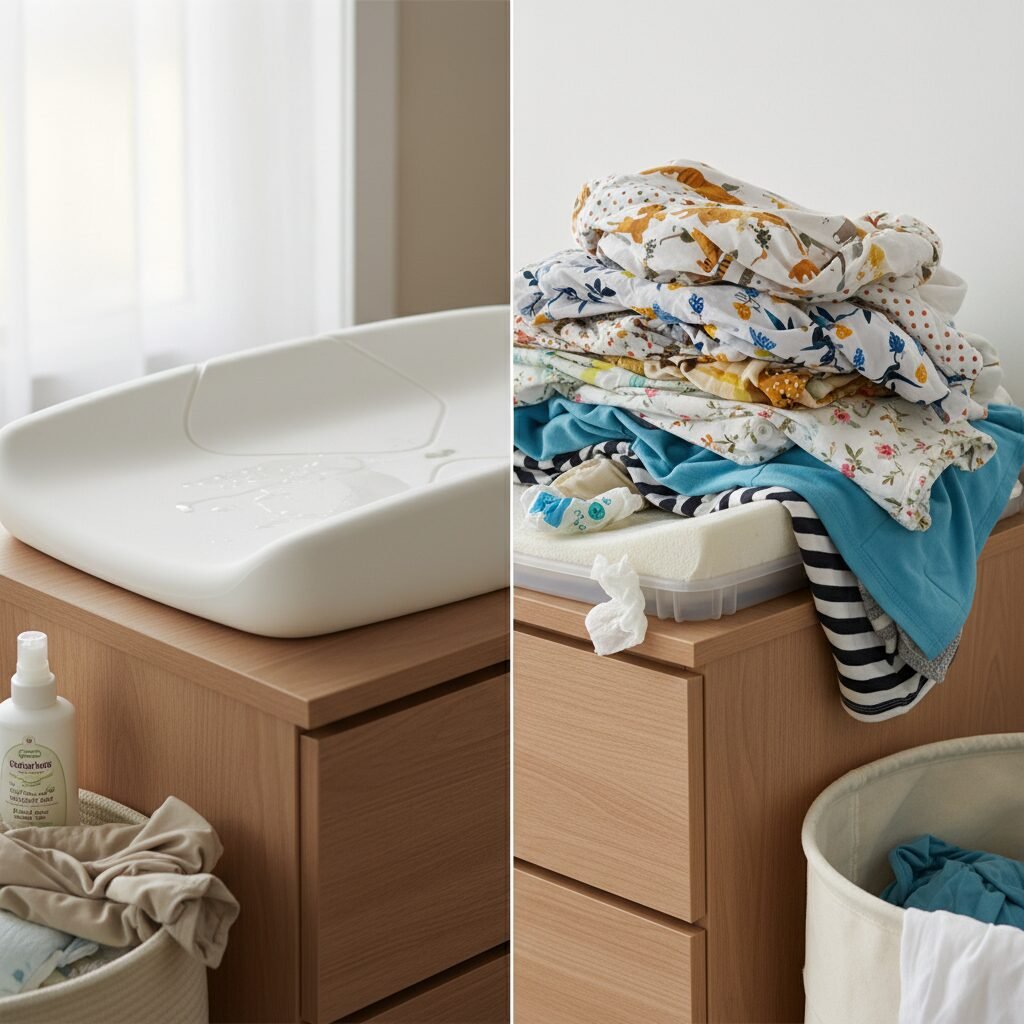
Still on the fence? Sometimes seeing a direct comparison can make the decision crystal clear. Both types of changing pads have their place, but for the modern, busy parent, the advantages of a wipeable pad often speak for themselves. Let’s break it down feature by feature.
| Feature | Wipeable Changing Pad | Traditional Pad with Fabric Cover |
|---|---|---|
| Cleanup | Instant. Wipe clean with a baby wipe or disinfectant spray. Takes less than 30 seconds. | Multi-step process. Remove cover, find a new one, put the dirty one in the laundry. Takes several minutes plus washing time. |
| Hygiene | Excellent. Non-porous surface prevents absorption of germs and bacteria. Easy to sanitize. | Fair. Fabric is porous and can harbor bacteria and odors even after washing. Requires hot water and thorough drying. |
| Long-Term Cost | Higher initial cost for the pad itself, but no need to buy multiple covers. Saves money on laundry expenses. | Lower initial cost for the pad, but requires purchasing 3-5 covers. Ongoing costs for water, electricity, and detergent. |
| Convenience | Maximum convenience. Always ready to use, no matter how many accidents happen in a day. | Low convenience. A single accident can put it out of commission until a clean cover is found and fitted. |
| Comfort Concern | The surface can feel cool to the touch. This is easily solved by laying a thin blanket down first. | Fabric is generally perceived as soft and warm from the start. |
The one area where fabric covers seem to have an edge is that initial ‘cozy’ factor. The plastic-like surface of a wipeable pad can feel cool against a baby’s skin. However, this is an incredibly easy problem to solve! Keep a stack of thin, flat muslin receiving blankets nearby. Before a change, just lay one down on the pad. It provides a soft, warm layer for your baby, and if it gets soiled, you’re only adding a tiny, easy-to-wash blanket to the laundry—not a bulky, fitted cover.
Tips, Tricks, and Cleaning Hacks for Your Wipeable Pad
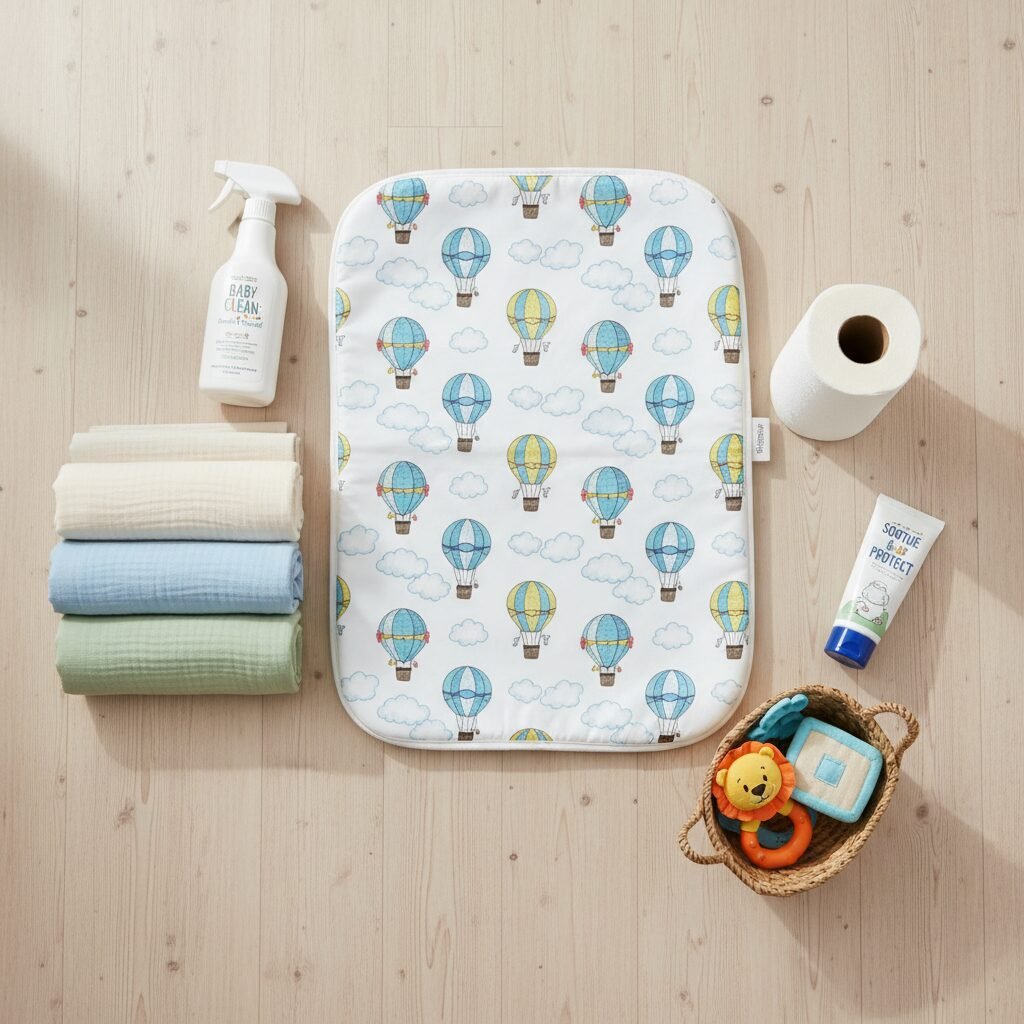
You’ve made the leap and brought home a beautiful new wipeable changing pad. Congratulations on your excellent decision! To help you get the most out of it and keep it in pristine condition, here are a few pro tips from my years of experience.
Your Daily Cleaning Kit
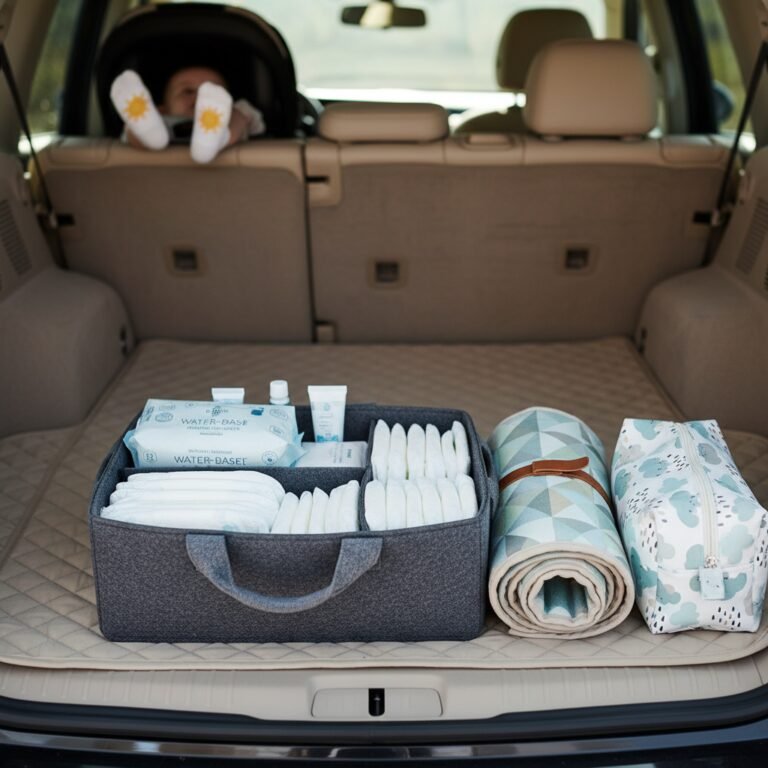
Keep a small caddy next to your changing station with your cleaning essentials. You don’t need harsh chemicals. A simple solution of water with a tiny bit of gentle, baby-safe soap in a spray bottle works wonders for daily wipe-downs. You can also use your regular water-based baby wipes for small messes. For a disinfecting step, look for a non-toxic, baby-safe cleaning spray that is free of bleach and harsh fumes.
Tackling Big Messes and Stains
For a major blowout, use a dry paper towel to remove the bulk of the mess first before going in with your cleaning spray. This prevents smearing. While most high-quality pads are stain-resistant, some baby poop (especially from breastfed babies) can have impressive staining power. If you notice a faint discoloration, a paste of baking soda and water left on the spot for 15-20 minutes before wiping away can often lift it right out.
Solving the ‘Cold Pad’ Concern
As we mentioned, the ‘cold bum’ issue is real but easily solved. The muslin or receiving blanket trick is my go-to recommendation. It’s the perfect compromise. You get the warmth and softness of fabric with the superior hygiene and convenience of a wipeable surface. Plus, you can change out the blanket’s color or pattern for a fresh look whenever you want!
More Than Just a Changing Pad
Don’t forget that this waterproof, contained surface is useful for more than just diapers! It’s the perfect spot for:
- Baby Massage: Use your favorite baby oil without worrying about staining fabrics or furniture. Cleanup is a breeze.
- Naked Tummy Time: Give your little one some diaper-free time to kick their legs and strengthen their neck muscles. You can do this right after a diaper change without fear of accidents on your carpet or bed.
- Applying Lotions or Creams: It provides a clean and contained area for applying diaper rash cream or post-bath lotion.
Conclusion
My dear new parents, your time and energy are precious commodities. In these early months (and years!), anything that can give you back a few moments in your day and reduce your mental load is worth its weight in gold. The constant cycle of washing, drying, and folding changing pad covers is a task you simply don’t have to do.
A wipeable changing pad is more than just a piece of baby gear; it’s a sanity-saver. It’s a commitment to a more hygienic changing space, a smarter long-term investment, and most importantly, a vote for less time doing chores and more time snuggling, playing, and soaking in every incredible moment with your new baby. So go ahead, say goodbye to that specific pile of laundry. You’ve earned it.