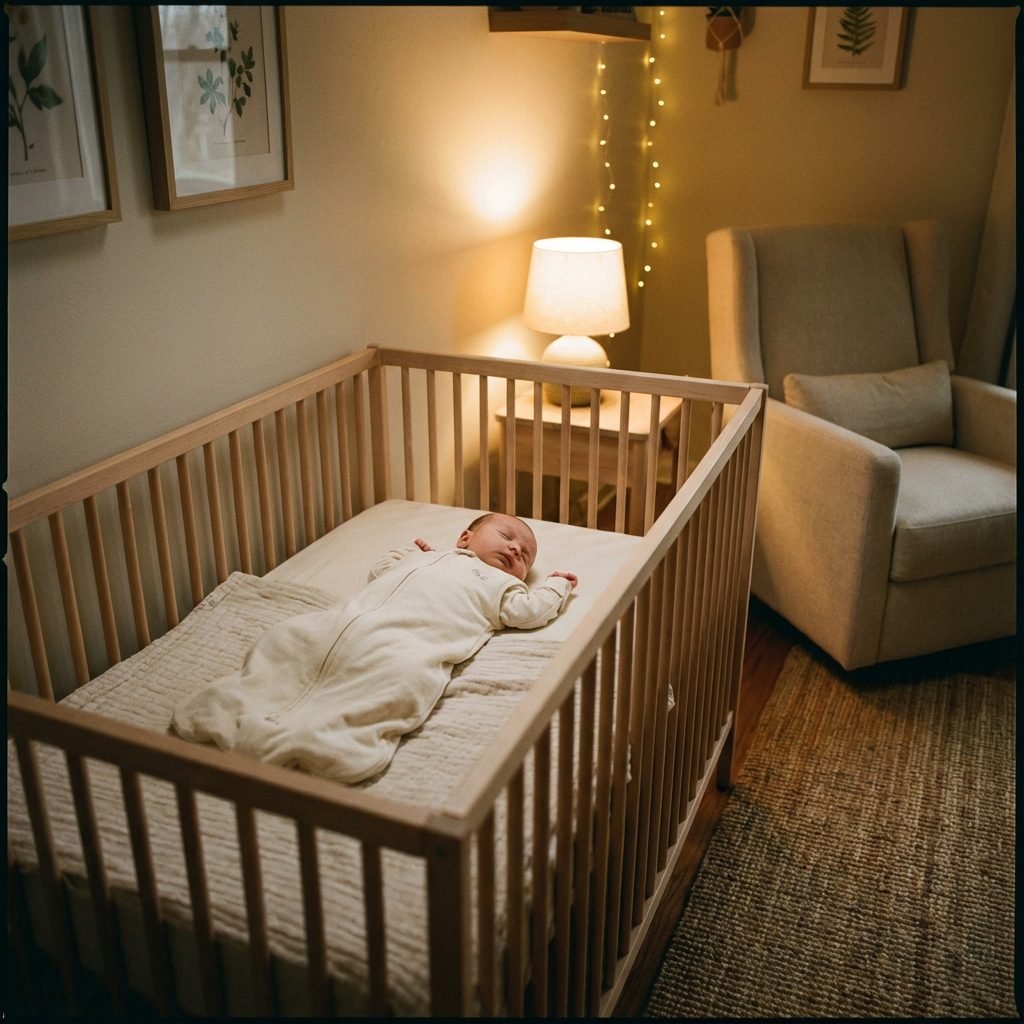
Freezing Nights? How To Keep Baby Warm Without Unsafe Blankets
Hey there, amazing new parents. I see you. It’s 3 AM, the house is quiet, the temperature has dropped, and a single thought is running through your mind: Is my baby warm enough? That powerful instinct to keep your precious little one snug and protected is one of the most natural parts of parenting. You might be tempted to tuck them in with a soft, fluffy blanket, just like you’d use. But as a pediatric nurse, I need you to pause right there.
When it comes to baby sleep, the rules are different, and for a very good reason: safety. The American Academy of Pediatrics (AAP) has been crystal clear for years that loose blankets, pillows, and other soft bedding have no place in a baby’s crib due to the risk of Sudden Infant Death Syndrome (SIDS), suffocation, and strangulation. This can feel scary and counterintuitive, leaving parents wondering how they’re supposed to navigate those freezing nights.
Don’t worry, I’ve got you. Keeping your baby warm without blankets isn’t just possible; it’s easy once you know the secrets. In this guide, we’ll walk through everything you need to know, from setting the perfect room temperature to mastering the art of layering and choosing the best wearable blankets. Let’s get you and your baby set up for a season of safe, cozy, and restful nights.
Understanding Safe Sleep: Why Blankets are a No-Go
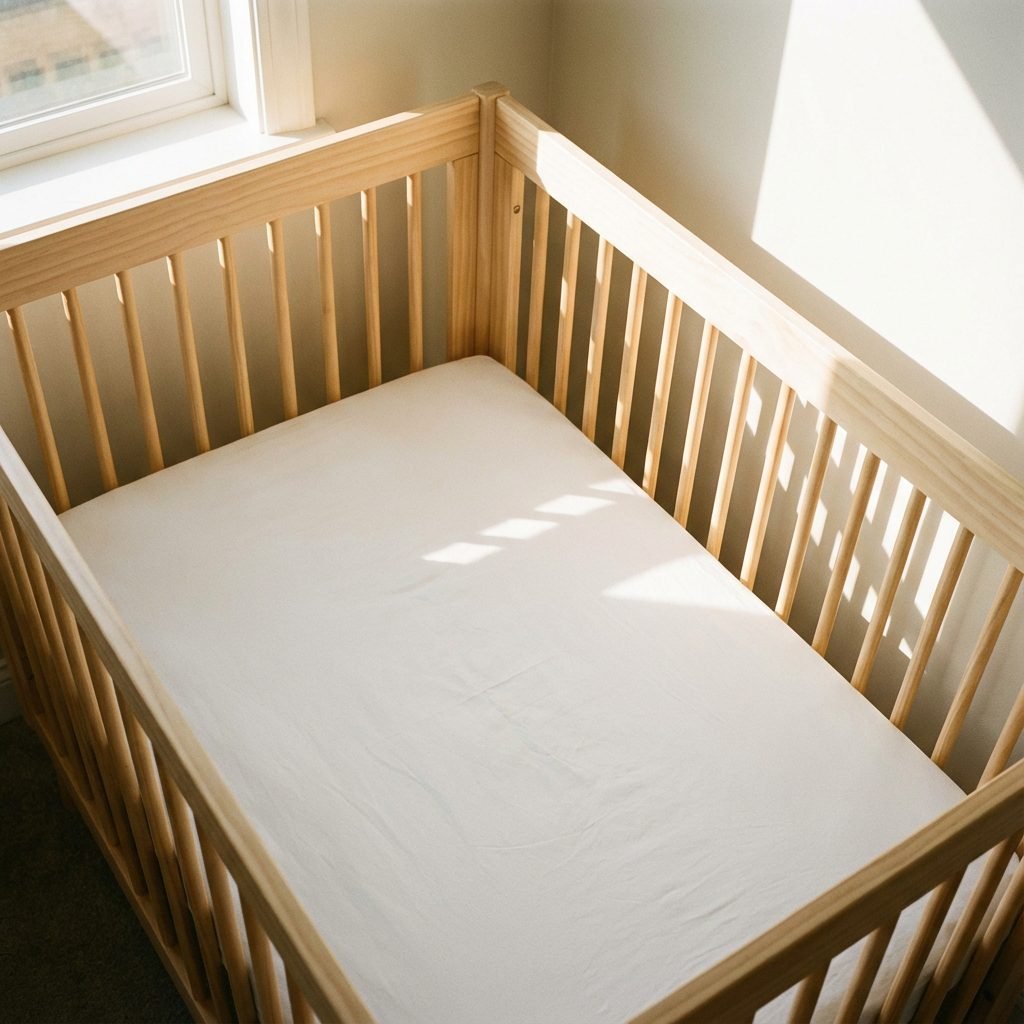
Before we dive into the cozy solutions, it’s crucial to understand why the ‘no blankets’ rule is non-negotiable. It’s not about being overly cautious; it’s about evidence-based practices that save lives. The AAP’s safe sleep guidelines are designed to create the safest possible environment for your baby, and a bare crib is the gold standard.
The ABCs of Safe Sleep
First, let’s quickly recap the foundation of infant sleep safety: The ABCs.
- A is for Alone: Your baby should sleep alone in their own designated sleep space, like a crib, bassinet, or play yard. No bed-sharing.
- B is for Back: Always, always place your baby on their back to sleep for every single sleep, naps included.
- C is for Crib: The sleep surface should be firm and flat, in a crib or bassinet that meets modern safety standards. There should be nothing in the crib except for a tightly fitted sheet.
This ‘C’ for Crib is where the blanket rule comes in. A bare crib means no pillows, no bumpers, no stuffed animals, and yes, no loose blankets or top sheets.
The Dangers Hiding in Soft Bedding
So, what exactly are the risks? It comes down to a few key dangers:
- Suffocation: A baby doesn’t have the motor skills or strength to move a blanket off their face. If they wriggle and the blanket covers their nose and mouth, they can suffocate because they are rebreathing their own exhaled carbon dioxide.
- Strangulation: Babies can become entangled in loose bedding, which can pose a strangulation risk.
- Overheating: A heavy blanket can easily cause a baby’s temperature to rise to an unsafe level. Overheating is a significant risk factor for SIDS.
The Golden Rule: The American Academy of Pediatrics advises, “Keep soft objects, loose bedding, or any objects that could increase the risk of entrapment, suffocation, or strangulation out of the baby’s sleep area.”
Hearing this can be unsettling, but knowledge is power. By understanding these risks, you’re already taking the most important step in protecting your baby. Now, let’s move on to the safe and effective ways to keep them perfectly comfortable.
Setting the Scene: The Ideal Nursery Temperature and Environment
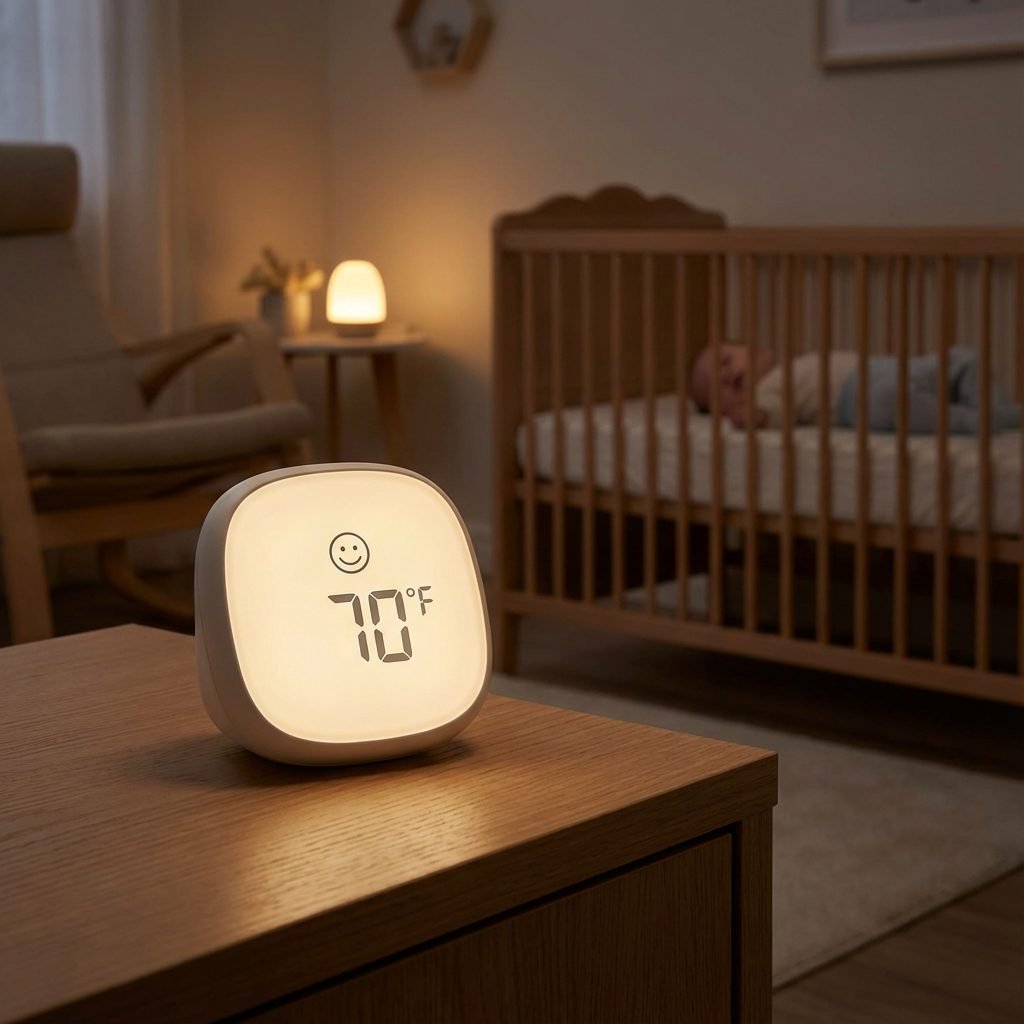
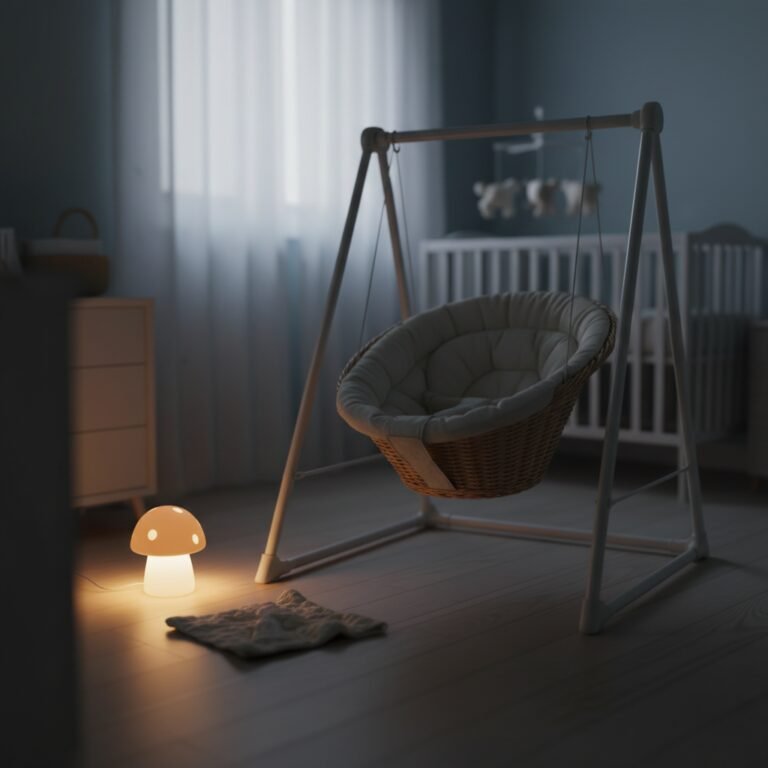
Creating a safe sleep space starts with the room itself. You don’t need to turn your nursery into a tropical paradise to keep your baby warm. In fact, a cooler room is actually safer.
Finding the Goldilocks Zone
The ideal room temperature for a sleeping baby is between 68°F and 72°F (20°C to 22.2°C). This might feel a little cool to you, but it’s perfect for a baby. A room that’s too warm can increase the risk of SIDS. A good digital room thermometer can be a new parent’s best friend, taking the guesswork out of the equation.
The Neck Check: Your Built-In Thermometer
Babies’ hands and feet often feel cool to the touch because their circulatory systems are still developing. So, how can you tell if they’re comfortable? The best way is to feel the nape of their neck or their chest.
- If their neck feels warm and dry, they’re likely comfortable.
- If it’s sweaty or hot, they’re too warm. It’s time to remove a layer.
- If it feels cool, they might need an extra layer.
Signs of overheating include flushed cheeks, rapid breathing, and fussiness. Trust your instincts and perform a quick neck check before you go to bed.
Enhance Air Circulation
Consider using a fan in the nursery. Not only does it help circulate the air to maintain a consistent temperature, but studies have shown that it can also reduce the risk of SIDS by more than 70%. Just make sure the fan isn’t blowing directly on your baby.
Dressing for Dreamland: The Art of Layering and TOG Ratings
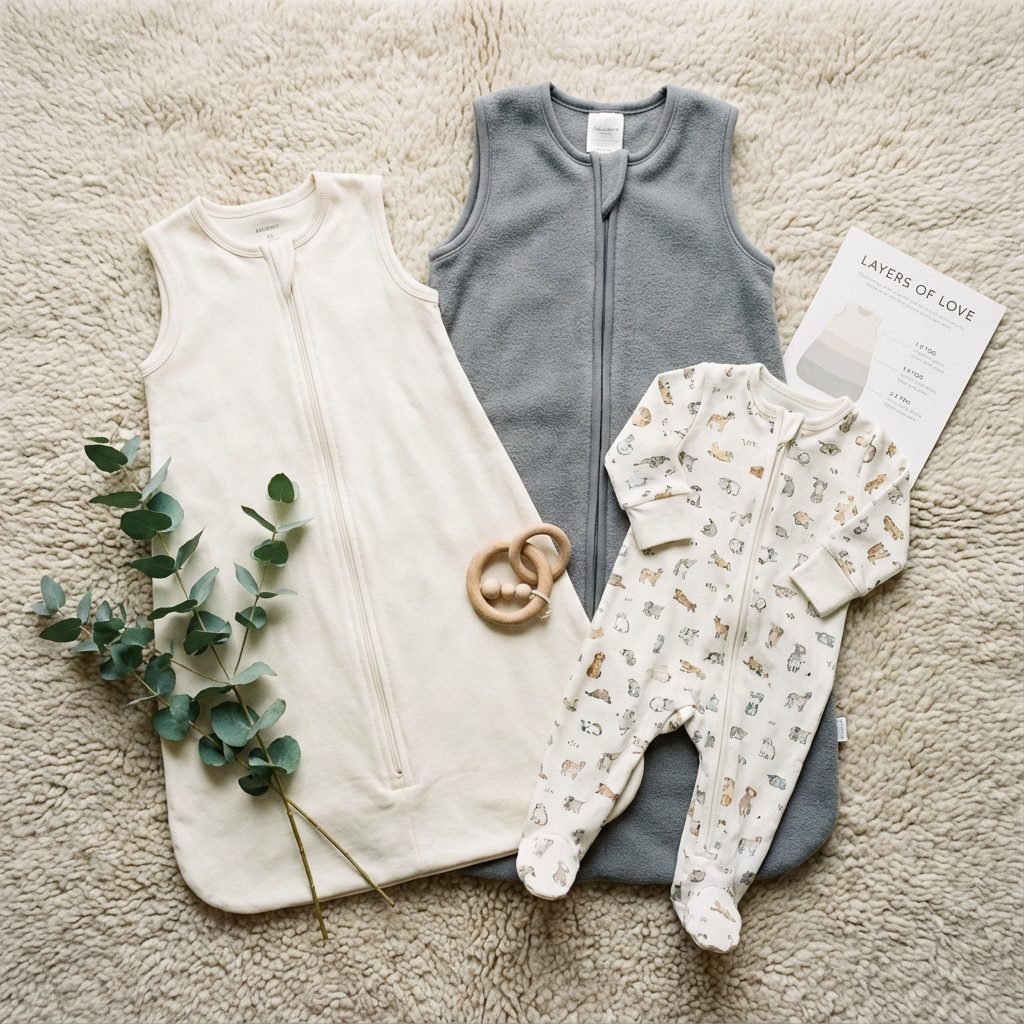
Now for the fun part: dressing your little one for bed! The key to warmth without blankets is smart layering. A good rule of thumb is to dress your baby in one more layer than you would need to be comfortable in the same room.
Decoding TOG Ratings
To make things even easier, the baby sleepwear industry created the TOG (Thermal Overall Grade) rating. It’s a standardized system that tells you how warm a garment is. The higher the TOG, the warmer the product. Using TOG ratings removes all the guesswork and helps you dress your baby perfectly for the room’s temperature.
Here’s a general guide to help you match TOG ratings with your nursery’s temperature:
| Room Temperature | Recommended TOG | Example Outfit |
|---|---|---|
| 75-81°F (24-27°C) | 0.5 TOG | A short-sleeved onesie underneath a lightweight cotton sleep sack. |
| 68-75°F (20-24°C) | 1.0 TOG | A long-sleeved onesie or footed pajamas under a cotton/muslin sleep sack. |
| 61-68°F (16-20°C) | 2.5 TOG | Long-sleeved footed pajamas under a padded or fleece sleep sack. |
| Below 61°F (16°C) | 3.5 TOG | Long-sleeved pajamas plus socks under a heavily padded winter-weight sleep sack. |
Remember, this is just a guide. Always use the ‘neck check’ to be sure your baby is comfortable and adjust as needed. Your baby is unique!
Meet Your New Best Friend: The Ultimate Guide to Sleep Sacks

If there’s one piece of baby gear I recommend to every new parent for peace of mind, it’s the sleep sack. Also known as a wearable blanket, a sleep sack is a safe, cozy garment that your baby wears over their pajamas. It zips up, keeping them warm without any risk of it covering their face.
Why Sleep Sacks are a Game-Changer
- Safety: They can’t be kicked off, meaning your baby stays consistently warm all night. And they can’t ride up to cover your baby’s face.
- Comfort: They provide a sense of security and coziness that can help babies sleep better.
- Ease of Use: Most sleep sacks feature a bottom-up or two-way zipper, making those middle-of-the-night diaper changes so much easier.
Choosing the Right Material
Sleep sacks come in various materials, each suited for different temperatures and preferences. Here’s a quick comparison:
| Material | Pros | Cons | Best For |
|---|---|---|---|
| Cotton/Muslin | Breathable, lightweight, soft, great for sensitive skin. | May not be warm enough for very cold nights (unless layered). | Year-round use, warmer climates, and babies with eczema. |
| Fleece | Very warm, cozy, and affordable. | Less breathable than natural fibers; can cause overheating if not used properly. | Cold winter nights and colder climates. |
| Merino Wool | Naturally temperature-regulating (keeps baby warm when it’s cold and cool when it’s hot), breathable, moisture-wicking. | Can be more expensive. | All seasons, and for parents who want a high-performance, natural fiber option. |
A Note on Swaddles
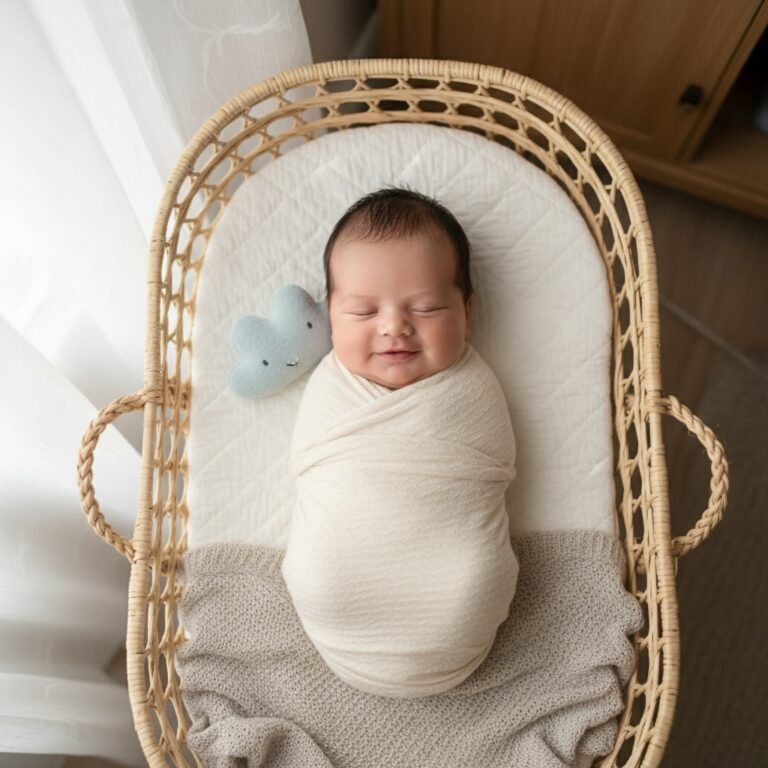
For newborns who still have a strong Moro (startle) reflex, a swaddle or a swaddle sack can be a lifesaver. These keep their arms snug, mimicking the womb. However, it’s absolutely critical that you stop swaddling as soon as your baby shows signs of trying to roll over (usually around 2-4 months). At that point, you must transition to a regular, arms-out sleep sack.
Peace of Mind Checklist: Final Safety Checks & FAQs
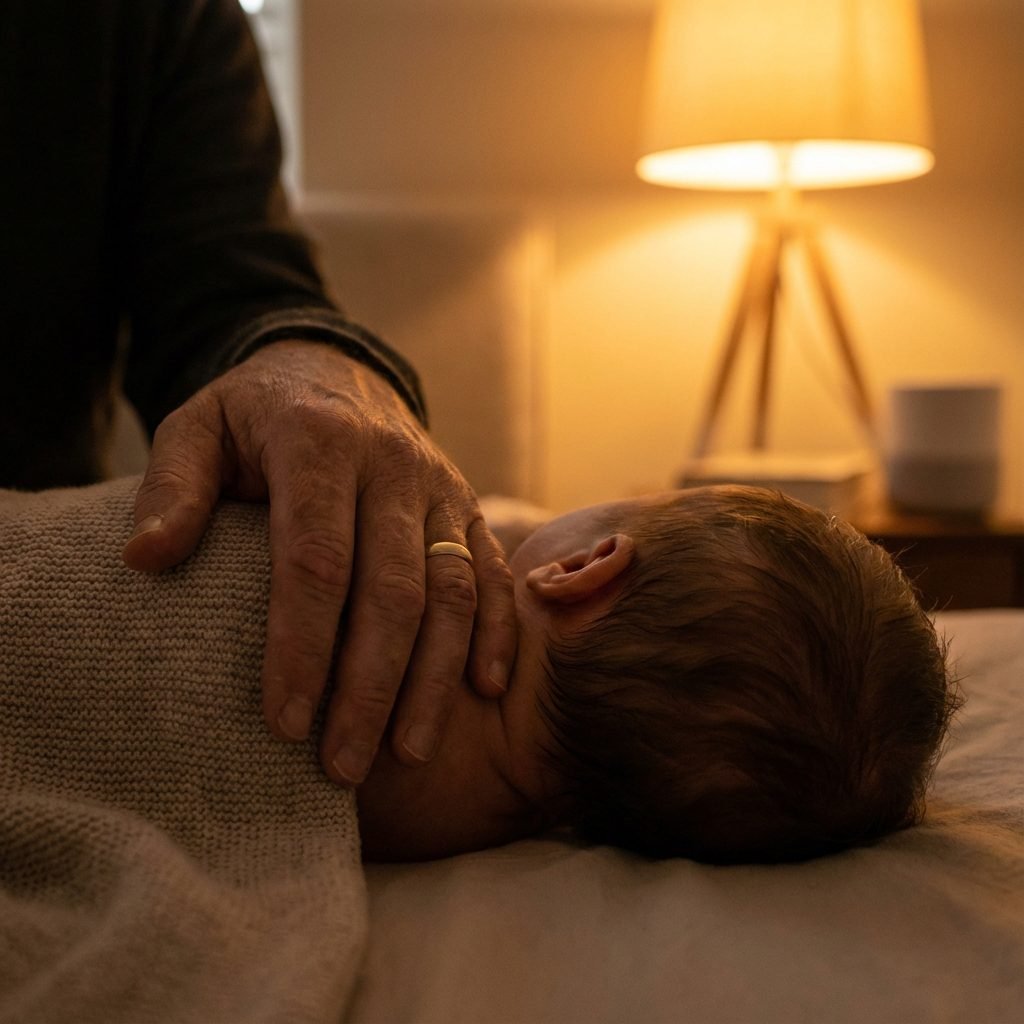
You’re now equipped with all the knowledge to keep your baby warm and safe. Before you turn off the lights, run through this quick mental checklist for total peace of mind.
Bedtime Safety Checklist
- Is the crib completely empty except for a fitted sheet?
- Is my baby dressed appropriately for the room temperature (using the TOG guide)?
- Is my baby placed on their back to sleep?
- Is the room temperature between 68-72°F?
- Have I done a quick ‘neck check’ to ensure they’re not too hot or too cold?
If you can answer ‘yes’ to all of these, you can rest easy!
Frequently Asked Questions
Let’s tackle some of the common questions I hear from parents:
What about hats and mittens?
Hats should never be worn for sleep indoors. Babies regulate their temperature through their heads, and covering their head can quickly lead to overheating. Mittens are generally fine if you’re worried about scratching, but they aren’t necessary for warmth, and some experts suggest that letting babies have their hands free is good for self-soothing.
Are fleece pajamas safe?
Yes, fleece pajamas are safe as long as you account for their warmth. A pair of fleece pajamas is a layer in itself. On a cool night, fleece pajamas alone might be enough. On a very cold night, you might put them under a lightweight (e.g., 1.0 TOG) sleep sack. Avoid putting fleece pajamas under a heavy fleece sleep sack, as that is a recipe for overheating.
My baby’s hands are like ice! Are they cold?
Probably not! As we mentioned, it’s normal for a baby’s hands and feet to feel cold because their circulatory system is still maturing. Don’t use their hands as a gauge for their overall body temperature. Always trust the neck/chest check instead.
Conclusion
Navigating the world of newborn care can feel like a minefield of rules and warnings, especially when it comes to sleep. But keeping your baby warm on a cold night doesn’t have to be a source of anxiety. By letting go of the outdated notion of blankets and embracing the simple, safe alternatives, you are giving your baby—and yourself—the gift of a better night’s sleep.
Remember the core principles: a cool but comfortable room, dressing in smart layers, and using a wonderful, safe sleep sack. You’ve got this. Trust your knowledge, trust your instincts (like that all-important neck check!), and enjoy the peace of mind that comes from knowing your little one is sleeping soundly, safely, and snugly.
Sweet dreams to you and your cozy little bundle.