
7 Genius Ways to Cut Your Baby Formula Costs in Half
Welcome to parenthood! It’s a world of incredible joy, tiny socks, and… surprisingly big expenses. If you find yourself staring at the baby formula aisle with wide eyes, wondering how one tiny human can require such a significant budget line item, please know you are in good company. The cost of formula can be a real source of stress for new families, but I’m here to tell you, as a pediatric nurse and lactation consultant, that you have options. Real, safe, and effective options.
Feeding your baby is your top priority, and financial worries shouldn’t overshadow this beautiful bonding time. The great news is that you don’t have to choose between your baby’s nutrition and your family’s budget. We’re going to walk through seven genius, completely safe ways to cut your formula costs significantly. Let’s get you and your little one started on a path to happy, healthy, and more affordable feeding!
Strategy 1: Befriend Your Pediatrician (Your Source for Samples & Wisdom)

Before you even think about coupons or brands, your first and most important stop should be your pediatrician’s office. Think of them as your trusted partner in all things baby, including navigating the world of formula. They aren’t just there for check-ups; they are a wealth of resources.
Why Your Pediatrician is Your Secret Weapon:
- Free Samples Galore: Formula companies constantly provide pediatric offices with sample-sized cans of formula. They want your doctor to recommend their brand, and you get to benefit! Never leave an appointment without politely asking, “Do you happen to have any formula samples we could take home?” These small cans are perfect for your diaper bag and can save you from buying a full-priced container for on-the-go needs. Over a year, this adds up to significant savings.
- Expert Brand Guidance: Is your baby gassy? Spitting up a lot? Your doctor can help you determine if a specialized (and often more expensive) formula is truly necessary or if a standard formula will do the job perfectly. They can guide you to the most appropriate and cost-effective option for your baby’s specific needs, preventing you from spending extra money on ‘sensitive’ or ‘gentle’ formulas if they aren’t medically required.
- Coupon Connections: Pediatricians often receive high-value coupons and checks from formula manufacturers. These are not your average Sunday paper coupons; we’re talking about $5 or $10 off a single can. Always ask the office staff or your doctor if they have any to share.
Starting this conversation builds a great relationship with your care provider and immediately puts free resources in your hands. Don’t be shy—they expect the question and are happy to help new parents save money.
Strategy 2: Embrace Store Brands (Generic is NOT Inferior)
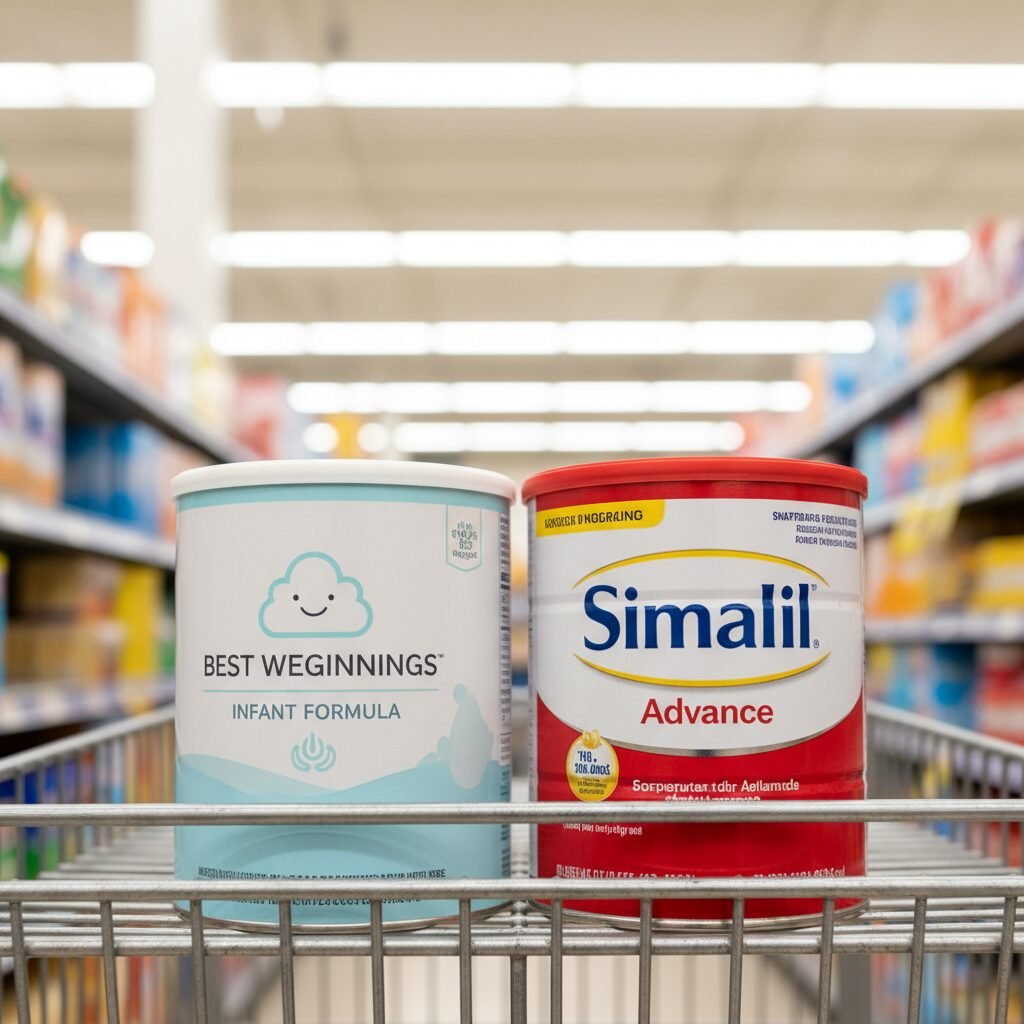
Let’s bust a huge myth right now: when it comes to baby formula, brand-name does not automatically mean better. In the United States, all infant formulas sold—whether it’s a big national brand or the store’s own label—must meet the strict nutritional and safety standards set by the Food and Drug Administration (FDA). This is mandated by the Infant Formula Act.
What does this mean for you? It means the generic formula from Target, Walmart, or Costco has the same essential vitamins, minerals, and nutrients as the pricier name brands they sit next to on the shelf. The primary difference is the price tag and the marketing budget behind it. Switching to a store brand is often the single biggest and easiest change you can make to slash your formula costs.
Comparing the Costs: A Quick Look
The savings can be dramatic, often 30-50% less per ounce. Let’s see what that looks like in a typical scenario:
| Feature | Major Name Brand (e.g., Enfamil, Similac) | Store Brand (e.g., Up & Up, Parent’s Choice) |
|---|---|---|
| Average Cost per Ounce | ~$1.00 – $1.75 | ~$0.60 – $0.90 |
| Estimated Monthly Cost (for a 4-month-old) | ~$200 – $300 | ~$120 – $160 |
| FDA Nutritional Standards | Meets all requirements | Meets all requirements |
| Key Ingredients (DHA, Iron, etc.) | Included | Included |
As you can see, the potential savings are over $100 per month, which is more than $1,200 a year! When making the switch, do it gradually. Mix the new formula with the old over a few days to allow your baby’s tummy to adjust without any surprises.
Strategy 3: Sign Up for Everything (Unleash the Power of Loyalty)
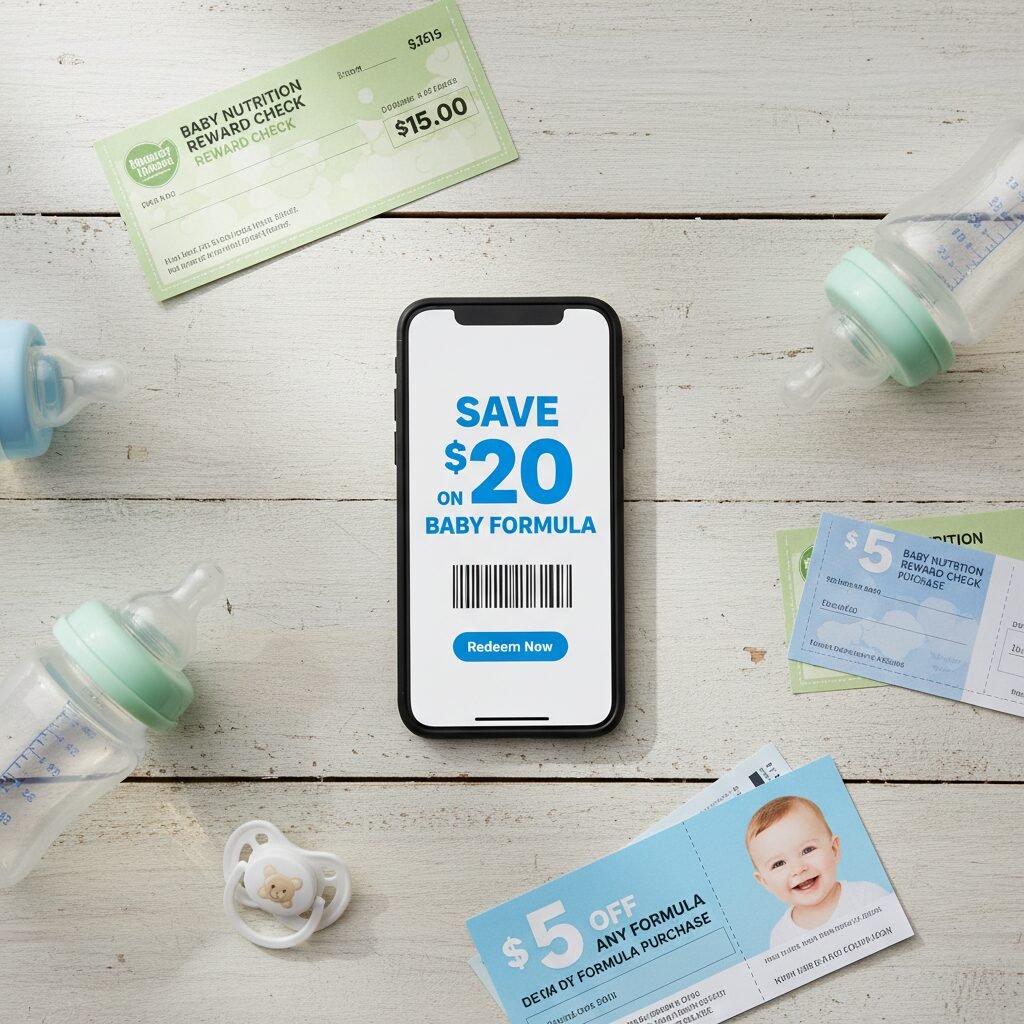
Formula companies want you as a loyal customer, and they are willing to spend money to get you. Your job is to take full advantage of their marketing budgets! Before your baby even arrives, or as soon as you know you’ll be formula feeding, head to the websites of the major formula manufacturers and sign up for their loyalty programs, welcome kits, and email lists.
Where to Sign Up:
- Similac® StrongMoms®: Often sends high-value checks that can be used like cash at most retailers, along with product samples.
- Enfamil® Family Beginnings®: Known for sending a fantastic welcome box with full-sized formula cans, coupons, and other baby-related goodies.
- Gerber® Baby: MyGerber Baby program provides coupons, expert advice, and special offers on their formula and food products.
Don’t stop there! Sign up for your favorite retailers’ baby clubs, like the Target Circle or Amazon Family. They often provide exclusive discounts, registry completion coupons that can be used on formula, and special baby-focused sale notifications. It might feel like a lot of emails, but creating a separate email address just for baby-related sign-ups can keep your main inbox clean. The 10 minutes it takes to sign up can result in hundreds of dollars in free products and savings over the first year.
Strategy 4: Buy in Bulk (But Do the Math First)

Once you’ve settled on a formula that works well for your baby, it’s time to think bigger. Buying in bulk from warehouse clubs like Costco or Sam’s Club, or using an online subscription service like Amazon’s Subscribe & Save, can offer a lower cost-per-ounce. However, ‘buying in bulk’ requires a bit of smart shopping.
The Rules of Bulk Buying:
- Calculate the Unit Price: Don’t assume the bigger container is always cheaper. Use your phone’s calculator to divide the total price by the number of ounces. Compare this ‘unit price’ to smaller containers or deals at other stores. Sometimes a grocery store sale combined with a coupon can beat the warehouse club price.
- Watch Expiration Dates: Formula has a long shelf life, but it doesn’t last forever. Before you buy a six-month supply, check the expiration date on the bottom of the cans to ensure you’ll use it all in time.
- Consider Storage Space: Those giant boxes of formula need a cool, dry place to live. Make sure you have adequate pantry space before you commit.
- Factor in Membership Fees: If you don’t already have a membership to a warehouse club, factor that annual fee into your potential savings to see if it’s truly worth it for you.
Amazon’s Subscribe & Save can be a fantastic option, offering up to a 15% discount for subscribing to regular deliveries. It brings the formula right to your door, saving you time and preventing those late-night panic runs to the store because you’re on your last scoop.
Strategy 5: Choose Powdered Formula (The Most Economical Form)
Baby formula generally comes in three forms: powdered, liquid concentrate, and ready-to-feed. While the convenience of ready-to-feed is tempting, especially in those exhausting early days, it comes at a premium price. If saving money is your goal, powdered formula is your absolute best friend.
The nutritional value is identical across all forms once prepared correctly. You are simply paying for the convenience of not having to add water and mix it yourself. For daily use at home, mixing a bottle from powder takes less than a minute and the savings are immense.
Cost Comparison by Formula Type:
| Formula Type | How it Works | Pros | Cons (Mainly Cost) |
|---|---|---|---|
| Powdered | Mix scoops of powder with water. | Most cost-effective by far; long shelf life. | Requires mixing; must use safe water source. |
| Liquid Concentrate | Mix concentrated liquid with an equal amount of water. | Easier to mix than powder; less messy. | More expensive than powder; shorter shelf life once opened. |
| Ready-to-Feed | No mixing required. Just open and serve. | Extremely convenient, especially for travel or night feeds. | The most expensive option, often 2-3 times the cost of powder. |
Save the ready-to-feed bottles for special circumstances, like travel days or for the diaper bag for emergencies. By making powdered formula your default choice for day-to-day feedings, you’ll see your monthly spending drop dramatically.
Strategy 6: Explore Assistance Programs (Help is Available)
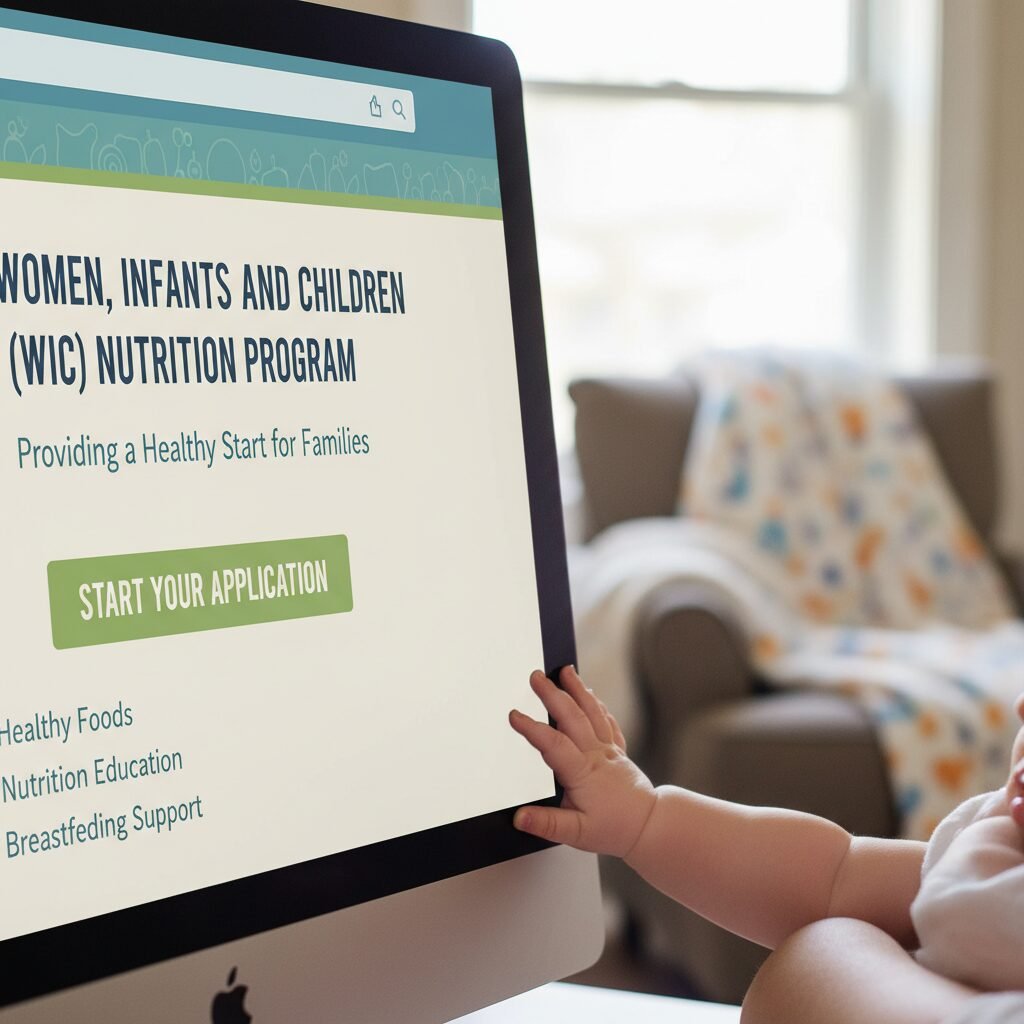
Sometimes, even with the best budgeting and couponing, the cost of formula can be overwhelming. Please know that there is no shame in seeking assistance. There are wonderful programs designed specifically to ensure that every baby gets the nutrition they need, regardless of their family’s financial situation.
Key Resources to Look Into:
- WIC (Special Supplemental Nutrition Program for Women, Infants, and Children): WIC is a federal program that provides nutritional support, including specific types and amounts of baby formula, to pregnant women, new mothers, and young children. Eligibility is based on income, and millions of families qualify. Check your state’s WIC program website to see if you are eligible and how to apply.
- SNAP (Supplemental Nutrition Assistance Program): Formerly known as food stamps, SNAP benefits can be used to purchase baby formula at most grocery stores.
- Local Food Banks: Many local food pantries and organizations like Feeding America often have supplies of baby formula. Don’t hesitate to call your local food bank or dial 2-1-1 on your phone to be connected with resources in your area.
These programs exist to help you. Taking advantage of them is a smart and responsible way to care for your family and your baby. You are being a great parent by ensuring your child’s needs are met, and these resources are a key part of the community safety net.
Strategy 7: Prioritize Safety (What NOT To Do)
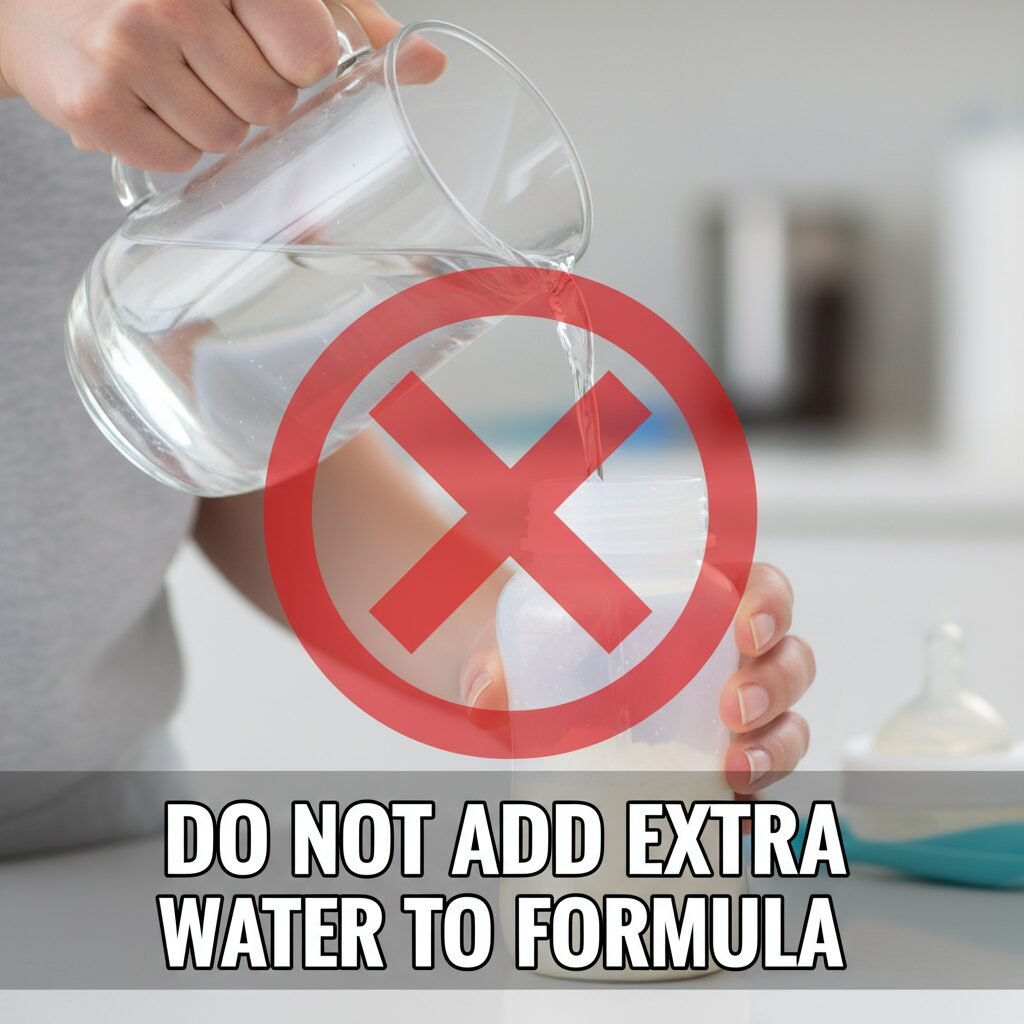
In the quest to save money, you might come across some dangerous advice online. As a pediatric nurse, I need to be crystal clear: your baby’s safety is non-negotiable. Never, ever compromise on the safety of your baby’s food to save a few dollars.
Safety Warning: Please avoid these dangerous and unsafe practices at all costs. They can lead to serious health problems, including malnutrition, water intoxication, and dangerous electrolyte imbalances for your baby.
Dangerous ‘Hacks’ to Avoid:
- NEVER Dilute Formula: Do not add extra water to a bottle to make the formula ‘stretch’. This waters down the critical nutrients your baby needs for growth and brain development and can be extremely dangerous. Always follow the manufacturer’s mixing instructions exactly.
- NEVER Make Homemade Formula: Recipes for homemade formula on the internet are not safe. They lack the specific, complex balance of protein, fat, vitamins, and minerals your baby requires. There is a high risk of contamination and nutritional deficiencies.
- NEVER Use Expired Formula: The expiration date is there for a reason. After that date, the nutritional value of the formula can decline, meaning your baby might not be getting all the vitamins they need.
- NEVER Buy from Unverified Sellers: Be cautious of purchasing formula from third-party sellers on auction sites or social media. You have no way of knowing if the product is expired, has been stored improperly, or has been tampered with. Stick to reputable retailers.
Saving money is important, but your baby’s health is priceless. Stick to the safe and proven methods we’ve discussed in this guide.
Conclusion
There you have it—seven powerful and perfectly safe strategies to help you manage the cost of baby formula. It’s all about working smarter, not harder. By talking with your pediatrician, embracing store brands, becoming a savvy shopper, and tapping into available resources, you can free up hundreds of dollars in your family budget each year.
Remember, feeding your baby with love and care is what matters most, and that has nothing to do with the brand name on the can or the price you paid for it. You are doing an amazing job. Be proud of the smart choices you’re making for your family’s well-being, and enjoy every precious moment with your little one.