The Only Cloth Diaper Wash Routine That Actually Works for Hard Water
Hello, wonderful parents! Let’s talk about something that can feel surprisingly frustrating: laundry. Specifically, cloth diaper laundry when you have hard water. You invested in beautiful, soft, eco-friendly cloth diapers, dreaming of fluffy clouds against your baby’s skin. But instead, you’re dealing with diapers that feel stiff, smell funky even when they’re ‘clean,’ and have started to leak. Sound familiar? Please know you are not alone, and you haven’t done anything wrong! The culprit is most likely your water.
As a pediatric nurse and lactation consultant, I’ve sat with so many new parents who feel defeated by their wash routine. Hard water—water with a high concentration of minerals like calcium and magnesium—is a notorious enemy of cloth diapers. It creates a stubborn film that locks in odors and destroys absorbency. But here’s the good news: you don’t have to give up on cloth. You just need a better battle plan. Forget the confusing advice you’ve seen online. We’re going to walk through the one, single routine that I have seen work time and time again. Let’s get those diapers back to being brilliantly clean and baby-ready!
First, Let’s Understand the Enemy: What is Hard Water Doing to Your Diapers?
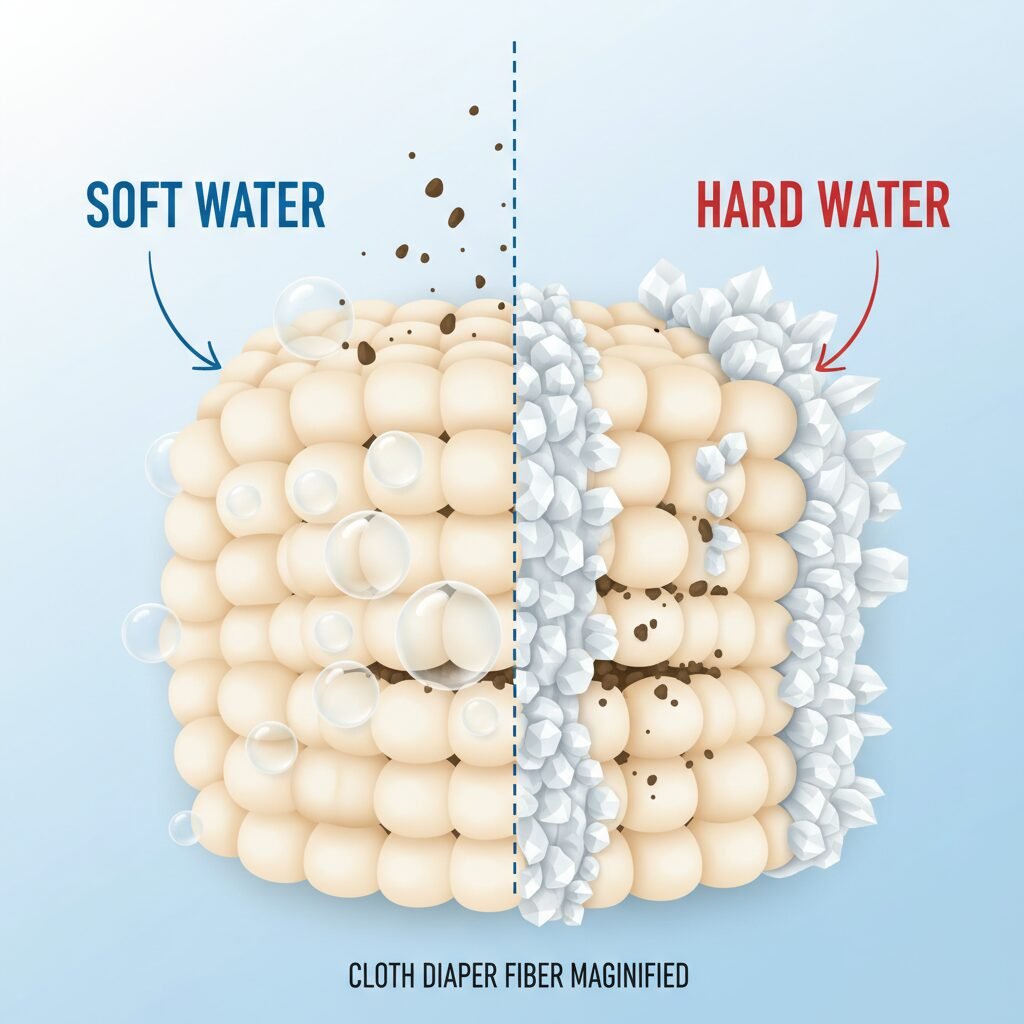
Before we dive into the ‘how,’ let’s quickly cover the ‘why.’ Understanding the science behind the problem makes the solution make so much more sense. Think of hard water as water filled with tiny, invisible rocks—mostly calcium and magnesium ions. When you wash your diapers, your detergent goes to work, but it gets distracted. A portion of it binds with these minerals instead of cleaning the diapers.
This reaction creates something you might know as soap scum. In your diapers, it’s a bit more insidious. This mineral-detergent combo forms a waterproof film that coats the fibers of your diapers. Here’s what that buildup does:
- Reduces Absorbency: The mineral coating essentially ‘waterproofs’ the fabric, causing liquids (aka pee!) to roll right off instead of soaking in. This is a primary cause of sudden, frustrating leaks.
- Traps Bacteria and Ammonia: The film creates a barrier, trapping urine and bacteria deep within the fabric fibers. Even after a hot wash, these smelly culprits remain, leading to that barnyard or ammonia smell, especially when the diaper is freshly wet.
- Causes Diaper Rash: Trapped ammonia and bacteria can be incredibly harsh on your baby’s delicate skin, leading to persistent, painful rashes that don’t seem to clear up.
- Makes Diapers Dingy and Stiff: The mineral coating leaves diapers feeling crusty, scratchy, and looking gray or yellowed, no matter how much you wash them.
So, our goal isn’t just to ‘clean’ the diapers; it’s to soften the water first, so the detergent can do its actual job. This is the secret key to success!
Your Hard Water Fighting Arsenal: Gathering the Right Supplies
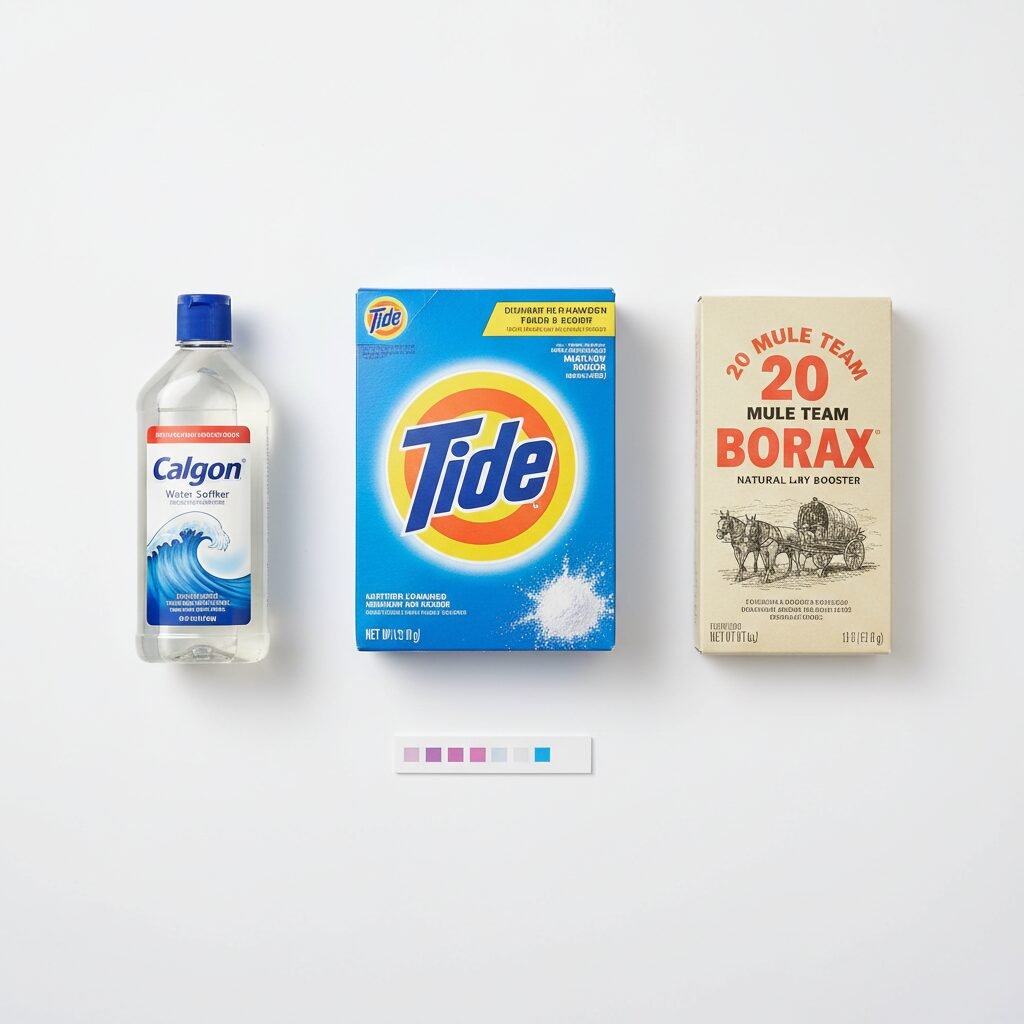
To win the war against hard water, you need the right tools. Tossing in a little extra ‘free and clear’ detergent just won’t cut it. Here is your essential shopping list for a bulletproof hard water cloth diaper routine.
Essential Supplies Checklist
- A Strong Detergent: You need a powerful, mainstream powder detergent. Powder detergents often contain more water-softening agents than their liquid counterparts. Brands like original Tide powder are legendary in the cloth diaper community for a reason—they work. Avoid detergents with fabric softeners, as these also coat fibers and reduce absorbency.
- A Water Softener: This is the non-negotiable hero of our story. You must add a water softener to every single wash. The two most effective and widely available options are Calgon Water Softener (liquid or powder) and Borax. They work by binding to the minerals in the water, effectively neutralizing them and allowing your detergent to focus on cleaning.
- A Way to Test Your Water Hardness: You can’t fight what you can’t measure! Knowing your water’s specific hardness level (measured in parts per million, or PPM) will help you determine exactly how much softener to use. You can often get a free test kit from water softener companies or buy simple test strips online or at a hardware store. Your local water utility’s website might also publish this information.
A Quick Note on ‘Cloth Diaper Safe’ Detergents: Many boutique or plant-based detergents are wonderful for soft or moderately hard water. However, in truly hard water, they often lack the surfactants and enzymes needed to get diapers fully clean, leading to buildup over time. If you’ve been struggling, making the switch to a powerful mainstream detergent is often the game-changer.
The Bulletproof Routine: A Step-by-Step Guide
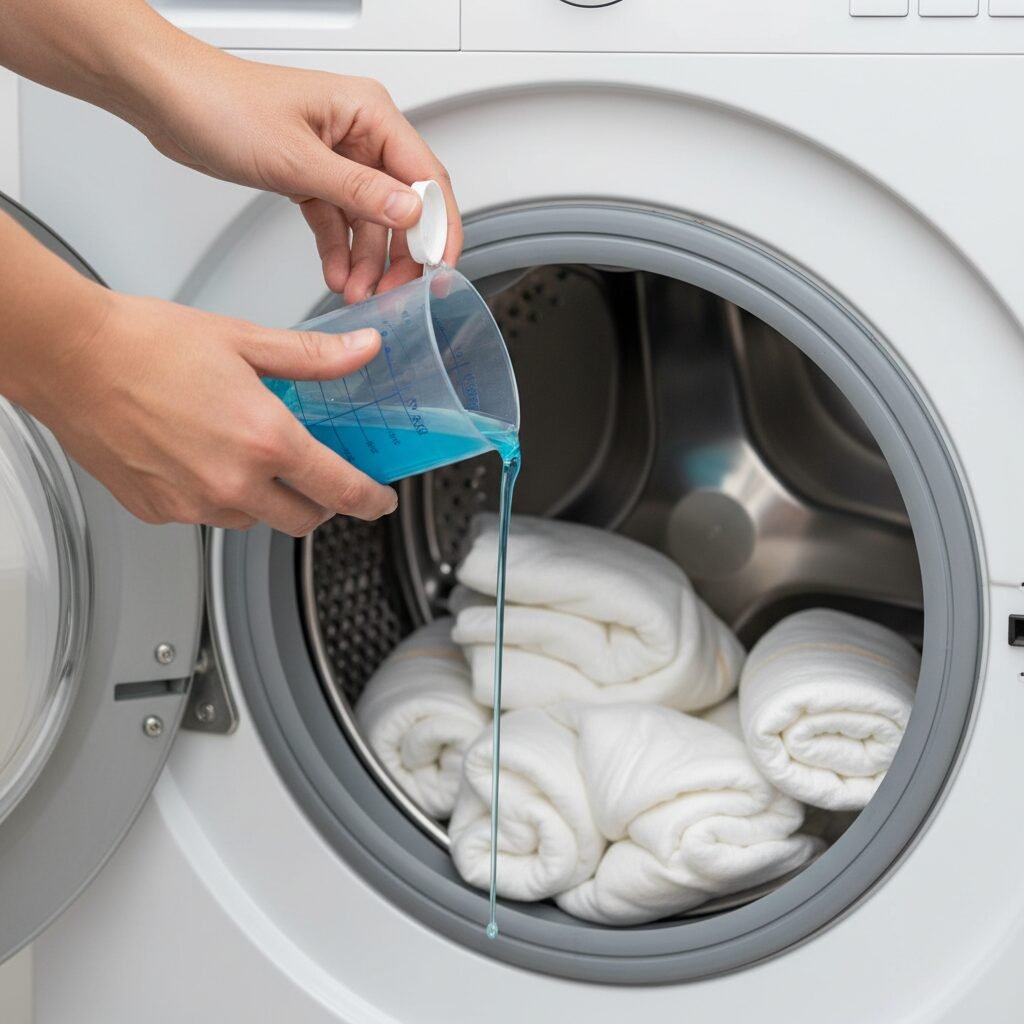
Alright, you’ve got your supplies, and you understand the mission. Let’s put it all into practice. This two-wash cycle is critical for ensuring all the waste is removed before the deep cleaning begins.
Step 1: The Pre-Wash (The Rinse Cycle)
The goal here is simple: rinse away the surface-level mess and dilute the urine. Think of it as prepping your canvas.
- Load all your soiled diapers into the washing machine. Don’t overload it; they need room to move around. Aim for about 2/3 full when wet.
- Run a short, cold wash cycle. A ‘speed wash’ or ‘quick wash’ setting is perfect.
- Do not add softener to this cycle. You can add a small amount of detergent (like Line 1 on the scoop) if your diapers are particularly soiled, but for many, no detergent is needed in this step.
Step 2: The Main Wash (The Deep Clean)
This is where the magic happens. After the pre-wash cycle finishes, do not remove the diapers. Fluff them up if they’ve stuck to the sides of the drum, and prepare for the main event.
- Add Your Water Softener: This goes in first, directly into the drum with the diapers. The amount you use is based on your water hardness. This is the most important step!
- Add Your Detergent: Use the amount of detergent recommended for a ‘heavily soiled’ load. For a powder like Tide, this is typically up to Line 4 or 5 on the scoop. Add it directly to the drum or in the dispenser as you normally would.
- Select Your Cycle: Choose the longest, most heavy-duty wash cycle your machine has (e.g., ‘Heavy Duty,’ ‘Cottons,’ ‘Whites’).
- Set the Water Temperature to HOT. Hot water (at least 130°F / 55°C) is essential for killing bacteria and allowing the detergent to work at maximum efficiency.
- Add an Extra Rinse (Optional but Recommended): If you have a high-efficiency (HE) machine that is stingy with water, adding an extra rinse at the end can help ensure all the detergent and minerals are washed away.
| Water Hardness Level (PPM) | Recommended Calgon (per main wash) | Recommended Borax (per main wash) |
|---|---|---|
| Slightly Hard (60-120 PPM) | 1/4 cap | 1/4 cup |
| Moderately Hard (121-180 PPM) | 1/2 cap (to line 2) | 1/2 cup |
| Very Hard (181+ PPM) | Full cap (to line 3) | 1/2 cup to 1 full cup |
Drying and Troubleshooting Common Hard Water Woes
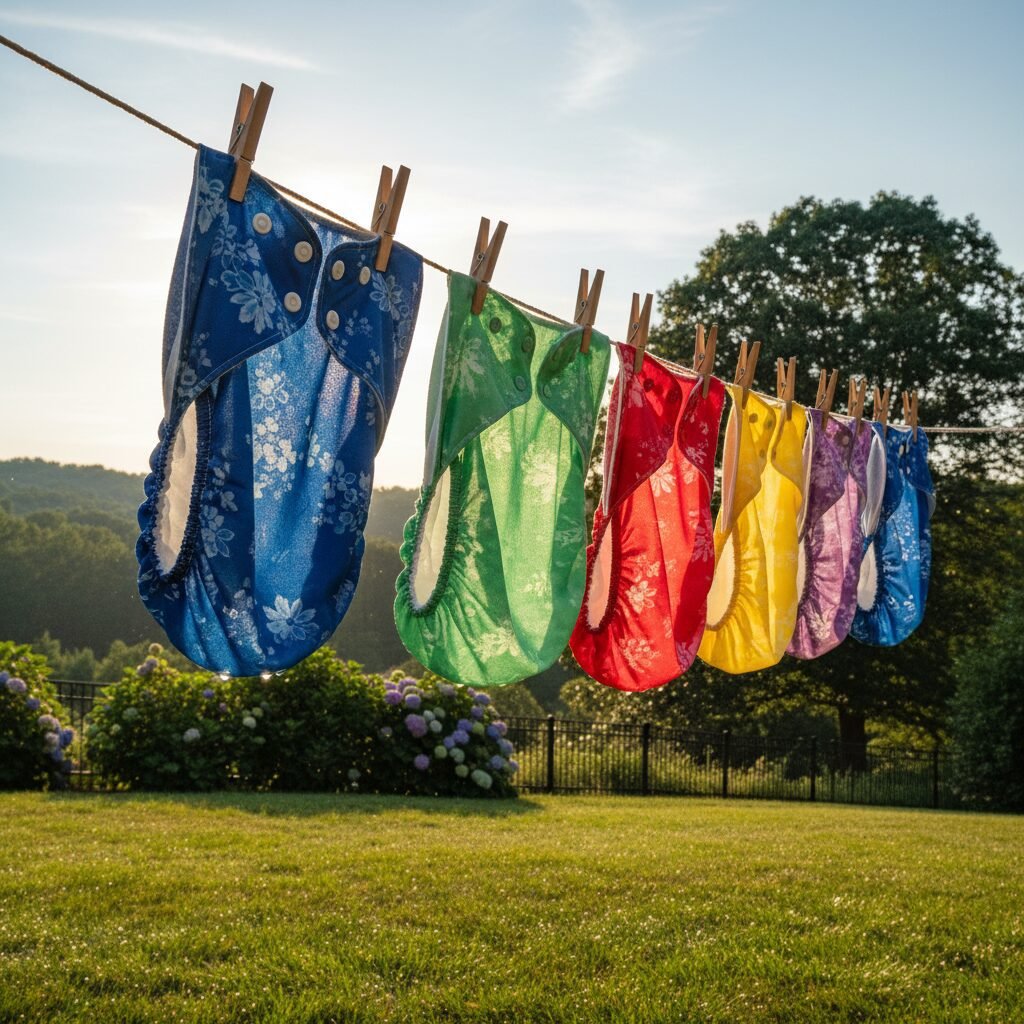
You’re almost there! Once the main wash is complete, your diapers should smell like… nothing! Just clean, fresh laundry. Now it’s time to dry them and tackle any lingering issues.
Drying Your Diapers
How you dry your diapers can affect their longevity. You have a few great options:
- Line Drying: The sun is a natural bleaching and disinfecting agent! Hanging your diapers outside is fantastic for stain removal and is very gentle on the materials. The only downside is that it can sometimes make natural fibers (like cotton or hemp) feel a bit stiff.
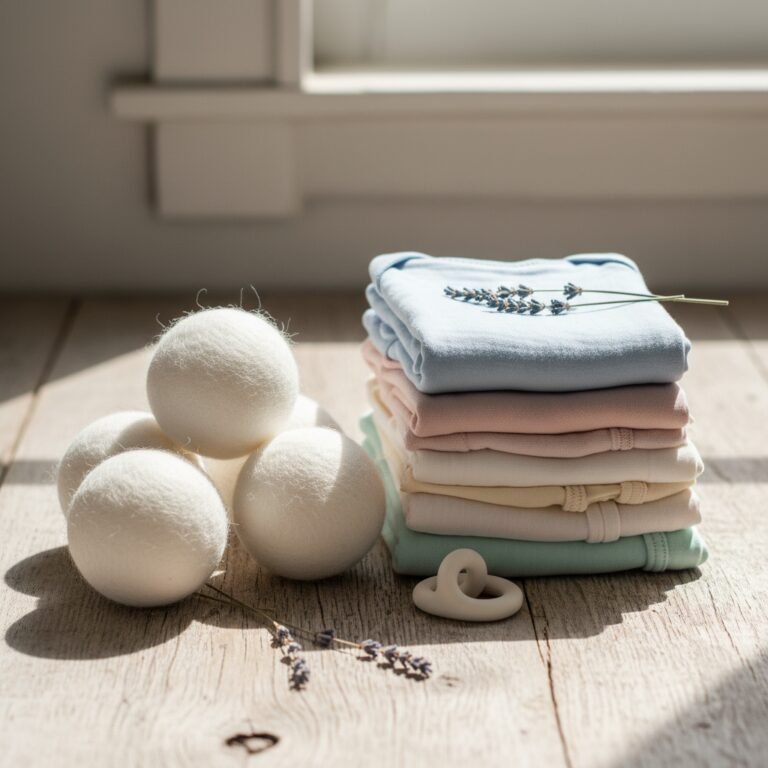
- Machine Drying: Tumble dry on low or medium heat. High heat can damage the waterproof PUL lining of your diaper covers and elastic over time. Tossing in some wool dryer balls can help soften the diapers and speed up drying time.
- A Hybrid Approach: My favorite method! Line dry your diapers until they are about 90% dry, then toss them in the dryer for 10-15 minutes on low heat. This gives you the benefits of sunning while finishing them off soft and fluffy.
Troubleshooting Guide
Even with the perfect routine, you might hit a snag. Here’s how to fix the most common hard water problems.
- Problem: My diapers still have a faint ammonia or barnyard smell.
Solution: Your diapers likely have some lingering mineral buildup. Your first step is to increase the amount of water softener you’re using in your main wash. Go up by a 1/4 cap of Calgon or 1/4 cup of Borax and see if that resolves it in the next wash. If the problem is severe, you may need to ‘strip’ your diapers to remove the buildup. - Problem: My baby is getting rashes.
Solution: This is often caused by trapped bacteria. Ensure you are using a strong enough detergent and hot water. If the problem persists, a one-time bleach sanitize can be necessary to reset your diapers. - Problem: My diapers feel crusty and are leaking.
Solution: This is the classic sign of mineral buildup. You will need to strip your diapers to remove the existing mineral coating and then start fresh with the new, correct wash routine with adequate water softener.
Safety Warning: Stripping & Sanitizing
Stripping (a process to remove mineral buildup) and sanitizing (using bleach to kill all bacteria) are powerful, ‘reset’ options for diapers and should not be done regularly. Always follow trusted instructions, like those from Fluff Love University, for these processes. Using too much bleach or stripping too often can damage your diapers. The goal of our daily routine is to prevent you from ever needing to do this!
Conclusion
There you have it—the complete, no-nonsense guide to conquering hard water and getting your cloth diapers truly clean. It might seem like a lot of information at first, but once you find your rhythm, it will become second nature. The key takeaways are simple: use a strong powder detergent, use the correct amount of water softener in every main wash, and wash in hot water.
Please, give yourself grace. Learning to cloth diaper is a journey, and adding hard water to the mix is an extra challenge. But you are more than capable of mastering it. By following this routine, you’ll be rewarded with fresh, absorbent, and long-lasting diapers that are gentle on your baby’s skin and the planet. You’ve got this, mama and papa! Happy diapering!