
The Hidden Reason Your Baby is Fussy: Wrong Nipple Flow
My dear new parent, take a deep breath. I know you’re tired. You’ve been trying everything to soothe your fussy baby, haven’t you? You’ve burped them in every position imaginable, cycled their little legs to relieve gas, and maybe you’ve even whispered the word ‘colic’ in the dark of night. You’re doing an amazing job. But what if I told you the source of all that fussiness might not be their tummy, but the tiny silicone tip of their bottle?
As a pediatric nurse and lactation consultant for over two decades, I’ve seen countless exhausted parents wrack their brains trying to solve the mystery of their baby’s discomfort. More often than you’d think, the culprit is something incredibly simple and easy to fix: the bottle’s nipple flow rate. It’s the Goldilocks of feeding—it can’t be too fast or too slow; it has to be just right. Getting it wrong can turn a peaceful feeding into a stressful battle for both you and your baby. In this guide, we’ll walk through exactly how to spot the signs of the wrong flow, how to choose the perfect one, and how to turn feeding time back into the beautiful bonding experience it’s meant to be.
What Exactly is Nipple Flow (And Why Does it Matter So Much?)
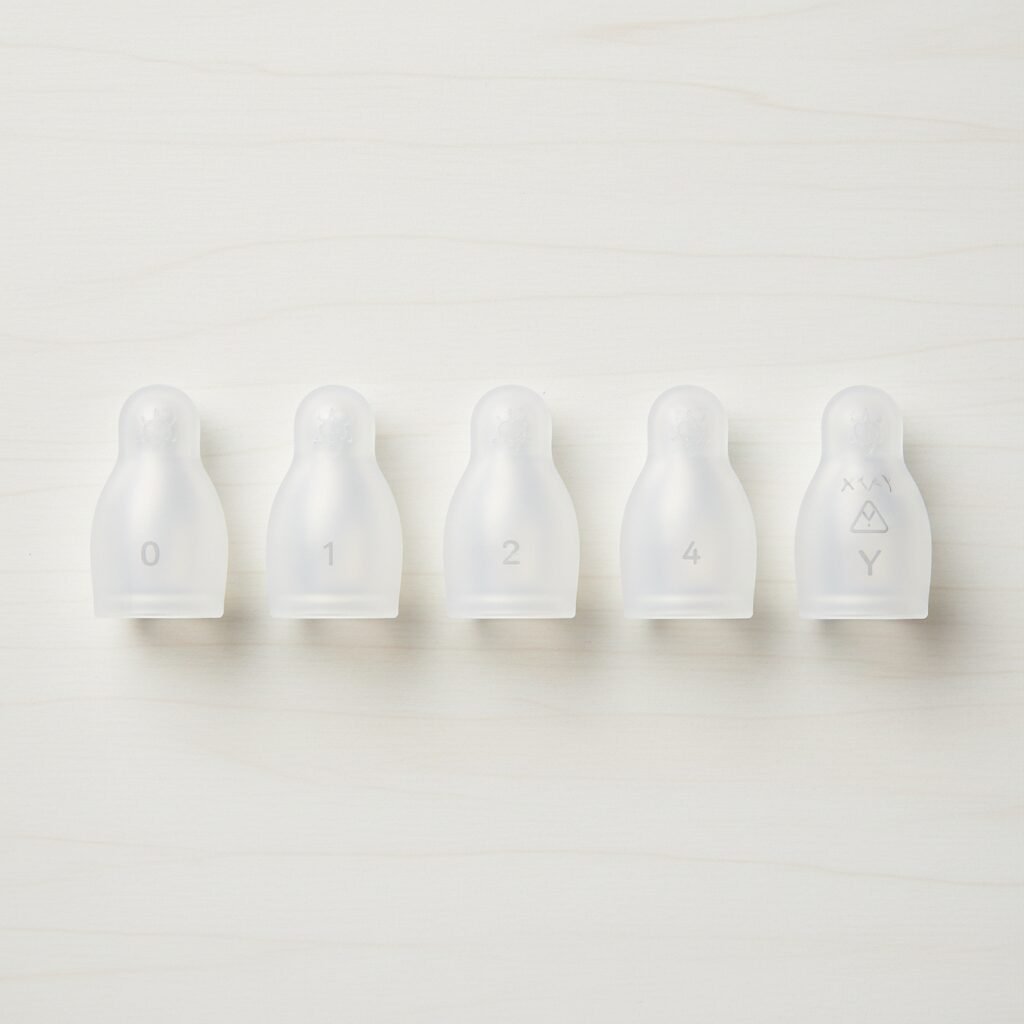
Let’s start with the basics. ‘Nipple flow’ simply refers to the speed at which milk (or formula) leaves the bottle nipple when your baby sucks. Bottle manufacturers offer a range of levels, usually numbered or named to indicate the speed: Level 0 or Preemie (the slowest), Level 1 (Slow Flow), Level 2 (Medium Flow), and so on. Some brands even have a Y-cut nipple for thicker liquids.
Think of it like a faucet. A newborn needs a slow, gentle trickle, not a firehose blast. An older, more experienced eater can handle a steadier stream. The right flow rate allows your baby to coordinate their suck-swallow-breathe pattern comfortably and efficiently. This pattern is instinctual but requires practice and muscle coordination.
Why is it a big deal?
- It Prevents Overwhelming the Baby: A flow that’s too fast can flood your baby’s mouth, making it hard for them to breathe and swallow safely. This can be scary for them and lead to negative associations with feeding.
- It Avoids Frustration and Fatigue: A flow that’s too slow forces your baby to work incredibly hard for every drop of milk. They can burn precious calories and become exhausted and frustrated, often giving up before they’re full.
- It Supports Healthy Digestion: When a baby gulps milk too quickly, they also swallow a lot of air. This is a one-way ticket to gas, discomfort, and increased spit-up. A controlled pace means less air and a happier tummy.
- It Protects the Breastfeeding Relationship: For babies who are both breast and bottle-fed, using a slow-flow nipple is crucial. The breast requires a baby to work to stimulate a letdown and draw out milk. If the bottle is too ‘easy,’ they can develop a ‘flow preference,’ leading to frustration and fussiness at the breast.
Ultimately, the right nipple flow respects your baby’s developmental stage and feeding skills, making them feel safe, competent, and satisfied.
Is the Flow Too Fast? Telltale Signs of a Firehose Effect

When the milk flow is too fast, your baby simply can’t keep up. It’s like trying to drink from a firehose. Their protective reflexes kick in, and feeding becomes a stressful, frantic event instead of a calm one. Be on the lookout for these signs during or immediately after a bottle feed:
- Choking, Sputtering, or Coughing: This is the most obvious sign. Your baby is literally getting more milk than they can handle at once, and their airway is trying to protect itself.
- Gulping Loudly and Frantically: You might hear audible, panicked gulps as they try to clear the milk from their mouth before the next wave comes.
- Milk Dribbling Excessively: While a little dribble is normal, a constant stream of milk leaking from the corners of their mouth means their mouth is overflowing.
- Pulling Off the Nipple Frequently: They may turn their head away or push the bottle out, trying to get a break and catch their breath.
- Arching Their Back or Tensing Their Body: This is classic baby body language for ‘I’m uncomfortable and overwhelmed!’
- Wide, Panicked Eyes: Their expression might look stressed or even frightened during the feed.
- Increased Spit-Up or Vomiting: Swallowing too much milk and air too quickly often leads to it all coming back up.
A Gentle Warning: While these signs often just point to a flow mismatch, frequent choking or coughing during feeds can increase the risk of aspiration (when milk enters the lungs). It’s important to address a fast flow promptly for your baby’s safety and comfort.
Is the Flow Too Slow? Signs Your Baby is Working Too Hard

On the other end of the spectrum, a nipple flow that is too slow can be just as problematic. Feeding should be efficient, not an Olympic workout. If your baby has to work too hard for their meal, they’ll let you know with a different set of fussy cues. Here’s what to watch for:
- Feedings Take Forever: A typical bottle feed shouldn’t consistently take longer than 20-30 minutes. If you’re pushing the 45-minute mark, the flow might be too slow.
- Frustration and Irritability: Your baby might start the feed eagerly but then become fussy, grunt, or cry mid-bottle. They are hungry, but the reward isn’t coming fast enough for their effort.
- Sucking Vigorously then Giving Up: You’ll see them suck hard a few times, get very little, and then release the nipple with a frustrated cry before trying again.
- Biting or Chewing the Nipple: Instead of a rhythmic suck, they may chomp down on the nipple in an attempt to get more milk out.
- Collapsing the Nipple: If your baby’s suck is stronger than the flow allows, they can create a vacuum that flattens the nipple.
- Falling Asleep Mid-Feed: This isn’t always the peaceful, milk-drunk sleep you’re hoping for. Sometimes, a baby will simply fall asleep from pure exhaustion before their tummy is full, only to wake up hungry and fussy a short time later.
A consistently slow flow can sometimes impact weight gain, as the baby may not be taking in enough volume. If you notice these signs and have concerns about their growth, it’s always a good idea to check in with your pediatrician.
Your Guide to Choosing the ‘Just Right’ Nipple Flow

Alright, you’ve identified the signs. Now for the solution! How do you pick the right flow? The golden rule is to watch the baby, not the calendar or the package. The age ranges on nipple packages are just suggestions. Every baby is different. A strong 2-month-old might be ready for a medium flow, while a 5-month-old who was born prematurely might still be happiest on a slow flow.
Here is a general guideline to get you started, but remember to let your baby’s cues be your ultimate guide.
| Age Range | Typical Nipple Flow Level | Key Considerations & Signs They’re Ready |
|---|---|---|
| 0-3 Months | Level 0 (Preemie) or Level 1 (Slow Flow) | This is the starting point for almost all newborns. It mimics the work required at the breast and prevents overwhelming a new feeder. Stick with this as long as baby seems content. |
| 3-6 Months | Level 2 (Medium Flow) | Baby is no longer showing signs of a slow flow (e.g., taking too long, getting frustrated). They are stronger and more coordinated. If you move up and they start sputtering, they’re not ready—go back down. |
| 6-9 Months | Level 3 (Fast Flow) | Baby is an expert eater now, often sitting up and handling thicker purees. They may be showing clear frustration with the medium flow nipple. |
| 9+ Months | Level 4 or Y-Cut | Usually reserved for older babies who are drinking larger volumes quickly, or for milk that has been thickened with cereal (only do this under the direction of a pediatrician). |
The Game-Changing Technique: Paced Bottle Feeding
Regardless of the nipple level you use, you can give your baby more control with a technique called Paced Bottle Feeding. It’s a lifesaver for all bottle-fed babies, especially those who also breastfeed. It slows the feed down and forces the baby to actively work for the milk, just like at the breast.
- Position Baby Upright: Sit your baby up in your arms, well-supported. Avoid feeding them while they are lying flat.
- Tickle Their Lip: Touch the nipple to their top lip to encourage them to open wide, as if latching onto a breast.
- Hold the Bottle Horizontally: Instead of angling the bottle down so gravity does the work, hold it parallel to the floor. The milk should just fill the tip of the nipple.
- Let Baby Set the Pace: Allow your baby to suck for 20-30 seconds, then gently tilt the bottle downwards (breaking their suction) to give them a short break to breathe.
- Watch for Cues: Follow their lead. When they resume sucking, bring the bottle back to the horizontal position. When they show signs of being full (turning away, relaxing their body), stop the feed. Don’t force them to finish the bottle.
Troubleshooting Common Nipple Flow Scenarios

Life with a baby is never one-size-fits-all. Here are some common questions and sticky situations parents run into when navigating the world of nipple flow.
What if my baby seems to be between sizes?
This is very common! They might seem frustrated with the slow flow but a little overwhelmed by the medium flow. In this case, it’s almost always better to stick with the slower flow for another week or two. Use paced bottle-feeding techniques to help them manage the slower flow better. Their skills will catch up, and the transition will be smoother when they’re truly ready.
Do I need a different flow for thicker formula or breast milk?
Yes, absolutely. Some therapeutic formulas (like those for reflux) are much thicker and will not pass through a slow-flow nipple. Similarly, if your doctor has advised you to thicken breast milk, you will need to move to a faster flow or a special ‘Y-cut’ nipple designed for thicker liquids. Don’t try to manually widen the hole on a nipple yourself, as this can cause it to tear and become a choking hazard.
We switched bottle brands and now my baby is fussy again! What happened?
This is a huge source of confusion for parents. A ‘Level 2’ nipple from Dr. Brown’s is not the same as a ‘Level 2’ from Philips Avent or any other brand. The flow rates can vary dramatically. If you switch bottle systems, you essentially have to start the evaluation process over. Begin with the new brand’s slowest flow nipple and watch your baby’s cues to see if you need to move up.
My baby is primarily breastfed but gets an occasional bottle. What flow is best?
For breastfed babies, I almost universally recommend sticking with the slowest flow nipple available (Level 1 or Preemie) for as long as possible. The goal of a bottle in this situation is to mimic the experience and effort of breastfeeding to prevent ‘flow preference.’ A breastfed baby never ‘needs’ a faster flow from a bottle, because the breast doesn’t get faster over time. Using a slow flow nipple combined with paced feeding is the best way to protect and support your long-term breastfeeding goals.
Conclusion
My dear parent, you’ve now unlocked one of the biggest secrets to a happier bottle-feeding experience. It’s amazing how such a tiny piece of silicone can have such a massive impact on your baby’s comfort and your own peace of mind. Remember the most important takeaway from all of this: you are the expert on your baby. Let their cues—their contented gulps, their frustrated cries, their relaxed little bodies—be your guide. Don’t worry about what the package says or what your friend’s baby is doing. Trust your instincts. By paying attention to the small details, like nipple flow, you are showing your baby in a profound way that you are listening to their needs. And that is the very heart of being a wonderful parent. You’ve got this.