Too Hot or Too Cold? Exactly How To Dress Baby For Sleep In Every Season
Hey there, new parent. Take a deep breath. I know that standing over your baby’s crib, you’re probably asking yourself a million questions. Is the room too quiet? Too bright? And the big one: Are they too hot or too cold? It’s a worry that keeps so many parents up at night. You just want your precious little one to be safe, comfortable, and sound asleep. As a pediatric nurse and lactation consultant, I’ve held the hands of countless parents wrestling with this exact concern. You’re trying to do everything right, and it can feel overwhelming.
The good news is, you don’t need a crystal ball to figure this out. We’re going to walk through it together, step-by-step. We’ll talk about the science behind baby body temperature, decode those mysterious ‘TOG’ ratings you see on sleep sacks, and create a simple, season-by-season plan. My goal is to replace your anxiety with confidence, so you can finally get some well-deserved rest, knowing your baby is dressed just right.
Why Temperature Matters: The Goldilocks Rule for Baby Sleep
Before we jump into clothing choices, let’s quickly cover the ‘why’. Unlike us, newborns and young infants aren’t very good at regulating their own body temperature. They can lose heat rapidly, but more importantly for sleep safety, they can overheat easily and can’t just kick off the covers like we can. This is a crucial piece of the safe sleep puzzle.
The American Academy of Pediatrics (AAP) warns that overheating can increase the risk of Sudden Infant Death Syndrome (SIDS). This isn’t meant to scare you, but to empower you with knowledge. By keeping your baby at a comfortable temperature, you are actively creating a safer sleep environment.
The Ideal Sleep Environment
So, what’s the ‘just right’ temperature? Most experts agree that a room temperature between 68°F and 72°F (20°C to 22°C) is ideal for a sleeping baby. This might feel a little cool to you, but it’s perfect for a baby who is dressed in appropriate sleepwear.
The Ultimate Temperature Check
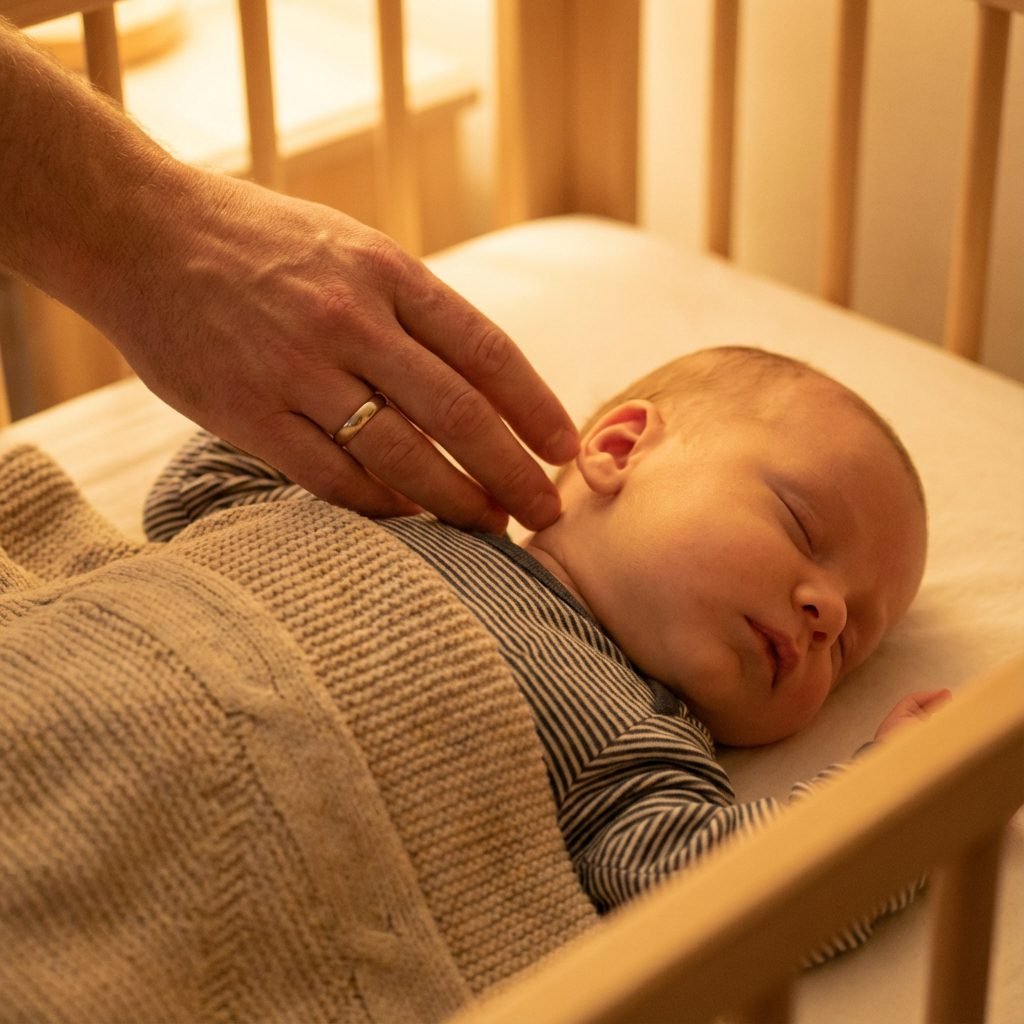
Forget feeling their tiny hands or feet! It’s normal for a baby’s extremities to feel cool to the touch because their circulatory system is still developing. The most reliable way to gauge their core temperature is to place two fingers on the back of their neck or on their chest. If it feels warm and dry, they’re comfortable. If it’s sweaty or hot, they’re likely too warm. If it feels cool, you might consider adding a layer.
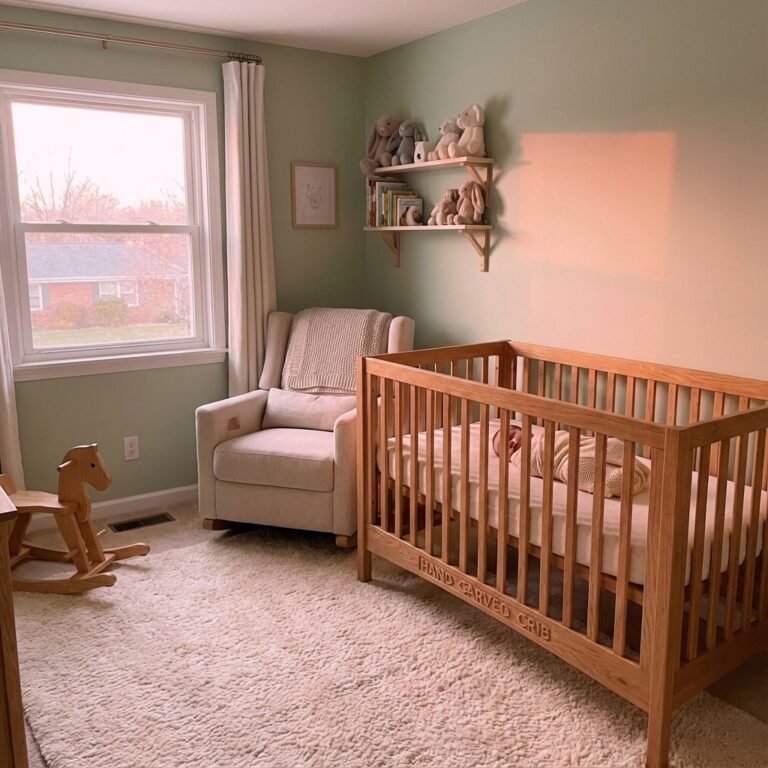
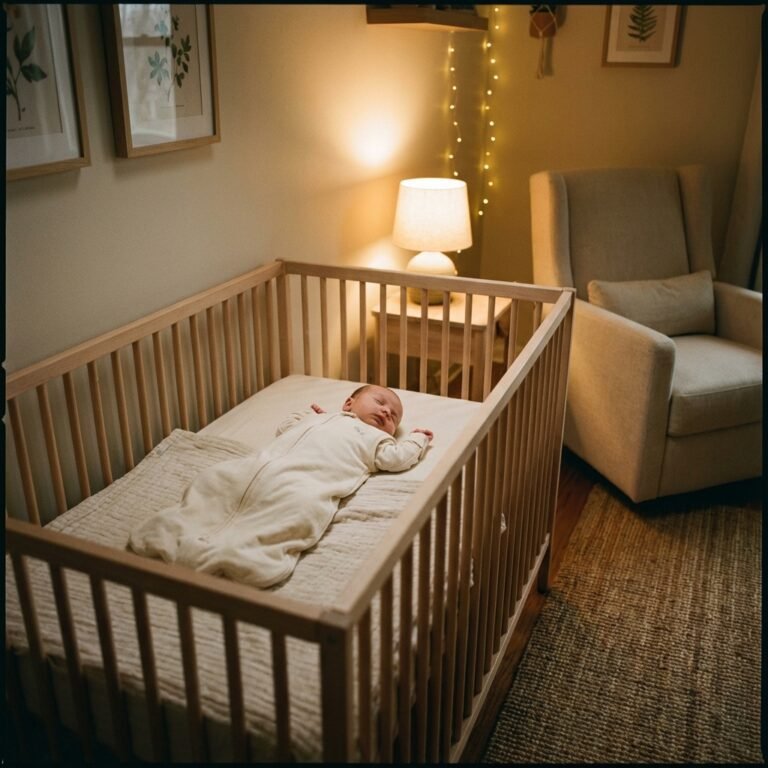
Safety First: Remember the ABCs of safe sleep: Alone on their Back in a Crib (or bassinet/pack-and-play). This means no loose blankets, pillows, bumpers, or stuffed animals in the sleep space.
What in the World is a TOG? Your Guide to Sleepwear Ratings
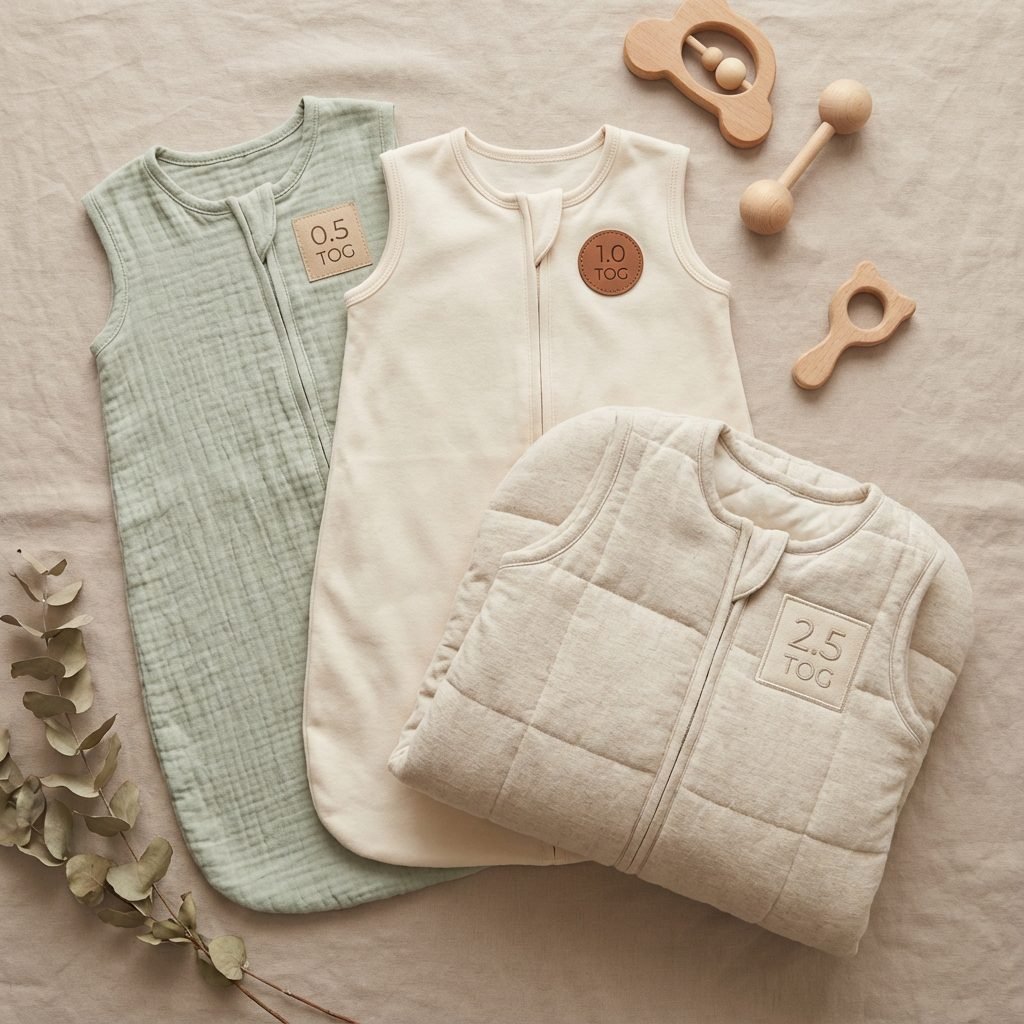
If you’ve shopped for a sleep sack or swaddle, you’ve probably seen the term ‘TOG’ followed by a number. It sounds technical, but it’s actually your best friend in this process! TOG stands for Thermal Overall Grade, and it’s simply a standard measurement of how much heat a garment retains. The higher the TOG rating, the warmer the product.
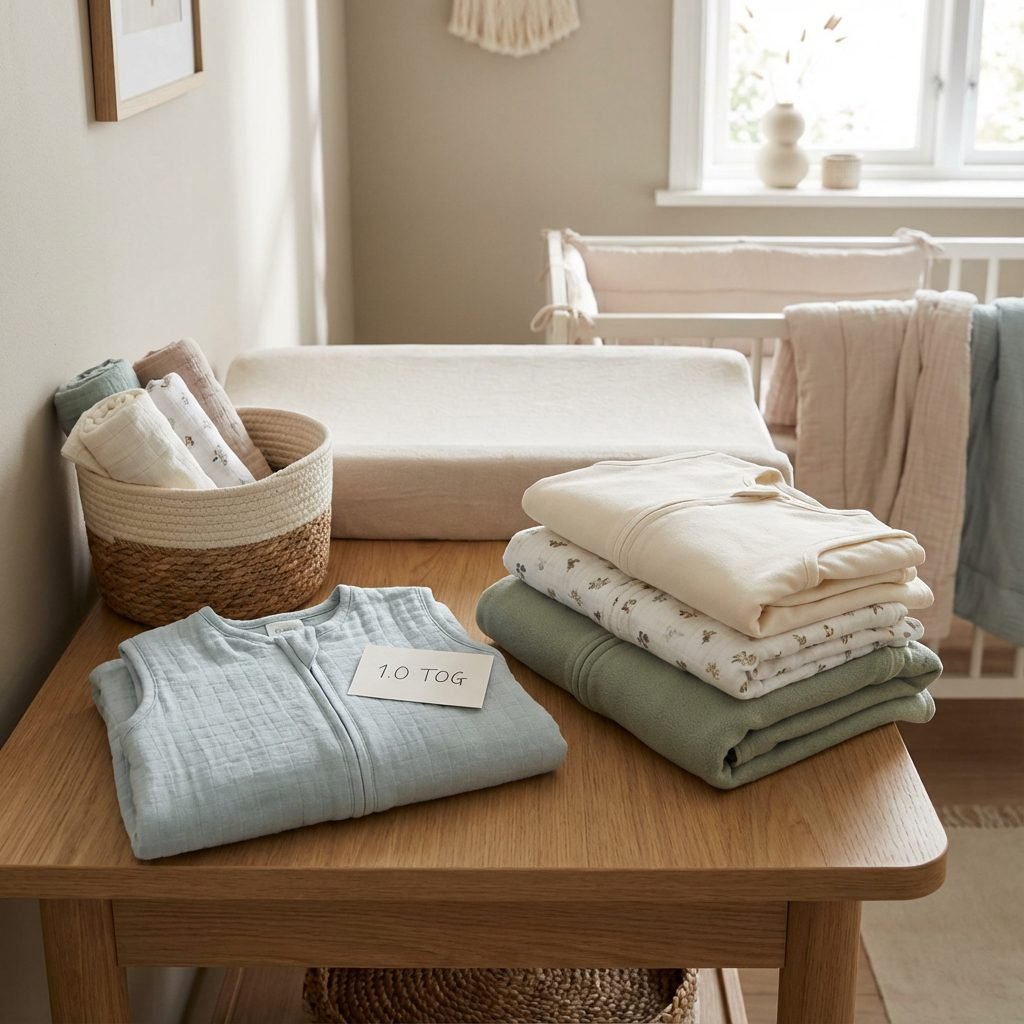
Think of it like the tog rating on your own duvet. You wouldn’t use a thick winter comforter in the middle of July, right? It’s the same principle for your baby. Using TOG ratings takes the guesswork out of layering. Instead of piling on blankets (which are unsafe for babies under one), you can choose a single, wearable blanket with the perfect TOG for your nursery’s temperature.
Here’s a simple breakdown of what those numbers generally mean:
| TOG Rating | Best for Room Temperature | Feels Like |
|---|---|---|
| 0.5 TOG | 75-81°F (24-27°C) | A very light, single layer of cotton. Think of a light sheet. Perfect for heatwaves. |
| 1.0 TOG | 69-74°F (21-23°C) | A standard single layer of cotton fabric. Versatile for most of the year in temperature-controlled homes. |
| 2.5 TOG | 61-68°F (16-20°C) | A padded, thicker garment, similar to a light quilt. Ideal for cooler nights and winter. |
| 3.5 TOG | 54-60°F (12-15°C) | The warmest option. Very padded and designed for very cold rooms without central heating. |
Your Year-Round Dressing Guide for Baby Sleep
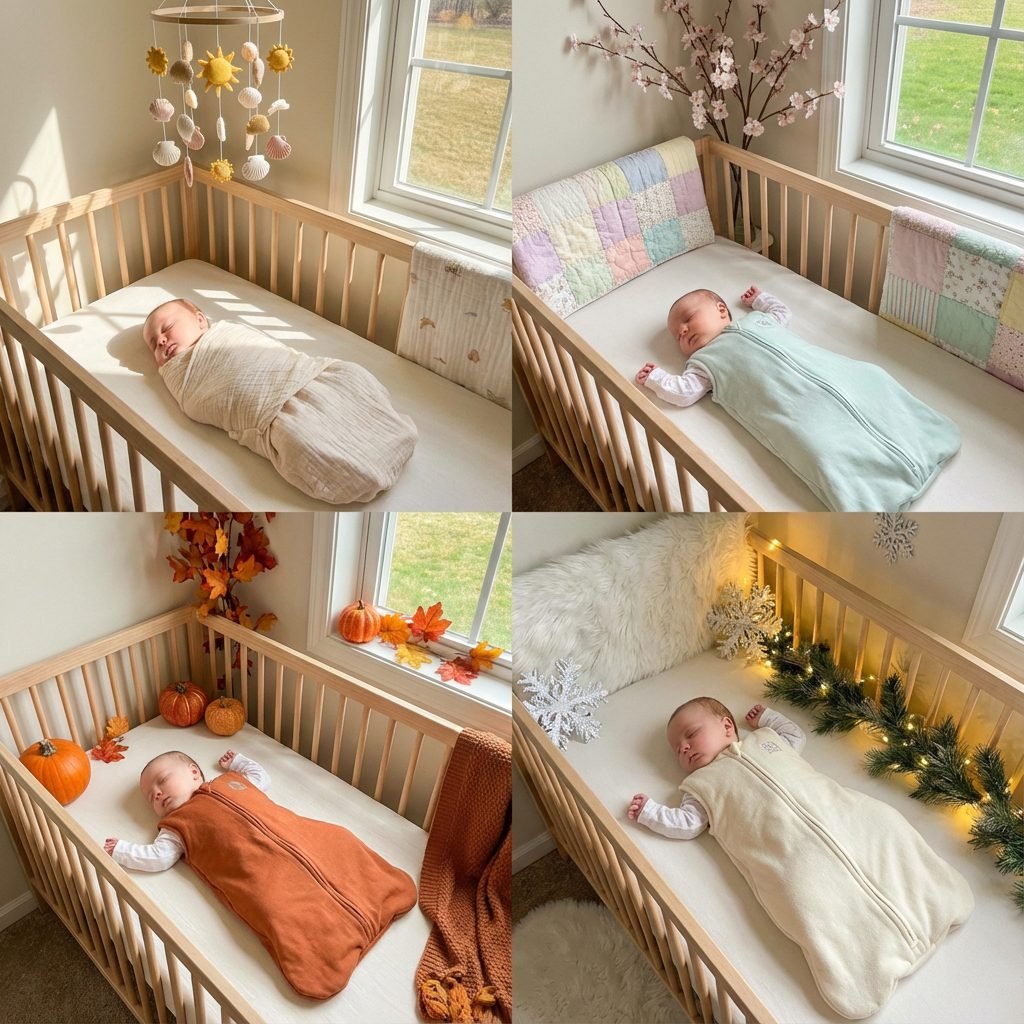
Now let’s put it all together! Here is a detailed, season-by-season guide. The key is to check your thermostat or a room thermometer to know the actual temperature in the baby’s room, as outdoor weather doesn’t always reflect the indoor climate. The recommendations below assume you are not using any loose blankets.
Summer Nights (Room Temp: 75°F / 24°C and above)
During hot summer months, less is more. The goal is to keep your baby cool and prevent overheating. A fan can help circulate air, but make sure it’s not blowing directly on the baby.
- What to wear: A short-sleeve onesie or even just a diaper.
- Sleepwear: A lightweight swaddle or sleep sack with a 0.5 TOG rating.
Spring & Fall (Room Temp: 69-74°F / 21-23°C)
These transitional seasons can be tricky, with temperatures fluctuating. This is where the standard 1.0 TOG sleep sack becomes a nursery staple.
- What to wear: A long-sleeve cotton onesie or footed pajamas.
- Sleepwear: A 1.0 TOG swaddle or sleep sack.
Winter Chill (Room Temp: 61-68°F / 16-20°C)
When it’s cold outside, we’re tempted to bundle our babies up like little marshmallows. Resist the urge! A cozy sleep sack over a single layer of pajamas is often plenty.
- What to wear: Cotton or fleece long-sleeve footed pajamas.
- Sleepwear: A warmer, quilted sleep sack with a 2.5 TOG rating.
A Note on Hats: Never put a hat on your baby for sleep indoors. Babies regulate their temperature through their heads, and covering them can lead to dangerous overheating.
The Ultimate Dressing Chart
For quick reference, here’s a handy table to help you decide. Pin this, screenshot it, or stick it on the fridge!
| Room Temperature | Recommended TOG | What Baby Wears Underneath |
|---|---|---|
| 78-81°F (26-27°C) | 0.2 – 0.5 TOG | Diaper only or short-sleeve vest |
| 75-77°F (24-25°C) | 0.5 TOG | Short-sleeve onesie |
| 69-74°F (21-23°C) | 1.0 TOG | Long-sleeve cotton onesie or pajamas |
| 65-68°F (18-20°C) | 2.5 TOG | Long-sleeve cotton pajamas |
| 61-64°F (16-17°C) | 2.5 TOG | Long-sleeve cotton pajamas + a vest/onesie |
| Below 60°F (15°C) | 3.5 TOG | Long-sleeve pajamas + a vest/onesie |
Are They Comfy? How to Spot Signs of Being Too Hot or Too Cold
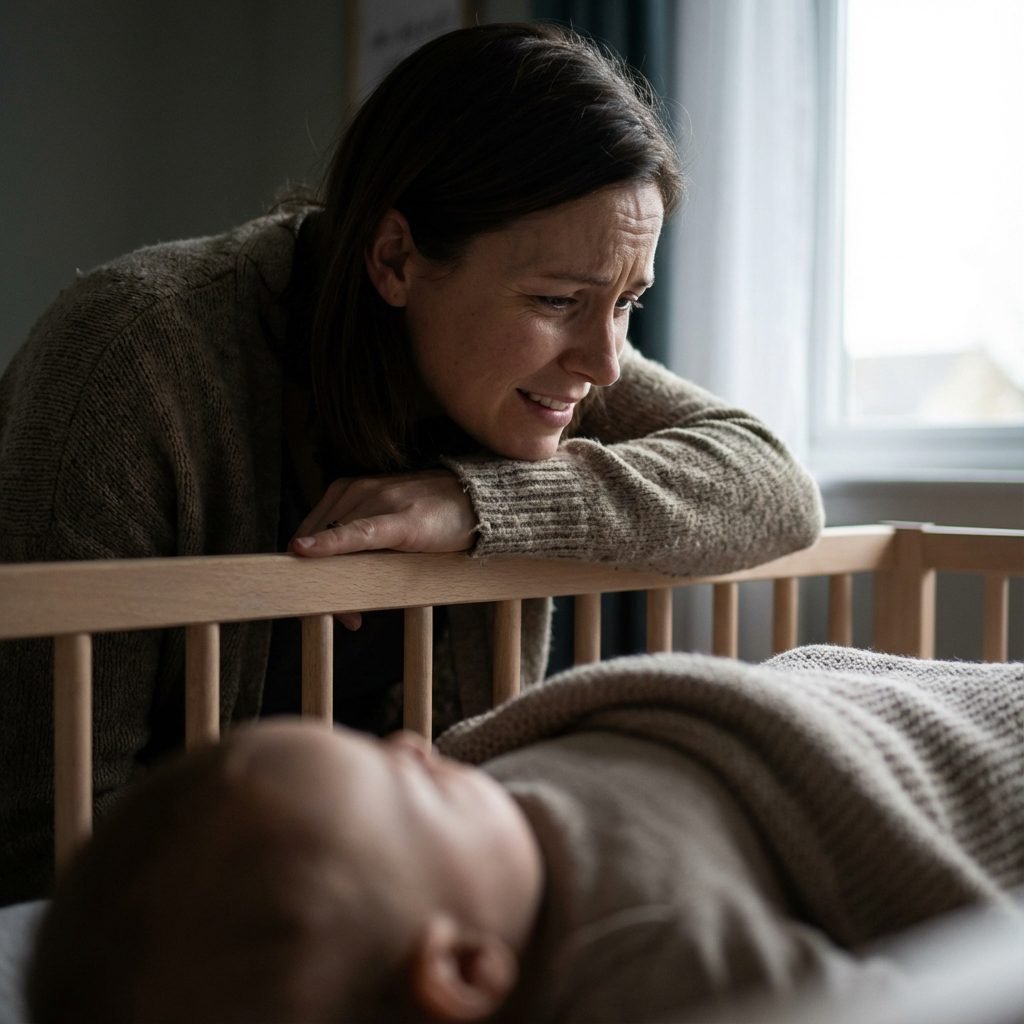
Even with the perfect chart, every baby is different. It’s essential to learn your baby’s unique cues. After you’ve put them down for a bit, do a quick check. Trust your parental instincts—they are powerful!
Signs Your Baby May Be Too Hot:
- Sweaty neck, back, or chest
- Flushed, red cheeks
- Rapid breathing or an increased heart rate
- Restlessness or fussiness
- Heat rash (small red bumps)
If you notice these signs, remove a layer of clothing immediately. You can also offer some breastmilk or formula, as dehydration can accompany overheating.
Signs Your Baby May Be Too Cold:
- Neck or torso feels cool to the touch (remember, hands and feet aren’t reliable indicators)
- Becoming unusually lethargic or difficult to wake
- Unusual fussiness
If your baby feels cool, don’t panic. Simply add another light layer, like a long-sleeve onesie under their sleep sack, or switch to a sleep sack with a slightly higher TOG rating for the next nap. It’s always safer for a baby to be slightly cool rather than too warm.
Conclusion
See? You’ve got this. Navigating the world of baby sleep can feel like a full-time job, but dressing them for comfort and safety doesn’t have to be a source of stress. Remember the key takeaways: aim for a room temperature of 68-72°F, use the back-of-the-neck check, and let TOG ratings be your simple, reliable guide.
Most importantly, give yourself grace. You will learn your baby’s preferences and your own rhythm. Every check-in, every choice you make, comes from a place of deep love and care. Trust that instinct. You are the expert on your baby. Now, go enjoy those precious, peaceful moments of sleep—for both of you.