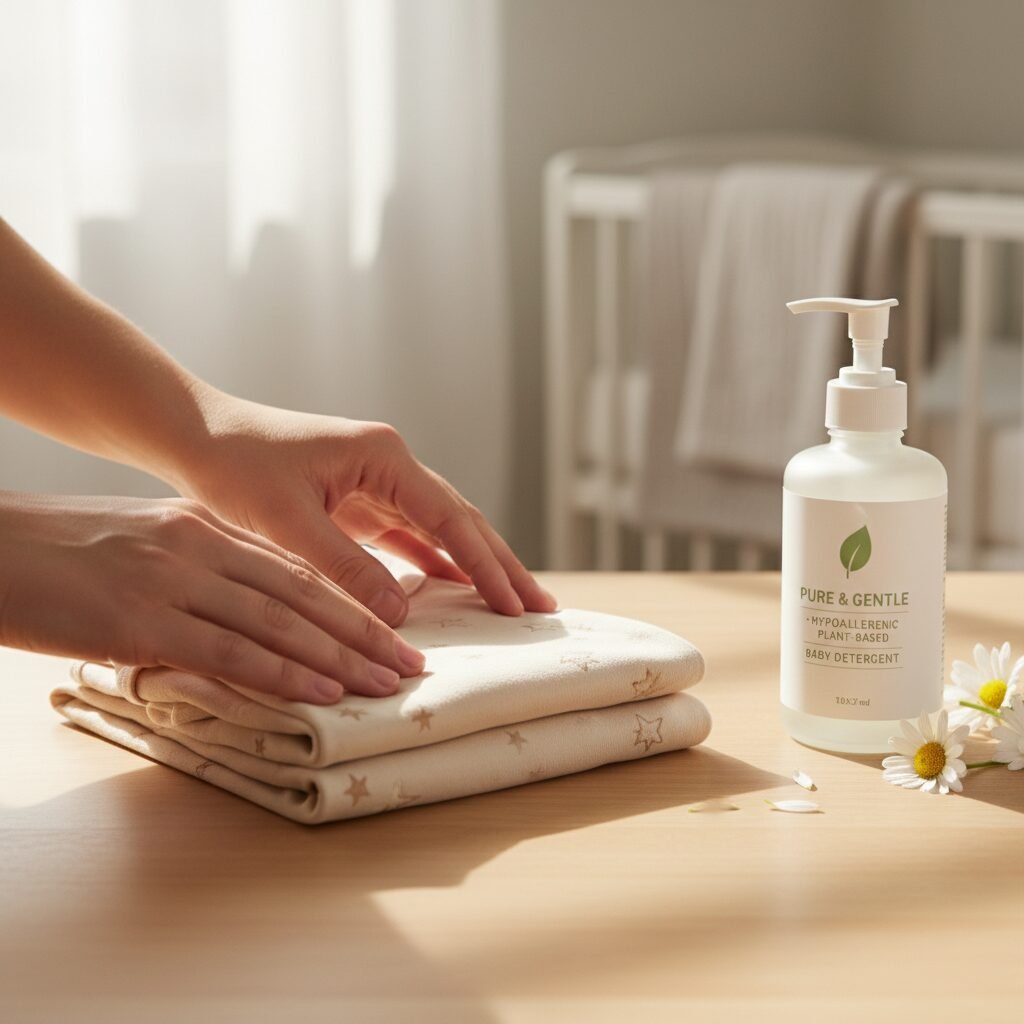
Toxic Chemicals? Why You MUST Wash New Baby Clothes Before Use
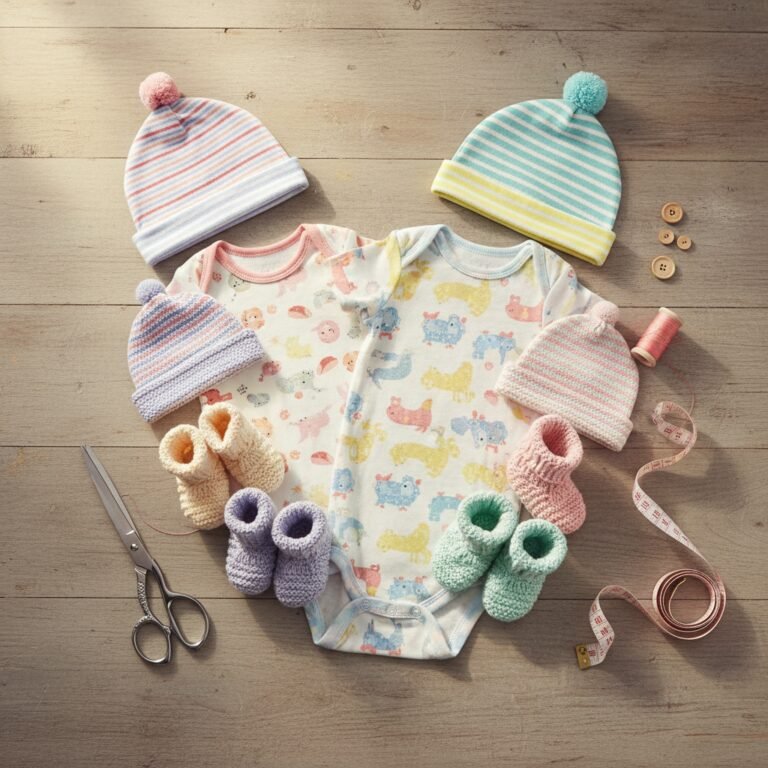
Walking through the baby section, it’s impossible not to get swept up in the excitement. Those tiny socks, the impossibly soft sleepers, the adorable little hats—it’s all part of the joyful preparation for your little one’s arrival. You lovingly pick out each piece, imagining your baby snuggled inside. But before that first adorable photoshoot, there’s one simple, crucial step that many new parents overlook: washing everything.
You might be thinking, ‘But they look so clean and perfect in the package!’ I hear this all the time. As a pediatric nurse and lactation consultant, I’ve spent decades helping parents navigate these early days. And I’m here to tell you, with a warm and reassuring heart, that this small chore is one of the most important first acts of love you can do for your baby. It’s not about being overly cautious; it’s about understanding what’s hiding on those brand-new fabrics and protecting your baby’s uniquely delicate skin. Let’s explore the ‘why’ behind this must-do task and exactly ‘how’ to do it right.
The Hidden ‘New’ Smell: What’s Really on Unwashed Baby Clothes?
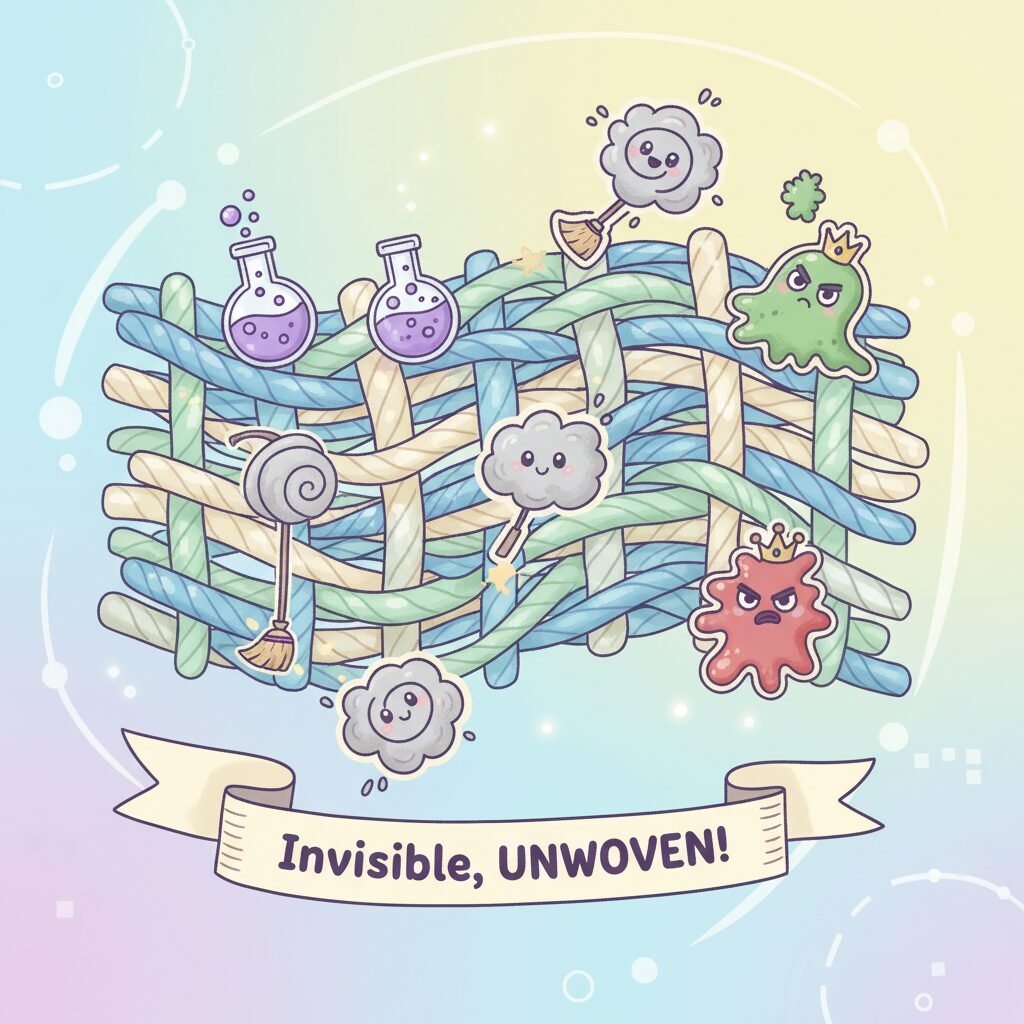
That crisp, ‘new clothes’ scent we often associate with freshness is, ironically, a sign of chemicals. From the moment the cotton is picked to the time you pick it up in the store, a baby’s outfit goes on a long journey, and it picks up a lot of baggage along the way. These items are intentionally treated with a variety of substances to keep them looking pristine during shipping and on the sales floor.
Chemicals from Manufacturing and Shipping
The manufacturing process for textiles is complex and often involves chemicals you wouldn’t want anywhere near your baby’s mouth or skin. Here are the main culprits:
- Formaldehyde Resins: This is a big one. Manufacturers use formaldehyde to prevent wrinkles and discourage mildew growth during shipping. While effective, it’s a potent skin irritant and a known respiratory irritant. For a baby whose skin is incredibly absorbent, this is a chemical we want to wash away completely.
- Azo-Aniline Dyes: The vibrant colors on baby clothes often come from synthetic dyes. Some of these, particularly azo dyes, can break down and release chemicals called aromatic amines, which can cause severe skin reactions and are considered carcinogenic. Washing helps to remove any excess or unbound dye that could otherwise leach onto your baby’s skin.
- Sizing and Finishing Agents: Starches and other chemicals are applied to fabrics to make them stiff and smooth, so they hang nicely in the store. These agents have no business being on your baby, as they can feel rough against sensitive skin and cause irritation.
Germs, Dust, and Everything in Between
Beyond the chemicals, think about the physical journey. A single onesie has been handled by factory workers, packed in warehouses, transported on trucks, and then handled by stockers and countless other shoppers in the store. Each touch introduces bacteria, viruses, dust, and dirt.
A Gentle Reminder: Your baby’s immune system is brand new and still developing. Reducing their exposure to unnecessary germs from the very beginning is a simple way to help keep them healthy and comfortable.
Washing new clothes isn’t just about getting rid of ‘dirt’—it’s about neutralizing and removing this invisible cocktail of industrial chemicals and germs before they ever touch your baby.
Why Your Baby’s Skin is So Uniquely Vulnerable
To understand why these residues are a problem, we need to appreciate just how special and different a newborn’s skin is. It’s not just a smaller version of our own; it’s structurally and functionally different, making it far more susceptible to the outside world.
The Science of Newborn Skin
- It’s Thinner: A baby’s epidermis (the outermost layer of skin) is up to 30% thinner than an adult’s. This means there are fewer layers of protection between the outside world and their body.
- It’s More Permeable: Because it’s thinner, it’s also more porous. Substances that sit on the surface of a baby’s skin are more easily absorbed into their bloodstream. This is why we are so careful about the lotions, soaps, and, yes, the clothes we put on them.
- The ‘Acid Mantle’ is Undeveloped: Our skin has a fine, acidic film on its surface called the acid mantle, which helps protect against bacteria and moisture loss. A newborn’s acid mantle is much more neutral and takes weeks to fully develop, leaving them more vulnerable to irritants and infections.
Potential Reactions to Unwashed Clothes
When unwashed clothes with these chemical and germ residues come into contact with this delicate skin, it can lead to a range of uncomfortable reactions. The most common is contact dermatitis, an itchy, red rash that appears where the fabric has touched the skin. For babies who are already prone to conditions like eczema, these irritants can trigger a painful flare-up.
Even if you don’t see a full-blown rash, the chemicals can cause low-grade irritation that makes your baby fussy and uncomfortable. They can’t tell you, ‘Hey, this shirt is itchy!’ They just feel miserable. By pre-washing their clothes, you are removing these potential triggers and wrapping them in nothing but softness.
Your Simple Guide to Washing Baby Clothes Safely
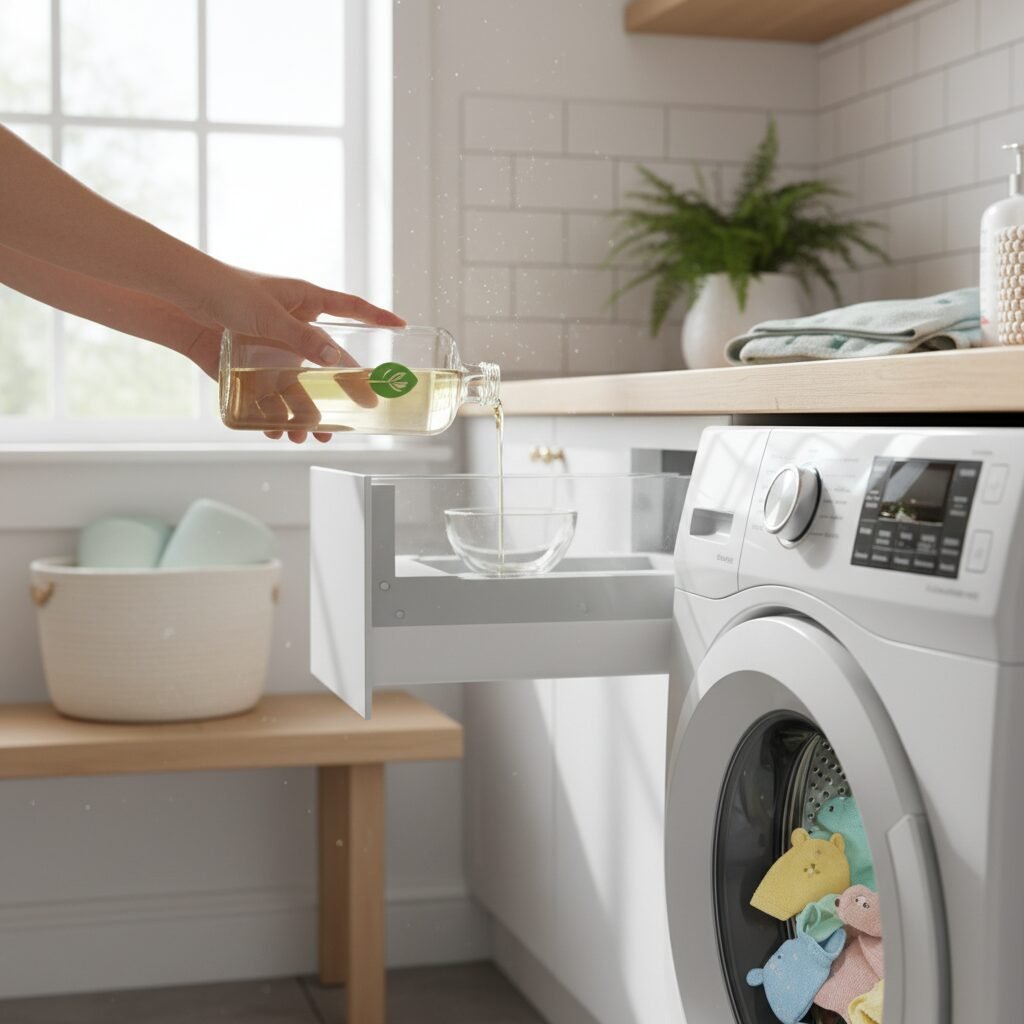
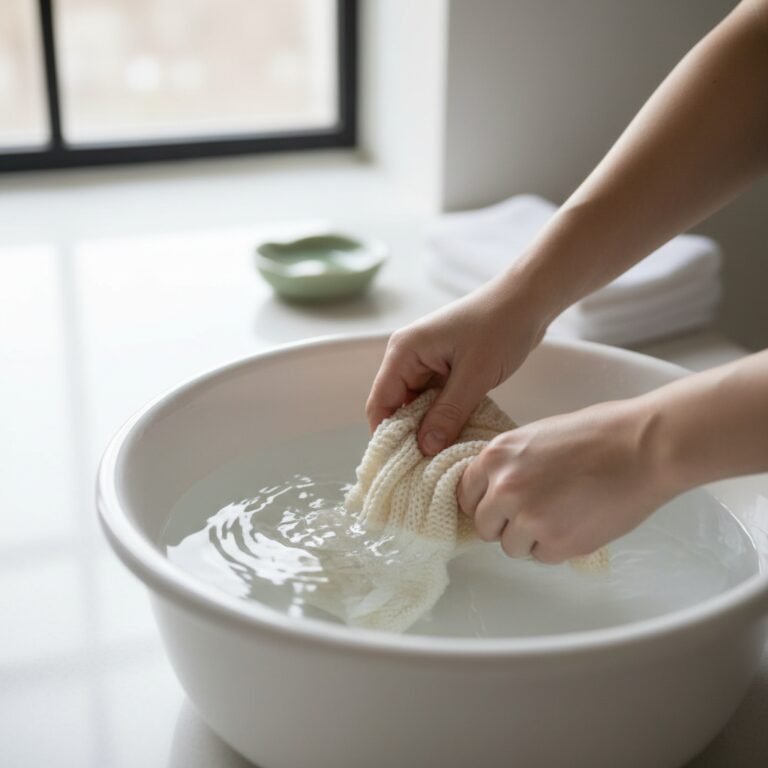
Okay, so we’ve established the ‘why.’ Now for the ‘how’! Don’t worry, this is easy. You don’t need a complicated system, just a few thoughtful choices to create a safe and gentle laundry routine for your little one.
Step 1: Choose Your Detergent Wisely
The detergent aisle can be overwhelming, but your goal is simple: find the gentlest option available. Look for detergents that are labeled:
- ‘Free and Clear’ or ‘Hypoallergenic’: This is your mantra. It means the product is free from the most common irritants.
- Fragrance-Free: Perfumes are a leading cause of skin irritation. What smells ‘clean’ to us can be an assault on a baby’s sensitive system.
- Dye-Free: The detergent itself should be clear. Dyes serve no cleaning purpose and are another potential irritant.
While many brands market a special ‘baby detergent,’ any brand that meets the ‘free and clear’ criteria is perfectly safe and effective.
Step 2: Wash Everything That Touches Their Skin
It’s not just about the clothes! Make it a rule to wash any fabric item before it comes into contact with your baby. This includes:
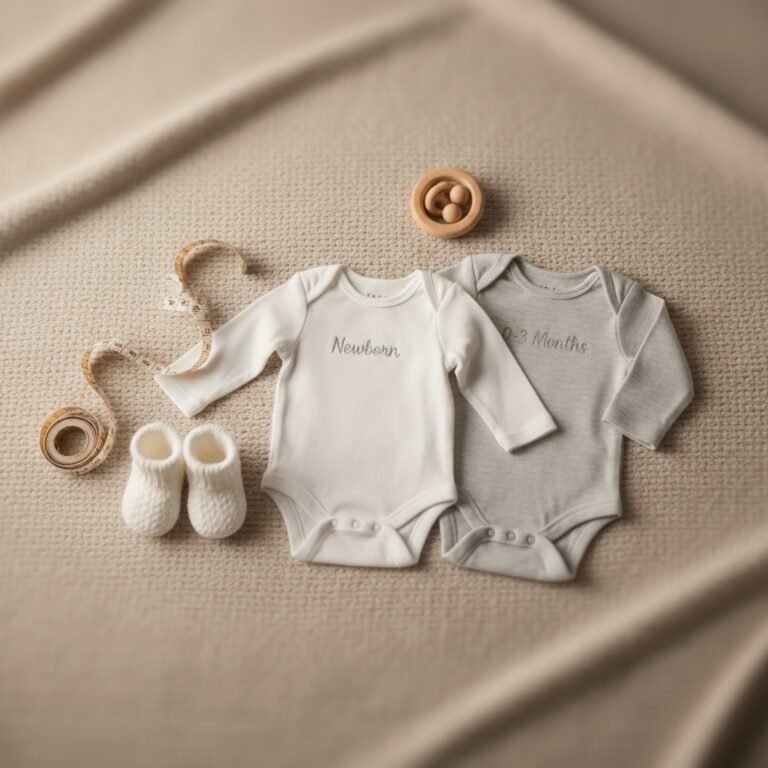
- Onesies, sleepers, pants, and shirts
- Hats, socks, and mittens
- Swaddles and receiving blankets
- Bedding, including crib sheets and mattress protectors
- Towels and washcloths
- Car seat and stroller inserts
- Even soft toys and stuffed animals (check the label for washability)
Step 3: Keep Loads Separate (For a Little While)
For the first few months, it’s a great idea to wash your baby’s laundry in its own load. This prevents the harsh detergents and fabric softeners from your own clothes from leaving residue on their items. It also helps contain any major baby-related messes (and there will be many!).
Step 4: Select the Right Machine Settings
Always check the garment’s care tag first. Most baby clothes can be washed in warm water, but a cold-water wash with a good detergent is also effective and gentler on fabrics and the environment. The most important setting? The extra rinse. An additional rinse cycle is fantastic for ensuring every last bit of detergent is washed away, leaving nothing behind to irritate the skin.
Step 5: Ditch the Dryer Sheets
Just like detergents, conventional fabric softeners and dryer sheets are loaded with chemicals and fragrances that deposit a waxy residue on clothes. Instead of making clothes softer, they can actually reduce the flame-retardant properties of baby sleepers and cause skin irritation.
Pro Tip: For natural softness and reduced static, toss a few wool dryer balls into the dryer. They are a fantastic, chemical-free alternative that shortens drying time, too!
Answering Your Top Baby Laundry Questions

As you get into the swing of things, questions will pop up. Here are the answers to some of the most common ones I hear from new parents in my practice.
| Your Question | My Nurse-Approved Answer |
|---|---|
| Do I really need to wash gifted or hand-me-down clothes? | Absolutely, yes! You don’t know where or how they’ve been stored. They could have been in a basement with mildew or an attic with mothballs. Washing them ensures they are fresh, clean, and safe for your baby, regardless of their history. |
| What about clothes made from organic cotton? Do they still need washing? | Yes, it’s still the best practice. While organic fabrics are free from pesticides used in growing the cotton, they still go through the manufacturing, shipping, and retail process. They collect the same dust and germs as any other garment. Give them a wash. |
| How long should I keep washing my baby’s clothes separately? | There’s no magic date, but a good rule of thumb is for the first six months to a year. After that, if your baby has not shown any skin sensitivities or conditions like eczema, you can try washing their clothes with the rest of the family’s (using your gentle, free-and-clear detergent for everyone!). |
| My washing machine has a ‘Baby Care’ or ‘Sanitize’ cycle. Should I use it? | These cycles can be great! They typically use higher heat and extra rinses. While not strictly necessary for every wash, they can provide extra peace of mind, especially for washing cloth diapers or after a baby has been sick. For regular new clothes, a normal cycle with an extra rinse is perfectly sufficient. |
Conclusion
Parenthood is a journey filled with a million small decisions, and it’s easy to feel overwhelmed. But please hear me when I say this: you are doing an amazing job. The fact that you’re even reading this shows how deeply you care about your baby’s well-being.
Washing your baby’s new clothes is more than just a chore on your nesting to-do list. It’s a simple, powerful act of protection. It’s about stripping away the harshness of the industrial world and wrapping your newborn in nothing but pure, clean softness. It’s one of the first and easiest ways you can create a safe, comfortable, and loving environment for them to thrive in. So, go ahead and run that extra load of laundry. It’s a beautiful, tangible expression of the incredible love you have for the little person you’re about to meet.