Seedy, Slimy, or Watery? What Your Baby’s Poop Texture Is Telling You
Welcome to the club, new parent! You’ve officially joined the ranks of people who are surprisingly fascinated by the contents of a tiny human’s diaper. If you’ve found yourself staring intently at your baby’s poop, wondering if that particular shade of yellow is ‘right’ or if that seedy texture is normal, you are not alone. It might feel strange, but you’re doing exactly what you should be: paying attention. Your baby’s diaper is a daily health report, offering valuable clues about their digestion, hydration, and overall well-being.
But let’s be honest, it can also be a source of major anxiety. Is it too runny? Too thick? Too green? The variations can seem endless and confusing. Take a deep breath. I’m here to walk you through it all. As a pediatric nurse and lactation consultant, I’ve seen it all when it comes to diapers. Think of this as your friendly, non-judgmental guide to the wild world of baby poop. We’ll decode the colors, demystify the textures, and give you the confidence to know when a dirty diaper is perfectly normal, and when it’s time to pick up the phone and call your pediatrician.
The First Few Days: Meconium and Transitional Stools
The First Few Days: Meconium and Transitional Stools
Before you get to the yellows, browns, and greens, your baby’s digestive journey starts with something very different: meconium. If you’re not prepared for it, it can be a bit of a shock!
What is Meconium?
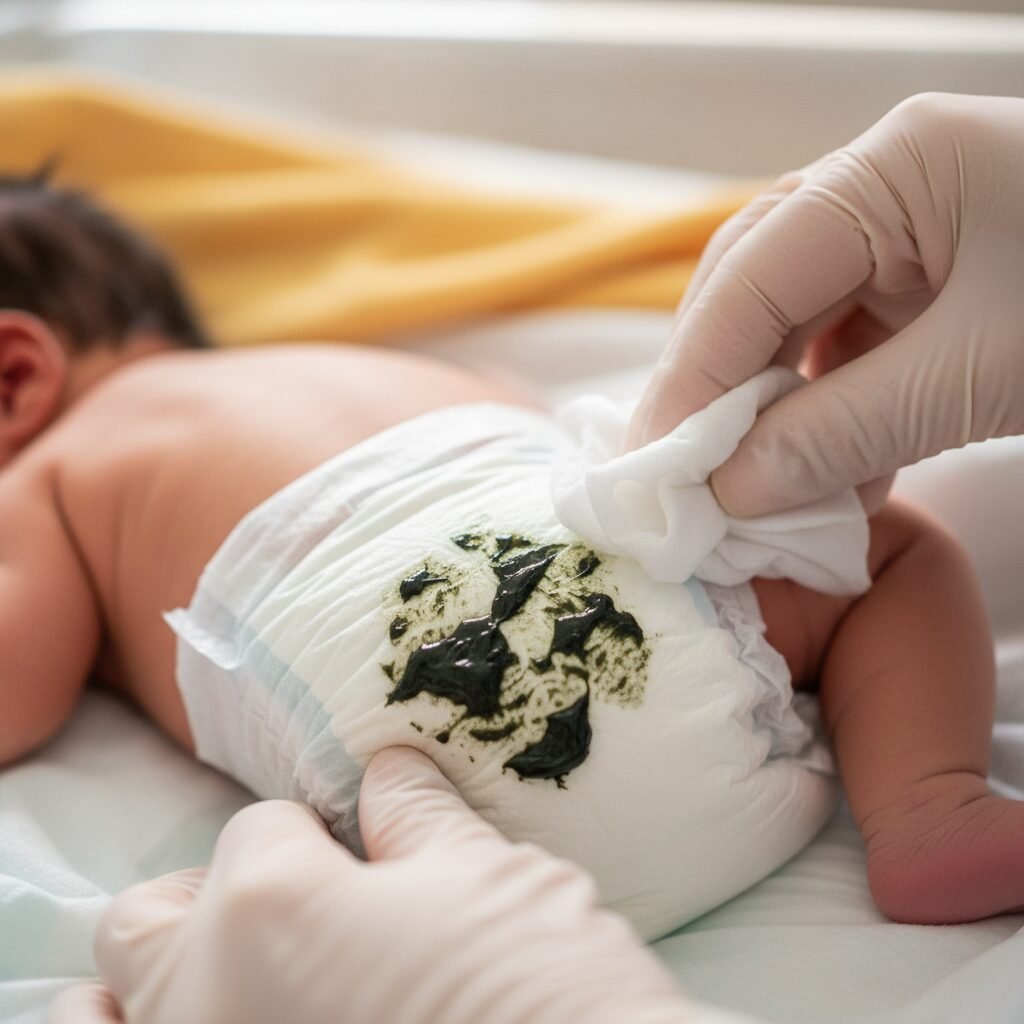
Meconium is your baby’s very first bowel movement. It’s a thick, sticky, tar-like substance that is dark greenish-black. It looks like something you’d find at a construction site, not in a diaper! But it’s completely normal. This unique poop is made up of everything your baby ingested while in the womb, including amniotic fluid, lanugo (the fine hair that covered their body), mucus, and skin cells. It doesn’t have much of an odor because your baby’s gut hasn’t been colonized by bacteria yet.
You can expect to see meconium for the first 24-48 hours after birth. Its sticky nature can make it a little tough to clean, so a little baby oil or petroleum jelly on a wipe can help. The appearance of meconium is a great sign—it shows that your baby’s bowels are working properly.
The Transition Period
After a couple of days, as your baby starts drinking colostrum and then breast milk or formula, their poop will begin to change. This is called ‘transitional stool.’ It’s a sign that their digestive system is firing up and processing milk. Transitional stools are typically:
- Lighter in color than meconium, often a dark, army green.
- Less sticky and easier to wipe clean.
- Looser in consistency.
This phase usually lasts for a day or two. Seeing these transitional stools is another fantastic sign that your baby is feeding well and their digestive tract is maturing. Soon enough, you’ll graduate to the ‘regular’ baby poop phase.
The ‘Normal’ Poop Gallery: Breastfed vs. Formula-Fed
The ‘Normal’ Poop Gallery: Breastfed vs. Formula-Fed
Once your milk has fully come in or you’ve settled into a formula routine, your baby will establish their own unique ‘normal’ for poop. The biggest factor influencing this is their diet. Breastfed and formula-fed baby poop can look and smell surprisingly different.
The Exclusively Breastfed Baby
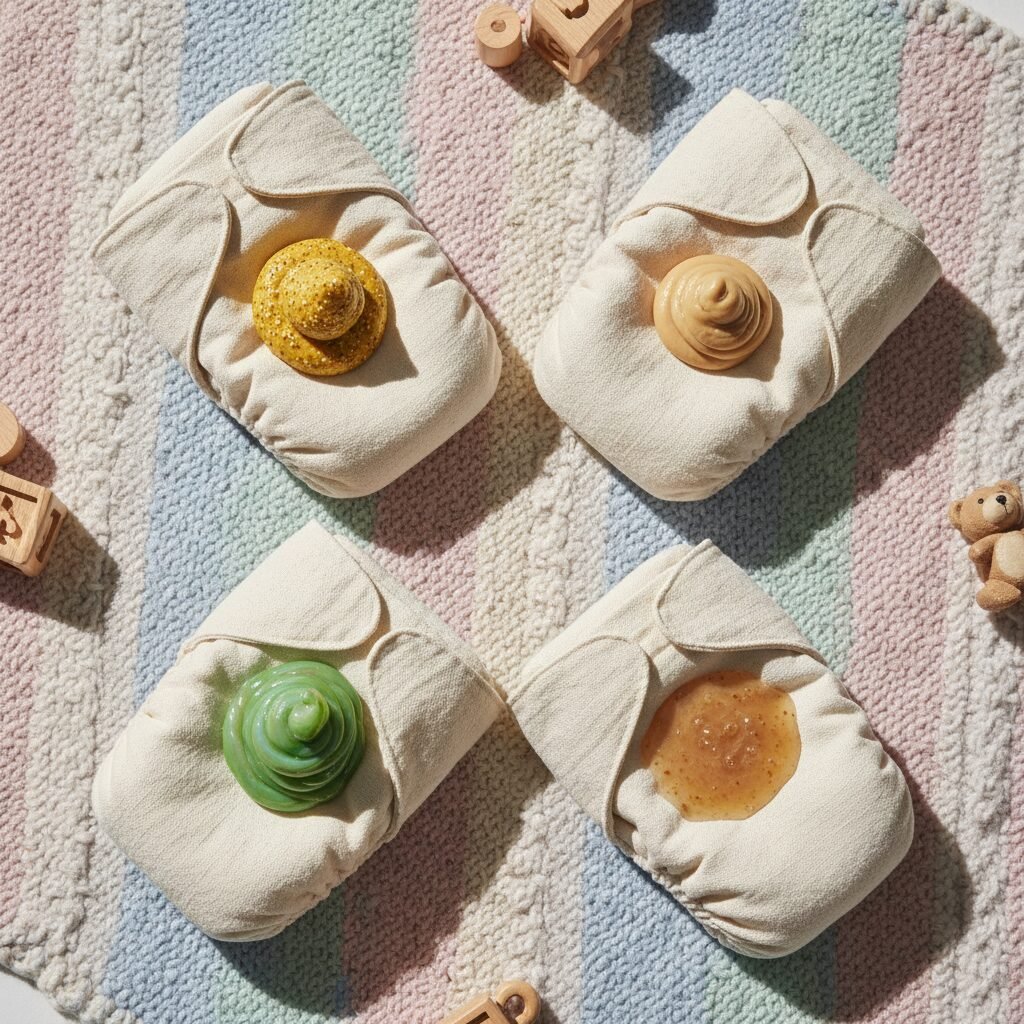
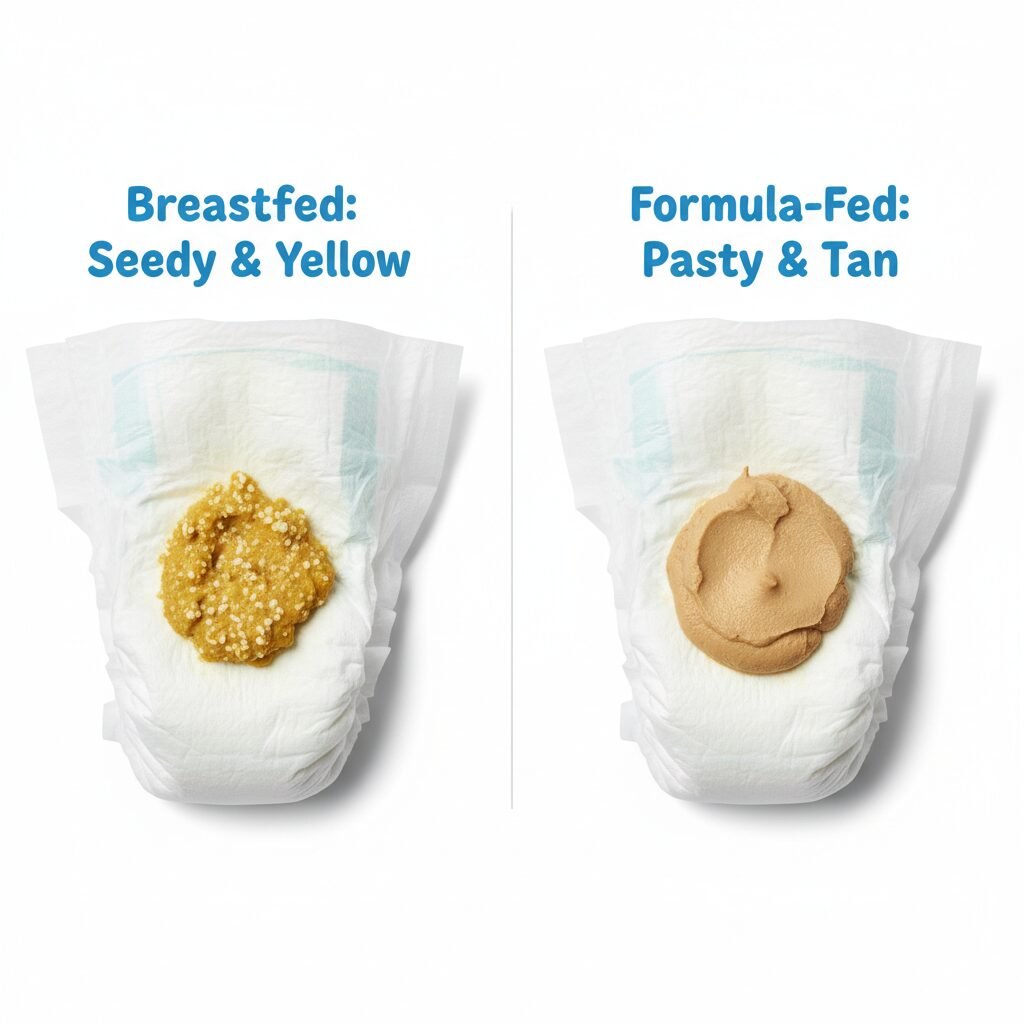
The poop of a breastfed baby is often a surprise to new parents. It’s typically a bright, mustard yellow color, though it can sometimes be greenish or orange. The texture is what really throws people off—it’s often loose, creamy, and may contain little white flecks that look like seeds. This is why it’s often described as ‘seedy’ or looking like Dijon mustard. These ‘seeds’ are simply undigested milk fat, and they are totally normal.
Breastfed poop usually has a mild, somewhat sweet smell, unlike the typical odor you associate with bowel movements. Your breastfed newborn might poop after every single feeding, or even more often. This is normal and a sign they are getting plenty of milk.
The Formula-Fed Baby
If your baby is on formula, their stools will be different. The consistency is generally thicker and more paste-like, often compared to the texture of peanut butter or hummus. The color can vary more widely than breastfed poop, ranging from pale yellow to a tan, brown, or greenish-brown shade. The iron in fortified formula can sometimes give the poop a dark green hue, which is also normal.
The smell is another key difference. Formula-fed poop has a stronger, more pungent odor that is closer to what you’d expect from an adult bowel movement. These babies also tend to poop a little less frequently than their breastfed counterparts, perhaps only one to four times a day.
Here’s a quick comparison to help you out:
| Feature | Breastfed Baby Poop | Formula-Fed Baby Poop |
|---|---|---|
| Color | Mustard yellow, sometimes orange or green | Tan, yellow-brown, or greenish-brown |
| Texture | Loose, creamy, seedy, sometimes watery | Pasty, like peanut butter or hummus |
| Frequency | Very frequent, often after every feed | 1 to 4 times per day, sometimes less |
| Smell | Mild, slightly sweet | More pungent, like adult stool |
A Guide to Concerning Textures
A Guide to Concerning Textures
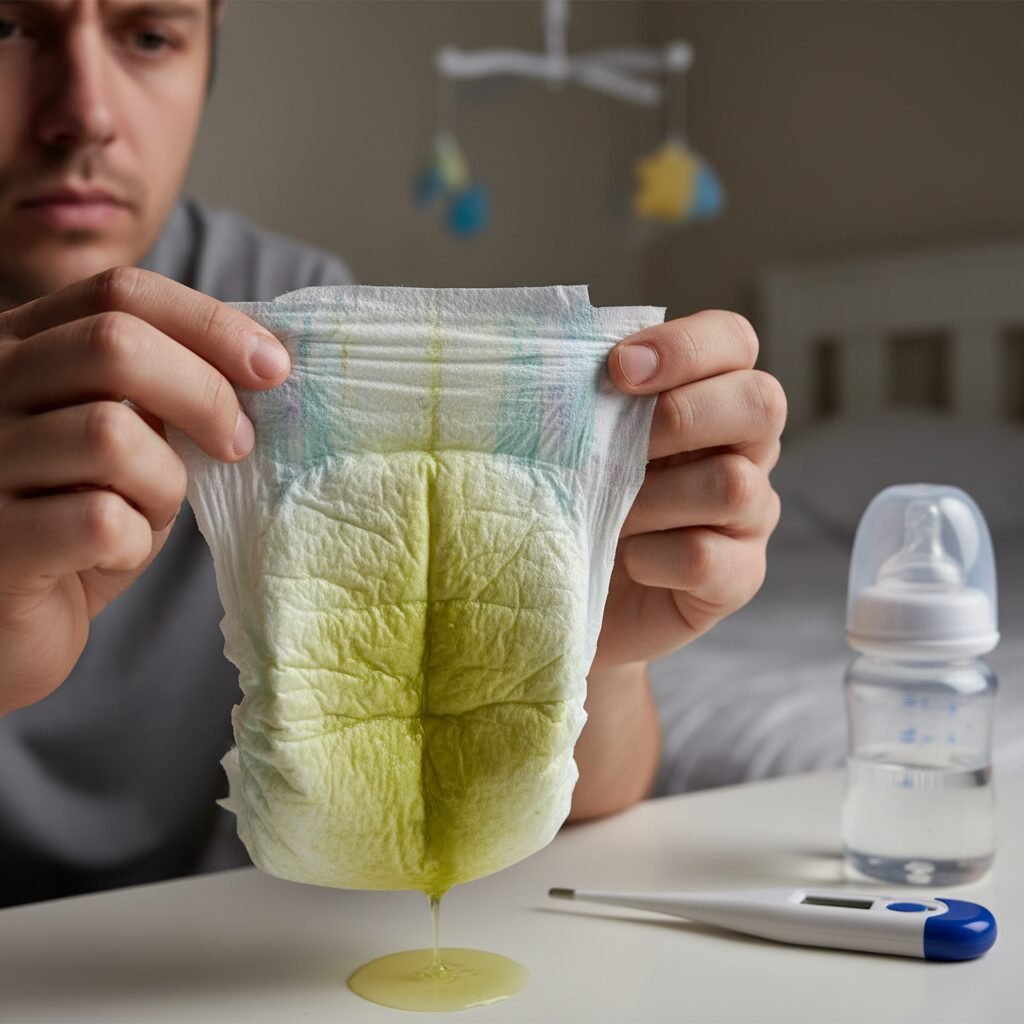
Now that you know the baseline, let’s talk about the textures that might make you pause during a diaper change. Some are just variations of normal, while others warrant a closer look.
Slimy or Mucusy Poop
Seeing streaks of green, slimy-looking mucus in the diaper can be alarming. Sometimes, this is perfectly harmless. If your baby is teething and drooling a lot, they are swallowing that extra saliva, and it can pass through their system as mucus in the stool. However, persistent mucus, especially when accompanied by other symptoms like fussiness or changes in feeding, can be a sign of something else. It could indicate an infection, or more commonly, a sensitivity or allergy to something in your diet (if you’re breastfeeding) or to the formula they are drinking.
Watery Poop (Diarrhea)
Newborn poop is naturally loose, so how can you tell if it’s diarrhea? True diarrhea will be very watery, seeming to soak right into the diaper. It will also be a significant increase in frequency—suddenly pooping much more often than their usual pattern. Diarrhea can be a sign of a viral or bacterial infection.
The biggest concern with diarrhea in an infant is dehydration. If you suspect your baby has diarrhea, especially if they also have a fever, are vomiting, or have fewer wet diapers, you should call your pediatrician right away.
Hard, Pebble-Like Poop (Constipation)
On the other end of the spectrum is constipation. This is less about frequency and more about consistency. A constipated baby will pass hard, dry, pellet-like stools. They may strain, cry, and seem very uncomfortable during a bowel movement. You might even see a small streak of bright red blood on the outside of the stool from a tiny tear (fissure) caused by passing the hard poop. While it’s less common in exclusively breastfed babies, it can happen, especially in formula-fed infants or when starting solid foods. If your baby is struggling with hard stools, it’s a good idea to chat with your doctor.
Frothy or Foamy Poop
Occasionally, you might open a diaper to find green, frothy, or foamy-looking poop. In a breastfed baby, this can sometimes be a sign of a foremilk/hindmilk imbalance. Foremilk is the thinner, more watery milk that comes at the beginning of a feeding, while hindmilk is the richer, fattier milk that comes later. If a baby fills up on too much foremilk (which is higher in lactose) and not enough hindmilk, it can cause gassiness and this frothy poop. This can happen if the baby has a short feeding or if mom has an oversupply. It’s usually easily corrected with some adjustments to breastfeeding technique, which a lactation consultant can help with.
The Poop Color Wheel: When to Worry
The Poop Color Wheel: When to Worry
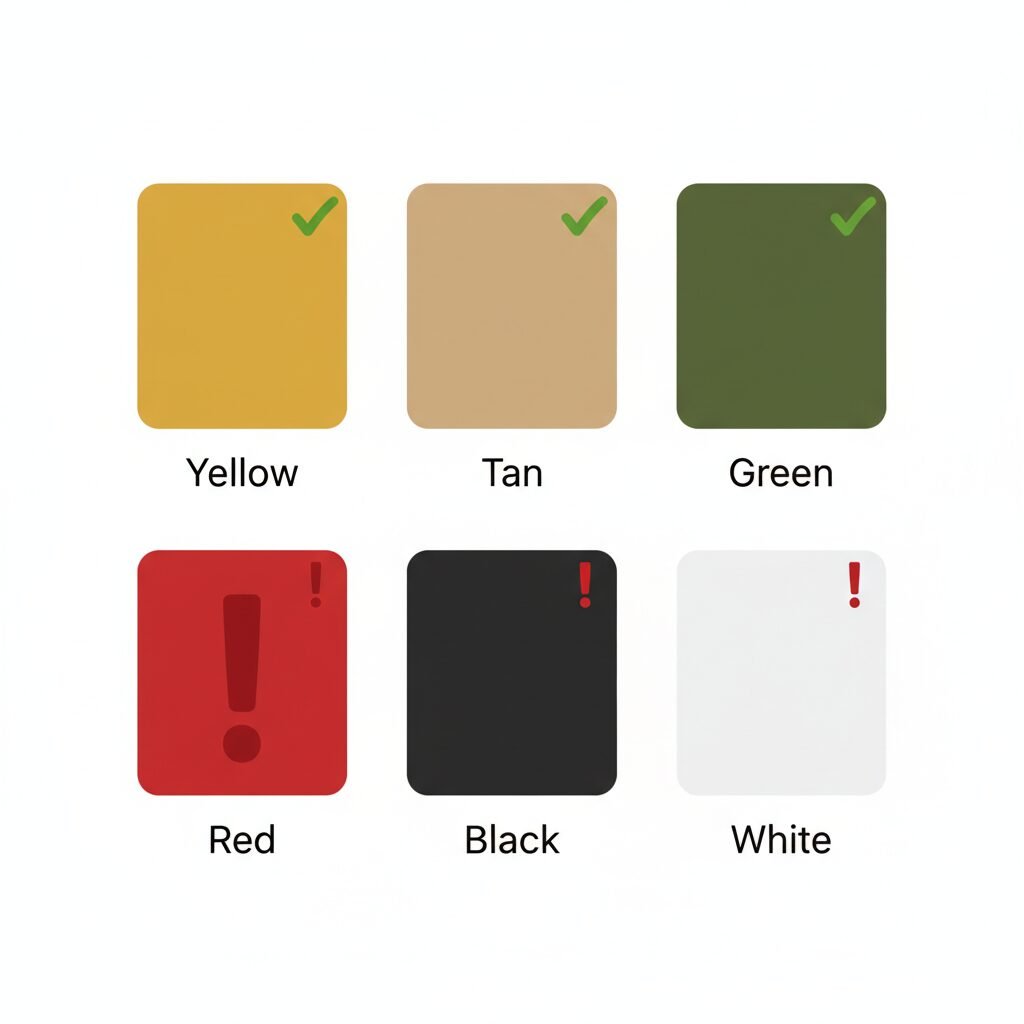
While texture tells a big part of the story, color is equally important. Most colors on the baby poop spectrum are perfectly fine, but there are a few that act as red flags and require immediate medical attention.
The ‘Good to Go’ Colors
- Yellow, Brown, and Tan: These are the classic, normal colors for both breastfed and formula-fed babies.
- Green: Green poop is very common and usually not a cause for concern. It can be caused by many things: iron in formula, a sensitivity to something mom ate, a stomach bug, or simply faster digestion. As long as your baby is happy and gaining weight, green is generally okay.
The ‘Call the Doctor’ Colors
There are three colors that should always prompt a call to your pediatrician. Don’t panic, but don’t wait and see, either. Just make the call.
| Color | What It Looks Like | What It Could Mean | Action to Take |
|---|---|---|---|
| Red | Streaks of bright red blood, or poop mixed with blood. | Blood in the stool. Could be from a small anal fissure (from constipation), a milk allergy, or an intestinal issue. | Call your pediatrician. If there is a large amount of blood, seek immediate care. |
| Black | Black and tarry (after the meconium stage has passed). | Digested blood from the upper GI tract. This is different from the dark green of iron-fortified formula. | Call your pediatrician immediately. |
| White, Gray, or Pale Yellow | Chalky white, clay-colored, or very pale yellow. | This is a major warning sign. It can indicate a serious problem with the liver or gallbladder, where bile is not being produced or is blocked. | This is a medical emergency. Call your pediatrician immediately. |
Remember this simple rule: any shade of brown, yellow, or green is usually fine. But red, black, or white poop always warrants a call to the doctor.
Your Diaper Detective Action Plan: When to Call the Pediatrician

Your Diaper Detective Action Plan: When to Call the Pediatrician
You’re now armed with a ton of information, but it can still feel overwhelming in the middle of a 3 a.m. diaper change. Let’s simplify it. Your intuition as a parent is powerful, and if you feel like something is wrong, you should always trust that feeling and call your doctor. It is always better to call and be told everything is fine than to wait and worry.
Here is a clear checklist of signs that mean it’s time to pick up the phone:
- Concerning Colors: Any sign of red, black (after meconium), or white/gray/chalky poop.
- Signs of Diarrhea: A sudden and significant increase in frequency, especially if the stools are extremely watery, for more than 24 hours.
- Signs of Dehydration: Fewer than six wet diapers in 24 hours, a dry mouth, crying without tears, or an unusually sunken soft spot (fontanelle) on their head.
- Signs of Constipation: Your baby is passing hard, dry, pebble-like stools and seems to be in significant pain while trying to poop.
- Persistent Mucus: Large amounts of mucus in the stool for several days, especially if accompanied by extreme fussiness, poor weight gain, or other signs of illness.
- Drastic, Unexplained Changes: Any sudden, major change from your baby’s established ‘normal’ pattern that lasts for more than a couple of days and is accompanied by changes in their mood, feeding, or sleep.
- Accompanying Symptoms: Poop changes combined with other worrisome symptoms like a fever, vomiting, refusing to eat, or extreme lethargy.
Your pediatrician’s office is there to help. They get calls about poop all day long—you will not be the first or the last! They can provide peace of mind or guide you on the next steps if needed.
Conclusion
Congratulations, you’ve completed Poop 101! While it might not be the most glamorous topic, understanding your baby’s digestive health is a huge part of caring for them in these early months. The most important takeaway is that there is a very wide range of ‘normal.’ From seedy to pasty, yellow to green, your baby will establish their own unique pattern.
Your job isn’t to diagnose, but to observe. You are the expert on your baby. By paying attention to their diapers, you’ll quickly learn their baseline. When things change, you’ll be the first to notice. Remember to trust your gut. If a diaper’s contents ever make you feel truly worried, a quick call to your pediatrician is the best way to find peace of mind. You’re doing an amazing job, and this attention to detail is just one more sign of what a wonderful, caring parent you are. You’ve got this!