Stop The Leaks! The Hidden Signs Your Baby Is Wearing The Wrong Diaper Size
Hey there, amazing new parents. Welcome to the club! If you’re reading this, chances are you’ve experienced the dreaded diaper disaster. You know the one: you’ve just wrestled your little one into a clean, adorable outfit, you’re feeling on top of the world, and then you spot it. That telltale wet spot spreading across their back or creeping down their leg. It’s a moment that can make even the most patient parent sigh. Before you blame the diaper brand or question your own changing skills, let me, as a pediatric nurse who has seen it all, let you in on a little secret: more often than not, the culprit is simply the wrong diaper size. It’s one of the most common and easily fixable issues new parents face. So take a deep breath, grab a cup of coffee (or just reheat yesterday’s for the third time), and let’s become diaper-fit detectives together. We’re going to stop those leaks in their tracks!
Why Diaper Size is More Than Just a Number on the Box

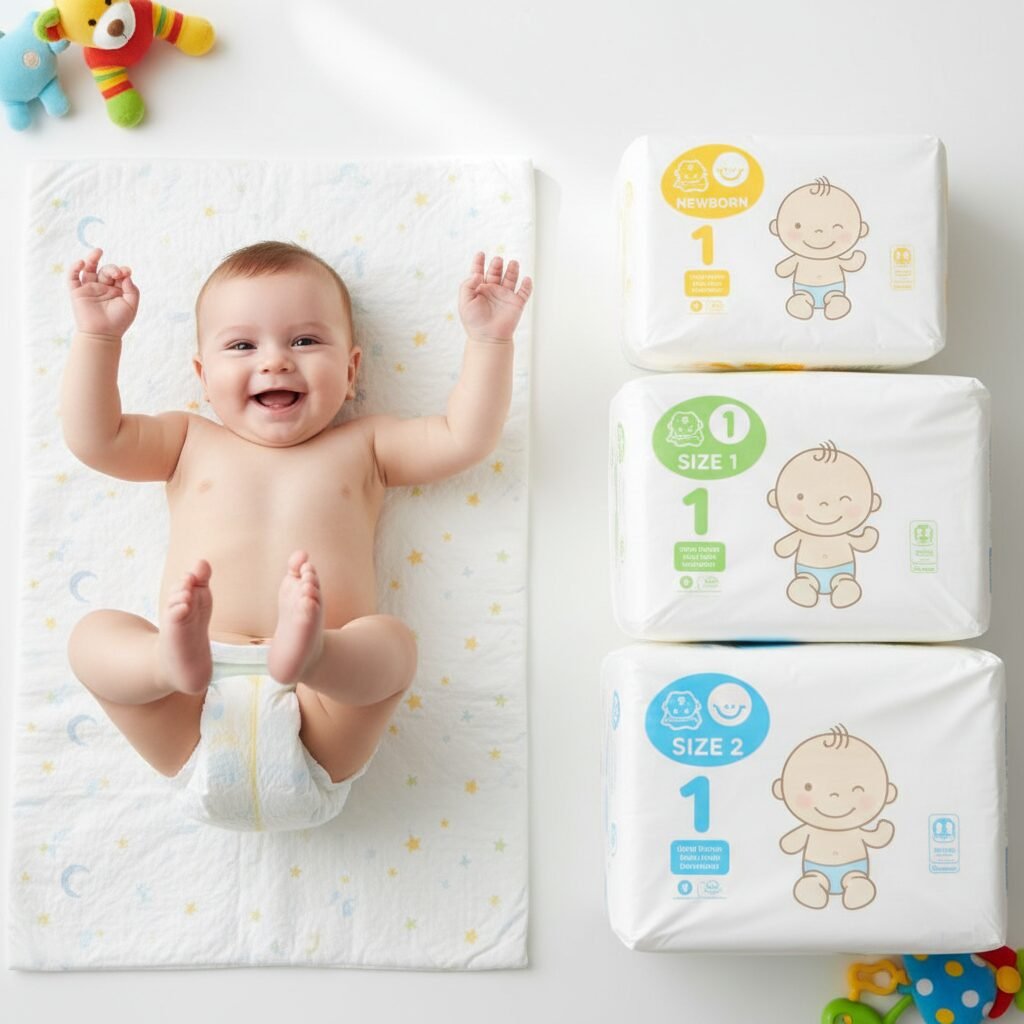
When you’re standing in the baby aisle, staring at a wall of diapers, it’s easy to just grab the box that matches your baby’s current weight. And that’s a great starting point! But here’s the thing: those weight ranges are just averages. Think of it like buying jeans for yourself—two people who weigh the same can have completely different body shapes, right? The same is true for our babies!
One eight-pound newborn might be long and lean, while another is adorably round with the chubbiest little thighs. They both fall into the ‘Newborn’ or ‘Size 1’ weight category, but their diaper fit needs could be totally different. Brand variations also play a huge role. One brand’s Size 1 might be cut wider, while another’s is longer. It’s not about one being ‘better’ than the other; it’s about finding the brand and size that best hugs your unique baby’s shape.
A Nurse’s Tip: Don’t feel locked into one brand! It’s perfectly okay to experiment. What worked for your friend’s baby might not be the magic bullet for yours. Your baby’s shape will also change as they grow, so the perfect fit today might need re-evaluating in a few weeks.
Understanding that sizing is more of an art than an exact science is the first step to conquering leaks. It’s about observing your baby and looking for the clues they’re giving you with every single diaper change.
The Telltale Signs of a Diaper That’s Too Small
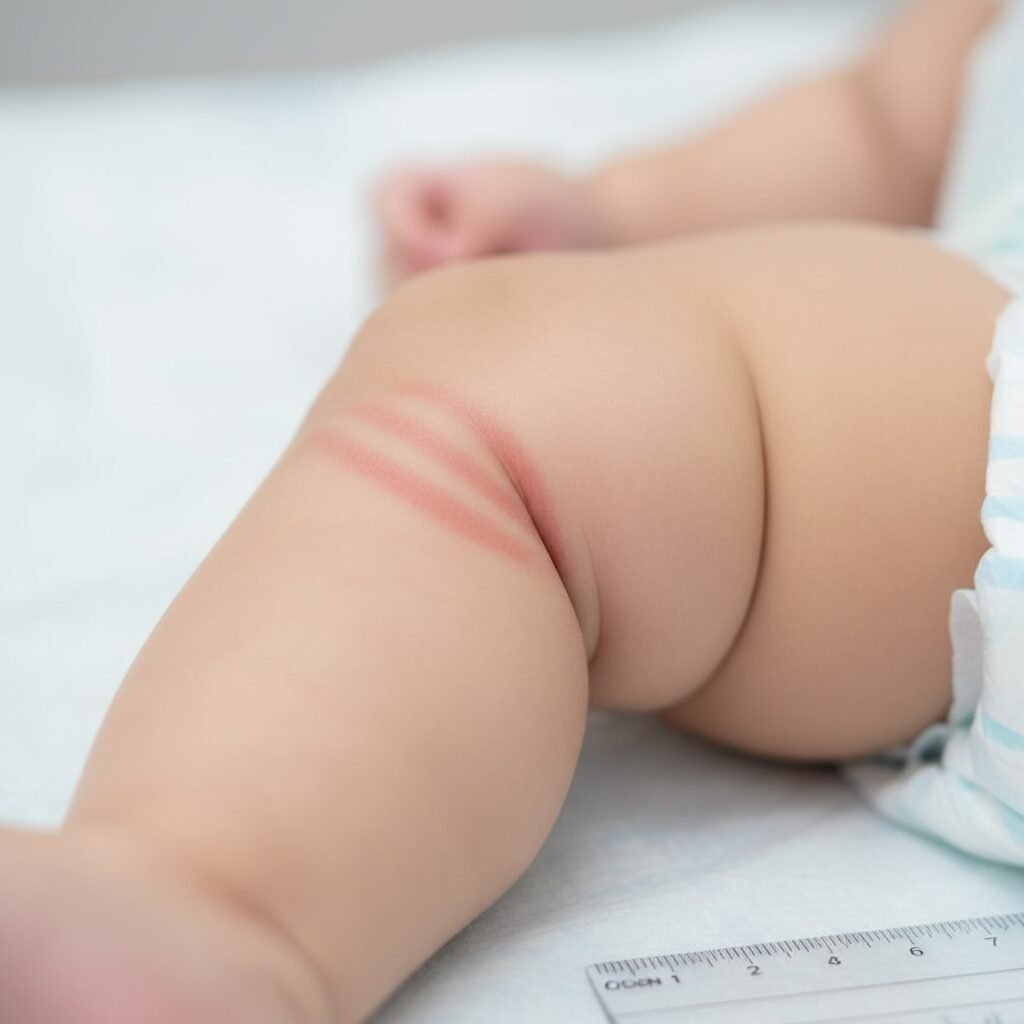
A diaper that’s too snug is a recipe for disaster. It can’t absorb effectively, and the pressure can cause some serious leaks (and discomfort for your little one!). You might think it’s obvious, but some of the signs are surprisingly subtle. Here are the key things to watch for:
- Red Marks: After you take the diaper off, look at your baby’s waist and thighs. Are there angry-looking red marks or indentations? That’s a classic sign the diaper is digging in and is way too tight. A little pinkness that fades quickly is normal, but deep grooves are a red flag.
- The ‘Muffin Top’ Effect: Does it look like your baby’s tummy is spilling over the top of the diaper waistband? This means the diaper’s rise is too low and can’t provide adequate coverage, especially when they’re sitting up.
- Struggling with the Tabs: Are you having to pull the fastener tabs with all your might just to get them to reach the landing strip on the front? Do they pop open? The tabs should fasten comfortably in the designated zone without any straining.
- Constant Up-the-Back Blowouts: This is the big one. If you’re consistently dealing with poop escaping up your baby’s back, it’s almost always because there isn’t enough room in the diaper’s ‘seat’ to contain the mess. The diaper is too small to handle the volume.
- It Just Looks Small: Sometimes you just have to trust your gut. Does the diaper look more like a bikini bottom than a full-coverage brief? If it’s not covering their entire bottom, it’s time to size up.
The Sneaky Clues Your Baby’s Diaper is Too Big
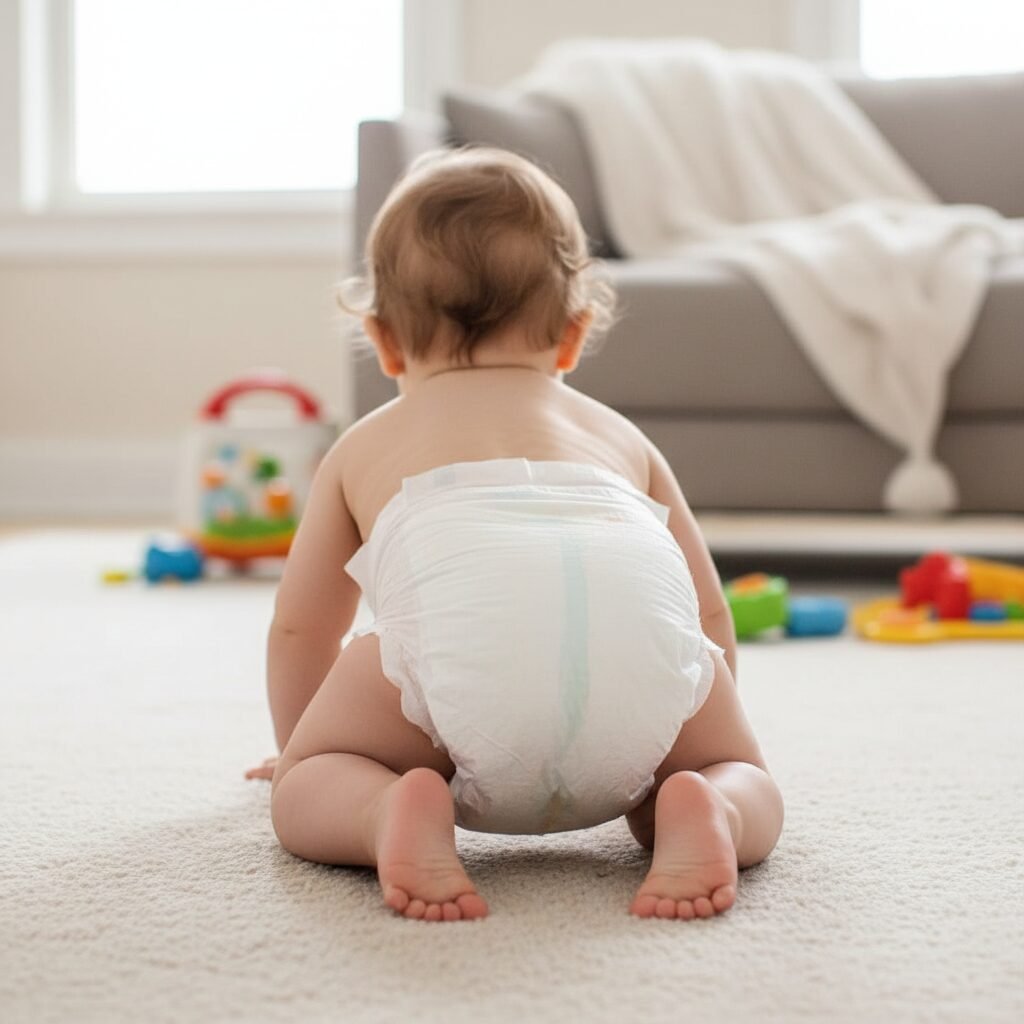
In an effort to prevent a too-tight fit, many parents accidentally go too far in the other direction. But a diaper that’s too big is just as problematic, creating gaps that are perfect escape routes for pee and poop. Here’s how to spot a diaper that’s way too roomy:
- Major Gaps: This is the most obvious sign. When the diaper is on, gently run your finger around the leg cuffs and the waistband. Can you easily fit more than two fingers in the waistband? Are there visible gaps around their little legs? If you can see daylight, you’re inviting leaks.
- The Saggy Bottom: Does the diaper hang low, especially when it’s only a little wet? A properly fitting diaper should stay snug against your baby’s bottom. A saggy diaper means the core isn’t in the right place to absorb liquid effectively.
- Leaks From a Barely-Wet Diaper: This is a confusing one for many parents. If you’re changing a diaper that feels mostly dry but your baby’s clothes are wet, it’s likely because the pee escaped through the leg gaps before it even had a chance to be absorbed.
- The Tabs Overlap: When you fasten the diaper, do the tabs have to be pulled so far that they overlap each other? This means the waist is far too large. The tabs should fasten symmetrically on the front panel.
- It Reaches the Ribs: A diaper that’s too big will often be excessively high, sometimes reaching all the way up to your baby’s belly button or even higher. The waistband should sit comfortably just at or slightly below the navel.
The Ultimate Diaper Fit Checklist: Your 5-Step Guide

Okay, let’s put it all together! The next time you change a diaper, run through this quick mental checklist. It will become second nature in no time and will save you so much guesswork (and laundry!).
- Check the Waistband: Fasten the diaper so it’s snug, but not tight. You should be able to comfortably slide two fingers between the diaper and your baby’s tummy. This ensures it’s secure without restricting their breathing or movement.
- Inspect the Leg Cuffs: The elasticized edges around the legs are your primary line of defense against leaks. Make sure they are gently hugging your baby’s legs and bottom without any gaps.
- Fluff the Ruffles: This is a pro-tip that so many parents miss! Every disposable diaper has two sets of barriers around the legs: an inner one and an outer ‘ruffle’. After the diaper is on, run your finger around the leg openings to make sure those outer ruffles are pulled out, not tucked in. Tucked-in ruffles are a direct channel for leaks.
- Assess the Coverage: Look at your baby from the back. The diaper should cover their bottom completely. The top of the back panel should sit at about waist-level.
- Location, Location, Location: The absorbent part of the diaper should be positioned directly under your baby where it’s needed most. For boys, ensure their penis is pointing down inside the diaper before you close it up to prevent leaks over the top of the waistband.
Beyond the Size: Other Common Culprits for Leaky Diapers
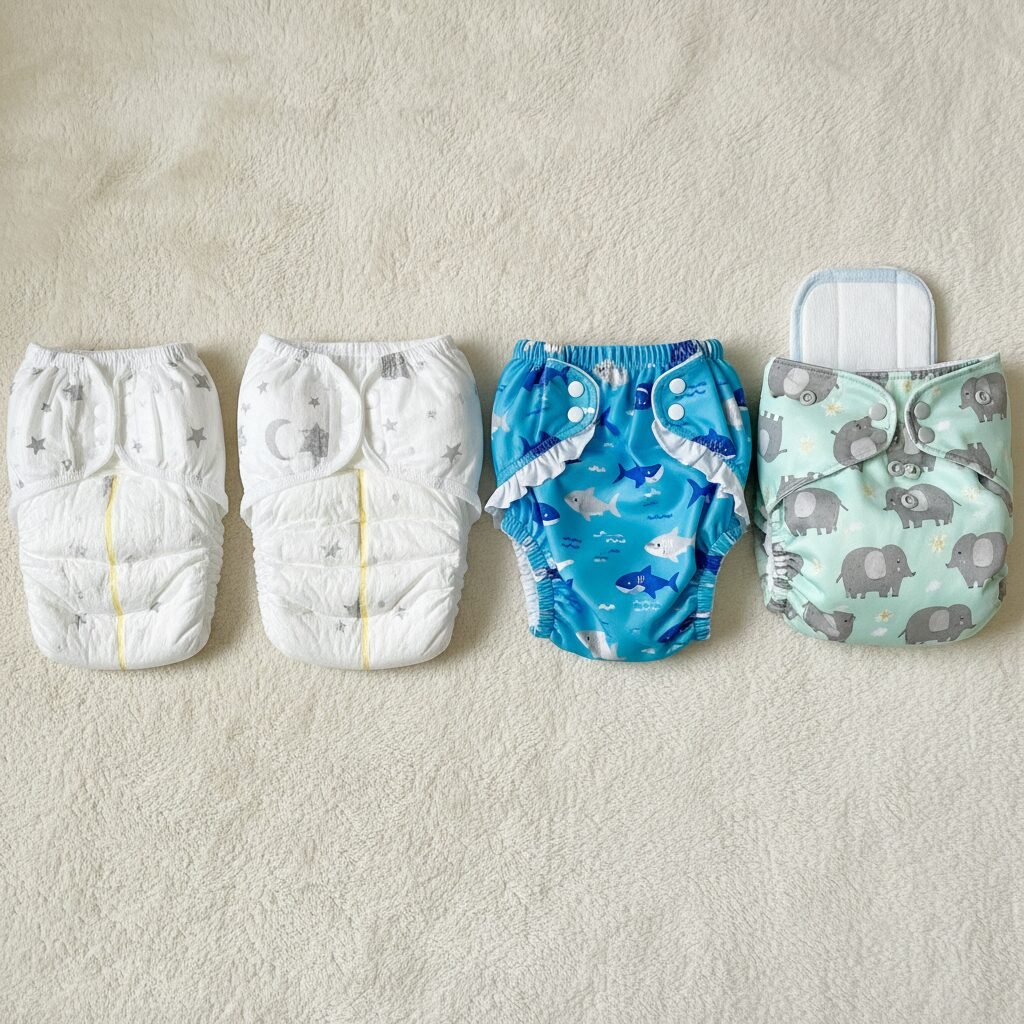
You’ve mastered the fit checklist, you’re confident you have the right size, but you’re still getting the occasional leak. What gives? Sometimes, other factors are at play. Before you throw the whole pack of diapers away in frustration, consider these other potential culprits:
| Potential Issue | What to Look For & How to Solve It |
|---|---|
| Brand Mismatch | As we discussed, some brands are cut wider, some narrower. If you have a long, skinny baby, a brand known for being trim might work better. If you have a roly-poly baby, a brand with more generous sizing and stretchier sides might be the answer. Try a small pack of a different brand to compare. |
| Absorption Needs | Is your baby a ‘heavy wetter,’ especially overnight? A standard daytime diaper might not be able to keep up. This is where overnight diapers are a game-changer. They are far more absorbent and designed to last for a longer stretch. |
| The ‘Compression’ Leak | This often happens in the car seat. The straps can put pressure on a full diaper, essentially squeezing the liquid out. If car seat leaks are a frequent problem, try changing your baby into a fresh, dry diaper right before you head out, even if their current one isn’t totally full. |
| Timing is Everything | As newborns, they need changing very frequently (every 2-3 hours). As they get older, they can go longer, but a diaper can only hold so much! A leak might just be a simple sign that it was on for a little too long. |
Conclusion
Finding the right diaper fit is a journey, not a destination. Your baby is growing and changing every single day, and their diapering needs will change right along with them. Please, don’t ever feel like a leak is a personal failure—it is a universal part of the new-parent experience. Think of every leak not as a mess, but as a clue that helps you learn more about your baby’s needs. By paying attention to these little signs, you can stay one step ahead of the leaks, keep your baby comfortable, and maybe, just maybe, do a little less laundry. You’ve got this!