The $10 Hack That Saves Hours Of Bottle Prep Time
Hey there, new parent. Let’s talk about 3 AM. Your beautiful baby is wide awake and letting you know, in no uncertain terms, that they are hungry. You stumble into the kitchen, bleary-eyed, trying to remember: was it one scoop or two? Where is the scoop anyway? You’re fumbling with a can of formula, trying to level it off perfectly, spilling a little powder on the counter, all while the cries from the nursery get a little more insistent. It’s a scene that plays out in homes everywhere, a nightly ritual that can feel overwhelming and exhausting.
Preparing bottles one by one feels like a never-ending cycle. The washing, sterilizing, measuring, mixing, and warming… it’s practically a full-time job on its own. What if I told you there was a way to press pause on that constant scramble? A way to prepare a full day’s worth of bottles in about five minutes, freeing you up for more snuggles, more sleep, or even just a quiet moment to sip your coffee while it’s still hot? And what if I told you this magical solution costs less than a couple of fancy lattes? As a pediatric nurse and lactation consultant, I’ve shared countless tips with tired parents, but this is one of my all-time favorites. Get ready to meet your new best friend in the kitchen.
The 3 AM Scramble: Why Bottle Prep Feels Like a Full-Time Job
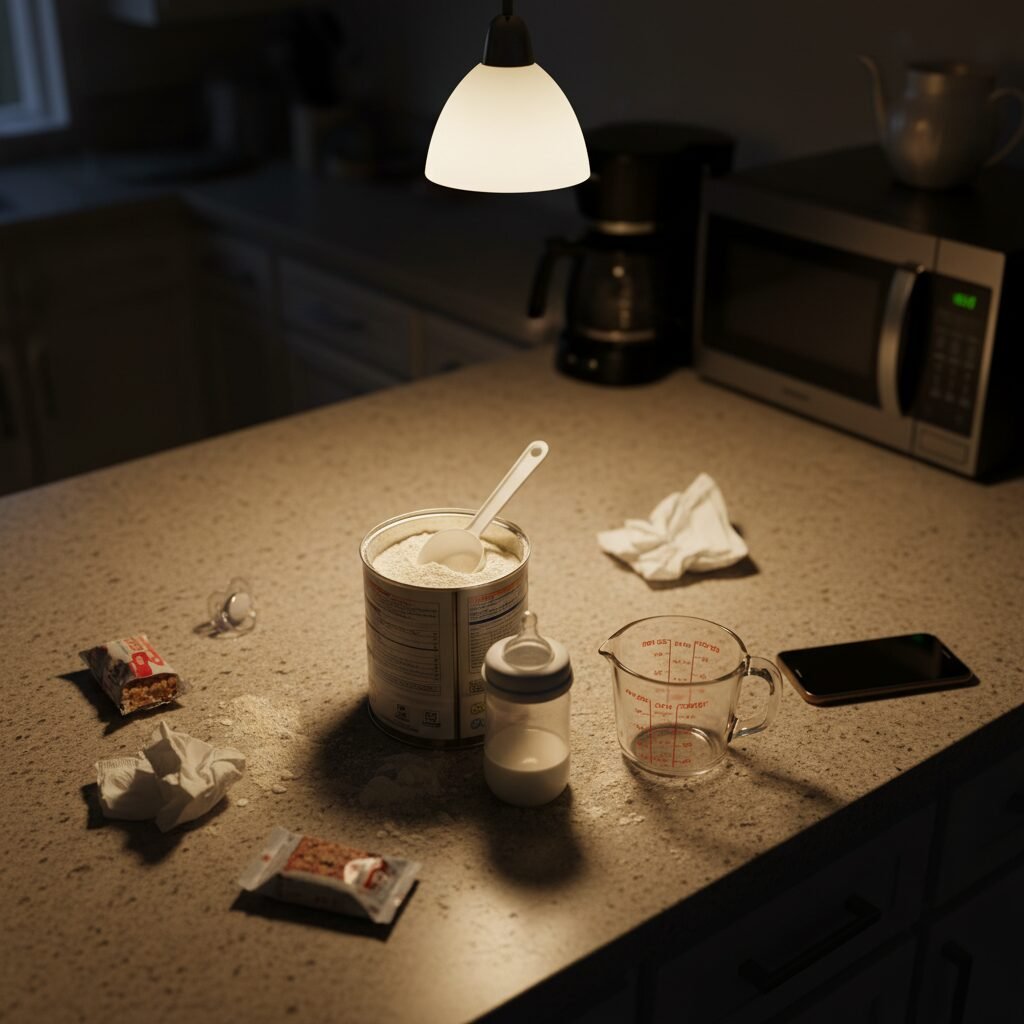
If you’re a formula-feeding parent, you know the drill. Every two to four hours, the timer goes off, and the bottle-making process begins. It’s not just about the time it takes; it’s the mental energy it consumes, especially when you’re already running on empty. Let’s break down the ‘per-bottle’ process that feels so draining:
- The Waterworks: First, you need safe, temperature-appropriate water. Are you using distilled water, purified water, or water boiled and cooled? You measure it carefully into a clean bottle, trying not to spill.
- The Scoop-a-Thon: Next comes the formula. You dig for the tiny plastic scoop, carefully level it off against the side of the can, and dump it into the bottle, hoping you don’t lose count. For a 4-ounce bottle, that’s two scoops. For a 6-ounce, it’s three. In the middle of the night, simple math can feel like advanced calculus.
- The Shake-Up: Now it’s time to mix. You shake, and you shake, and you shake, trying to dissolve every last clump. This often creates a frothy head of air bubbles, which can be a one-way ticket to a gassy, fussy baby.
- The Waiting Game: If your baby prefers a warm bottle, you’re now standing by the bottle warmer, tapping your foot, listening to your hungry baby’s cries escalate. It feels like the longest five minutes of your life.
Multiply this process by 8-12 feedings a day, and it’s easy to see how you’re losing hours. It’s repetitive, relentless, and has to be done perfectly every single time for your baby’s health. This isn’t just an inconvenience; it’s a significant source of stress and sleep deprivation for new parents who are already juggling so much. The constant cycle can make you feel more like a short-order cook than a parent enjoying precious moments with their newborn.
Your New Best Friend: The $10 Tool That Changes Everything
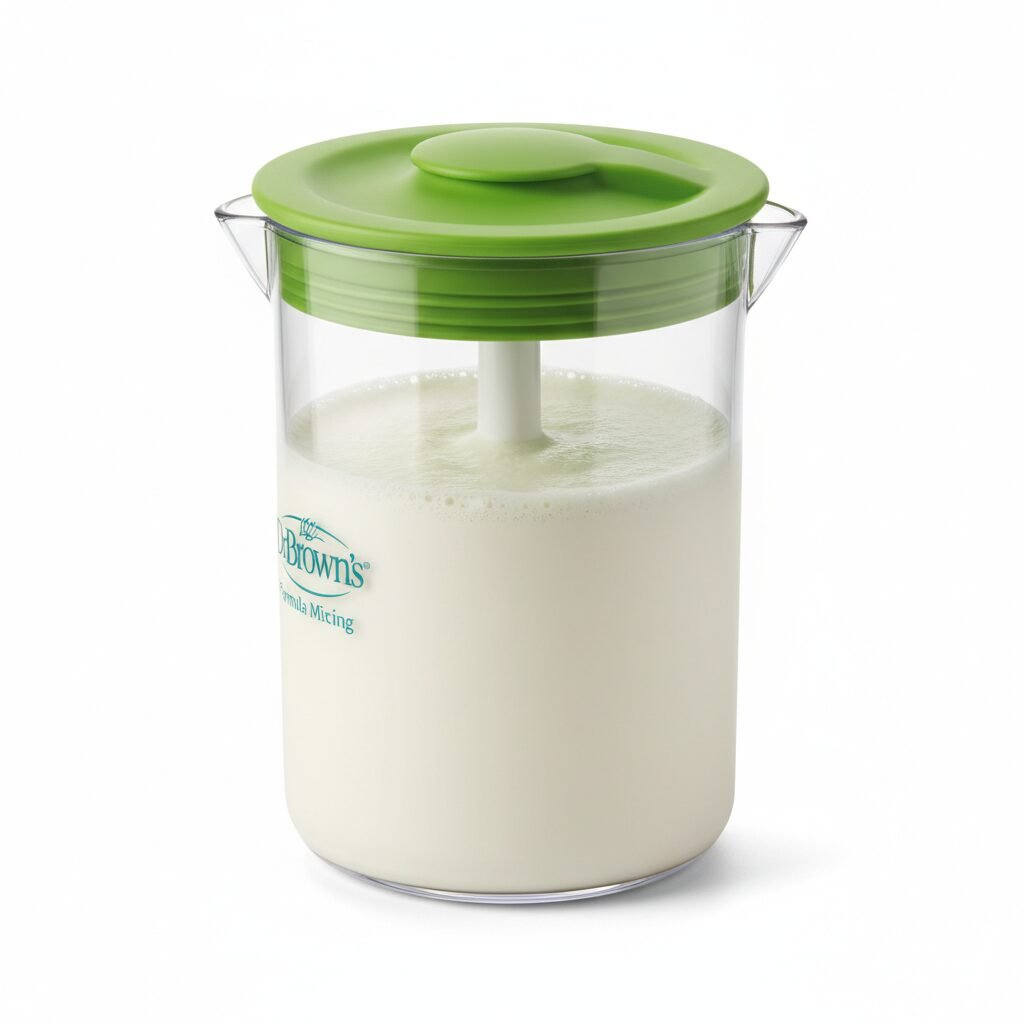
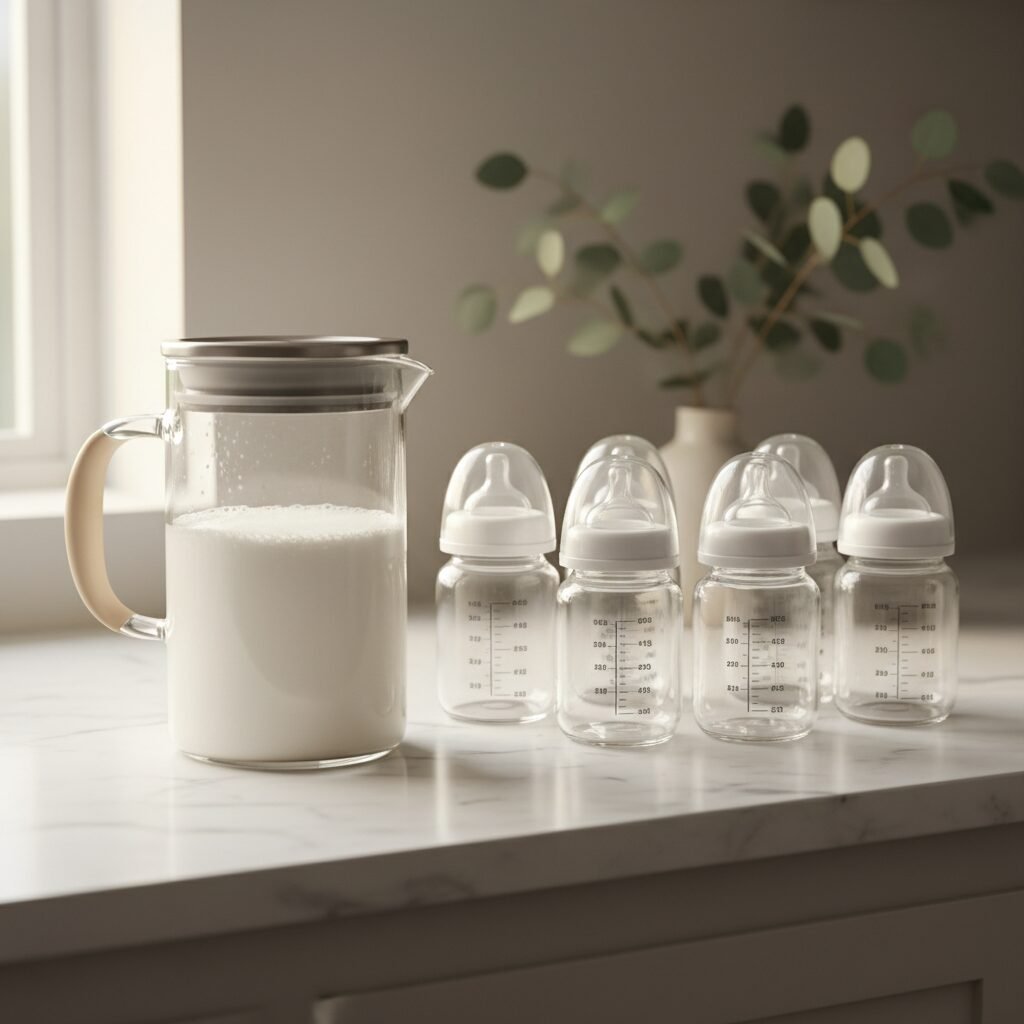
Okay, are you ready for the big reveal? The secret weapon in the war against bottle-prep fatigue is… a formula mixing pitcher. Yes, it’s that simple. It’s a dedicated pitcher, usually holding about 32 ounces, designed specifically for mixing a large batch of powdered formula at once. The most popular one on the market, from Dr. Brown’s, typically costs around $10. It’s one of the cheapest, yet most impactful, pieces of baby gear you can own.
How does it work? Instead of making bottles one at a time, you use the pitcher to prepare an entire 24-hour supply of formula in one go. You measure the total amount of water your baby will need for the day, add the corresponding number of formula scoops, and then use the pitcher’s unique mixing mechanism to blend it all together smoothly and quickly. The result is a full day’s worth of perfectly mixed, clump-free formula, ready to be poured and served whenever your baby is hungry.
Why is this so revolutionary? It transforms bottle feeding from a reactive, on-demand chore into a proactive, five-minute task you do once a day. The mental load of ‘Did I count the scoops right?’ vanishes. The middle-of-the-night scramble is replaced by a simple trip to the fridge.
This single, inexpensive tool effectively buys you back hours of your time and, more importantly, peace of mind. It streamlines your routine, reduces stress, and makes it incredibly easy for a partner, grandparent, or caregiver to step in and handle a feeding without a complicated tutorial.
How to Master the Pitcher Method: A Simple Step-by-Step Guide
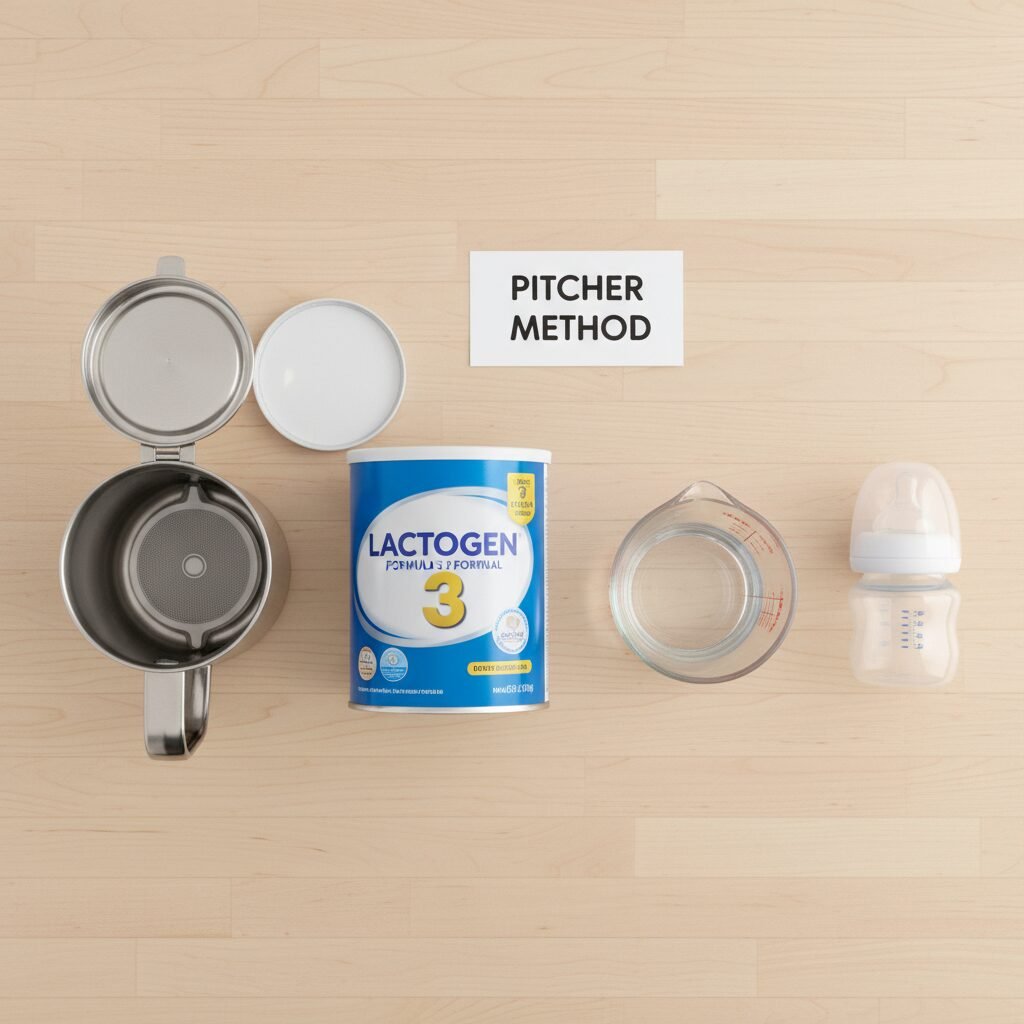
Ready to reclaim your time? Using a formula pitcher is incredibly easy, but following a few simple steps will ensure you’re doing it safely and efficiently. Here’s your complete guide:
1. Gather Your Supplies
Before you start, make sure you have everything clean and ready to go. You’ll need:
- Your formula mixing pitcher (washed and dried)
- Your baby’s powdered formula
- Safe, purified, or distilled water
- A liquid measuring cup
- Clean, empty bottles for the day
2. Calculate Your 24-Hour Needs
First, figure out how much formula your baby typically eats in a 24-hour period. If you’re not sure, a good rule of thumb is to multiply your baby’s weight in pounds by 2.5. This gives you a rough estimate of the total ounces they need per day. Always check with your pediatrician for guidance specific to your baby.
| Baby’s Typical Feeding | Number of Feedings per Day | Total Ounces for 24 Hours | Total Scoops of Formula |
|---|---|---|---|
| 4 ounces | 8 | 32 ounces | 16 scoops |
| 5 ounces | 7 | 35 ounces | 17.5 scoops |
| 6 ounces | 6 | 36 ounces | 18 scoops |
Note: Most standard formula instructions are 1 scoop for every 2 ounces of water. Always check the directions on your specific formula can.
3. Mix It Up (The Right Way!)
This is the most important step for avoiding clumps and ensuring proper concentration.
- Water First: Pour the total amount of water you calculated into the pitcher first. Doing this before adding the powder is key to a smooth mix.
- Add the Powder: Next, add the correct number of level scoops of formula powder on top of the water.
- Plunge and Mix: Put the lid on securely. Most pitchers have a plunger-style mixer. Pump it up and down for about 15-20 seconds, or until all the powder is completely dissolved. The blade at the bottom will stop clumps from forming and the design helps minimize air bubbles.
4. Store and Serve
Once mixed, your work is done! Place the pitcher in the refrigerator immediately. It is safe to use for up to 24 hours.
When your baby is hungry:
- Pour the desired amount from the pitcher into a clean bottle.
- Warm the bottle as you normally would (or serve cold if your baby prefers it!).
- Give the bottle a gentle swirl before feeding, as some separation can be normal.
That’s it! You’ve just turned 8-12 daily chores into one simple, five-minute task.
Safety First! Keeping Your Little One Safe with Batch Prepping
As a nurse, safety is always my number one priority. While the pitcher method is a fantastic time-saver, it’s crucial to follow food safety guidelines to protect your baby’s developing immune system. Convenience should never come at the expense of safety.
Hygiene is Non-Negotiable
Your pitcher and all its parts must be treated with the same care as your baby’s bottles.
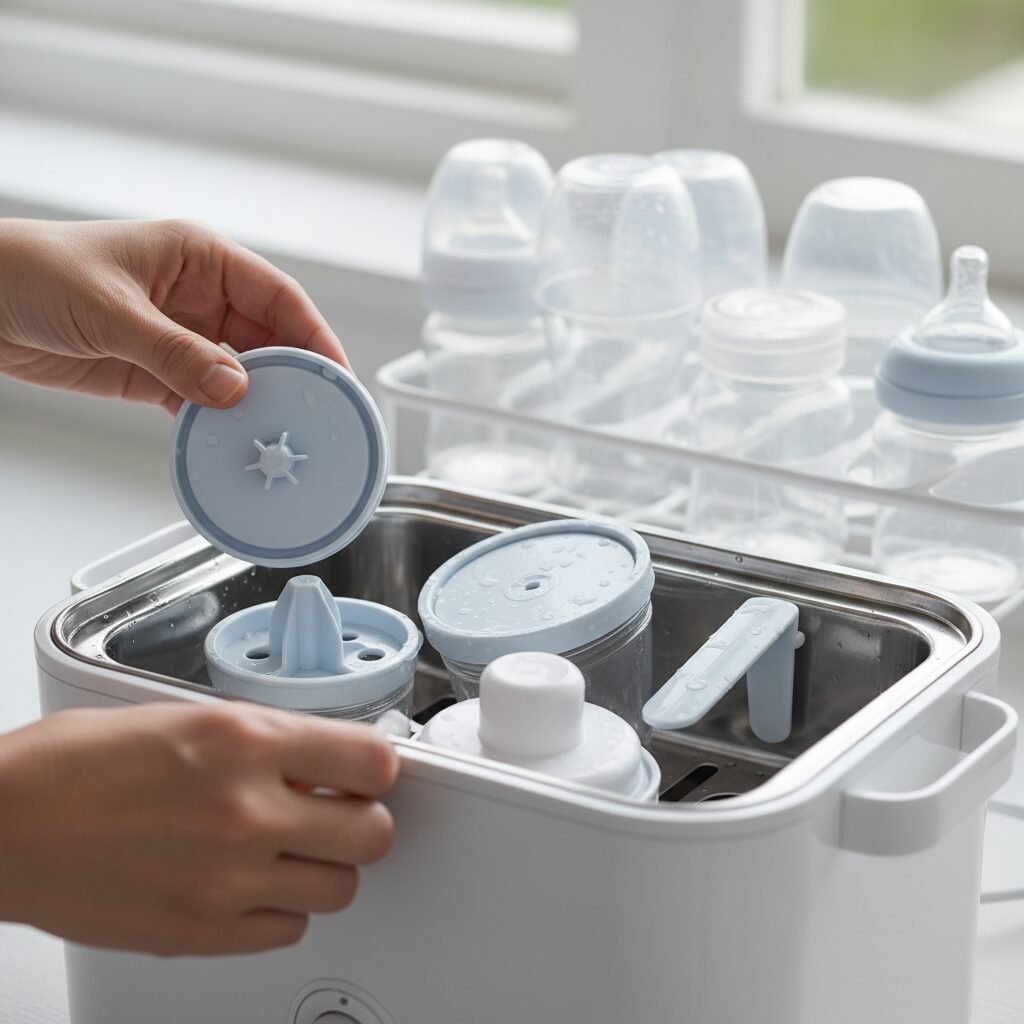
- Wash Thoroughly: After each 24-hour batch is finished, take the pitcher completely apart and wash all pieces in hot, soapy water. Use a bottle brush to get into all the nooks and crannies.
- Sterilize Regularly: Just like with bottles, it’s a good idea to sterilize your pitcher regularly, especially for newborns or premature infants. Follow the manufacturer’s instructions; most are top-rack dishwasher safe or can be sterilized in a standard sterilizer.
- Clean Workspace: Always prepare your formula on a clean and disinfected countertop, and wash your hands thoroughly with soap and water before you begin.
The Golden Rules of Formula Storage
Prepared formula is a perfect environment for bacteria to grow if not handled correctly. Memorize these two rules:
The 24-Hour Rule: A batch of formula prepared in a pitcher and stored in the refrigerator is good for a maximum of 24 hours from the time it was mixed. Never top it off; always start fresh with a clean pitcher each day. I recommend writing the time you mixed it on a piece of masking tape on the pitcher.
The 1-Hour Rule: Once your baby starts drinking from a bottle, the timer starts. Any formula left in the bottle after one hour must be discarded. Bacteria from your baby’s mouth can travel into the bottle and multiply, making it unsafe to save for later.
Water Wisdom
The water you use is just as important as the formula. For infants, especially those under three months old, it’s recommended to use distilled or purified water, or tap water that has been brought to a rolling boil for one minute and then cooled to room temperature before mixing. This ensures it’s free from any potentially harmful microorganisms. Always check with your pediatrician about the best water source for your baby in your area.
More Than Just Time: The Unexpected Perks of the Pitcher Hack

The most obvious benefit of the pitcher method is getting back precious hours in your day, but parents who make the switch often rave about other, more surprising advantages. It’s not just about efficiency; it can actually make feeding a better experience for both you and your baby.
A Happier Tummy: Fewer Bubbles, Less Gas
When you frantically shake a bottle to mix it, you’re whipping a ton of air into the formula. These air bubbles can then be swallowed by your baby, leading to painful gas, fussiness, and spit-up. The gentle plunging mechanism of a formula pitcher is designed to mix thoroughly without creating foam and bubbles. Furthermore, letting the formula sit and settle in the fridge for a few hours allows any remaining bubbles to dissipate. Many parents report a noticeable decrease in their baby’s gassiness after switching to this method.
Perfect Consistency, Every Time
In a sleep-deprived state, it’s easy to miscount scoops or not level them off perfectly. This can lead to formula that is too concentrated (which can cause dehydration) or too diluted (which can lead to inadequate nutrition). Batch prepping removes the guesswork. You’re focused once a day, ensuring the water-to-powder ratio is exact, providing your baby with consistent and safe nutrition in every single bottle.
It Takes a Village (and Now They Can Help!)
Explaining the bottle-making process to a partner, grandparent, or babysitter can be a chore in itself. With the pitcher method, the instructions become wonderfully simple: “The formula is in the pitcher in the fridge. Just pour four ounces into a bottle and warm it up.” This makes it so much easier for others to confidently and correctly feed the baby, giving you a much-needed break.
From Chore to Calm: Reducing Parental Stress
Ultimately, this hack is about reducing stress. It eliminates a major source of repetitive, time-sensitive work from your daily plate. Knowing that a perfectly prepared bottle is always ready and waiting allows you to be more present and responsive to your baby’s needs, turning feeding time from a frantic task into a peaceful moment of connection and bonding.
Conclusion
Being a new parent is a beautiful, chaotic, and often exhausting journey. In a world of expensive baby gadgets that promise to make life easier, it’s refreshing to find a solution that is genuinely transformative and costs less than a pizza. The formula mixing pitcher isn’t just a piece of plastic; it’s a tool that gives you back time, reduces your mental load, and can even result in a happier, less gassy baby. It’s about working smarter, not harder, so you can spend less time in the kitchen and more time staring in awe at the tiny human you created.
So, give this $10 hack a try. Streamline your routine, simplify your nights, and reclaim a little bit of calm in the whirlwind of new parenthood. You’ve got this, and every little trick that makes the day smoother is a win worth celebrating.