Is Powdered Formula Safe For Newborns? What Doctors Won’t Tell You
Hey there, new parent. Take a deep breath. I know that standing in the baby aisle, staring at a wall of formula options, can feel like one of the biggest decisions you’ll ever make. And when you hear whispers that powdered formula might not be safe for your tiny newborn, it’s enough to send your anxiety into overdrive. I get it. As a pediatric nurse and lactation consultant, I’ve sat with countless parents just like you, sorting through the noise to find the facts.
So let’s clear the air right away: Yes, for most healthy, full-term newborns, powdered formula is absolutely a safe and nutritious option. The key—and this is the part that sometimes gets lost in translation between the doctor’s office and your 3 AM kitchen session—is in how you prepare it. There’s a crucial, simple process that ensures every bottle is as safe as possible. This isn’t about scaring you; it’s about empowering you. We’re going to walk through the ‘why’ behind the rules and the step-by-step ‘how’ so you can feel confident and in control. You’ve got this.
The Honest Truth: Why Is Powdered Formula Even a Question?
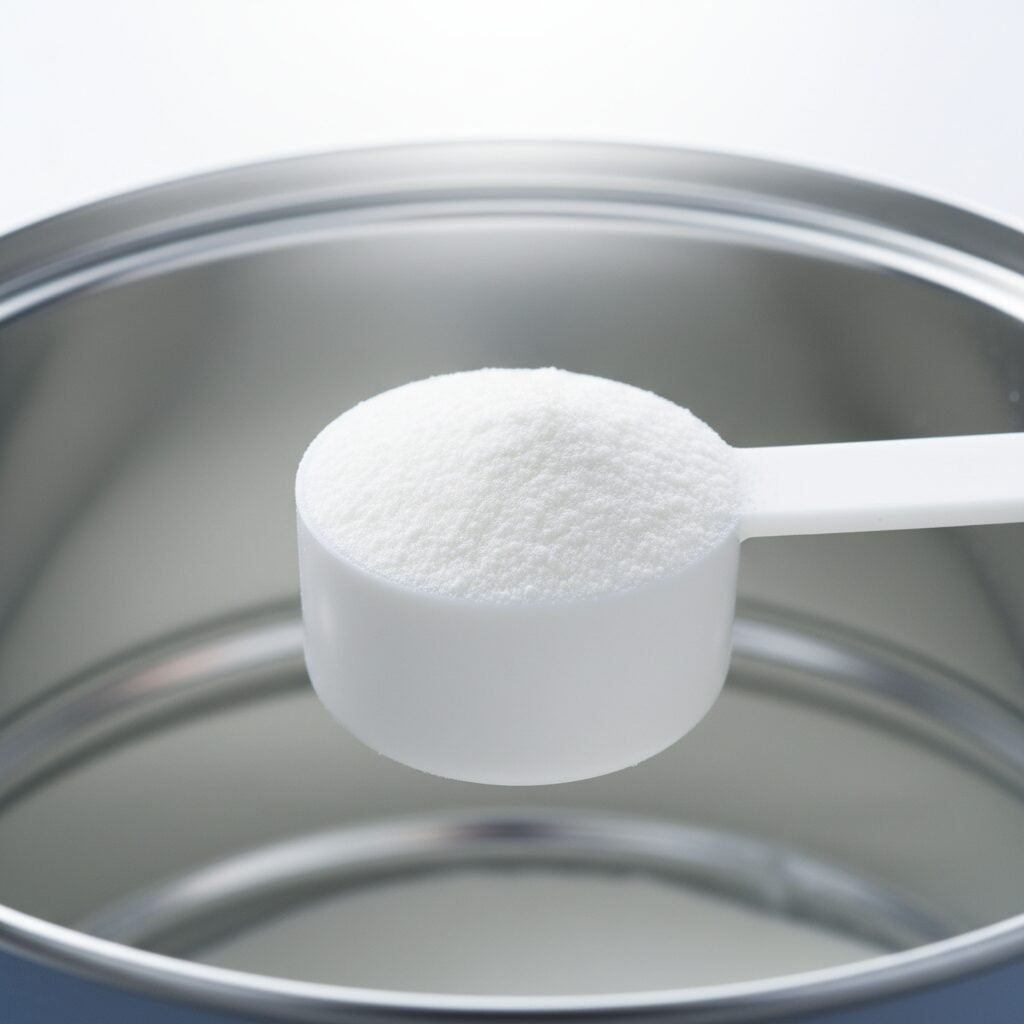
First, let’s talk about the elephant in the room. Why is there any concern at all? The simple fact is that powdered infant formula, unlike its liquid counterparts, is not sterile. During the manufacturing process, it’s possible for it to pick up germs from the environment. The main bacteria of concern is a rare but nasty one called Cronobacter sakazakii.
Now, before you panic and throw out the can, let’s put this in perspective. The risk of a Cronobacter infection is extremely low for most babies. However, the risk is higher for certain vulnerable infants:
- Newborns under 2 months of age
- Premature infants
- Babies with a low birth weight
- Infants with weakened immune systems
For these little ones, an infection can be very serious. This is why hospitals often use sterile, ready-to-feed liquid formula for their most fragile patients. For your healthy, full-term baby at home, the risk is minimal, but it’s not zero. And that’s why health organizations like the Centers for Disease Control (CDC) and the World Health Organization (WHO) have specific guidelines for preparation. Think of it like handling raw chicken in your kitchen—you know it’s safe to eat once you cook it properly. It’s the same principle here: proper preparation neutralizes the risk.
The takeaway isn’t to be afraid of powdered formula, but to respect the preparation process. Knowing this ‘why’ is the first step to becoming a formula-prep pro.
The ‘Secret’ Doctors Assume You Know: Water Temperature is Everything
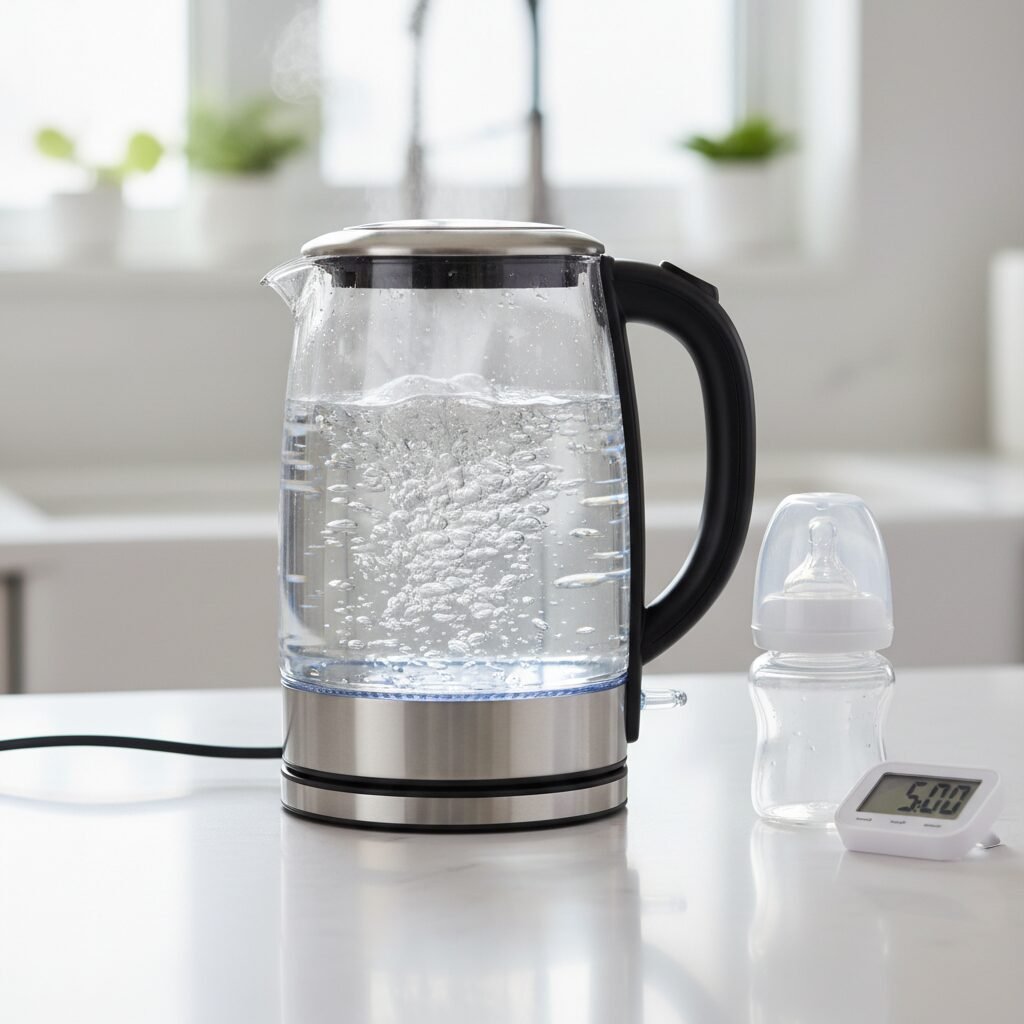
This is the single most important piece of information that often gets missed. The ‘secret’ to killing any potential Cronobacter bacteria in the powder is using hot water. Not warm water from the tap. Not room temperature bottled water. We’re talking about water heated to a specific temperature.
Why Temperature Matters
The official recommendation is to boil fresh water, and then let it cool for no more than 30 minutes before mixing it with the powder. This ensures the water is still at least 158°F or 70°C. This is the magic temperature that effectively kills any harmful bacteria, making the formula safe for your baby to drink once it cools down.
A Step-by-Step Guide to Perfect Water Prep:
- Start Fresh: Always use safe water from the tap or a bottle. If you’re using well water, be sure it’s been tested and deemed safe.
- Bring to a Boil: No matter the source, bring the water to a full, rolling boil for at least one minute. This sterilizes the water itself.
- Set a Timer: This is key! Once it boils, turn off the heat and let it cool, but for no more than 30 minutes. If you let it cool for too long, it will drop below that magic 158°F/70°C threshold.
- Mix it Hot: Pour the desired amount of hot water into the clean, sterilized bottle first, then add the powder.
Critical Safety Warning: Never, ever use a microwave to heat the water or the prepared formula. Microwaves create dangerous ‘hot spots’ that can severely burn your baby’s mouth and throat, even if the bottle feels cool on the outside.
This extra step of boiling and cooling might seem like a hassle, especially when you have a screaming baby, but it’s the most critical part of the safety process for newborns. Once your baby is older (around 3 months) and their immune system is more robust, you can typically relax this rule, but for those precious early weeks, it’s non-negotiable.
Your Fail-Safe Checklist: Preparing a Bottle the Right Way, Every Time
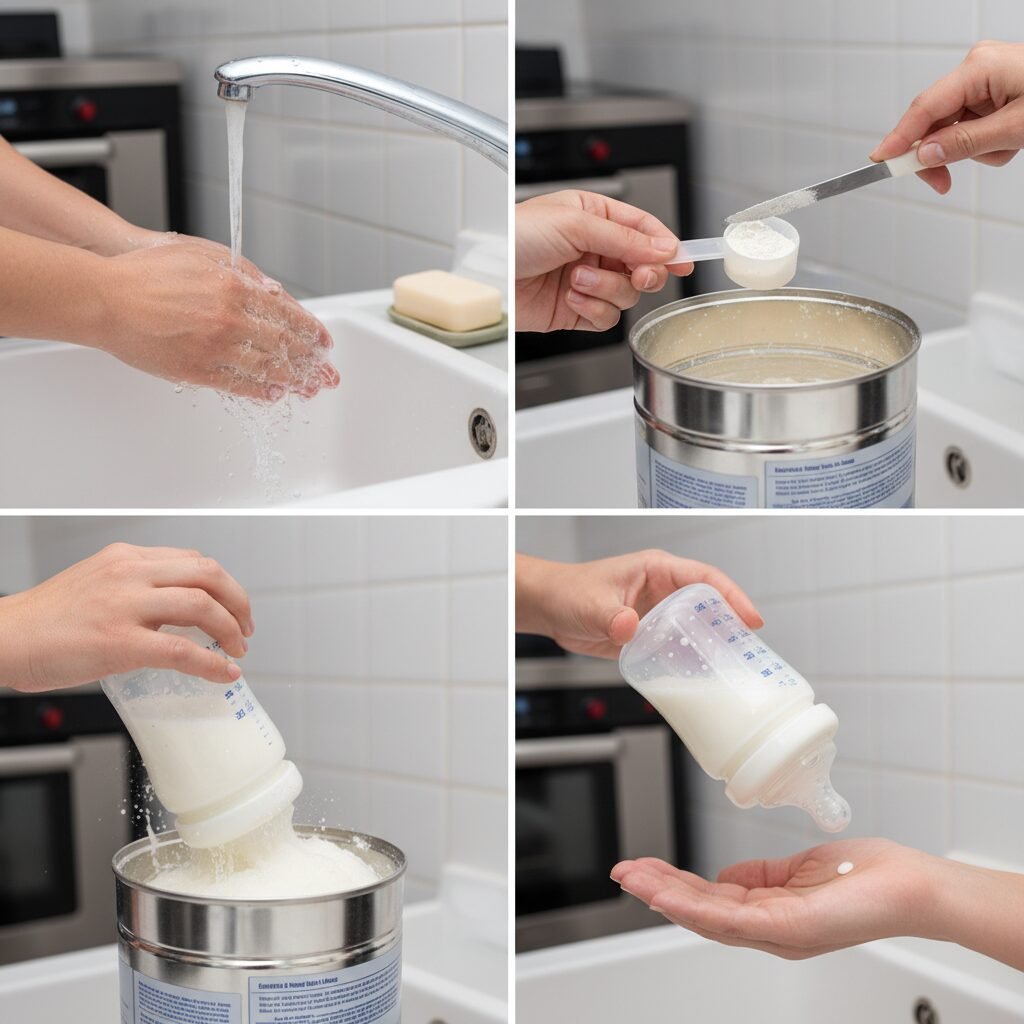
Okay, you understand the ‘why.’ Now let’s nail down the ‘how.’ Follow these steps every single time, and you can rest easy knowing you’re doing everything right.
- Scrub Up: Wash your hands thoroughly with soap and water for at least 20 seconds. Your hands are the first thing to touch the bottle and scoop.
- Create a Clean Zone: Wipe down your counter space or preparation area. Ensure your bottles, nipples, and rings have been properly sterilized (especially for the first use and regularly thereafter).
- Boil and Cool Water: Follow the water preparation steps from the previous section. Get it to at least 158°F/70°C.
- Water First: Carefully pour the exact amount of hot water into the bottle. Reading the measurement lines at eye level helps ensure accuracy.
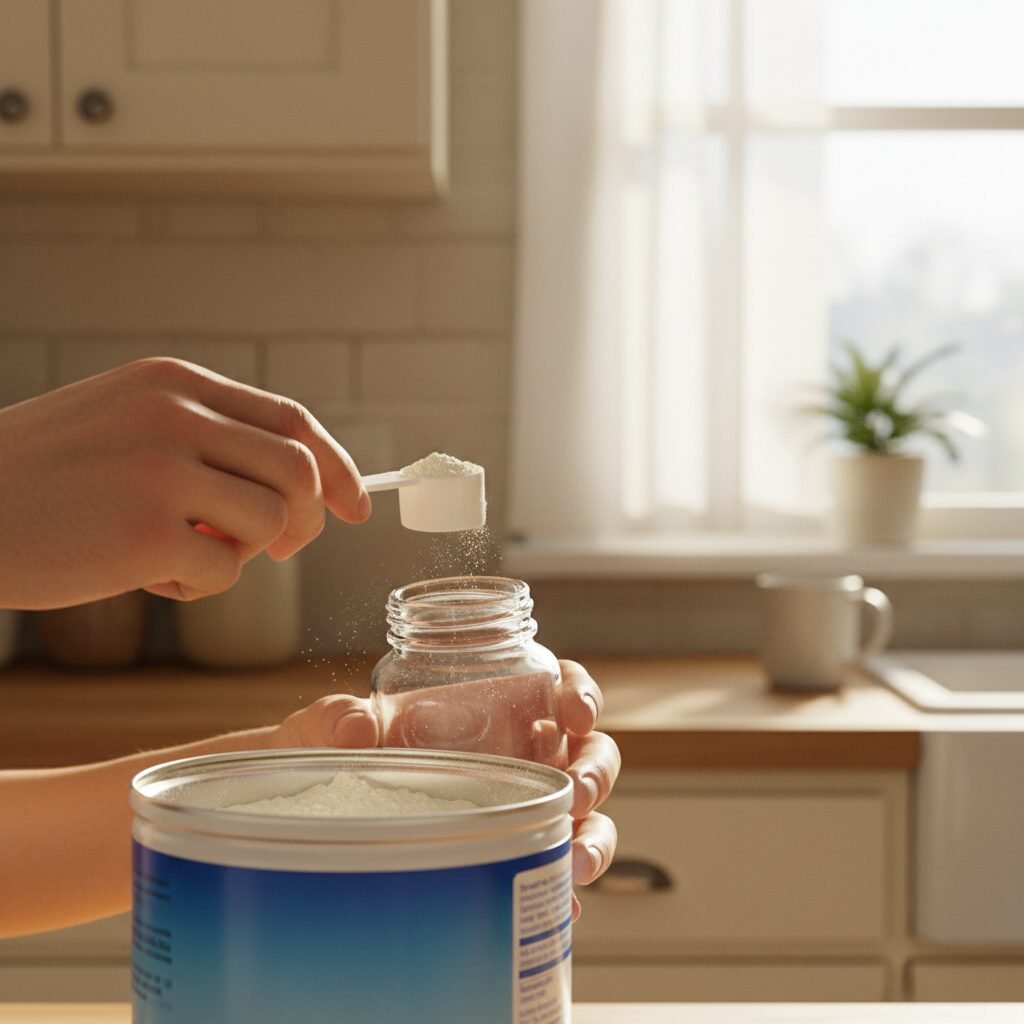
- Powder Second: Use the scoop that came with your specific formula can. Fill it and level it off with a clean, straight edge (like the back of a butter knife). Do not pack the powder in. Add the exact number of scoops for the amount of water.
- Cap and Shake: Secure the nipple and cap, and shake the bottle vigorously until all the powder is completely dissolved. No clumps allowed!
- Cool to Feeding Temp: Now, you need to cool the bottle down so it’s safe for your baby to drink. You can do this by running it under cool tap water or placing it in a bowl of ice water. Swirl it often to cool it evenly.
- The Wrist Test: Before giving it to your baby, shake a few drops onto the inside of your wrist. It should feel lukewarm or neutral, not hot.
Remember the One-Hour Rule: Any formula left in the bottle one hour after the feeding begins must be thrown away. Your baby’s saliva introduces bacteria that can multiply quickly at room temperature. Don’t be tempted to save it for later.
Powder vs. Liquid: A Quick Comparison for New Parents
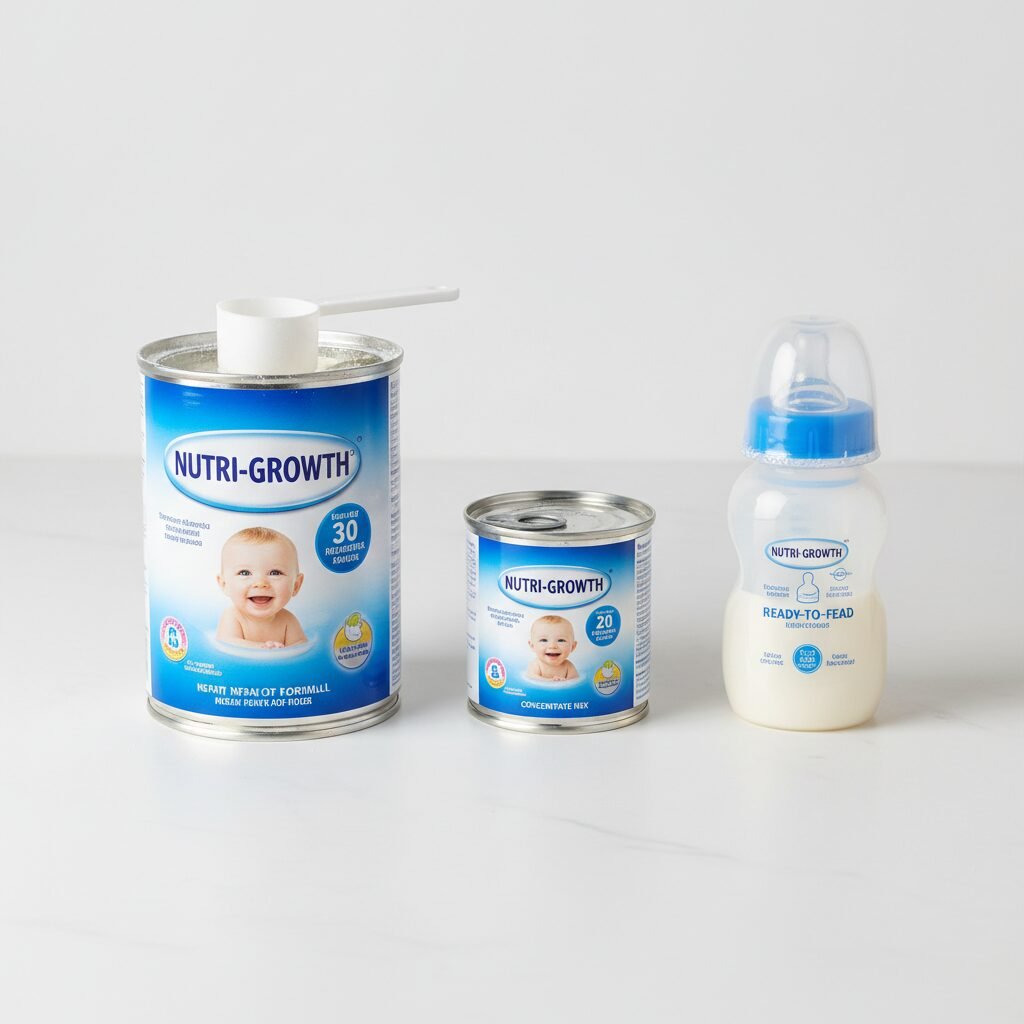
With all this talk of preparation, you might be wondering if powdered formula is worth the effort. It’s a personal choice, and each type has its pros and cons. Here’s a simple breakdown to help you decide what’s best for your family’s needs and budget.
| Feature | Powdered Formula | Liquid Concentrate | Ready-to-Feed |
|---|---|---|---|
| Sterility | Not sterile. Requires careful preparation with boiled water for newborns. | Not sterile, but commercially clean. Mixed with sterilized water. Fewer steps than powder. | Commercially sterile. The safest option for high-risk newborns. No mixing required. |
| Cost | Most economical. The lowest cost per ounce. | Mid-range cost. More expensive than powder, less than ready-to-feed. | Most expensive. The highest cost per ounce, often double the price of powder. |
| Convenience | Least convenient for on-the-go. Requires access to safe water and time for prep/cooling. | Slightly more convenient than powder. Easier to mix quickly. | Most convenient. Simply open and serve. Perfect for travel, night feeds, or daycare. |
| Best For… | Healthy, full-term babies where budget is a key consideration. | A good middle ground for parents wanting a bit more convenience without the high cost. | High-risk newborns, ultimate convenience, and situations where safe water for mixing is unavailable. |
Many families use a combination! You might use ready-to-feed for the first couple of weeks or for night feeds, and then switch to powder once you’ve got a routine down. There’s no wrong answer, as long as you’re preparing it safely.
Common Pitfalls and Pro-Tips from a Pediatric Nurse
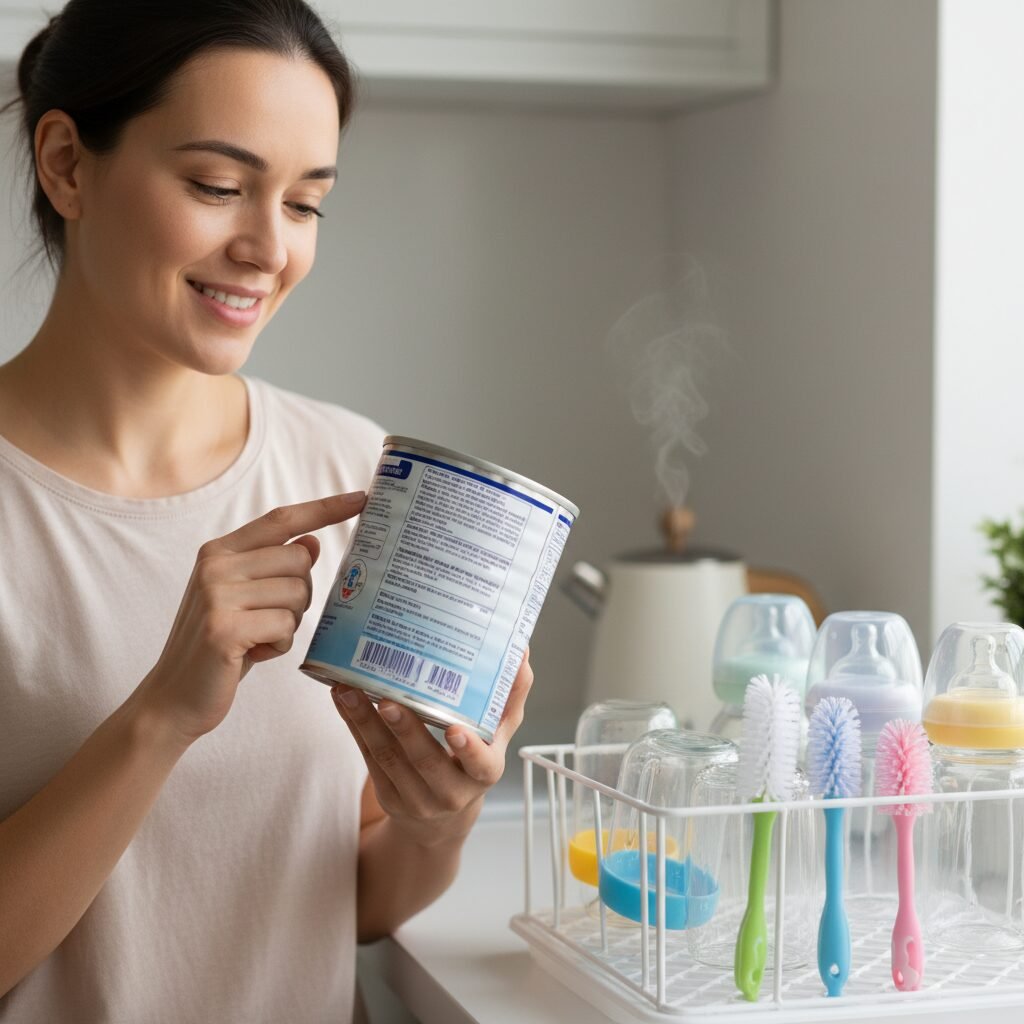
Over the years, I’ve seen a few common mistakes that are easy to make when you’re sleep-deprived. Here are some tips to keep you on track:
- Don’t Play Chemist: Never add extra powder to ‘thicken it up’ or extra water to ‘stretch it out.’ The water-to-powder ratio is a precise nutritional formula designed for your baby’s kidneys and digestive system. Getting it wrong can lead to dehydration or nutrient deficiencies.
- Mind the Clock on Pre-Made Bottles: If you prepare a bottle with hot water and then cool it for later use, it must be refrigerated immediately and used within 24 hours. A bottle that has been warmed for a feeding cannot be re-refrigerated. When in doubt, throw it out.
- Check the Date: Always check the ‘Use By’ date on the bottom of the can before you buy it and before you use it.
- Invest in a Formula Pitcher: If you find yourself making multiple bottles, a formula mixing pitcher can be a game-changer. It helps dissolve the powder perfectly without creating a ton of foam and bubbles that can make a baby gassy. Just remember the 24-hour fridge rule!
- Travel Smart: For outings, use a formula dispenser that holds pre-measured amounts of powder in separate compartments. Bring a thermos of boiled, hot water and a separate bottle of cool, sterile water to mix and get it to the right temperature quickly.
Conclusion
See? You’ve got this. The world of baby care is filled with new rules and worries, but preparing powdered formula doesn’t have to be one of them. By understanding the small risk and taking the simple, consistent steps to mitigate it—starting with that hot water—you are doing everything right to keep your baby safe, healthy, and well-fed. This knowledge isn’t meant to add to your stress; it’s meant to build your confidence. Every time you carefully prepare that bottle, you’re providing love and nourishment. Trust your instincts, follow the steps, and give yourself grace. You are doing a fantastic job.