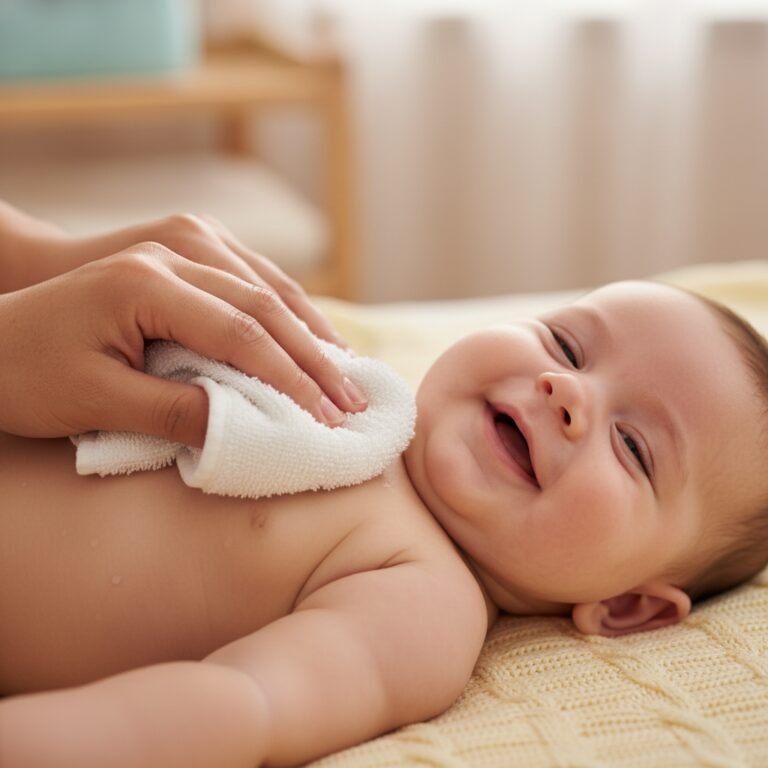

Potty Train Your Newborn? The Crazy Method That Saves Diapers
Potty train your newborn? I know, I know. When you first hear that phrase, it sounds like a punchline to a joke for exhausted new parents. As a pediatric nurse and lactation consultant who has seen it all, my first instinct is to tell you to relax and just survive those first few months! But stick with me for a minute, because this isn’t about rigid schedules or performance charts. We’re not talking about traditional potty training at all.
What we’re really exploring is a practice called Elimination Communication, or EC for short. Some people call it ‘infant pottying’ or a ‘natural infant hygiene’. At its heart, EC is less about ‘training’ and more about communicating. It’s a gentle way to respond to your baby’s natural hygiene instincts. Believe it or not, from birth, most babies signal when they need to pee or poop, and they have an instinct not to soil themselves or their caregiver. EC is simply the practice of learning their cues and offering them a chance to go in a potty, the toilet, or even a sink instead of their diaper.
So, before you dismiss it as another overwhelming task on your already-full plate, let’s look at it as an opportunity. An opportunity to deepen your bond, better understand your baby’s needs, potentially reduce diaper rash, save a little money, and be kinder to the planet. It’s not an all-or-nothing game. This is a judgment-free guide to help you understand what EC is, how to get started (if you want!), and how to keep your sanity intact. Ready to explore this ‘crazy’ idea? Let’s go!
What in the World is Elimination Communication (EC)?

What in the World is Elimination Communication (EC)?
Let’s clear up the biggest misconception right away: Elimination Communication is not about forcing your tiny baby to hold it or punishing them for accidents. It’s the complete opposite. It’s a responsive, gentle practice centered on teamwork between you and your baby.
Think about it this way: when your baby is hungry, they cry or show hunger cues. You respond by feeding them. When they’re tired, they yawn or get fussy, and you respond by helping them sleep. EC applies the same logic to their potty needs. Your baby gives a signal, and you offer a place to relieve themselves. That’s it! The ‘communication’ part is you learning their language, and them learning that you understand.
Where Did This Idea Come From?
While it might seem like a new trend in Western parenting circles, EC is actually an ancient practice. In many cultures around the world where disposable diapers aren’t the norm, parents have been practicing this for centuries. It’s a natural, intuitive way to care for a baby. They learn the baby’s rhythms and cues from day one. So, it’s less of a ‘new method’ and more of a ‘rediscovered wisdom’.
The Core Principles of EC:
- Timing: Offering the potty at natural transition times throughout the day, like when your baby wakes up, after a feeding, before a bath, or before you put them in a car seat.
- Cues: Learning to recognize your baby’s unique signals that they need to go. This could be a specific grunt, a facial expression, a sudden stillness, or a little squirm.
- Intuition: As you practice, you’ll develop a gut feeling for when your baby might need to go. It’s part of that amazing parent-baby connection that deepens over time.
Remember, the goal of EC is not a diaper-free baby from day one. The goal is to listen and respond. Diapers are still a helpful tool, especially at night or when you’re out and about. Think of them as a back-up, not the primary toilet.
By tuning in this way, you’re honoring your baby’s innate body awareness. You’re teaching them from the very beginning that their bodily sensations have meaning and that you’re there to help them. It’s a profound, non-verbal conversation that can make you feel more connected than ever.
Reading the Signs: How to Decode Your Baby’s ‘I Gotta Go!’ Cues
Reading the Signs: How to Decode Your Baby’s ‘I Gotta Go!’ Cues
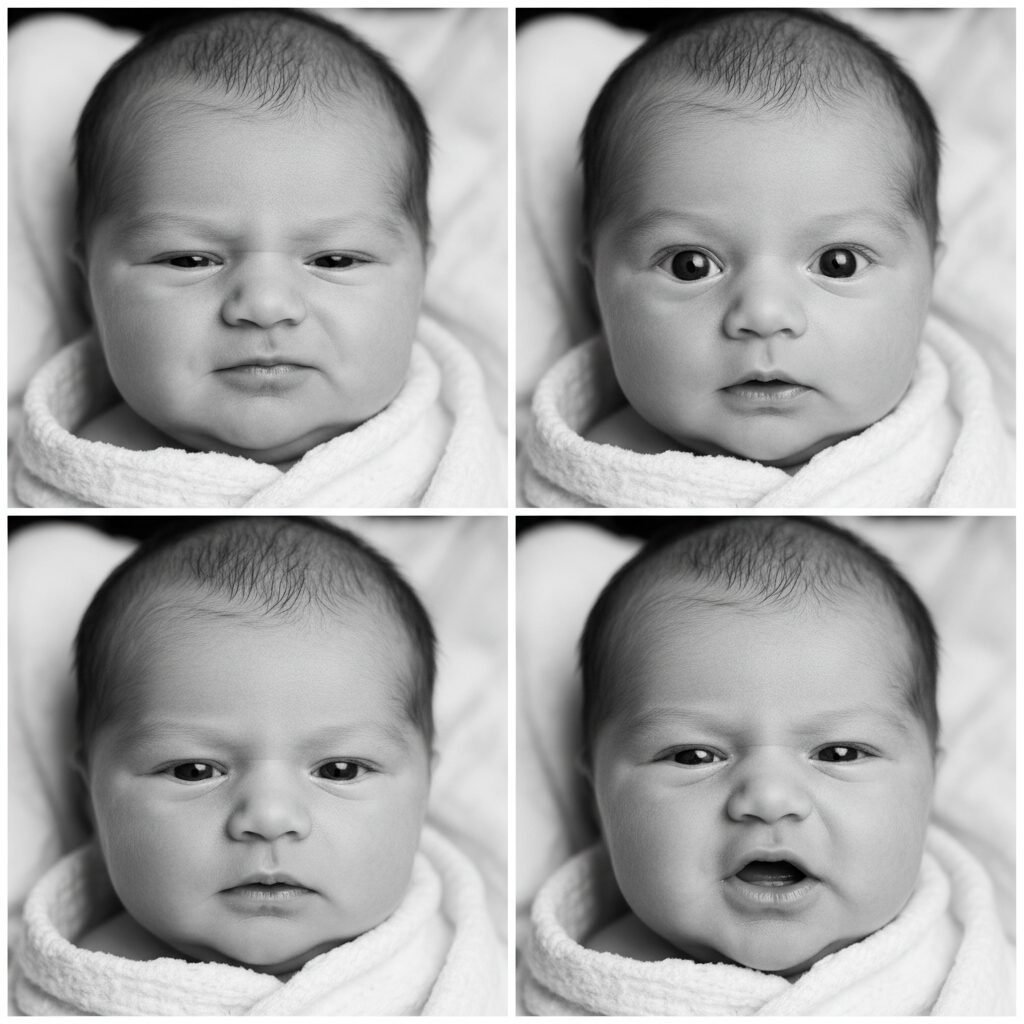
Your newborn is communicating with you all the time, and their need to eliminate is no exception. The trick is learning to speak their language. At first, it might feel like trying to solve a tiny, adorable mystery, but with a little observation, you’ll start to see patterns emerge. Every baby is unique, but here are some of the most common cues to watch for:
Common Elimination Cues in Newborns:
- Sudden Fussiness or Crying: Often, a baby who was calm will suddenly start to fuss for ‘no reason’. This is a classic sign, especially if they’ve just been fed and burped.
- Grunting and Straining: This one is often more obvious for bowel movements. You might hear little grunts, see their face turn red, or watch them bear down.
- The ‘Potty Face’: Many babies have a specific, concentrated facial expression they make right before they go. It might be a frown, a wide-eyed stare, or a wrinkled nose. You’ll know it when you see it!
- Squirming or Restlessness: Your baby might start wiggling, kicking their legs, or arching their back. This is especially common if they are in the middle of feeding and suddenly seem uncomfortable.
- A Sudden Stillness: The opposite can also be true! Some babies will pause what they’re doing and become very still and focused right before they pee or poop.
- Passing Gas: Often, a little toot is the prelude to a poop. It’s a great heads-up to offer a pottytunity.
Beyond Cues: The Magic of Timing
While cue-spotting is fantastic, you don’t have to be a baby mind-reader 24/7. That’s where timing comes in. Babies have predictable rhythms. By offering the potty at these key moments, you can increase your chances of success dramatically.
Think of these as your ‘guaranteed’ potty breaks:
- Upon Waking: The first thing most of us do in the morning is use the bathroom, and babies are no different. The moment they wake from a nap or night sleep is a prime time to catch a pee.
- After a Feed: The act of eating stimulates the digestive system (this is called the gastrocolic reflex). Offering the potty 5-15 minutes after a feed is often very successful for catching a poop.
- Transitions: Before you put your baby in a carrier, a car seat, or down for a nap, offer a potty break. It can make for a more comfortable journey or sleep for them.
- Before Bath Time: Offering the potty before undressing for a bath can prevent a surprise in the tub!
A Gentle Warning: Don’t stress yourself out trying to catch every single pee and poop. This is not a test! Start by focusing on one predictable time, like the morning wake-up. Celebrate the catches and laugh off the misses. The goal is connection, not perfection.
Getting Started: Your EC Toolkit and First Steps

Getting Started: Your EC Toolkit and First Steps
Ready to give it a try? The best part about EC is that you don’t need a nursery full of expensive gadgets. Simplicity is key. Here’s how you can get set up and take those first gentle steps.
What You’ll Need (and What You Don’t)
You can truly start with just your baby and a sink, but a few items can make the process a bit easier and cleaner.
- A Small Potty: The most popular choice is a small, portable potty often called a ‘top hat’ potty. It’s small enough to hold between your thighs while you hold your baby, making it convenient for middle-of-the-night or couch-side potty breaks. A simple small bowl from your kitchen also works perfectly fine in the beginning.
- Easy-Access Clothing: Forget complicated snaps and multi-layered outfits. Think simple gowns, sleep sacks you can pull up, or pants that are easy to slide down. Some parents even opt for special ‘split-crotch’ pants, which are common in many cultures that practice EC.
- Protection: Have some washable puppy pads or waterproof mattress protectors on hand for places where your baby has naked time, like on their play mat or your bed. This takes the stress out of the inevitable misses.
- Wipes or Cloths: Keep some cloths handy for easy cleanup.
The ‘Pottytunity’: Making the Offer
When you notice a cue or it’s a key transition time, it’s time to offer a ‘pottytunity’. Here’s how:
- The EC Hold: The classic hold is to have your baby’s back resting against your chest and stomach, while you support them by holding their thighs. This ‘squat’ position is instinctive for elimination and helps them relax their pelvic floor. Their bottom should be bare and positioned over your chosen receptacle.
- Make a Cue Sound: As you hold them, make a consistent sound. Many parents use a ‘pssss’ sound for pee and a soft ‘grrr’ sound for poop. Your baby will quickly associate this sound with the act of elimination, and it can help them relax and release.
- Be Patient (But Not Too Patient): Hold them for a minute or two. If they go, great! If not, that’s okay too. Don’t force them to sit there for ages. Just say something neutral like, ‘All done,’ and get them dressed. The goal is to make it a quick, positive, and pressure-free experience.
A Simple Starter Plan to Avoid Overwhelm
Don’t try to go from 10 diapers a day to zero overnight. That’s a recipe for burnout. Start small and build your confidence.
- Pick One Time: For the first few days, only try to catch the pee when your baby wakes up in the morning. That’s it. Just one pottytunity a day.
- Focus on Poop: Newborn poops are often more predictable than pees. Try focusing only on catching poops for the first week. You’ll learn their grunts and timing quickly.
- Go Diaper-Free for 30 Minutes: Choose a short window of time each day, like after a feed, to let your baby have some diaper-free time on a protected surface. Observe them closely and offer the potty when you see a cue.
By starting slow, you make EC a manageable and even enjoyable part of your routine rather than a stressful chore.
The Reality Check: Pros, Cons, and Managing Expectations
The Reality Check: Pros, Cons, and Managing Expectations
Like any parenting choice, Elimination Communication has its beautiful moments and its messy ones (sometimes literally!). It’s essential to go into it with open eyes and a flexible mindset. This is not about being a ‘perfect’ parent; it’s about finding what works for your family. Let’s break down the honest pros and cons.
| The Bright Side (Pros) | The Real-Life Challenges (Cons) |
|---|---|
| Deeper Connection & Communication: You become incredibly attuned to your baby’s needs, strengthening your bond in a unique, non-verbal way. | It’s Time and Attention Intensive: EC requires you to be present and observant, which can be challenging when you’re sleep-deprived or juggling other responsibilities. |
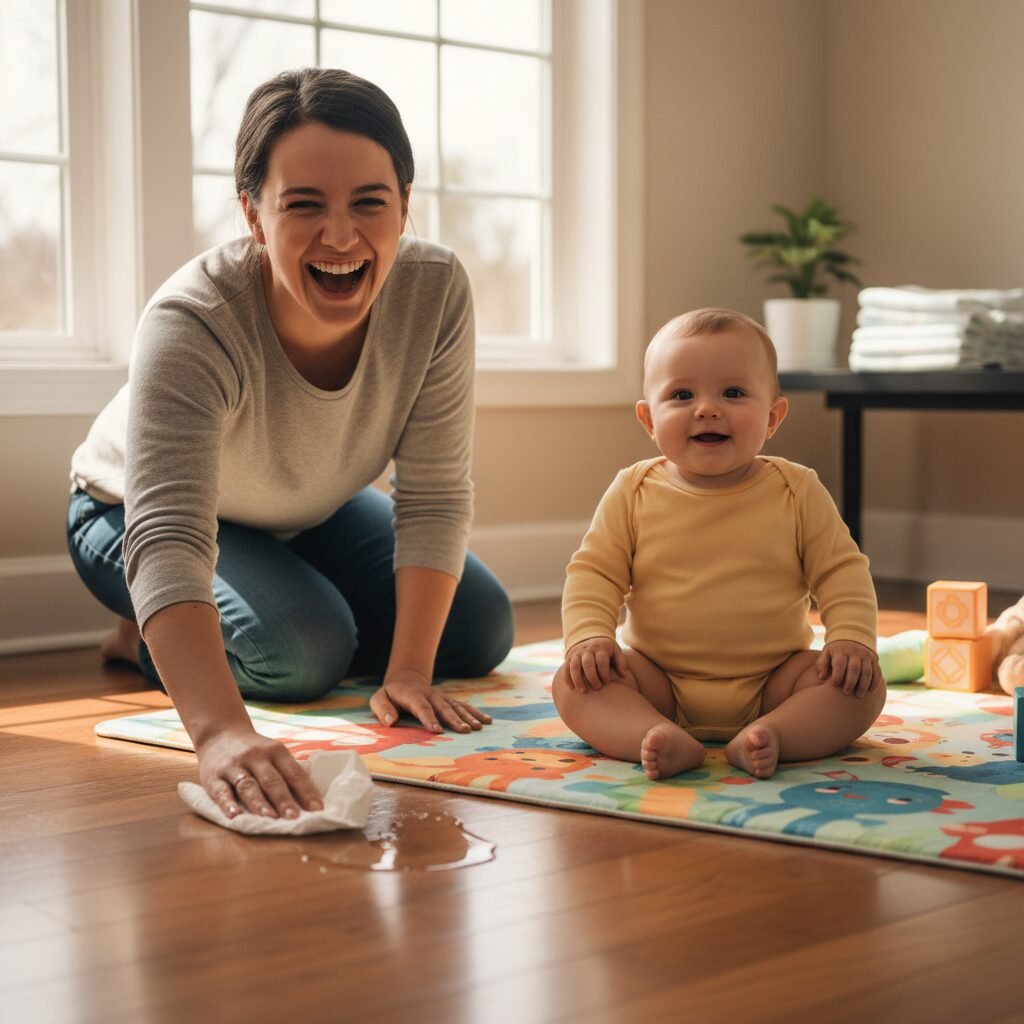
| Fewer Diaper Rashes: Less time spent in a wet or soiled diaper means happier, healthier skin for your baby. | Misses Will Happen: There will be puddles on the floor and poop on your clothes. A sense of humor and a good stain remover are non-negotiable! |
| Cost Savings & Environmental Impact: Even part-time EC can significantly reduce the number of disposable diapers you buy, saving money and reducing landfill waste. | Can Be Tricky for Others: It can be difficult for daycare providers, grandparents, or babysitters to get on board, which may limit you to practicing only when you’re with your baby. |
| Easier Transition to Toddler Potty Training: Many EC babies have a smoother and earlier transition to using the toilet independently because they’ve always known where pee and poop go. | Can Feel Stressful or Isolating: If you’re a perfectionist, the misses can feel like failures. It can also feel isolating if no one in your social circle understands what you’re doing. |
| Increased Comfort for Baby: Many babies are genuinely happier and less fussy when they are clean and dry. | Going Out Requires Planning: Public outings require a bit more thought—packing a portable potty, knowing where restrooms are, and being prepared for messes on the go. |
My Most Important Advice: Please, please, please do not measure your success by the number of diapers you use. EC is a journey, not a destination. Some days you’ll feel like a baby-whispering genius, and other days you’ll be cleaning up three messes before 9 AM. Both are normal. The real win is the communication itself. A single ‘catch’ in a day is a moment of successful connection. Celebrate that!
Ultimately, the decision to try EC is personal. You can do it full-time, part-time, or just on weekends. You can start from birth or at six months. You can stop and start again. There are no rules. Give yourself grace, be flexible, and focus on what feels right for you and your baby.
Conclusion
So, is potty training a newborn a ‘crazy’ method? Maybe a little, but it’s also a deeply intuitive and connecting one. Elimination Communication is a powerful reminder that our babies are born with incredible instincts and the ability to communicate their needs from day one. It’s our job to learn their language.
Whether you decide to dive in headfirst, dabble with part-time EC, or simply walk away from this article with a new appreciation for your baby’s subtle cues, you’ve gained a deeper understanding of your little one. There is no right or wrong way to parent. The best approach is always the one that fills your home with more love and less stress.
Remember to be kind to yourself. You are navigating the incredible, exhausting, beautiful journey of new parenthood. Tuning into your baby’s needs—whether for food, comfort, or a trip to the potty—is what matters most. Trust your instincts, embrace the messy moments, and know that you are doing an amazing job.