
Is Your Baby Sleeping On Chemicals? The Truth About Mattress Off-Gassing
Hello, dear parent. Take a deep breath. I know that when you bring your tiny, perfect baby home, a whole new world of worries opens up. You check their breathing, you sterilize every bottle, and you research every single item that comes near them. So, when you unwrap a brand-new crib mattress and are met with a distinct chemical smell, it’s completely natural for alarm bells to go off. You might be asking yourself, ‘Is my baby sleeping on chemicals?’
This phenomenon is called ‘off-gassing,’ and it’s a topic surrounded by a lot of scary headlines and confusing information. As a pediatric nurse and lactation consultant, I’ve sat with countless new parents just like you, helping to calm these exact fears. My goal here isn’t to add to your anxiety, but to gently guide you through the science, separate fact from fear, and give you practical, empowering knowledge. Together, we’ll explore what off-gassing really is, what the experts say about the risks, and how you can create the safest, most peaceful sleep environment for your precious little one. You’re doing a great job, and asking these questions is just one more sign of what a wonderful, caring parent you are.
What Exactly Is Mattress Off-Gassing? (And Why Does It Happen?)
Let’s start by demystifying this scary-sounding term. ‘Off-gassing’ is simply the process where manufactured items release chemicals, known as Volatile Organic Compounds (VOCs), into the air. Think about the smell of a new car, fresh paint, or even a new shower curtain—that’s off-gassing in action. It happens because the materials used to make these products continue to release leftover solvents and chemicals from the manufacturing process for a period of time after they’re made.
When it comes to a baby’s mattress, especially conventional ones, these VOCs can come from several sources:
- Polyurethane Foam: This is the most common material used for the core of crib mattresses. It’s lightweight and inexpensive, but it’s a petroleum-based product that is a known source of VOCs.
- Adhesives and Glues: The layers of a mattress are often held together with industrial-strength glues that can release chemicals like formaldehyde.
- Flame Retardants: For decades, mattresses were treated with chemical flame retardants to meet federal flammability standards. While some of the most toxic ones (like PBDEs) have been phased out, the chemicals used to replace them can still be a source of concern for parents.
- Vinyl (PVC) Covers: Some mattresses have waterproof covers made from vinyl, which can release phthalates—a group of chemicals used to make plastics more flexible.
It’s important to remember that this process is most intense when the product is new and decreases significantly over time. The smell is strongest in the first few days or weeks after you unwrap the mattress from its plastic packaging, which has trapped all those released gases.
A Gentle Reminder: The presence of VOCs doesn’t automatically equal danger. These compounds are everywhere in our modern environment. Our goal is to understand them and intelligently reduce our baby’s exposure where we can, without causing unnecessary panic.
The Big Question: Are These Chemicals Harmful to My Baby?
This is the heart of the matter, isn’t it? You want to know if this off-gassing poses a real threat to your baby’s health. The honest, scientific answer is… it’s complicated, but the direct risk is likely very low for most babies.
Babies are more vulnerable to environmental contaminants than adults. Their respiratory and immune systems are still developing, they breathe more air relative to their body weight, and they spend up to 16-18 hours a day with their faces close to their mattress. This proximity and duration of exposure are why mattress off-gassing is a bigger topic for cribs than for adult beds.
High concentrations of certain VOCs have been linked to health issues like respiratory irritation, headaches, and damage to the central nervous system in industrial settings. However, the key phrase here is ‘high concentrations.’ The amount of VOCs released from a single crib mattress is typically far below the levels known to cause serious harm. At present, there are no definitive scientific studies that directly link low-level off-gassing from crib mattresses to major health crises like Sudden Infant Death Syndrome (SIDS) or long-term diseases.
That said, a ‘better safe than sorry’ approach is completely understandable. Some babies may be more sensitive and could experience mild reactions like skin irritation, allergy-like symptoms, or respiratory discomfort. For parents, the peace of mind that comes from minimizing even potential risks is invaluable. The focus shouldn’t be on fear, but on making an informed choice that helps you sleep as soundly as your baby.
Decoding the Labels: Your Guide to a Non-Toxic Crib Mattress
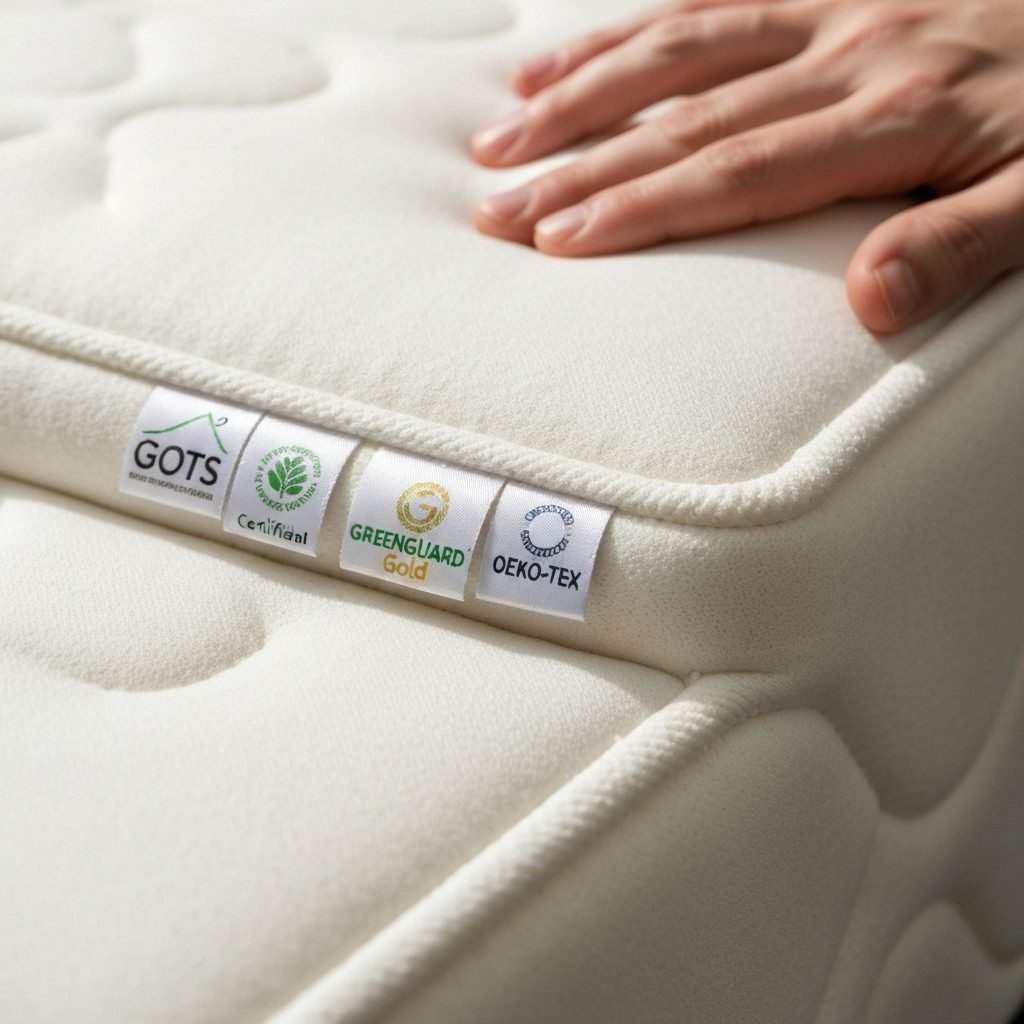
Okay, enough with the science—let’s get practical! When you’re standing in a store or browsing online, the jargon and certifications can feel overwhelming. How do you know which mattress is actually safer? Think of these third-party certifications as your trusted friends, verifying that a product meets strict health and safety standards. Here’s a breakdown of the most important ones to look for:
| Certification | What It Means for Your Baby’s Mattress |
|---|---|
| GREENGUARD Gold | This is one of the most rigorous certifications. It means the mattress has been tested for over 10,000 chemicals and meets strict low-emission limits for VOCs. It’s specifically designed to ensure healthier indoor air for sensitive individuals, like children. If you see this label, you can be very confident about air quality. |
| GOTS (Global Organic Textile Standard) | This certification applies to textiles. If a mattress has a GOTS-certified organic cotton cover, it means the entire process—from growing the cotton to manufacturing the fabric—was done without toxic pesticides, bleaches, or dyes. It’s a sign of true organic purity. |
| CertiPUR-US® | This certification applies specifically to polyurethane foam. It guarantees the foam is made without ozone depleters, PBDEs, certain flame retardants, formaldehyde, phthalates, and heavy metals. It also certifies low VOC emissions. It’s a good standard for a foam mattress, but remember the mattress is still foam-based. |
| OEKO-TEX STANDARD 100 | This is another textile-focused certification. It tests the final product for a long list of harmful substances. If a mattress or its cover is OEKO-TEX certified, you can be sure that every thread, button, and zipper is free from harmful levels of over 100 substances known to be dangerous to human health. |
What Materials Should I Look For?
Beyond certifications, the materials themselves matter. Mattresses made from natural, breathable materials are less likely to off-gas harmful chemicals. Look for options made with:
- Organic Cotton: Soft, breathable, and grown without synthetic pesticides.
- Natural Wool: A fantastic natural flame retardant! Wool can meet federal flammability standards without any added chemicals. It’s also great for temperature regulation.
- Natural Latex: A durable, supportive option made from the sap of rubber trees. Ensure it’s 100% natural latex, not a synthetic or blended latex.
- Coconut Coir: Made from coconut husks, this material is often infused with natural latex to create a firm, breathable, and supportive mattress core.
Simple, Stress-Free Tips to Reduce Off-Gassing in Your Nursery

Whether you’ve already bought a mattress or are about to, there are simple, effective steps you can take to create a healthier nursery and minimize any potential off-gassing. You don’t have to break the bank or drive yourself crazy to make a big difference.
If You’re Buying a New Mattress:
- Air It Out! This is the single most effective thing you can do. As soon as you buy a mattress, remove all the plastic packaging and let it air out in a well-ventilated room (that isn’t the nursery) for as long as possible. A week is great, but even 48-72 hours can significantly reduce the initial, most potent wave of off-gassing. A garage, a spare room with the windows open, or a covered porch are all good options.
- Give It a Sniff Test: Before you buy, if possible, ask if there’s a floor model you can smell. While not a scientific test, your nose can often tell you if a product has a very strong chemical odor.
For Any Nursery Environment:
- Ventilate, Ventilate, Ventilate: Make it a habit to open the nursery windows for at least 15-30 minutes each day to circulate fresh air and let any accumulated VOCs escape.
- Consider an Air Purifier: If you live in an area where opening windows isn’t always practical, a good quality air purifier with a HEPA filter and an activated carbon filter can be a great investment for the whole family. The carbon filter is key for capturing VOCs.
- Use a Barrier: A certified-organic, waterproof mattress protector can act as an effective barrier between your baby and the mattress surface. It prevents direct contact and may help block some emissions, with the added bonus of protecting your mattress from inevitable leaks and spills.
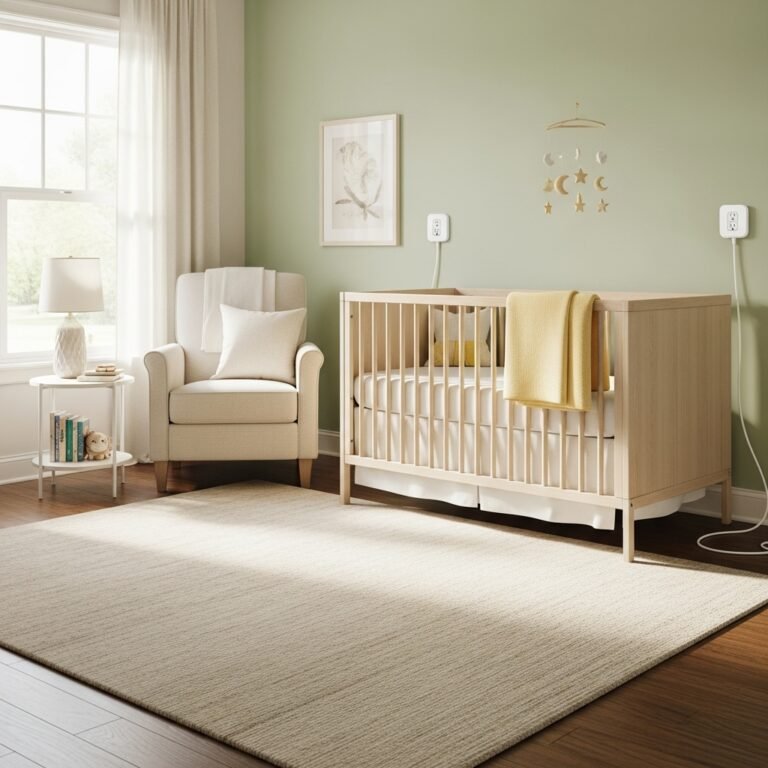
- Look Beyond the Mattress: Remember, other items can off-gas too! When choosing nursery furniture, carpets, and paint, look for options labeled ‘low-VOC’ or ‘zero-VOC’ to improve the overall air quality in the room.
Safety First: Always follow safe sleep guidelines. Your baby should sleep alone, on their back, in a crib with a firm mattress and a fitted sheet. No blankets, pillows, bumpers, or stuffed animals in the crib.
Conclusion
My dear parent, I hope this conversation has eased your mind. The world of baby products can feel like a minefield, but you are more than equipped to navigate it. The key takeaway is this: mattress off-gassing is a real process, but with a little knowledge, the potential risk can be managed and minimized, giving you valuable peace of mind.
You don’t need to have the most expensive organic mattress to be a good parent. The goal is progress, not perfection. Whether you choose a GREENGUARD Gold certified mattress, air out a conventional one thoroughly, or simply focus on ventilating your nursery, every small step you take to create a safer environment matters. You are thoughtful, you are careful, and you are doing an incredible job. Now, trust your research and your instincts, and enjoy every precious, peaceful moment of watching your baby sleep.