Choking Hazard Or Miracle Cure? The Truth About Amber Necklaces
Hey there, new parent. I see you. It’s 2 a.m., your sweet baby is wailing, their little gums are swollen, and you’re scrolling through your phone, desperate for a solution. In your search, you’ve almost certainly come across a popular suggestion: the Baltic amber teething necklace. They’re everywhere—on Etsy, in boutique baby stores, and on adorable Instagram babies. The photos are cute, and the promises are huge: a natural, drug-free way to calm teething pain and inflammation.
It sounds like a dream come true, doesn’t it? As a pediatric nurse and lactation consultant, I’ve sat with hundreds of parents just like you, holding their hands as they navigate the tough phases of infancy. I completely understand the deep desire to find something—anything—that works. But I’m also here to be your trusted guide, to help you separate marketing hype from medical reality. So let’s have a gentle, honest chat about these necklaces. Are they a miracle cure passed down through generations, or a serious safety risk we need to discuss? Let’s find out together.
The Allure of Amber: Understanding the Claims
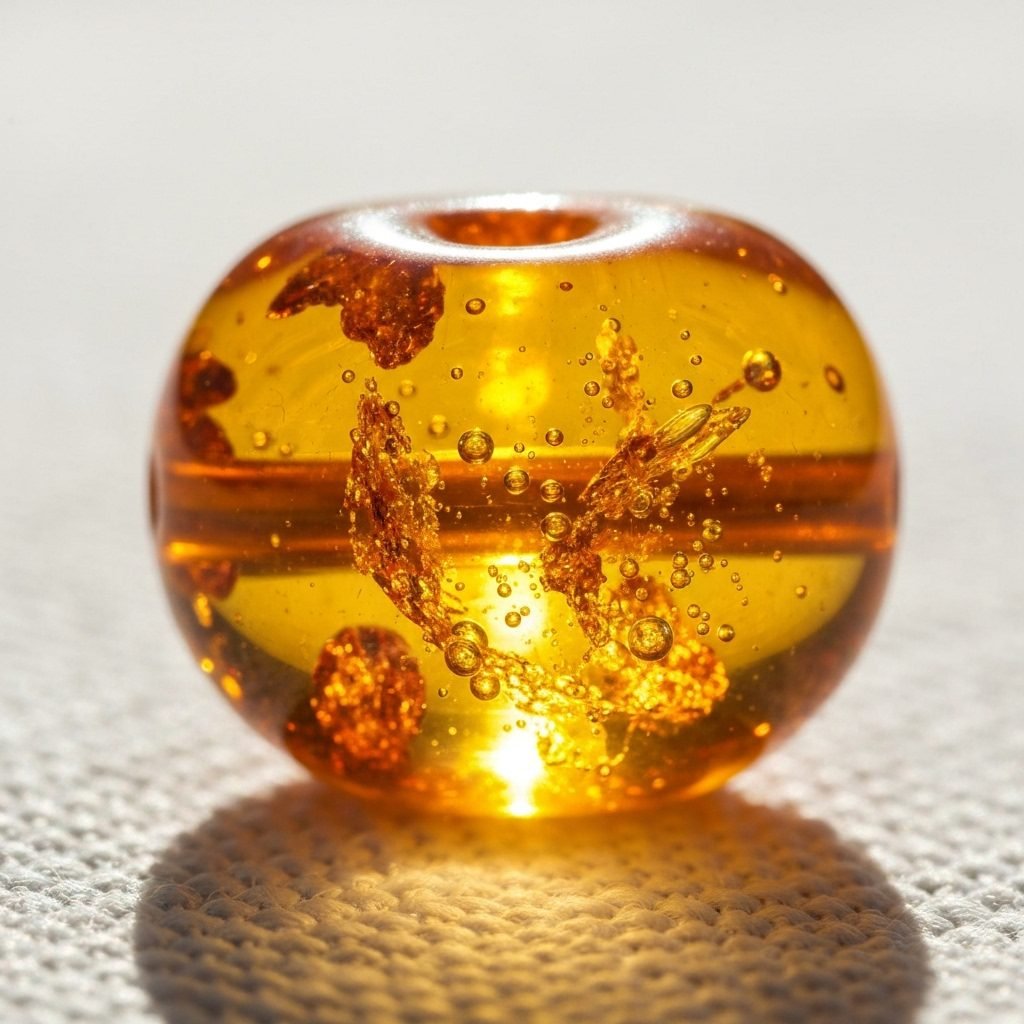
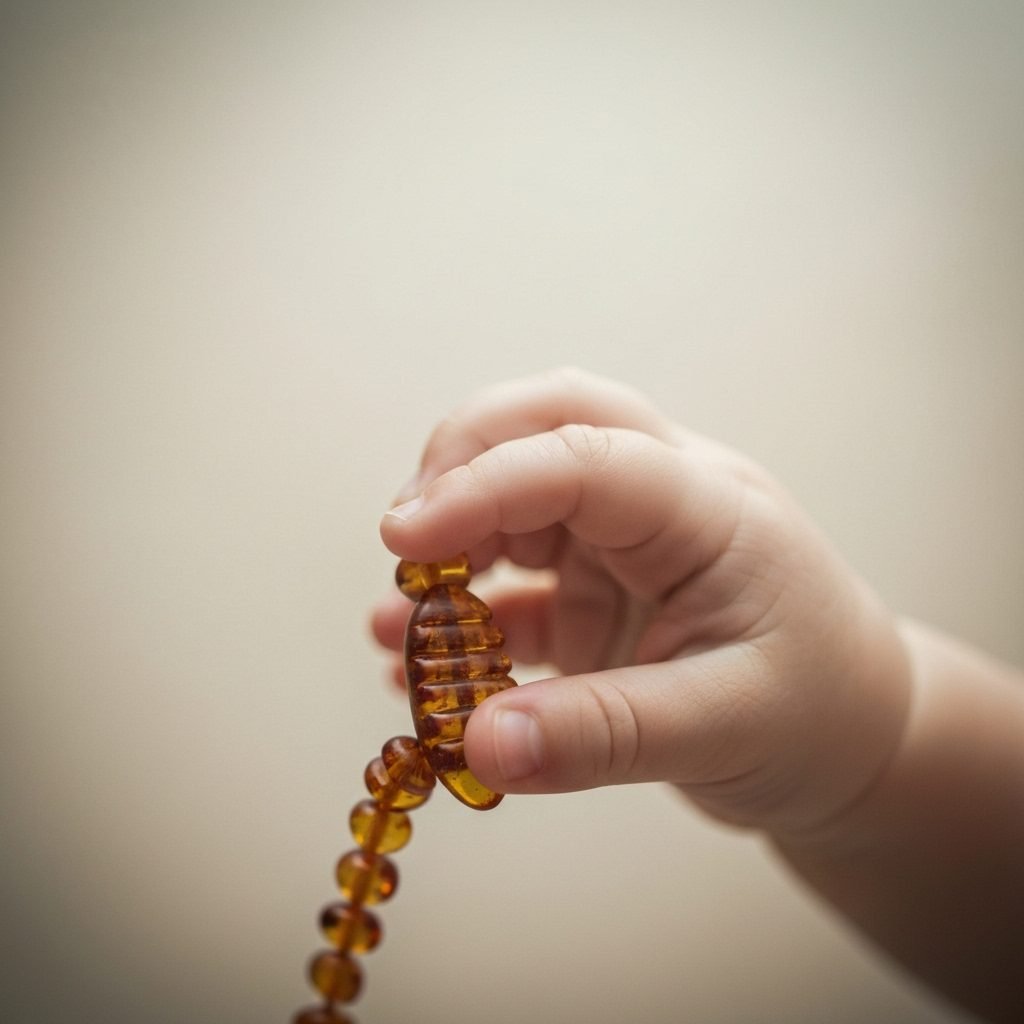
First things first, what’s the story behind these little beaded necklaces? The ones marketed for teething are typically made from Baltic amber, which is fossilized tree resin from the Baltic region of Europe. It’s beautiful, warm to the touch, and has been used in folk medicine for centuries.
The central claim goes like this:
- When a baby wears the necklace, their body heat warms the amber beads.
- This warmth supposedly releases a tiny, undetectable amount of an oil containing succinic acid.
- This succinic acid is then said to be absorbed through the baby’s skin into the bloodstream.
- Once in the bloodstream, it allegedly acts as a natural pain reliever (an analgesic) and reduces inflammation, calming those angry gums.
It’s a compelling story, isn’t it? It taps into our desire for natural, holistic solutions for our children, avoiding medication when possible. The idea of a gentle, ancient remedy is incredibly appealing when you’re faced with modern-day parenting stress. The marketing often features happy, peaceful babies, reinforcing the idea that this is a simple, harmless solution. But as we know in medicine, if something sounds too good to be true, it’s our job to ask more questions.
Decoding the Science: Does the ‘Miracle Cure’ Hold Up?
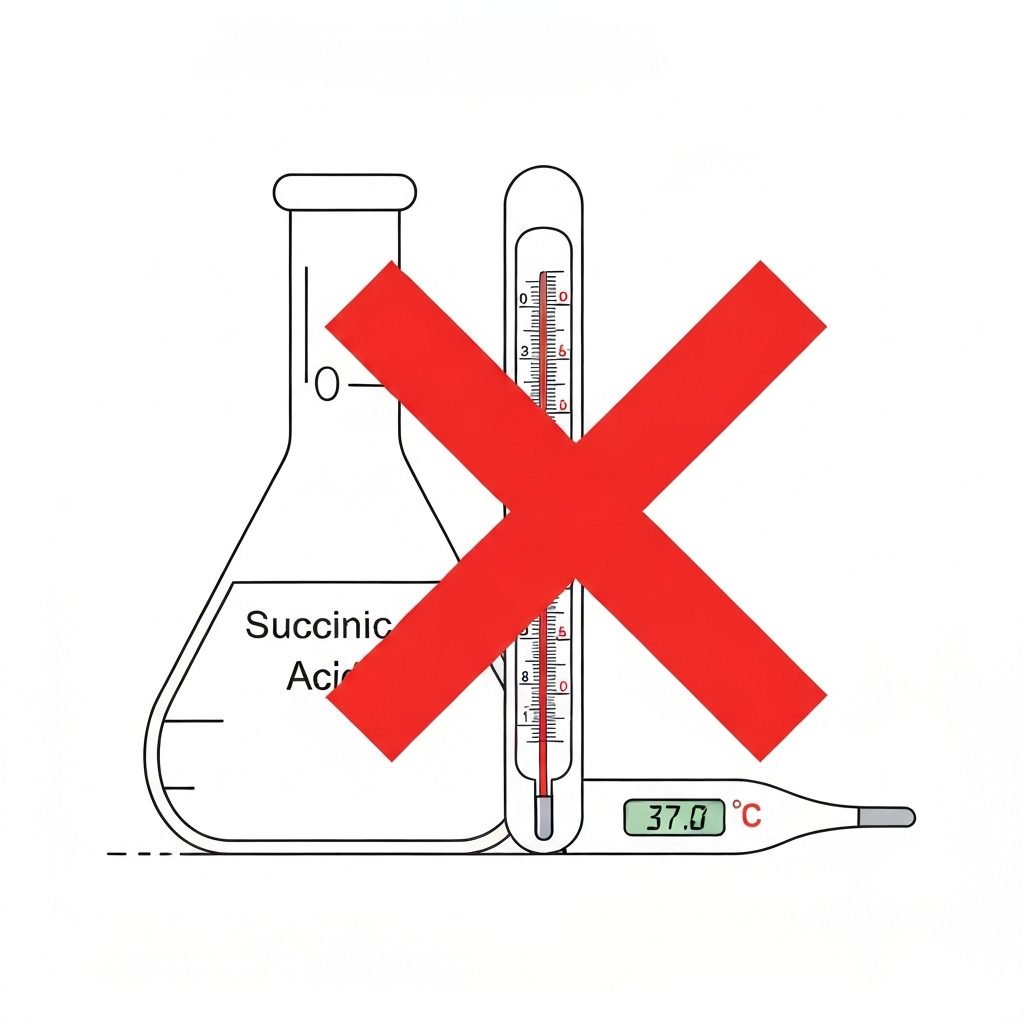
This is where my nurse brain kicks in. When a parent asks me about a product, my first step is to look at the evidence. So, let’s put on our science goggles and examine the claims about amber necklaces point by point.
Can Body Heat Release Succinic Acid?
The first hurdle in the theory is a big one. To release succinic acid from amber, it needs to be heated to a very high temperature—around 392°F (or 200°C). A baby’s body temperature, even with a fever, is nowhere near hot enough to cause this chemical reaction. So, the fundamental premise that body heat can release the key ingredient is scientifically implausible.
Can It Be Absorbed Through the Skin?
Let’s pretend for a moment that some succinic acid was released. The next question is: could it get into the bloodstream through the skin? Our skin is an amazing barrier designed to keep things out. For a substance to be absorbed effectively, it needs to be in a specific formulation and concentration, like in a medicated cream. There is no scientific evidence to suggest that trace amounts of succinic acid from a solid bead can penetrate the layers of the skin to provide a therapeutic effect.
What Do Scientific Studies Say?
The most important piece of the puzzle is clinical research. To date, there are no peer-reviewed, controlled scientific studies that prove amber teething necklaces are effective at reducing teething pain. The relief that some parents report is most likely due to the placebo effect (the parent believes it’s working, so they perceive an improvement) or simply the natural ebb and flow of teething symptoms. Teething pain isn’t constant; it comes and goes. A baby might have a good day while wearing the necklace, but it’s likely a coincidence, not a result of the amber.
Beyond the Hype: The Real Dangers a Pediatric Nurse Sees
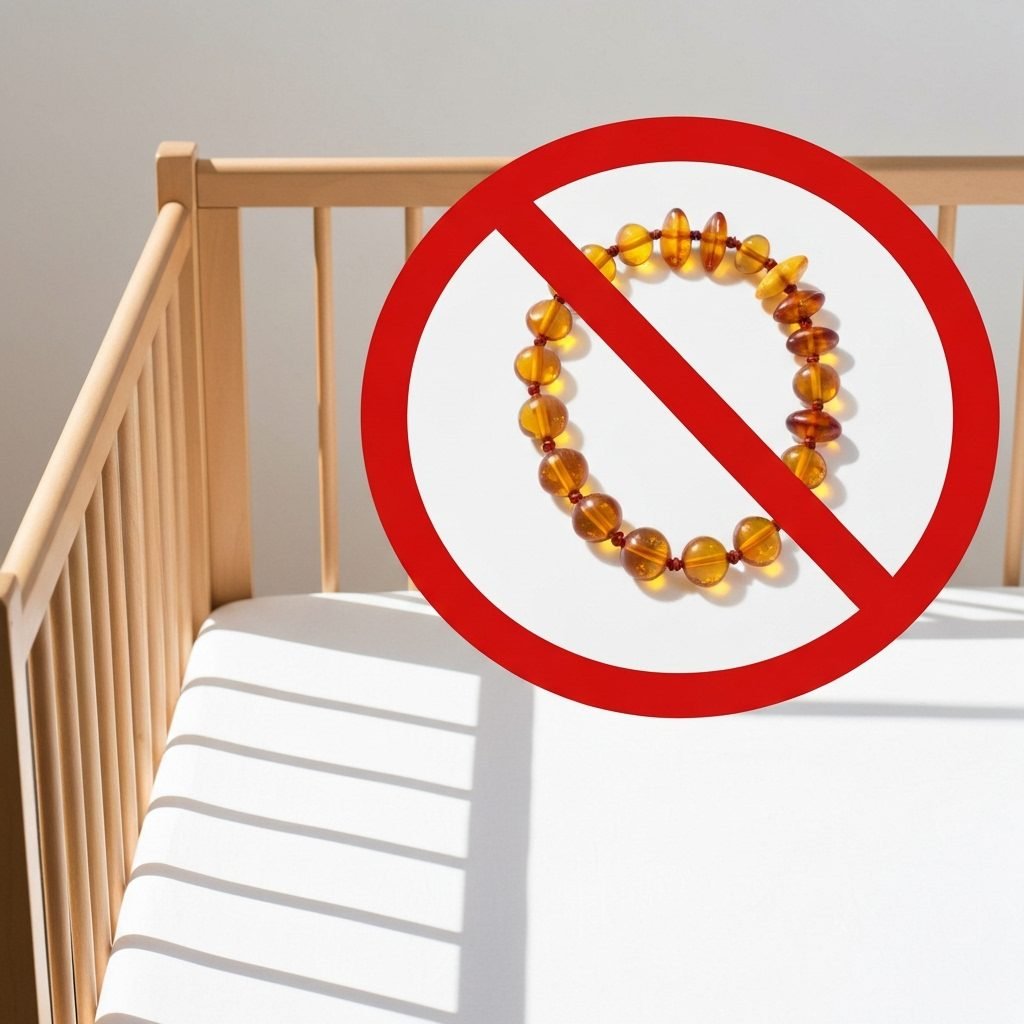
Okay, so the science isn’t there to support the claims. You might be thinking, “Well, even if it doesn’t work, what’s the harm?” This, my friend, is the most important part of our conversation. As a pediatric professional, my primary concern is always safety. And unfortunately, amber necklaces pose two very serious, well-documented risks to infants and toddlers.
Risk #1: Choking
The beads on these necklaces are the perfect size to become a choking hazard. While many manufacturers claim the necklaces are knotted between each bead to prevent them from scattering if the string breaks, this isn’t a guarantee. A single bead can break off, or the clasp can fail, releasing a bead that a baby can easily put in their mouth. If this bead is inhaled, it can block their airway, leading to a life-threatening emergency.
Risk #2: Strangulation
This is the risk that keeps pediatricians up at night. Anything placed around a baby’s neck is a strangulation hazard. The necklace can get caught on a piece of furniture, a toy in the crib, or even just twisted during sleep or play. Many necklaces come with a “breakaway” clasp, but these are not regulated and may not release with the small amount of pressure a baby’s body would exert. The American Academy of Pediatrics (AAP) is unequivocally clear on this point.
The American Academy of Pediatrics (AAP) does not recommend that infants wear any jewelry. Suffocation is the leading cause of death for children under a year old and among the top five causes of death for children between the ages of 1 and 4.
These risks are not theoretical. Tragically, there have been documented cases of infant deaths and serious injuries related to teething necklaces. The potential for a moment of relief from teething pain simply does not outweigh these severe, life-threatening dangers.
Safe and Soothing: Teething Relief That Actually Works!
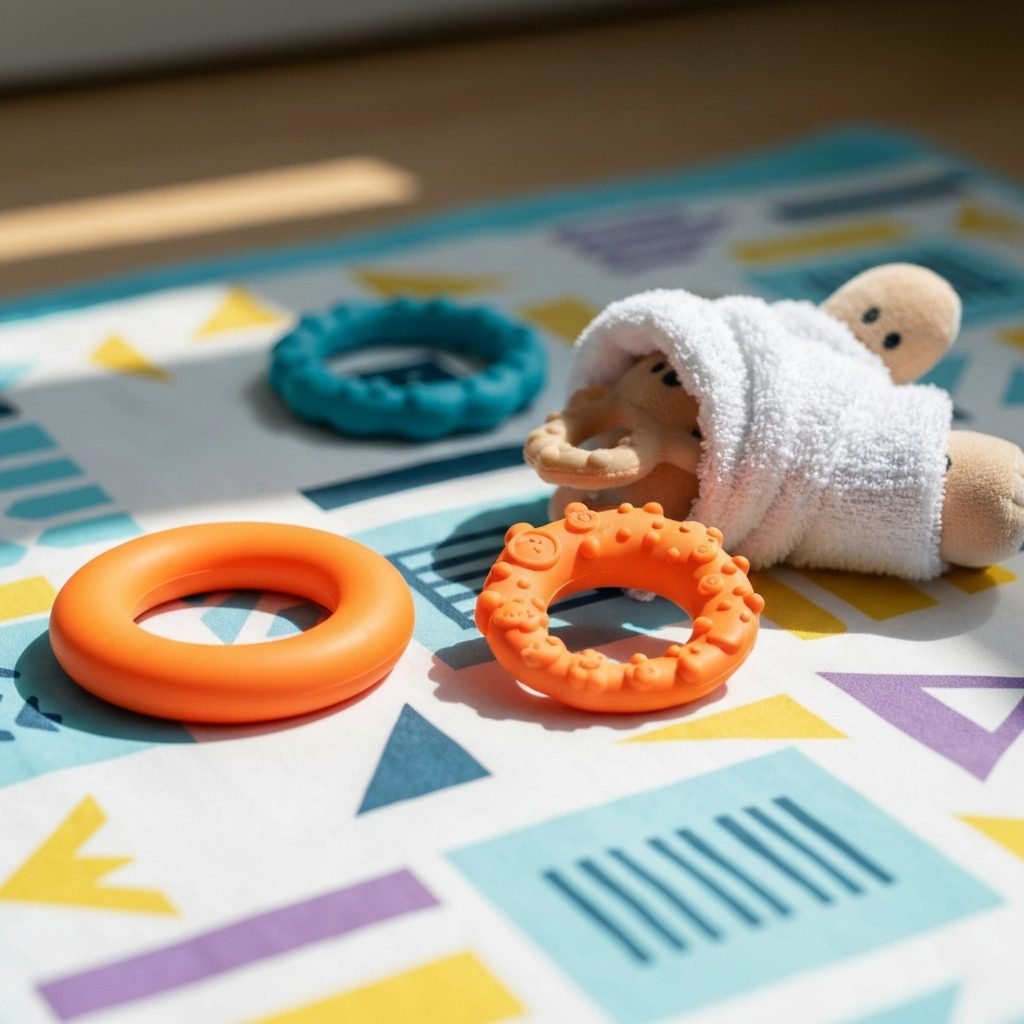
I would never leave you with just a list of warnings! I know your baby is still in pain, and you need real, safe solutions. The good news is there are many wonderful, doctor-approved ways to soothe those sore gums. Let’s build your teething toolkit!
Safe Teething Toolkit
- Counter-Pressure is Key: Babies love to gnaw when they’re teething because the pressure feels good on their gums. Offer them something safe to chew on! Look for solid (not liquid-filled) silicone or rubber teething toys. You can chill them in the refrigerator for extra relief, but never freeze them solid, as this can be too hard and damage their gums.
- A Gentle Gum Massage: Sometimes the simplest things work best. Wash your hands thoroughly and use a clean finger to gently but firmly rub your baby’s gums. The pressure can provide immediate, temporary relief.
- The Magic of a Cold Washcloth: Wet a clean washcloth, wring it out, and pop it in the fridge for 30 minutes. Let your baby chew on the cool, textured cloth. It’s simple, safe, and effective.
- Yummy Distractions (for older babies): If your baby has started solids, you can offer them cold foods like yogurt or applesauce. For babies over 6 months who are accustomed to chewing, a large, chilled carrot or a piece of cucumber can be soothing, but only with direct, constant supervision to prevent choking.
- When to Consider Medication: If your baby is truly miserable and nothing else is working, it’s okay to consider pain medication. Talk to your pediatrician about the correct dosage of infant acetaminophen (Tylenol) or ibuprofen (Advil or Motrin, for babies over 6 months). This should be a temporary solution for the toughest days, not a daily go-to.
A Quick Warning on Numbing Gels: Please avoid over-the-counter topical numbing gels or creams that contain benzocaine. The FDA has issued a warning against these products for infants as they can lead to a rare but serious condition called methemoglobinemia, which reduces the amount of oxygen in the blood.
Conclusion
I know how much you love your baby and that your search for teething solutions comes from a place of deep care. It’s easy to get drawn in by beautiful products and promising claims, especially when you’re exhausted and just want to make the pain stop. But when it comes to amber teething necklaces, the conclusion from the medical community is clear: the purported benefits are not supported by science, and the risks of choking and strangulation are very real.
Choosing to skip the necklace isn’t about judgment; it’s about empowerment. It’s about making an informed choice to protect your little one. You have so many safe, effective, and wonderful tools in your teething toolkit to comfort your baby through this temporary phase. So snuggle them close, offer them a cool teether, and know that you are doing an amazing job. This too shall pass, and you’re navigating it with love and wisdom. You’ve got this.