The Perfect Bath Temperature: Why Your Elbow Test Might Be Burning Your Baby
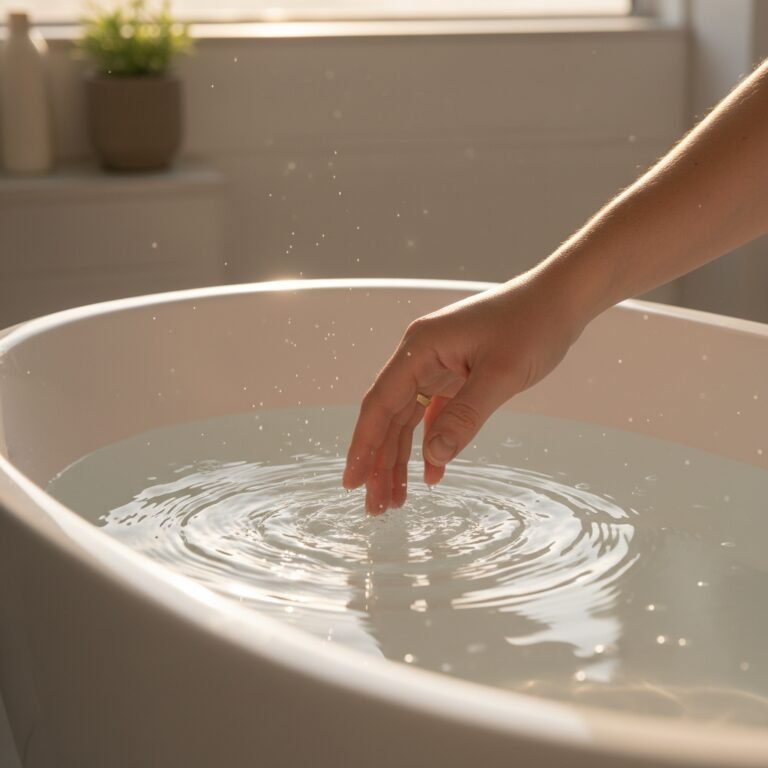
Hey there, new parent. You’re doing an amazing job. You’re navigating a world of firsts, from tiny yawns to mountains of diapers. And when it comes to bath time, you want it to be a sweet, splashy bonding experience, not a source of stress. You’ve probably heard the age-old advice: ‘Just test the water with your elbow; it’s more sensitive.’ It’s a tip passed down from our mothers and grandmothers with the best of intentions.
But what if I told you this classic trick is one of the most common, and potentially dangerous, pieces of outdated advice? As a pediatric nurse, I’ve seen the unfortunate results of good intentions gone wrong. Your baby’s skin is exquisitely delicate, and a temperature that feels ‘pleasantly warm’ to your elbow can be scalding hot for them. It’s time to gently set aside the elbow test and embrace a method that offers peace of mind and guaranteed safety. Let’s dive into the why, the how, and everything you need to know to make bath time the perfect temperature, every single time.
The Science of a Baby’s Skin: Why They’re So Sensitive
Why Your Skin and Your Baby’s Skin Live in Different Worlds
To understand why bath temperature is so critical, we need to appreciate the incredible difference between your skin and your newborn’s. Imagine your skin is like a sturdy, well-made raincoat. It has multiple layers that have thickened over years of exposure to sun, wind, and the elements. It’s a fantastic barrier that regulates your body temperature effectively.
Now, think of your baby’s skin. It’s more like a single, delicate layer of silk. Here’s what’s happening on a microscopic level:
- It’s Thinner: A baby’s epidermis (the outermost layer of skin) is up to 30% thinner than an adult’s. This means heat can penetrate much more quickly and deeply, turning a warm bath into a potential burn risk in seconds.
- Less Subcutaneous Fat: That adorable baby chubbiness isn’t just for cuddles; it’s insulation. But newborns, especially, have less of this insulating fat layer compared to older children and adults. This makes them less able to regulate their own body temperature. They can lose heat just as quickly as they can absorb it, so water that’s too cool is also a concern.
- Undeveloped Nervous System: A baby’s sensory system is still under construction. They can’t always react quickly or effectively to tell you something is wrong. They might not pull away from hot water instinctively, and their cries can be for any number of reasons, making it hard to pinpoint temperature discomfort immediately.
- Larger Surface Area to Body Weight Ratio: Proportionally, babies have a huge amount of skin relative to how much they weigh. This means their little bodies are much more affected by the environment, including the water they’re immersed in.
Because of these factors, your baby is incredibly vulnerable to burns at temperatures you might find perfectly comfortable. A bath you’d luxuriate in could be a serious hazard for them. This isn’t about being fragile; it’s about being brand new. Understanding this science is the first step in protecting that perfect, silky skin.
The Fatal Flaw: Deconstructing the Elbow Test
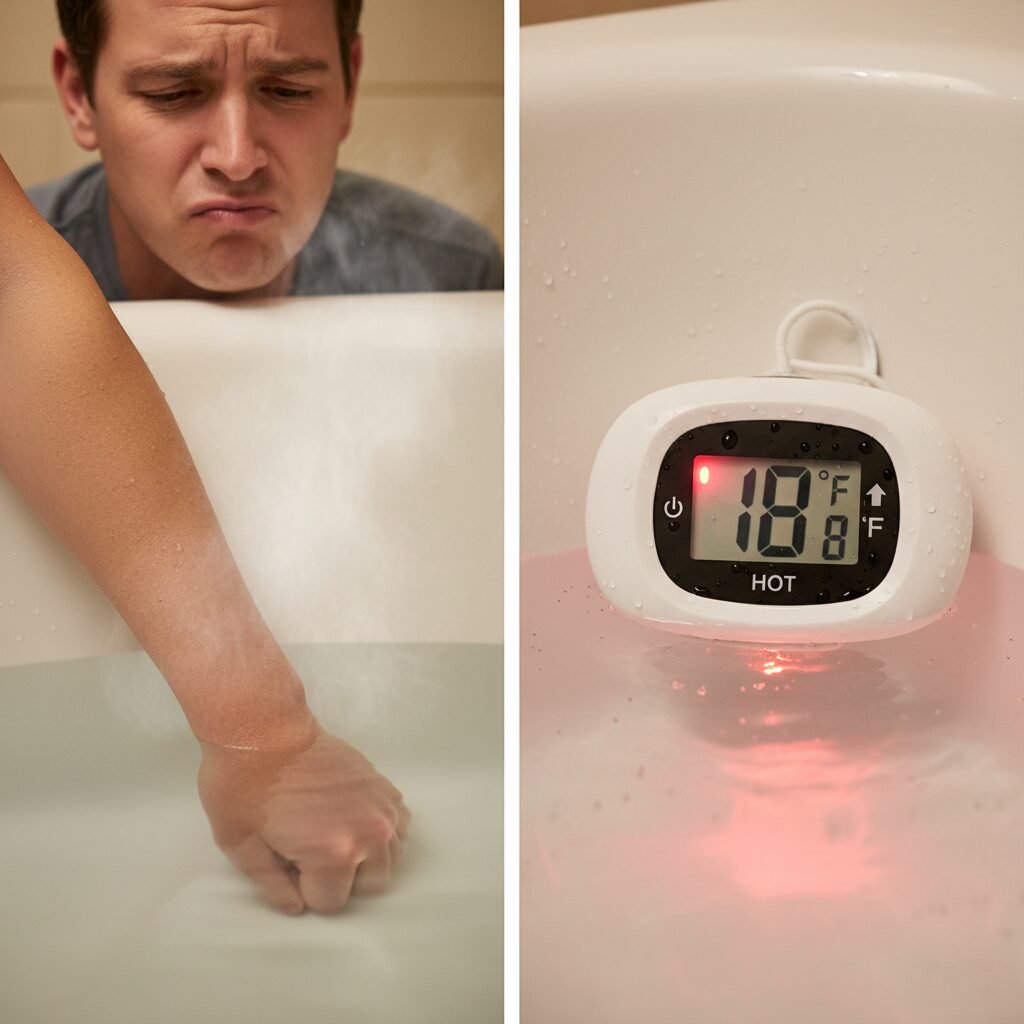
Why a ‘Good Enough’ Guess Isn’t Good Enough for Your Baby
The logic behind the elbow test seems sound at first. The skin on your elbow is thinner than on your hands, which are calloused from daily use. So, it should be a better gauge, right? Unfortunately, ‘better’ isn’t the same as ‘safe’. Relying on the elbow test is like trying to measure flour for a cake with your hands—you might get close, but the results are unpredictable.
Here’s a direct comparison of why this method fails where it matters most:
| The Elbow Test (Subjective Guess) | A Bath Thermometer (Objective Fact) |
|---|---|
| Relies on your personal perception, which can be affected by your own body temperature, the room’s air temperature, or even if you just had a hot coffee. | Provides a precise, numerical reading that is unaffected by external factors. 100°F is always 100°F. |
| Your elbow skin, while more sensitive than your hand, is still adult skin. It’s thicker and less reactive than a baby’s entire body. | It measures the water’s actual temperature, which is exactly what your baby’s entire body will be feeling. |
| Offers no specific data. ‘Feels about right’ isn’t a safety standard. What does that even mean? | Gives you a clear, safe range. Most pediatricians recommend between 98°F and 100°F (37°C to 38°C). |
| You can’t communicate your ‘feel’ to a partner or caregiver. Your ‘just right’ might be their ‘too hot’. | Anyone can read the number on the thermometer, ensuring consistent safety no matter who is giving the bath. |
Safety Warning: Water heaters in homes are often set to 140°F (60°C). At this temperature, a serious burn can occur in less than 5 seconds. Even at 120°F (49°C), a burn can happen in just a few minutes. The elbow test is simply not precise enough to protect against these risks.
Think about it: we use thermometers to check for fevers because a ‘warm forehead’ isn’t accurate enough for a medical decision. We should apply that same level of care and precision to the water we place our babies in. The risk of getting it wrong is just too high.
The Gold Standard: Your Guide to Using a Bath Thermometer
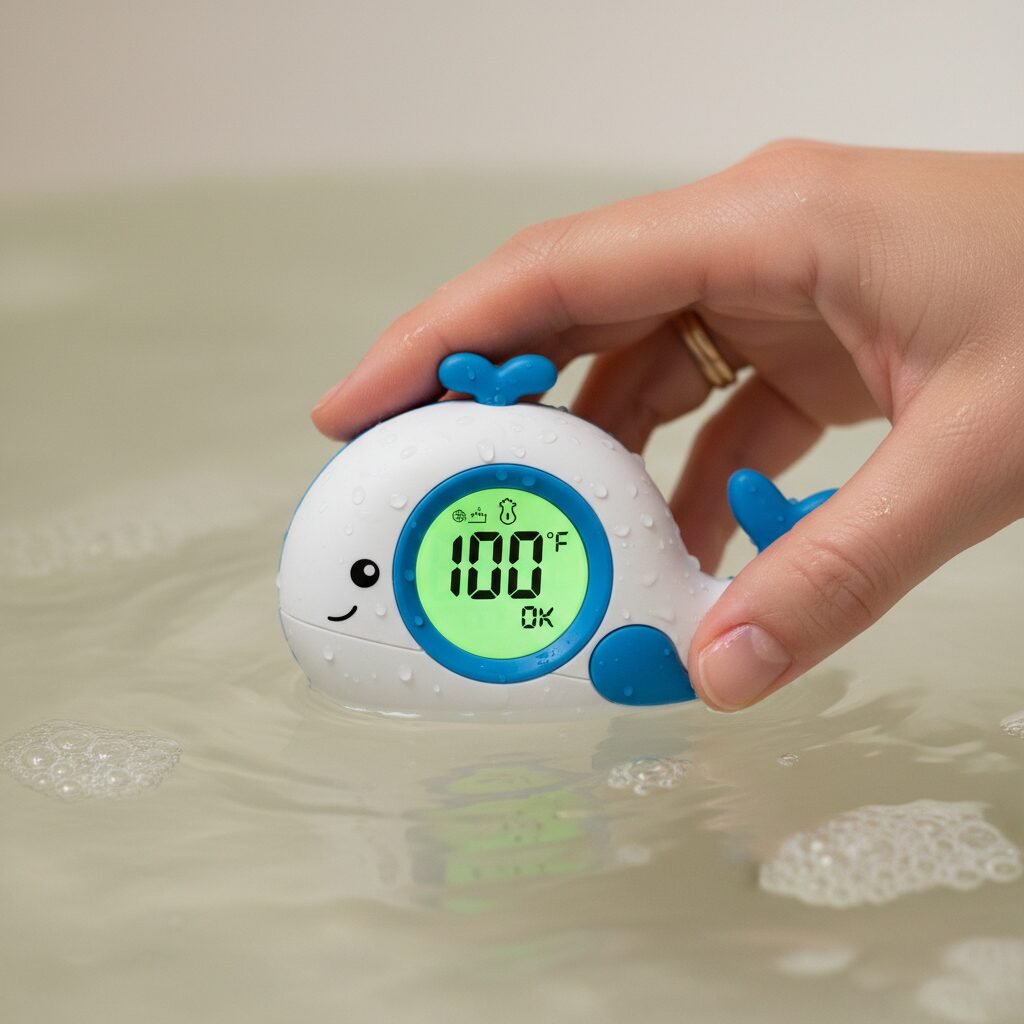
Embracing Precision for Ultimate Peace of Mind
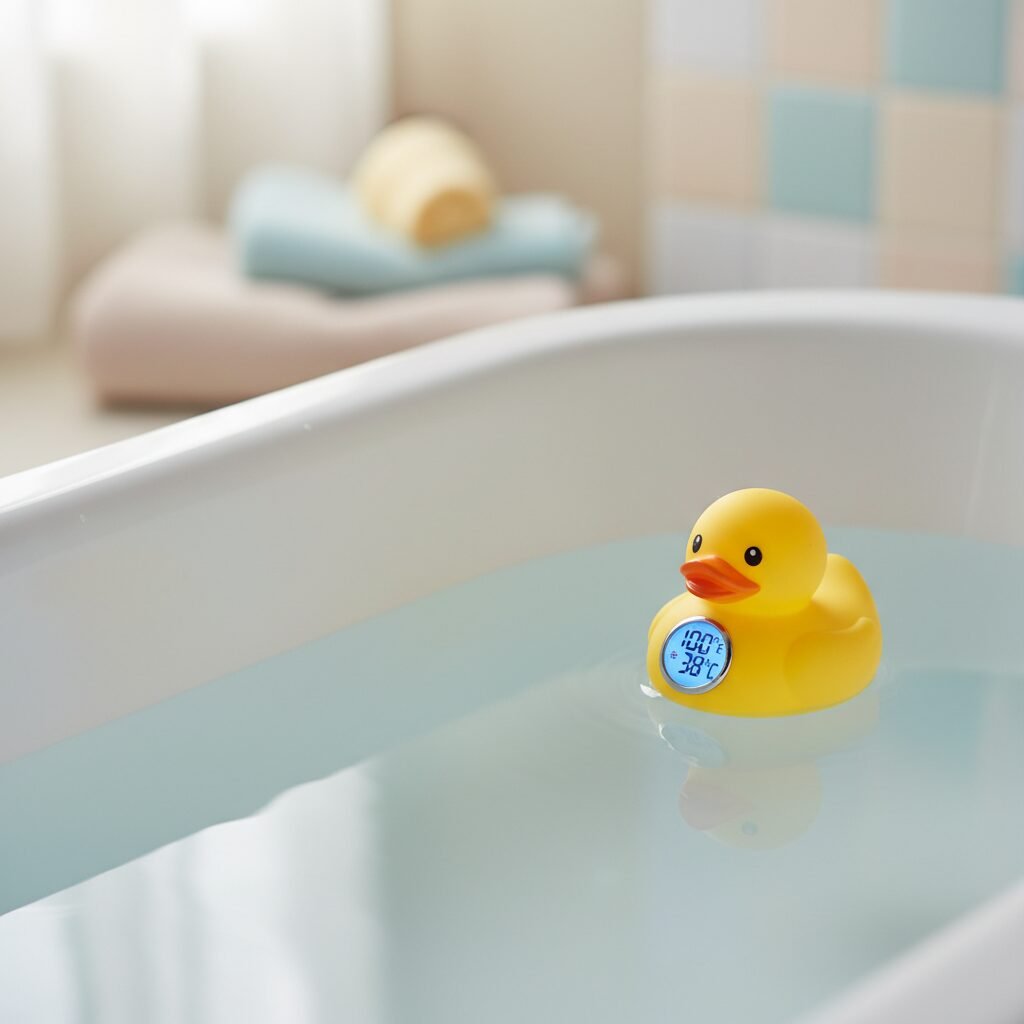
Okay, so we’ve agreed to retire the elbow test. Welcome to the era of the bath thermometer! This simple, inexpensive tool is one of the most important pieces of baby gear you can own. It removes all guesswork and anxiety, transforming bath time into a purely joyful experience. And honestly, they’re kind of fun—many are designed as cute floating bath toys!
What is the Perfect Baby Bath Temperature?
The universally recommended safe and comfortable temperature for a baby’s bath is right around their own body temperature. Aim for a Goldilocks zone that’s not too hot, not too cold, but just right:
- The Sweet Spot: 100°F (or 38°C).
- The Safe Range: Anything between 98°F and 100.4°F (37°C to 38°C) is generally considered safe and comfortable.
- The Danger Zone: Absolutely never exceed 101°F. Anything over this dramatically increases the risk of burns.
How to Use a Bath Thermometer Correctly
It’s incredibly simple, but a few pro tips ensure you get an accurate reading every time:
- Start with Cold: Begin by putting a few inches of cold water into the tub first. This prevents the bottom of the tub from getting dangerously hot.
- Add the Hot: Slowly add hot water until you have the desired depth (about 2-3 inches for a newborn).
- Swirl and Mix: Use your hand to swirl the water around thoroughly. Hot and cold water don’t always mix immediately, leading to dangerous ‘hot spots’. This is a critical step!
- Float the Thermometer: Place the thermometer in the water and let it float for a minute to get an accurate reading. Many digital ones will show the temperature instantly and even have a color-coded light (green for good, red for too hot).
- Check and Re-Check: The water will cool down as the bath goes on. If you need to add more warm water, always take your baby out of the tub first. Add the warm water, swirl thoroughly again, and re-test with the thermometer before putting your baby back in.
Investing in a five-dollar bath thermometer buys you an immeasurable amount of confidence. It’s a simple swap that makes a world of difference, allowing you to relax and focus on the giggles and splashes.
Your Step-by-Step Guide to a Perfect, Peaceful Bath
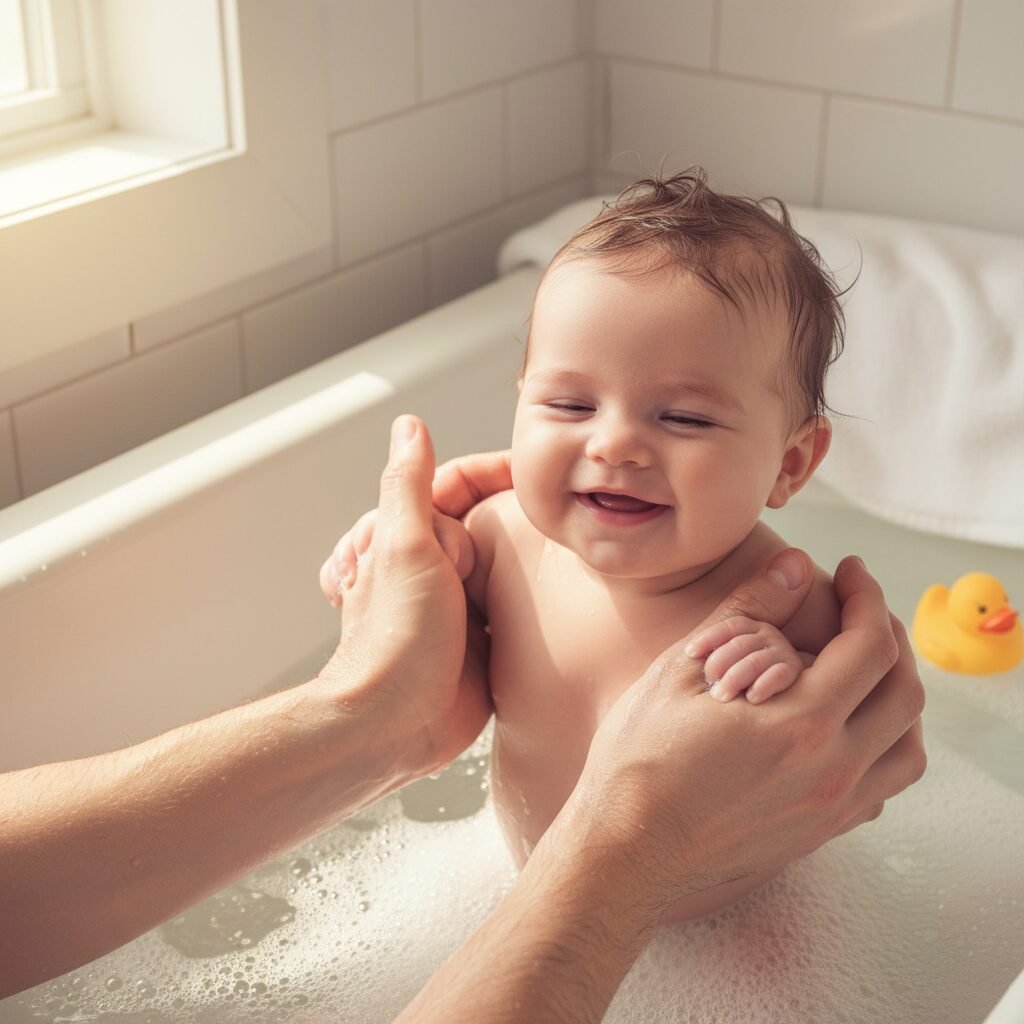
From Prep to Cuddles: A Foolproof Routine
Now that you’re a temperature expert, let’s put it all together into a calm, seamless routine. Preparation is everything when it comes to baby bath time. Having everything you need within arm’s reach means you never have to take your hands or your attention off your little one.
Step 1: The Pre-Bath Checklist
Before a single drop of water is run, gather your supplies. Think of it as your bath time mission control!
- A clean, soft towel (hooded ones are great for keeping their head warm)
- A fresh diaper and clean clothes or pajamas
- Baby soap and shampoo (use sparingly for newborns)
- A soft washcloth
- Your trusty bath thermometer
- A clean baby tub or sink insert
Make sure the room is warm and free of drafts. A chilly room can make a perfectly warm bath feel cold the second your baby gets out.
Step 2: The Perfect Pour
Follow the temperature steps from the previous section: cold water first, then hot. Fill the tub to a safe depth—for newborns, 2 to 3 inches is plenty. You want enough to keep them warm but not so much that it’s a safety concern.
Step 3: Swirl, Test, and Confirm
Swirl the water vigorously to eliminate any hot spots. Float your thermometer and wait for the reading. Are you in the 98-100°F sweet spot? Perfect. You’re ready for launch.
Step 4: The Gentle Entry
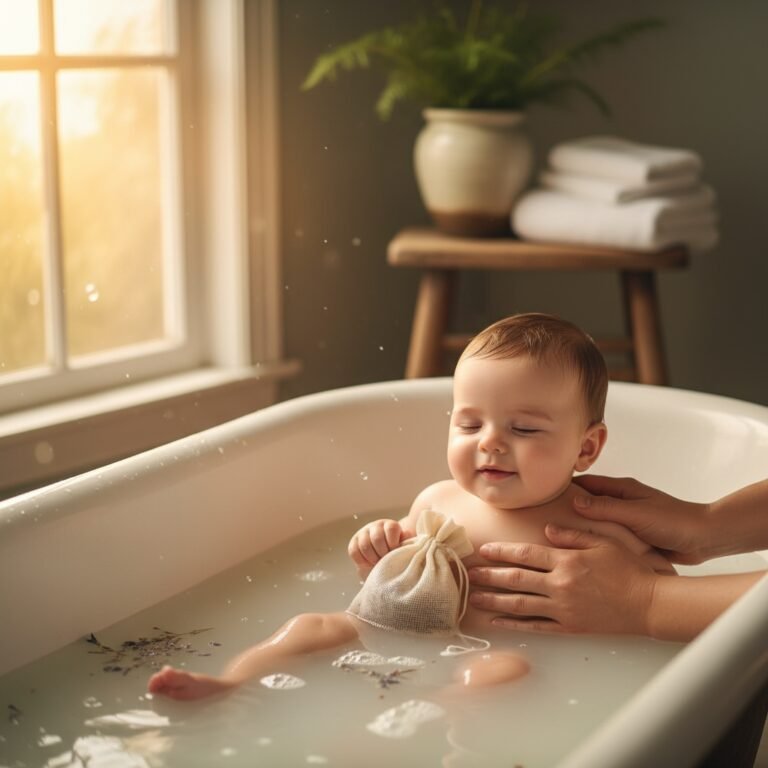
Support your baby’s head and neck with one hand and their bottom with the other. Gently and slowly lower them into the water, feet first. Keep a firm, reassuring grip at all times. Talk to them in a calm, soothing voice to let them know everything is okay.
Step 5: The Wash
Keep the bath brief, especially for newborns (5-10 minutes is ideal). Use a soft washcloth to gently clean their face, folds of their neck, and diaper area. You can save washing their hair for last to prevent them from getting too cold. Keep pouring warm bath water over their torso to keep them comfortable.
A Crucial Safety Rule: Never, ever leave your baby unattended in the bath, not even for a split second to grab a towel. Keep one hand on them at all times.
Step 6: The Cozy Exit
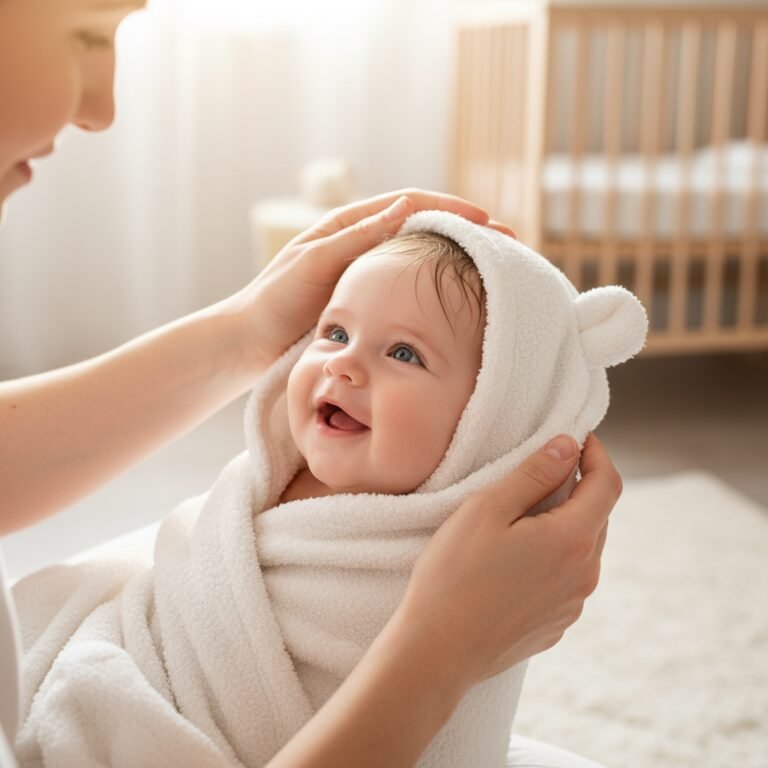
Lift your baby out of the tub using the same supportive hold and immediately wrap them in the prepared hooded towel. Pat them dry gently, paying special attention to those adorable little skin folds. Get them diapered and dressed quickly so they don’t catch a chill. Finish with a warm cuddle—the best part of bath time!
What If the Water Is Too Hot? Recognizing and Responding to Minor Burns
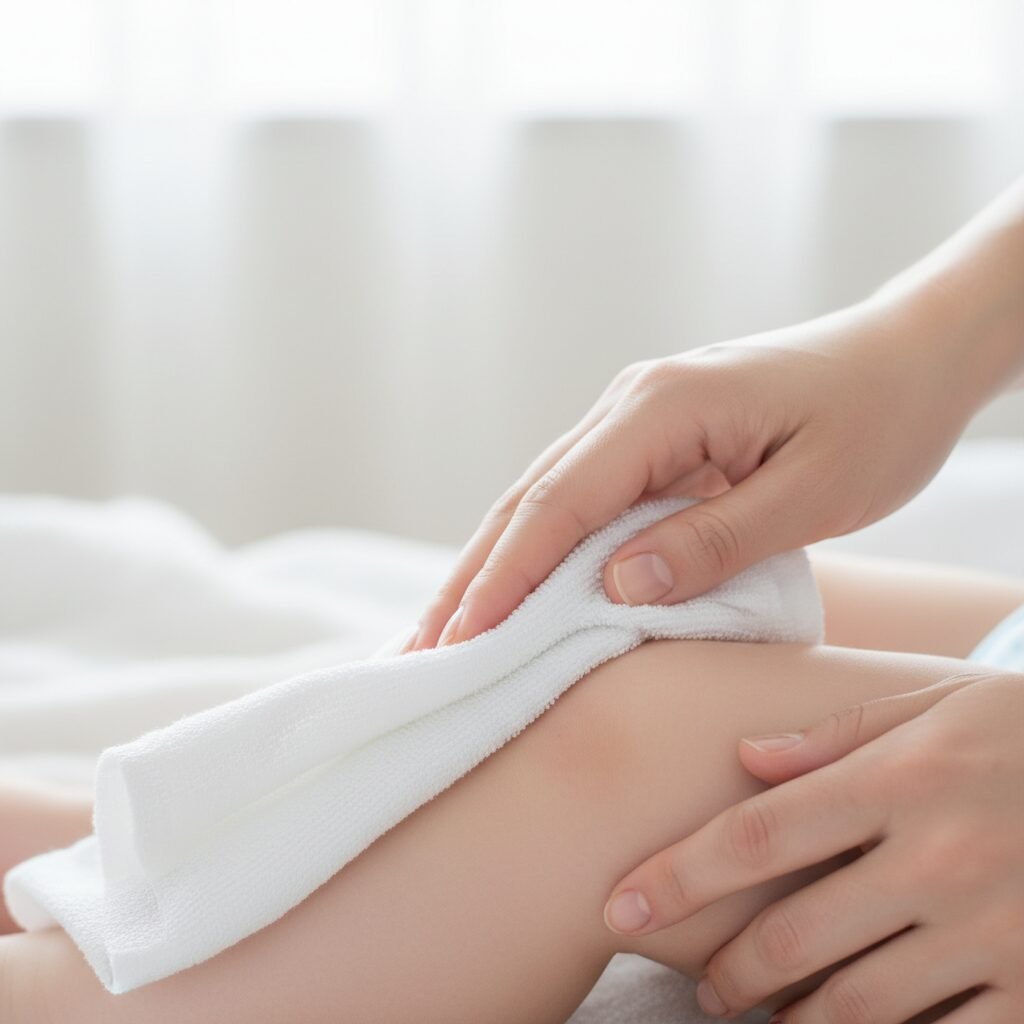
Staying Calm and Taking Action
Accidents can happen even to the most careful parents. Maybe the water wasn’t mixed well, or your water heater spiked unexpectedly. The key is to know what to look for and how to respond immediately. Crying during a bath can mean many things, but if it’s sudden, sharp, and inconsolable, a temperature issue could be the cause.
Signs of a Minor Burn (First-Degree)
A burn from bathwater that is too hot will typically be a first-degree burn. Here’s what to look for:
- Sudden Redness: The skin will appear red, similar to a sunburn.
- Pain and Sensitivity: Your baby will cry and be very sensitive to touch in that area.
- No Blisters: For a minor, first-degree burn, you typically will not see any blistering. Blisters indicate a more serious (second-degree) burn.
Immediate First-Aid Steps
If you suspect the water was too hot and see redness, act fast:
- Remove Immediately: Take your baby out of the water instantly.
- Cool the Area: Hold the affected area under cool (not cold or icy) running water for 10 to 20 minutes. You can also apply a clean cloth soaked in cool water. This is the single most important step to stop the burning process and reduce pain.
- Do Not Use Ice: Never apply ice, as it can cause further damage to the delicate skin.
- Do Not Apply Ointments or Butter: Avoid any greasy ointments, creams, or old home remedies like butter. These can trap heat and increase the risk of infection.
- Comfort Your Baby: Swaddle and comfort your baby. A little extra love and reassurance go a long way.
When to Call the Doctor
While minor redness may resolve on its own, it’s always best to err on the side of caution with a baby. You should call your pediatrician immediately if:
- The burn forms a blister of any size.
- The burn is on a sensitive area like the face, hands, feet, or genitals.
- The reddened area is larger than your palm.
- You are in any way uncertain about the severity of the burn.
Knowing these steps can empower you to act quickly and confidently, turning a scary moment into a manageable one. But by using a thermometer every time, you can hopefully avoid this situation altogether.
Conclusion
There you have it. The humble bath thermometer: a small tool that delivers huge peace of mind. By trading the unreliable elbow test for this simple, accurate device, you’re not just preventing a potential accident; you’re consciously creating a space of safety and trust for your child. You’re showing them that bath time is a time for warm, gentle care, connection, and fun—not fear or discomfort.
So, let go of any guilt about not knowing this before. We’re all learning as we go, and the best parents are the ones who are open to new information that keeps their babies safe. Now you have the knowledge and the tools. Go enjoy those precious, splashy moments, confident that you’ve made them perfectly, wonderfully, and safely warm.