
The Witching Hour Cure: A DIY Herbal Bath Recipe That Soothes Fussiness
If the clock striking 5 p.m. sends a shiver of dread down your spine, you might be a new parent experiencing the infamous witching hour. It’s that mystifying time of day when your otherwise sweet baby transforms into a fussy, crying, and seemingly inconsolable little being. You’ve fed them, changed them, burped them, and rocked them… but nothing seems to work. Sound familiar? First, take a deep breath. You are not alone, and you are doing an amazing job. This period of intense fussiness is a normal, albeit challenging, phase for many newborns.
As a pediatric nurse and lactation consultant, I’ve sat with countless exhausted parents who feel like they’re at their wits’ end. They often ask, ‘Is there anything, anything, that can help?’ The answer is yes. While there’s no magic wand, there are gentle, effective strategies to help soothe your baby and navigate this tricky time. One of my favorite recommendations is creating a calming ritual, and at the heart of that ritual is a simple, beautiful, and wonderfully effective DIY herbal bath. Let’s explore what the witching hour is all about and how this gentle remedy can bring a wave of calm to your home.
What Exactly *Is* the Witching Hour?

Before we dive into the remedy, let’s demystify the problem. The term ‘witching hour’ sounds dramatic, but it perfectly captures the feeling for many parents. It typically occurs in the late afternoon or early evening, usually between 5 p.m. and midnight, and can last for several hours. Your baby might cry more intensely, be harder to soothe, and seem generally unhappy for no apparent reason.
While experts don’t have one single definitive cause, it’s likely a perfect storm of several factors:
- Overstimulation: Think about it from your baby’s perspective. They’ve spent the entire day taking in new sights, sounds, and sensations. Their developing nervous system can get overwhelmed, and this fussiness is their way of releasing all that pent-up stimulation.
- Developmental Leaps: Your baby’s brain and body are growing at an astonishing rate. These growth spurts, often called ‘leaps,’ can make them feel unsettled and extra needy.
- Gas and Discomfort: A baby’s digestive system is still maturing. Gas can build up throughout the day, leading to discomfort by evening. Sometimes, this period coincides with cluster feeding, where babies want to nurse frequently, which can also contribute to gassiness.
- Parental Stress: Babies are incredibly attuned to our emotions. After a long day, you’re tired too! Your baby can pick up on your stress, creating a feedback loop of fussiness.
Remember: The witching hour is a phase, not a reflection of your parenting. It’s a sign that your baby is developing normally and learning to process the world around them. This too shall pass.
Understanding these potential triggers is the first step. It helps us see the behavior not as ‘bad’ but as a communication of need. Your baby is saying, ‘I’m overwhelmed, and I need help calming down.’ And that’s exactly where a soothing ritual comes in.
The Science of Soothing: Why an Herbal Bath Works Wonders

A warm bath is instinctively calming for most babies, but adding specific herbs elevates it from a simple cleaning routine to a powerful therapeutic experience. It’s a multi-sensory approach that addresses several of the witching hour triggers at once.
The Magic of Warm Water
For nine months, your baby’s world was the warm, secure, aquatic environment of the womb. A warm bath is a powerful sensory reminder of that safe place. The buoyancy of the water helps relax their tiny, tense muscles, and the consistent, gentle pressure on their skin is deeply reassuring. It signals to their nervous system that it’s time to switch from ‘high alert’ to ‘rest and digest’ mode.
Gentle Aromatherapy and Skin Benefits
The real secret ingredient is the blend of baby-safe herbs. When steeped in warm water, these plants release their volatile oils and therapeutic compounds, creating a gentle aromatherapy session that is both calming for your baby and for you. We’re not using potent essential oils here, which can be too strong for a baby’s delicate system. Instead, we’re using the whole, dried herbs for a much softer, safer effect.
- Chamomile: This is the superstar of calming herbs. It’s well-known for its gentle sedative properties that can help ease fussiness and promote sleep. It’s also anti-inflammatory, making it wonderful for soothing irritated skin.
- Lavender: The scent of lavender is almost universally associated with relaxation. It has been shown to calm the nervous system, reduce anxiety, and prepare the body for rest.
- Calendula: While not as known for its sedative effects, calendula is a powerhouse for skin health. It’s incredibly healing, anti-inflammatory, and can soothe everything from minor rashes to dry, sensitive skin. A comfortable baby is a calmer baby.
By combining the warmth of the water with the gentle power of these herbs, you’re creating a ritual that signals the end of a busy day and the beginning of a peaceful evening. It’s a beautiful way to connect with your baby and wash away the stresses of the day for both of you.
Your DIY Herbal Bath Recipe: A Step-by-Step Guide

Ready to create your own little bag of calm? This recipe is simple, safe, and easy to prepare. Think of it as making a giant tea bag for your baby’s bath. It keeps the herbs contained, so you don’t have to worry about cleaning petals out of the tub or baby’s hair.
What You’ll Need (Ingredients & Supplies)
- 2 tablespoons dried Chamomile flowers
- 1 tablespoon dried Lavender buds
- 1 tablespoon dried Calendula petals
- A small, reusable muslin cotton bag with a drawstring, or a square of cheesecloth and some cotton twine
- A large, heat-proof bowl or pitcher (at least 4 cups)
- Your baby’s bathtub
- Warm, clean towels
A quick note on sourcing: Always purchase high-quality, organic, food-grade dried herbs from a reputable source to ensure they are free from pesticides and other contaminants.
Step-by-Step Instructions
- Create Your Herbal Sachet: Combine the chamomile, lavender, and calendula in a small bowl and mix them gently. Spoon the mixture into your muslin bag and pull the drawstring tight. If using cheesecloth, place the herbs in the center, gather the corners, and tie it securely with twine to create a little pouch.
- Steep the ‘Tea’: Place the herbal sachet into your heat-proof bowl or pitcher. Boil about 4 cups of water and pour it over the sachet, just as you would when making tea. Let it steep for at least 10-15 minutes. You’ll see the water turn a lovely golden color and smell the beautiful, calming aroma fill the air.
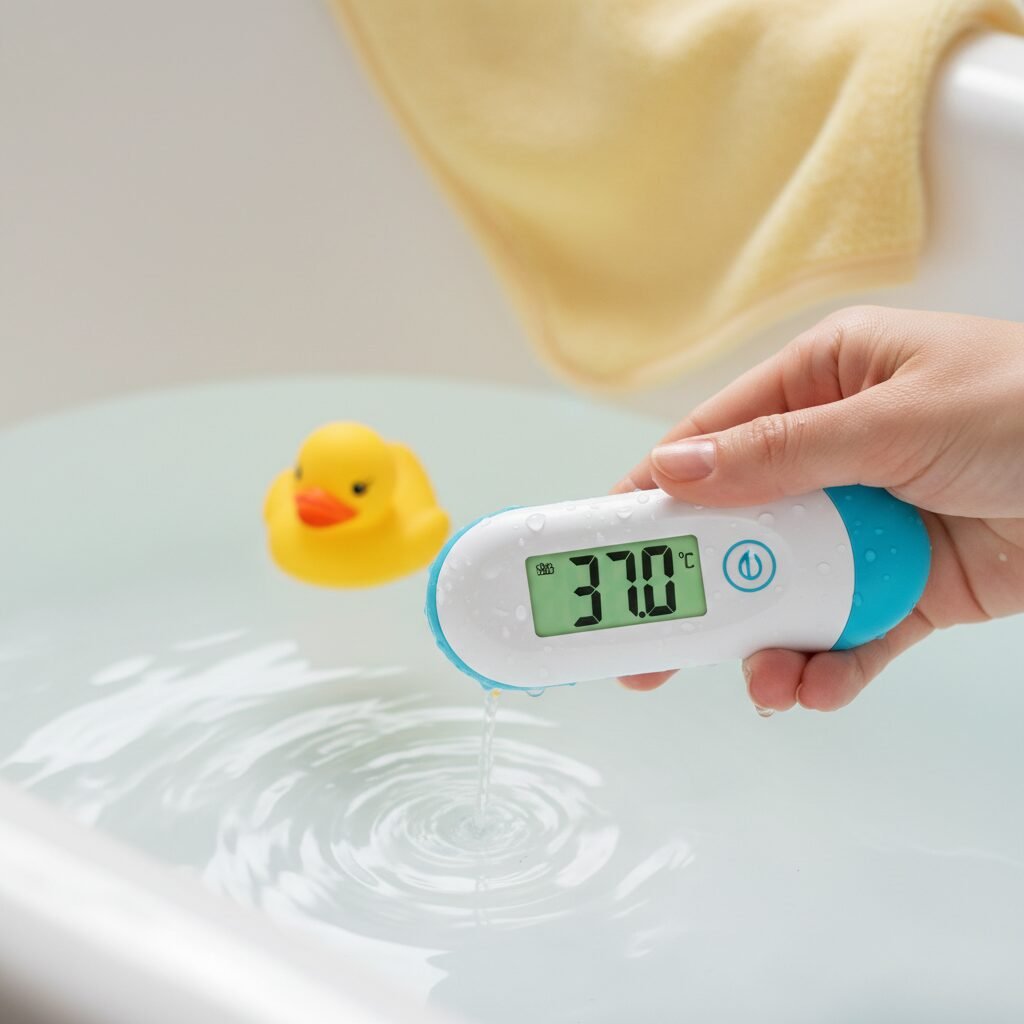
- Prepare the Bath: While the herbs are steeping, prepare your baby’s bath area. Fill the baby tub with warm water. Remember the golden rule for bath temperature: it should feel warm, not hot, to your wrist or elbow. A bath thermometer is a great tool for peace of mind, aiming for a temperature between 98°F and 100°F (37°C to 38°C).
- Combine and Cool: Remove the herbal sachet from the pitcher (give it a good squeeze to get all the goodness out!) and add the concentrated herbal ‘tea’ to the bathwater. Swirl it around to mix it in thoroughly. You can even let the sachet float in the tub during the bath for a little extra infusion.
- Final Temperature Check: Always, always do one last temperature check after adding the herbal infusion to make sure the bath is a safe and comfortable temperature for your baby.
- Enjoy the Soak: Gently place your baby in the bath. Use the time to talk or sing softly to them. Use a soft cloth to pour the warm, herbal water over their shoulders and tummy. Aim for a 10-15 minute soak to allow them to fully relax and absorb the benefits.
After the bath, wrap your baby in a warm towel, give them lots of cuddles, and ease into your evening routine of feeding and preparing for sleep. You may be surprised at how much calmer and sleepier they are!
Safety First! Important Precautions for Herbal Baths
As a healthcare professional, my top priority is always your baby’s safety. While this herbal bath is wonderfully gentle, it’s essential to follow some common-sense precautions.
- Consult Your Pediatrician: It’s always a good idea to chat with your pediatrician before introducing anything new, including herbs, especially if your baby has very sensitive skin, eczema, or known allergies.
- Do a Patch Test: The first time you try this bath, test for any skin sensitivity. You can do this by dabbing a small amount of the cooled herbal infusion on a small patch of your baby’s skin (like their arm or leg) and waiting 20-30 minutes to see if any redness or irritation occurs.
- Herbs are for the Water, Not the Mouth: Using a sachet is key because it prevents your baby from accidentally ingesting the herbs. Keep the bag and the herbal water out of their eyes and mouth as much as possible.
- Supervision is Non-Negotiable: This is the most important rule of bath time, with or without herbs. Never, ever leave your baby unattended in the bath, not even for a second. Gather all your supplies (towel, diaper, clothes) beforehand so they are within arm’s reach.
Safety Warning: Always maintain a firm, supportive hold on your baby throughout the bath. A slippery baby is a very real risk. Your constant, loving touch is the most important safety feature.
Following these simple guidelines ensures that this calming ritual remains a safe, positive, and stress-free experience for both you and your precious little one.
Beyond the Bath: More Witching Hour Survival Tips

The herbal bath is a fantastic tool to have in your parenting toolkit, but it’s always good to have a few other tricks up your sleeve. The witching hour can be unpredictable, and what works one day might not work the next. Here are some other tried-and-true strategies to help you through.
| Technique | Why It Works | How to Do It |
|---|---|---|
| Swaddling | Recreates the snug, secure feeling of the womb, which can calm a baby’s startle reflex and help them feel safe. | Use a large, lightweight blanket to wrap your baby snugly, keeping their arms close to their body but allowing their hips to be loose and move freely. |
| Babywearing | Keeps baby close to your heartbeat and warmth, which is incredibly regulating for their nervous system. It also frees up your hands! | Use a soft-structured carrier, sling, or wrap to carry your baby on your chest. Go for a walk or simply move around the house. The motion is often very calming. |
| White Noise | Mimics the constant ‘whooshing’ sounds your baby heard in the womb, which can block out other stimulating noises. | Use a dedicated white noise machine, a fan, or even a white noise app on your phone. Keep the volume at a reasonable level (no louder than a soft shower). |
| A Change of Scenery | Sometimes, simply changing the environment can break the cycle of fussiness by offering a gentle distraction. | Step outside for a few minutes of fresh air. Even just moving to a different room with different lighting can sometimes be enough to reset your baby’s mood. |
| The ‘5 S’s’ | Developed by Dr. Harvey Karp, this is a sequence of soothing techniques: Swaddling, Side/Stomach position (while holding), Shushing, Swinging, and Sucking (pacifier/nursing). | Layer these techniques together. For example, hold your swaddled baby on their side, shush loudly in their ear, and gently swing them. This combination is a powerful calming reflex trigger. |
Don’t feel pressured to try everything at once. Pick one or two that feel right for you and your baby. The goal isn’t to ‘fix’ your baby, but to lovingly support them through a challenging developmental phase. Be patient with your baby, and most importantly, be patient and kind to yourself.
Conclusion
Navigating the witching hour can feel like one of the first great challenges of parenthood. It tests your patience, tugs at your heartstrings, and leaves you utterly exhausted. But remember, this intense period of fussiness is temporary. It’s a sign that your baby is growing and their brain is developing in incredible ways. By building a toolbox of calming rituals, like the gentle herbal bath, you are not only soothing your baby in the moment but also teaching them how to wind down and feel secure.
This simple act of preparing a warm, fragrant bath is as much for you as it is for them. It’s a chance to slow down, breathe, and connect. You are giving your baby the gift of comfort and yourself the gift of confidence. You have the intuition and the strength to meet your baby’s needs. You’ve got this, and before you know it, these fussy evenings will be replaced by sleepy smiles and peaceful nights.