

7 Ways to Stop the Maddening C-Section Incision Itch Instantly
First of all, mama, let’s just take a moment to acknowledge the incredible thing you’ve done. You brought a beautiful baby into this world, and your body went through a major surgery to do it. You are a superhero. Now, let’s talk about one of the less-than-super parts of the recovery: the itch. That maddening, distracting, can’t-quite-reach-it itch along your C-section incision can be enough to make you want to climb the walls. I’ve seen countless new moms dealing with this, and I want you to know two things: it is completely normal, and you do not have to just suffer through it.
This itch is actually a positive sign! It means your nerves are regenerating and your skin is healing. As the tiny nerve endings that were cut during surgery start to wake up and regrow, they send mixed signals to your brain, which are often interpreted as an itch. While it’s a good thing biologically, it can feel like a form of torture when you’re also sleep-deprived and caring for a newborn. The good news is that there are safe, effective, and nearly instant ways to calm that sensation without compromising your healing. In this guide, we’ll walk through seven gentle methods to soothe the itch, discuss what to avoid, and cover the important signs that warrant a call to your doctor. Let’s get you some relief!
Why Is My C-Section Scar So Itchy? Understanding the Healing Process

Before we dive into the solutions, let’s quickly understand what’s happening under the surface. Knowing the ‘why’ can make the ‘what’ feel a lot less alarming. Your C-section incision goes through multiple layers of tissue, and the healing process is complex. The itch you’re feeling is a cocktail of a few different biological processes working together.
Nerve Regeneration
This is the biggest culprit. During the surgery, small nerve fibers in your skin were severed. As they begin to heal and regrow, they fire off signals a bit randomly. Your brain, not quite sure what to make of these new, jumbled messages, often interprets them as an itch. Think of it like a faulty electrical connection flickering on and off as it’s being repaired. This is a fantastic sign of healing, even if it feels incredibly annoying.
Histamine Release
Any time your body is healing an injury, it sends inflammatory cells to the area to clean up and rebuild. This process involves the release of a chemical called histamine. Histamine helps your cells communicate and fight off potential invaders, but it has a well-known side effect: it makes you itch! It’s the same substance responsible for the itchiness of mosquito bites or allergic rashes.
Skin Stretching and Dryness
As your incision heals, new collagen fibers form, creating scar tissue. This new tissue is less elastic than your original skin and can feel tight. On top of that, the skin around the healing area can become very dry. Both the pulling sensation of the new scar and the dryness can trigger your skin’s itch receptors. It’s your body’s way of saying, “Hey, pay attention here, something is changing!”
A Quick Note: While most itching is normal, it’s important to distinguish it from a potential infection. A normal healing itch feels like it’s on the surface or just under the skin. An itch accompanied by deep pain, smelly discharge, fever, or spreading redness is not normal. We’ll cover these red flags in more detail later.
7 Instant Itch-Relief Methods (That Are Safe for Your Incision)
Alright, let’s get to the good stuff—the relief! Here are seven tried-and-true methods that are safe for your healing body. Remember to always be gentle with yourself and your incision area.
-
Cool Compress Magic
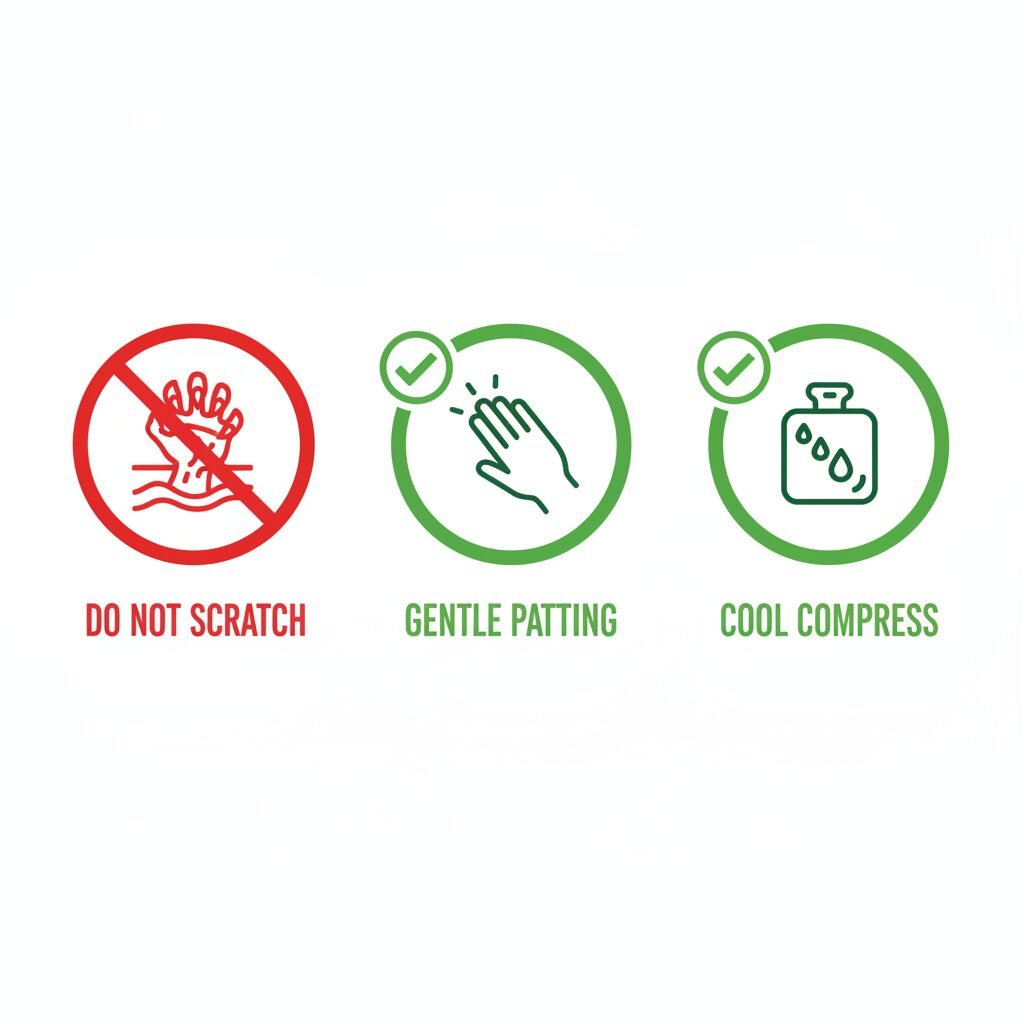
Cold is your best friend when it comes to itching. A cool compress works by gently numbing the nerve endings and reducing inflammation, which calms the histamine response. How to do it: Grab a clean, soft washcloth and run it under cool water. Wring it out so it’s damp, not dripping. Gently lay it over the itchy area (on top of your clothing or directly on the skin next to the incision, but not on a fresh, open wound) for 5 to 10 minutes. You can also use a small gel pack wrapped in a cloth. The relief is almost immediate.
-
Gentle Tapping or Counter-Pressure
Your instinct is to scratch, but that’s the number one thing to avoid as it can introduce bacteria and damage healing tissue. Instead, you can trick your brain. Gently tap or pat the skin around the itchy spot with clean fingertips. You can also apply firm, steady pressure with the flat of your hand. This creates a different sensation that overrides the itch signal traveling to your brain. It’s a safe way to ‘scratch’ the itch without actually scratching.
-
Moisturize the Surrounding Skin
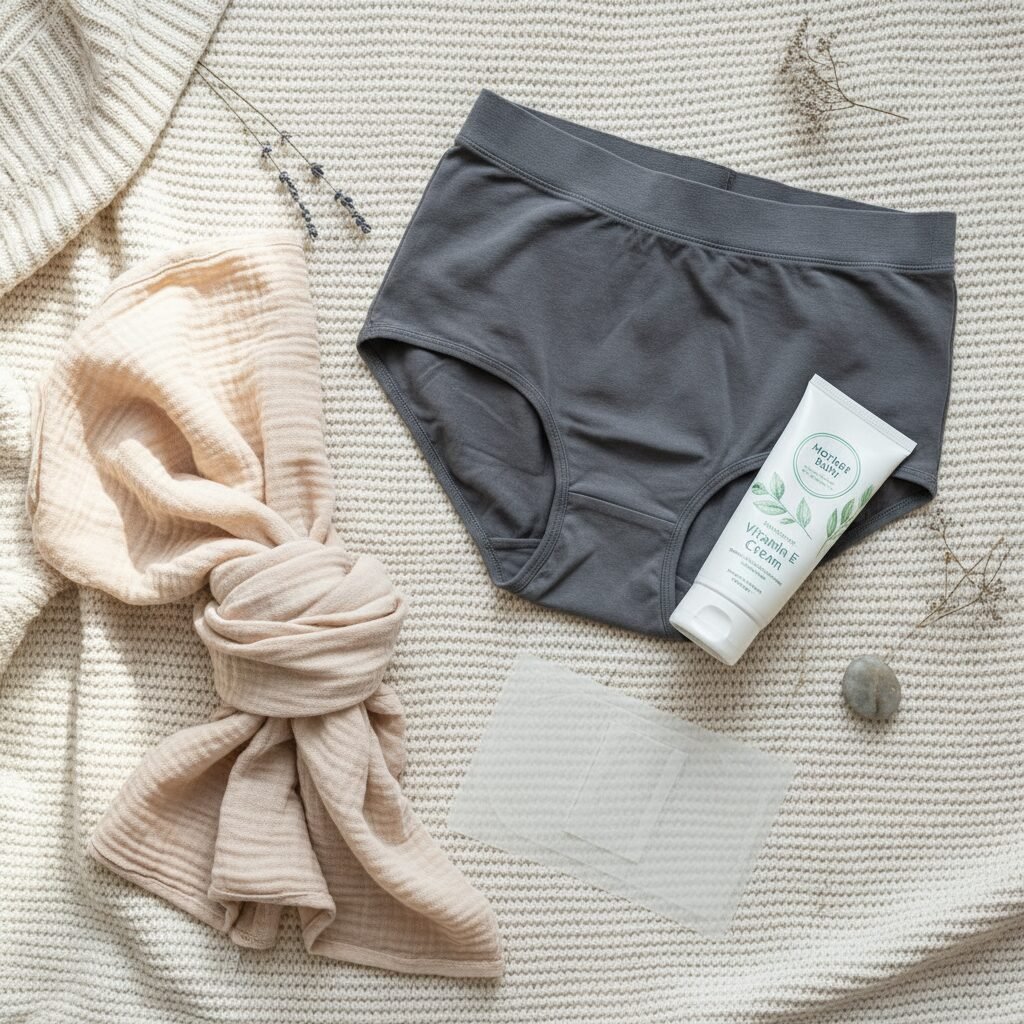
Dry skin is itchy skin. While you should never put lotions or creams directly onto an incision that isn’t fully closed and healed, you can—and should—moisturize the skin around it. Keeping the surrounding belly skin hydrated can reduce the pulling sensation and overall dryness. What to use: Opt for a thick, unscented, hypoallergenic moisturizer. Ingredients like Vitamin E and cocoa butter can be wonderfully soothing. Apply it gently, at least an inch away from the incision itself, until your doctor gives you the green light to apply it over the scar.
-
Loose, Breathable Fabrics are Your Best Friend
Friction is the enemy of a healing incision. Tight waistbands, synthetic fabrics that trap heat and moisture, and rough textures can all exacerbate itching. Make your postpartum wardrobe all about soft, loose, and breathable materials. Think high-waisted cotton underwear (that goes up and over your incision), flowy dresses, loose-fitting joggers, and soft maternity leggings.
-
Consider an Over-the-Counter Antihistamine
If the itch is relentless and interfering with your sleep, an oral antihistamine (like Benadryl or Zyrtec) might be an option. These medications work systemically to block the histamine response.
Safety First: You MUST check with your doctor or pharmacist before taking any new medication, especially if you are breastfeeding. They can recommend a safe option and the correct dosage for you.
-
Silicone Scar Sheets or Gels (Once Healed)
This is a fantastic option once your incision is fully closed and your doctor says it’s okay (usually around 2-4 weeks postpartum). Silicone sheets or gels create a protective, breathable barrier over your scar. This locks in moisture, softens the scar tissue, and has been clinically shown to significantly reduce itching, redness, and scar thickness. They provide constant, gentle pressure that can be incredibly soothing.
-
Mindful Distraction Techniques
Sometimes, the more you focus on the itch, the more intense it becomes. The brain-skin connection is powerful! When you feel the itch creeping in, try to actively shift your focus. Cuddle your baby (skin-to-skin is great for both of you!), call a friend, put on your favorite comedy, or practice a few deep, calming breaths. It might sound simple, but redirecting your attention can work wonders in taking the edge off that maddening sensation.
What NOT to Do: Common Itch-Relief Mistakes to Avoid
Just as important as knowing what to do is knowing what to avoid. The skin around your incision is incredibly delicate, and the wrong move can lead to a setback in your recovery. Here are the big no-nos:
- Do NOT Scratch! We’ve said it before, but it’s the golden rule. Your fingernails harbor bacteria, and scratching can easily break the fragile new skin, leading to a painful infection or a more prominent scar. If you’re scratching in your sleep, try wearing soft cotton gloves to bed.
- Avoid Scented Products. Soaps, lotions, and body washes with perfumes and dyes can be highly irritating to healing skin. Stick to simple, gentle, fragrance-free products for your whole body during the initial recovery period.
- Steer Clear of Tight Clothing. That includes your pre-pregnancy jeans! Anything that digs into or constantly rubs against your incision will only make the itching worse and can impede healing. Embrace the comfort of your postpartum wardrobe.
- No Heat! While a heating pad might feel good on a sore back, do not apply it to your incision area. Heat increases blood flow and inflammation, which will intensify the itching, not relieve it. Stick with cool compresses only.
A Gentle Warning: Please, resist the urge to scratch. An infection is the last thing you need while caring for a newborn. If the itch feels truly unbearable, cycle through the safe relief methods above or call your doctor for advice.
When to Call Your Doctor: Red Flags to Watch For

It’s crucial to be able to tell the difference between a normal healing itch and the signs of a complication. Your body is amazing, but it’s always best to be cautious during postpartum recovery. Trust your instincts—if something feels off, it’s always worth a phone call to your OB-GYN or midwife.
Get in touch with your healthcare provider if your itching is accompanied by any of the following symptoms:
- Increased Redness or Swelling: A little pinkness around the scar is normal, but if the redness is spreading, darkens, or the area becomes puffy and swollen, it could be a sign of infection.
- Foul-Smelling Discharge or Pus: Your incision may have some clear or slightly yellowish drainage initially, but any green, cloudy, or foul-smelling discharge is a major red flag.
- Increasing Pain or Tenderness: Your discomfort should be gradually getting better each day, not worse. If the area becomes more painful, tender to the touch, or feels hot, call your doctor.
- Fever: A fever (typically over 100.4°F or 38°C) is a classic sign that your body is fighting an infection.
- The Incision Appears to be Opening: If you notice any gaps or separation along your incision line, contact your provider immediately.
Remember, your medical team is there to support you. There is no such thing as a ‘silly question’ when it comes to your health and recovery. It is always, always better to call and be told everything is fine than to wait and let a potential problem get worse.
Conclusion
Navigating the fourth trimester is a journey of healing, patience, and immense love. That C-section incision itch, as maddening as it is, is just a temporary—and ultimately positive—part of that journey. It’s a physical reminder of the incredible path your baby took to meet you. By using gentle methods like cool compresses, moisturizing, and gentle patting, you can manage the sensation and soothe your skin safely. And by knowing what to avoid and when to seek help, you are empowering yourself to have the smoothest recovery possible.
Be kind to yourself, mama. Your body has performed a miracle. Give it the time, care, and grace it deserves to heal. You’ve got this, and before you know it, the itch will be a distant memory, and you’ll be fully focused on the new love of your life.