

10 Outdated Baby Safety Myths Grandparents Need to Stop Believing
Welcome to parenthood! It’s a journey filled with incredible joy, sleepless nights, and a whole lot of advice. And let’s be honest, some of the most enthusiastic advice-givers are the proud new grandparents. Their love for your little one is immense, and their experience is vast. But here’s a gentle truth: baby care has changed. A lot.
As a pediatric nurse and lactation consultant for over two decades, I’ve had countless conversations with new parents who feel caught between their pediatrician’s modern advice and their parents’ well-meaning, but outdated, wisdom. It can be a tricky tightrope to walk! The phrase, ‘Well, we did it with you, and you turned out fine!’ is a classic for a reason.
This guide isn’t about pointing fingers or creating conflict. It’s about bridging that generation gap with love, understanding, and most importantly, science. We know more now about keeping babies safe than we ever have before. Think of this as a friendly translator—a way to gently share the ‘why’ behind today’s safety standards. Let’s work together to ensure your baby has the safest start, surrounded by all the love from every generation.
Myth #1: ‘We All Slept on Our Tummies and We’re Fine!’

This is probably the most common and most critical myth we need to address. While it’s true that stomach sleeping was the norm for decades, we now have overwhelming evidence that it significantly increases the risk of Sudden Infant Death Syndrome (SIDS). The ‘Back to Sleep’ campaign (now called ‘Safe to Sleep’) launched in the 1990s and has been credited with cutting the SIDS rate by more than 50%.
Why ‘Back is Best’ is the Golden Rule
When a baby sleeps on their back, their trachea (windpipe) lies on top of their esophagus (the tube for food). If the baby spits up, gravity helps the fluid go back down the esophagus instead of into the airway. On their stomach, the opposite is true, making it easier for them to aspirate spit-up. Additionally, stomach sleeping can lead to ‘rebreathing’ their own exhaled air, which is low in oxygen, and can cause overheating.
Safety First: Always place your baby on their back for every sleep, including naps. Once they can consistently roll from back to tummy and back again on their own, you don’t need to reposition them if they roll over in their sleep.
Myth #2: ‘A Cozy Crib is a Comfy Crib!’
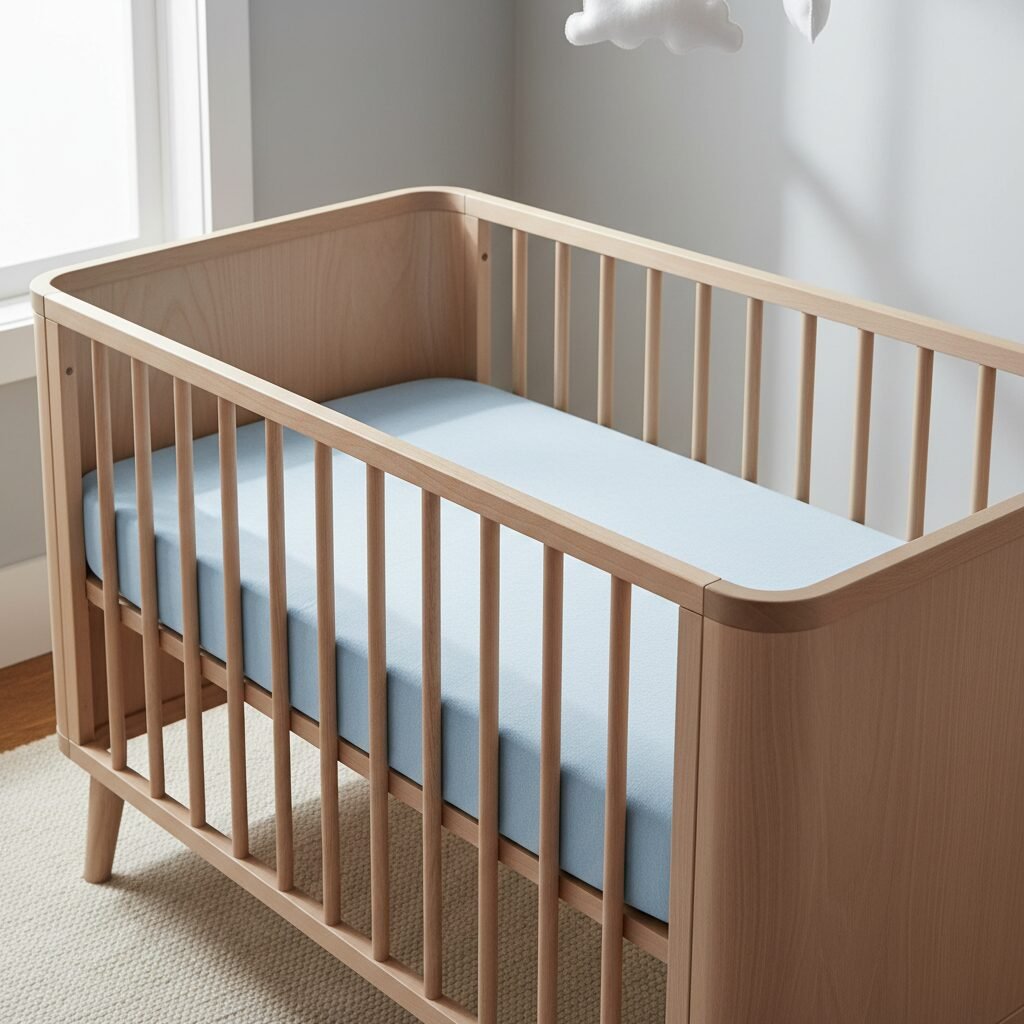
Grandma might remember cribs filled with soft bumpers, fluffy blankets, cute pillows, and a menagerie of stuffed animals. It looks cozy, but today, we know this setup is a serious safety hazard. The American Academy of Pediatrics (AAP) is crystal clear: the safest crib is a bare crib.
The Dangers of a Cluttered Crib
Soft items in the sleep space pose a triple threat:
- Suffocation: A baby can press their face into a soft bumper, pillow, or stuffed animal, blocking their airway.
- Strangulation: Loose blankets or bumper ties can get wrapped around a baby’s neck.
- Entrapment: Babies can get trapped between a soft bumper and the mattress or crib slats.
A firm, flat sleep surface with only a fitted sheet is all your baby needs. To keep them warm, skip the loose blankets and use a wearable blanket, like a sleep sack, instead. It provides warmth without the risk.
Myth #3: ‘Just a Little Cereal in the Bottle Will Help Them Sleep Through the Night.’
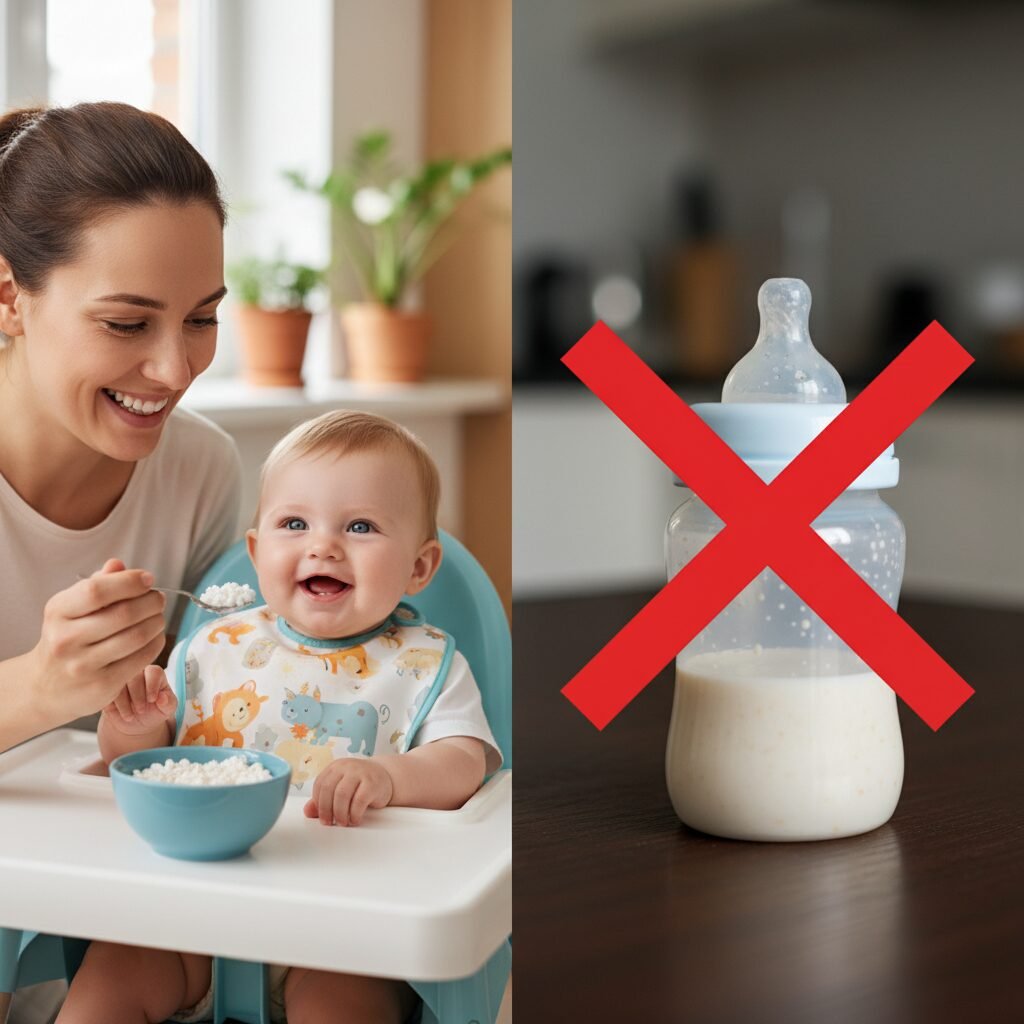
Oh, the elusive dream of a full night’s sleep! It’s tempting to believe this age-old trick is the answer, but it’s both ineffective and dangerous. A baby’s digestive system is immature and designed exclusively for breast milk or formula for the first six months. Introducing solids like rice cereal too early can be hard on their little tummy.
Why You Should Skip the Cereal
Firstly, adding cereal to a bottle is a significant choking hazard. The thickened liquid can be difficult for a baby to swallow safely. Secondly, it can lead to overfeeding and excessive weight gain, as the baby may consume more calories than they need. And the truth is, it’s a myth that it helps them sleep longer. A baby’s sleep patterns are developmental; they are supposed to wake up frequently to eat. It’s a survival mechanism. Solids should be introduced around 6 months of age, with a spoon, when they show signs of readiness.
A Gentle Reminder: Never add anything to your baby’s bottle besides breast milk or formula, unless specifically instructed by your pediatrician for a medical reason like reflux.
Myth #4: ‘You’re Going to Spoil That Baby Holding Them All the Time!’
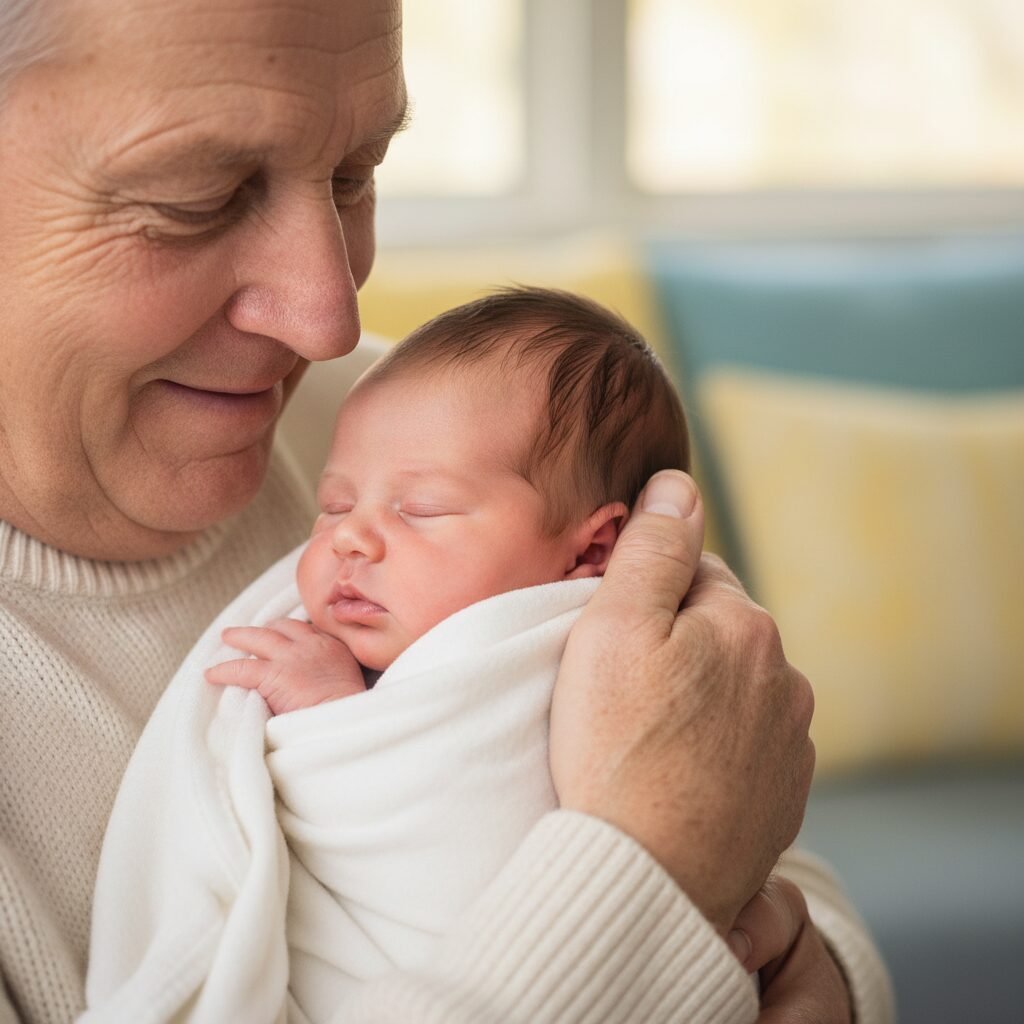
Let me say this as clearly as I can: It is impossible to spoil a newborn. For nine months, your baby was held constantly—warm, secure, and able to hear your heartbeat. The world is a big, bright, loud place, and being held is their safe space. Responding to your baby’s cries for comfort isn’t spoiling them; it’s building the foundation of trust and a secure attachment that will last a lifetime.
The Science of Cuddles
Holding, cuddling, and responding to your baby’s needs has profound benefits for their brain development. This physical comfort helps regulate their temperature, heart rate, and breathing. It also lowers their stress hormones. The concept of the ‘fourth trimester’ recognizes that newborns need this period of intense nurturing as they adjust to life outside the womb. So, snuggle that baby, wear them in a carrier, and soak in every moment. You are not creating bad habits; you are building a happy, secure human.
Myth #5: ‘On a Hot Day, a Little Water Won’t Hurt.’
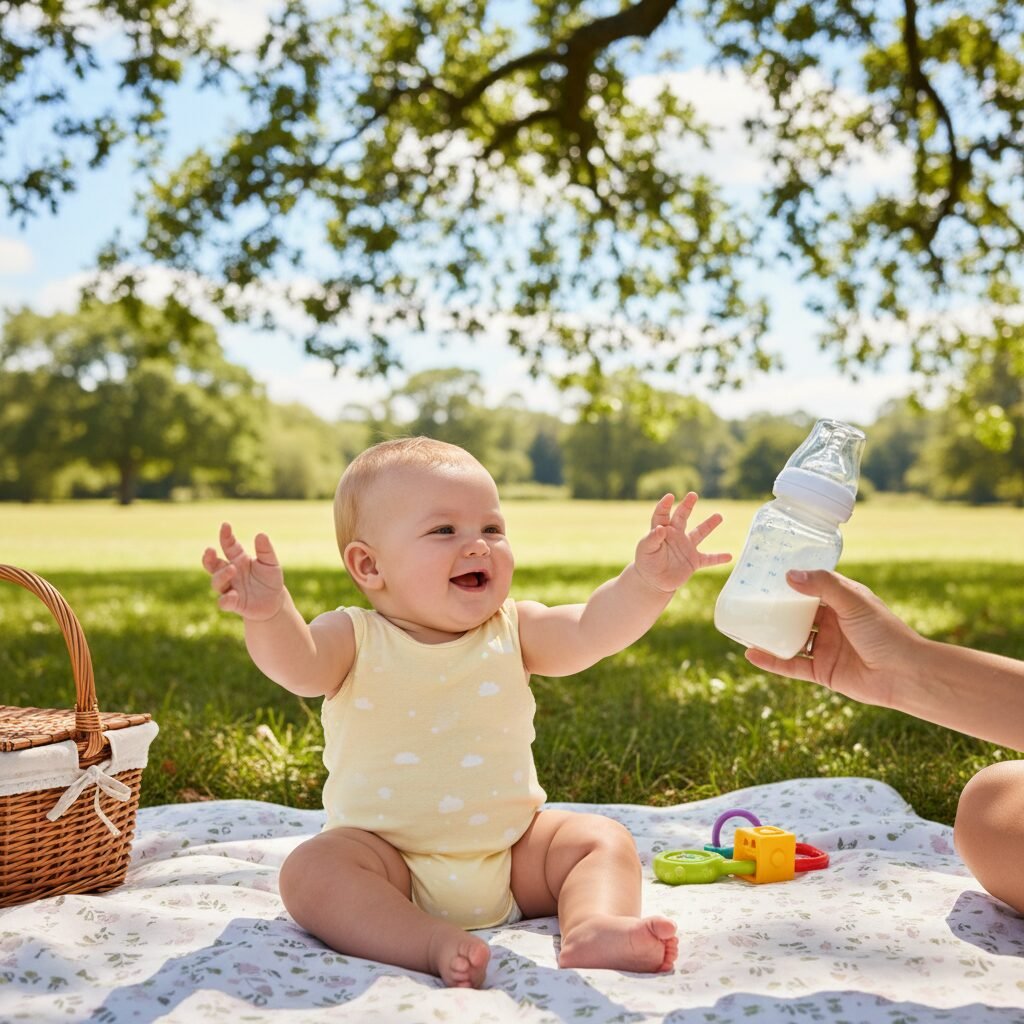
When the temperature climbs, it’s natural to worry about hydration. But for babies under six months old, water is not only unnecessary but can also be dangerous. Breast milk and formula are perfectly designed to meet all of a baby’s hydration and nutritional needs, even in hot weather. They are about 87% water!
The Risk of Water Intoxication
Giving water to a young infant can interfere with their body’s ability to absorb the nutrients in milk or formula. More seriously, it can lead to a rare but life-threatening condition called water intoxication. A baby’s kidneys are too immature to handle plain water, and giving it to them can dilute the sodium levels in their blood, leading to seizures, brain swelling, and even a coma. Stick to breast milk or formula on demand to keep them safely hydrated until they are at least six months old.
Myth #6: ‘A Dab of Whiskey on the Gums is the Best Thing for Teething.’
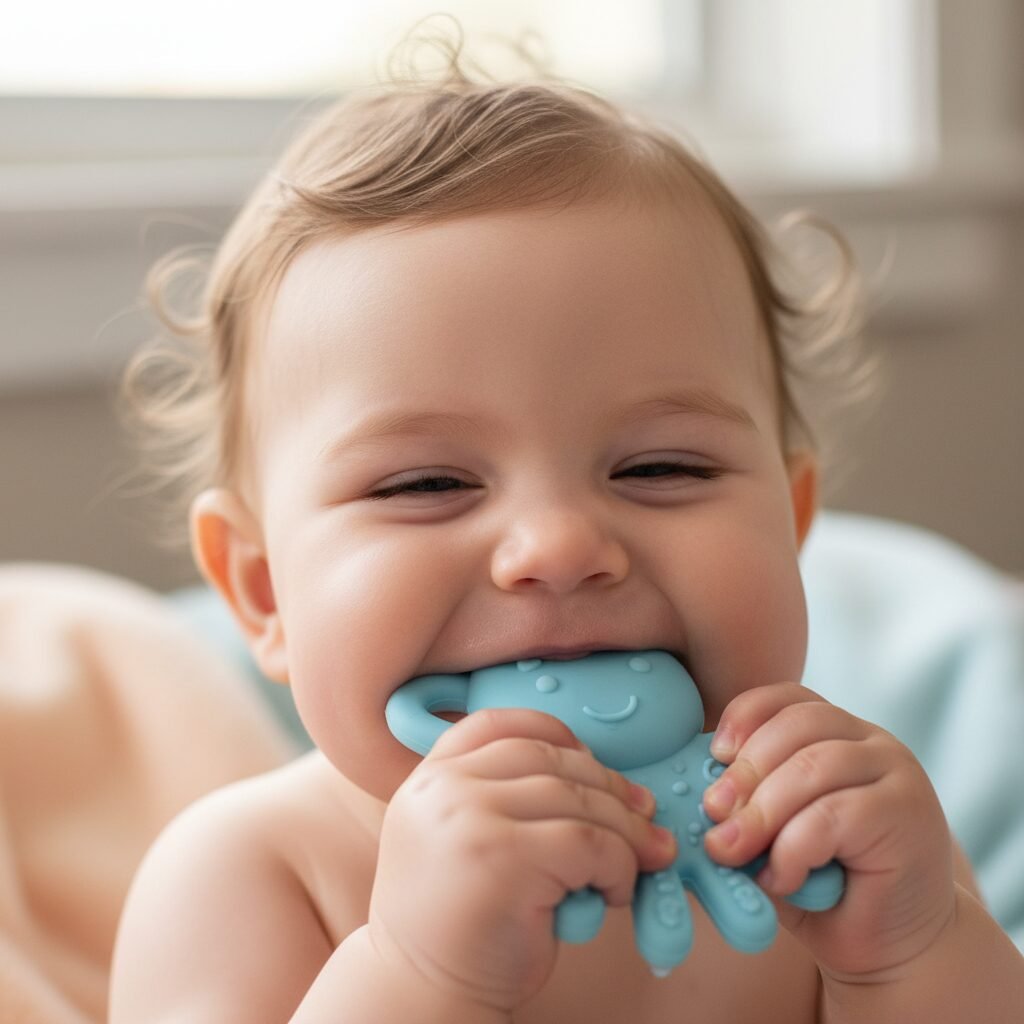
This is a particularly dangerous piece of folklore that needs to be retired for good. No amount of alcohol is safe for a baby. Their tiny bodies and developing organs, especially the liver and brain, cannot process alcohol. What seems like a minuscule amount to an adult can be toxic to an infant, essentially acting as a poison.
Safe and Soothing Teething Alternatives
Teething is tough, but there are many safe ways to help your little one. Try these instead:
| Method | Description |
|---|---|
| Gum Massage | Gently rub your baby’s gums with a clean finger. The pressure can provide significant relief. |
| Chilled Items | Offer a solid (not liquid-filled) teething ring that has been chilled in the refrigerator (not freezer, as it can be too hard and cause frostbite). A chilled, wet washcloth also works wonders. |
| Hard Foods (for older babies) | If your baby is eating solids, you can offer a large, hard teething biscuit or a cold carrot stick, but only under close supervision to prevent choking. |
| Consult Your Pediatrician | If your baby is extremely fussy, ask your doctor about the appropriate use and dosage of infant pain relievers like acetaminophen. Avoid over-the-counter numbing gels containing benzocaine, which can be dangerous for babies. |
Myth #7: ‘Baby Walkers Are a Must-Have to Get Them Walking Faster.’
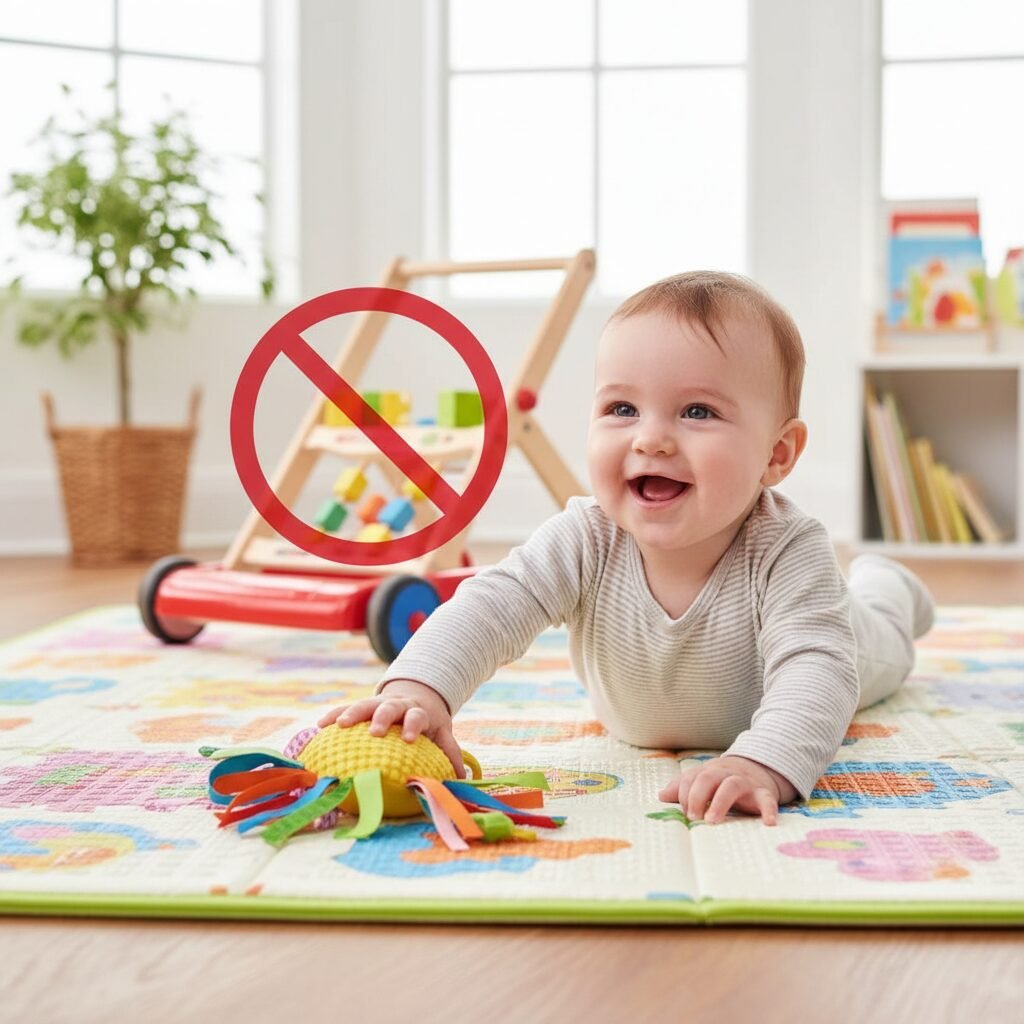
It seems logical, right? Put a baby in a device with wheels, and they’ll learn to walk. In reality, research shows the opposite is true. Walkers can actually delay independent walking because they encourage babies to push off with their toes, not using the heel-to-toe motion needed for a proper gait. More importantly, they are incredibly dangerous.
Why Walkers are a No-Go
The AAP has called for a ban on mobile infant walkers. Why? Because they give babies speed and height they aren’t developmentally ready for. This leads to thousands of injuries each year. A baby in a walker can:
- Roll down a flight of stairs.
- Reach hot surfaces like ovens or grab pot handles on the stove.
- Access poisonous items like cleaning supplies left on the floor.
- Fall into a pool or bathtub.
Safe alternatives that promote motor skills include stationary activity centers (the kind without wheels), playpens, and simply giving your baby plenty of supervised ‘tummy time’ on the floor to build core strength.
Myth #8: ‘Car Seat Rules are So Complicated Now. We Just Held Babies in Our Laps.’
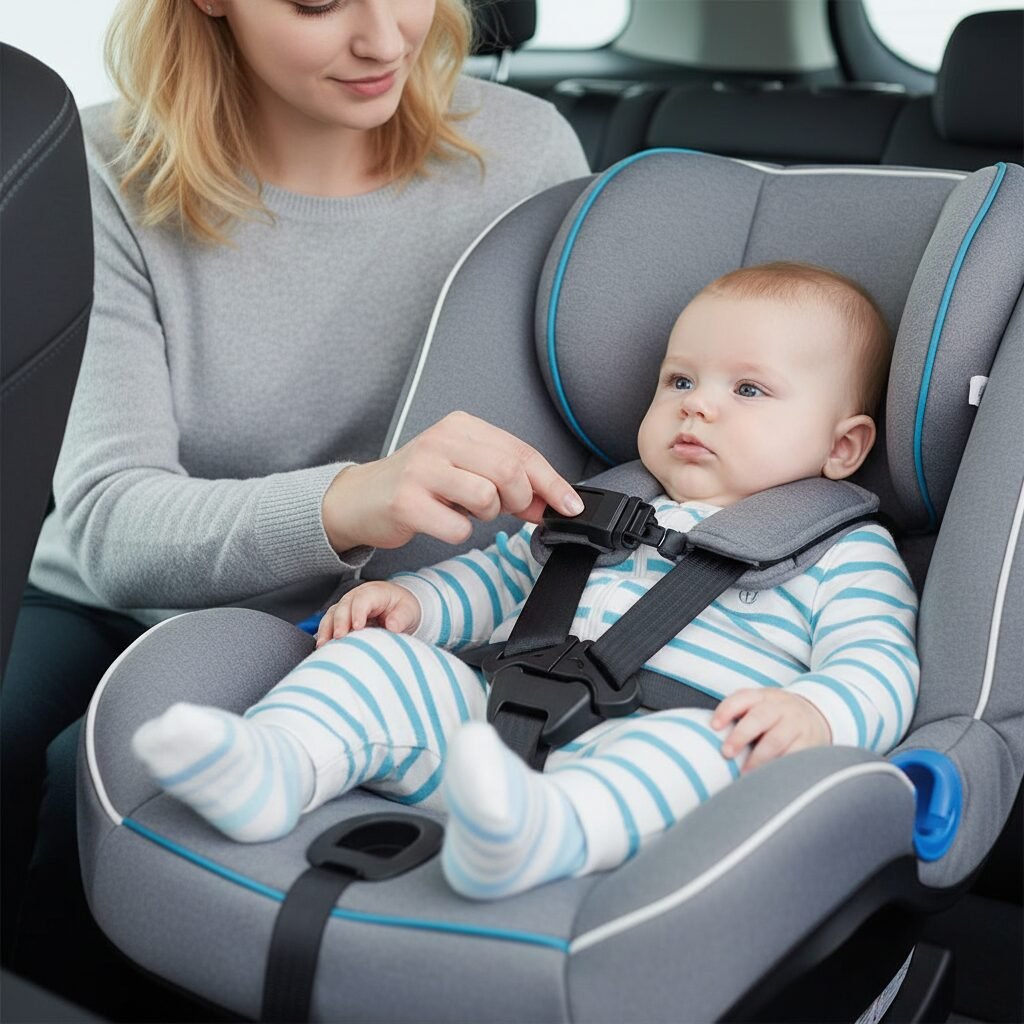
Car seat technology and safety laws are perhaps one of the biggest advancements in child safety. While the rules can seem complex, they are based on crash physics and are proven to save lives. In a crash at just 30 mph, the force exerted on an object is immense. It is physically impossible to hold onto a child securely.
The Non-Negotiable Car Seat Basics
Here are the key things everyone caring for your baby needs to know:
- Rear-Facing is Safest: Keep your child in a rear-facing car seat for as long as possible, until they reach the highest weight or height allowed by their seat’s manufacturer. This protects their fragile head, neck, and spine.
- Harness at the Right Height: For rear-facing seats, the harness straps should be at or below the baby’s shoulders.
- Chest Clip at Armpit Level: The chest clip is crucial for keeping the harness straps properly positioned on the shoulders. It should always be at the level of the baby’s armpits.
- No Bulky Coats: Puffy winter coats create a large gap between the baby and the harness. In a crash, the coat can compress, leaving the harness dangerously loose. Buckle the baby in without their coat, then place a blanket or the coat over them on top of the harness.
Myth #9: ‘Let Them ‘Cry It Out’ From Day One.’
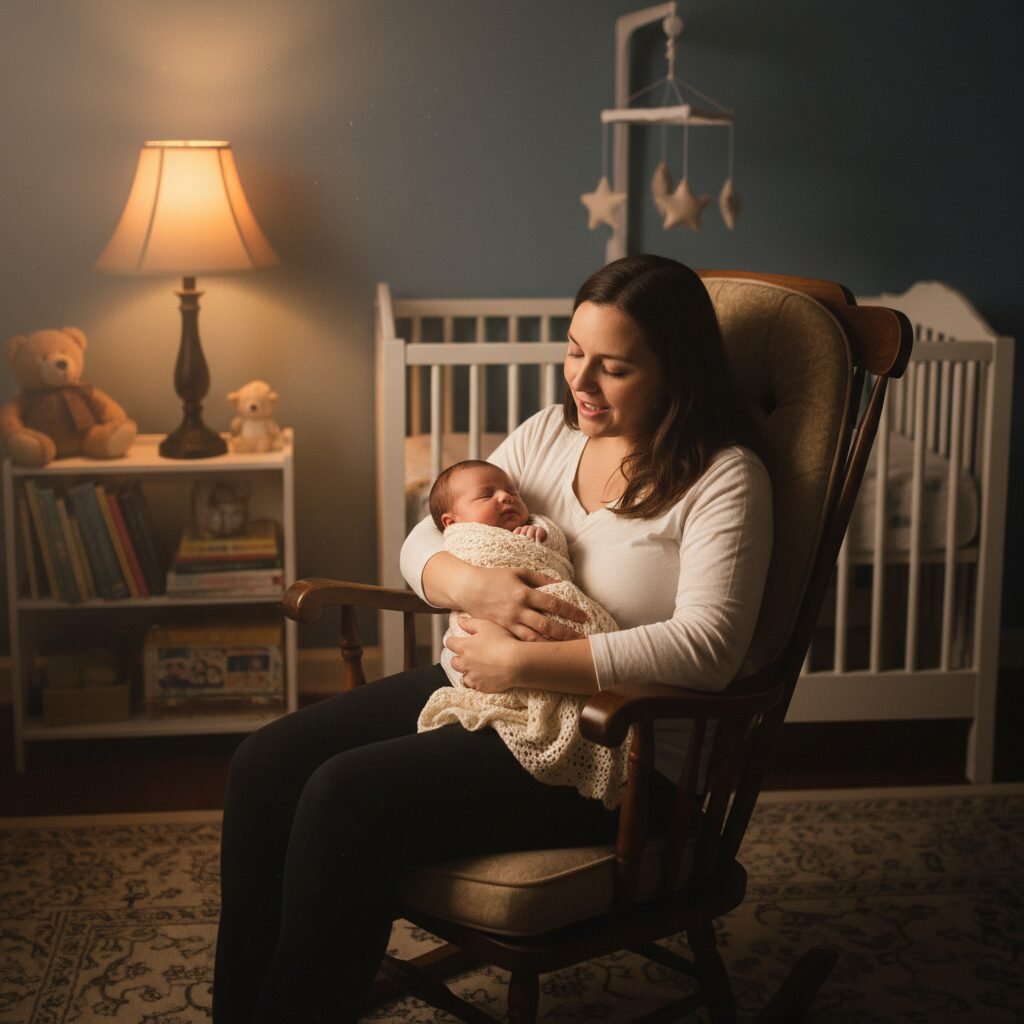
This is another piece of advice that gets confusing because there’s a time and a place for sleep training, but the newborn period is not it. For a newborn, crying is their only form of communication. It’s how they say, ‘I’m hungry,’ ‘I’m wet,’ ‘I’m scared,’ or ‘I just need you.’ The idea that crying ‘builds strong lungs’ is a complete myth.
Responsiveness Builds Trust
In these early months, consistently responding to your baby’s cries teaches them a critical lesson: that their needs will be met and that the world is a safe place. This builds a secure attachment. Ignoring a newborn’s cries can elevate their stress hormones and create anxiety. Formal sleep training methods, including ‘cry it out,’ are generally not recommended by experts until a baby is older (usually 4-6 months) and developmentally ready. For now, your job is to respond, soothe, and comfort.
Myth #10: ‘It’s Fine to Leave the Baby Alone in the Bath for Just a Second.’
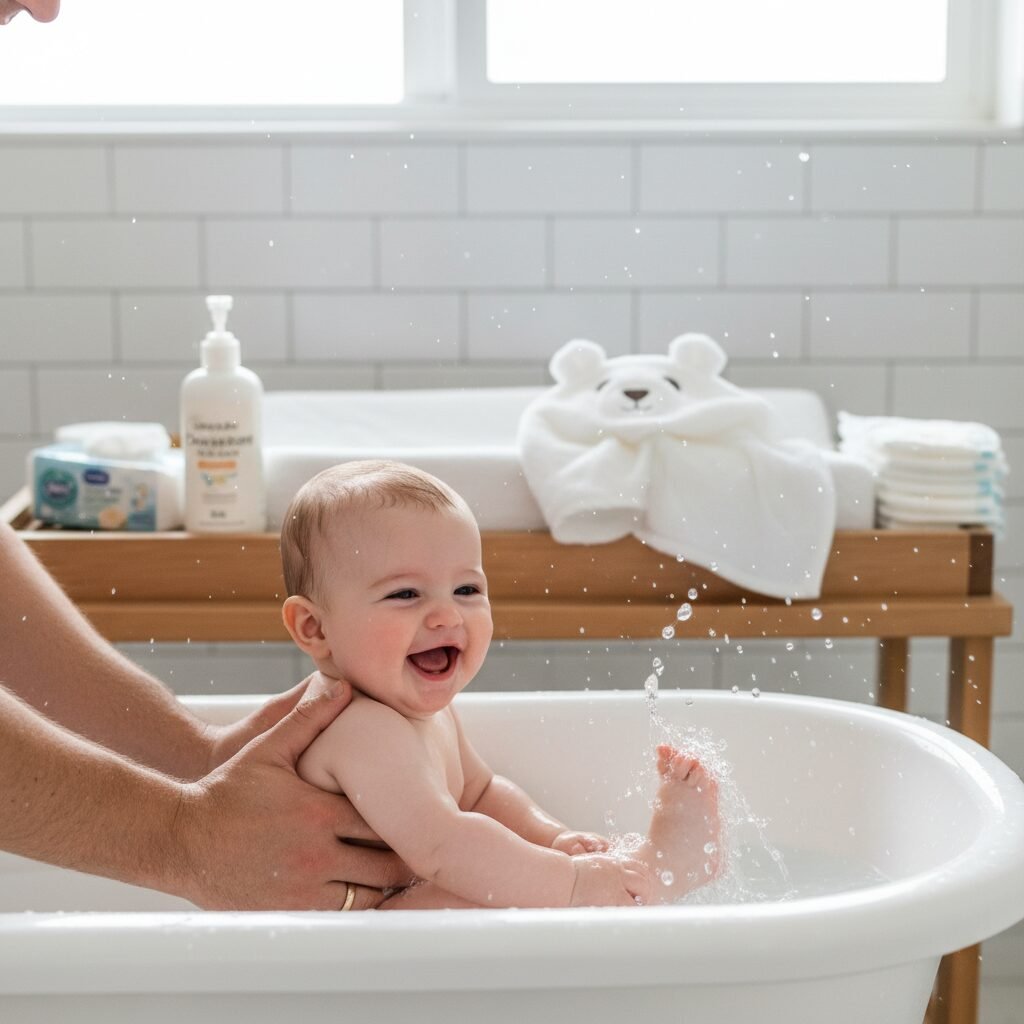
A baby can drown in as little as one inch of water, and it can happen silently in seconds. There is absolutely no reason that is important enough to leave a baby or toddler unattended in the bathtub, not even for a split second to grab a towel or answer the door. The only way to ensure bath time safety is through ‘touch supervision’—meaning you have a hand on or near your baby at all times.
Prepare for a Safe Bath
The key is preparation. Before you even start the water, gather everything you will need and place it within arm’s reach:
- Baby soap and shampoo
- Washcloth
- Towel
- Clean diaper
- Change of clothes
If you forget something or the doorbell rings, you have one safe option: wrap your baby in a towel and take them with you. It might be inconvenient, but their life depends on it. This rule is absolute and non-negotiable for every single person who bathes your child.
Conclusion
Navigating the world of baby advice can feel like a full-time job, especially when you’re trying to honor the experiences of your loved ones while following the latest safety guidelines. Remember, these changes aren’t a criticism of how past generations parented; they’re a celebration of what we’ve learned through research to give our babies the safest possible start.
The best way to approach these conversations with grandparents is with love and teamwork. You could say something like, ‘Mom, I so appreciate your help. The hospital gave us a list of new safety rules, and some of them really surprised me! Can we go over them together so we’re all on the same page for the baby?’ Framing it as a collaborative effort can make all the difference.
You are your baby’s advocate. Trust your instincts, lean on the evidence, and lead with compassion. You’re doing a fantastic job, and building a safe, loving village for your child—one that includes doting, well-informed grandparents—is one of the best gifts you can give them.